


Every parent wants the best for their babies especially when it comes to health and hygiene. As time goes by and the baby grows the baby may need nutrition so feedings may increase and used baby bottles can pile up like no other. Making a decision between a bottle sterilizer vs washer could be really overwhelming.
How do you even know if you’re getting your baby’s bottles truly clean and safe? We have everything you need to know to make your choice and get each step you’re looking for to make each process easier.
How Is a Bottle Washer Different from a Sterilizer?
Stressed out with the dirty. Used baby bottles piling up? If you don’t know how and where to start you should first learn the difference between a bottle washer and a bottle sterilizer:
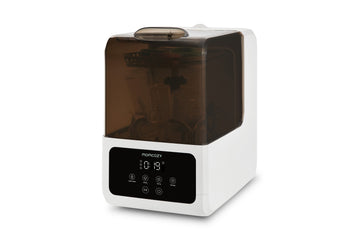
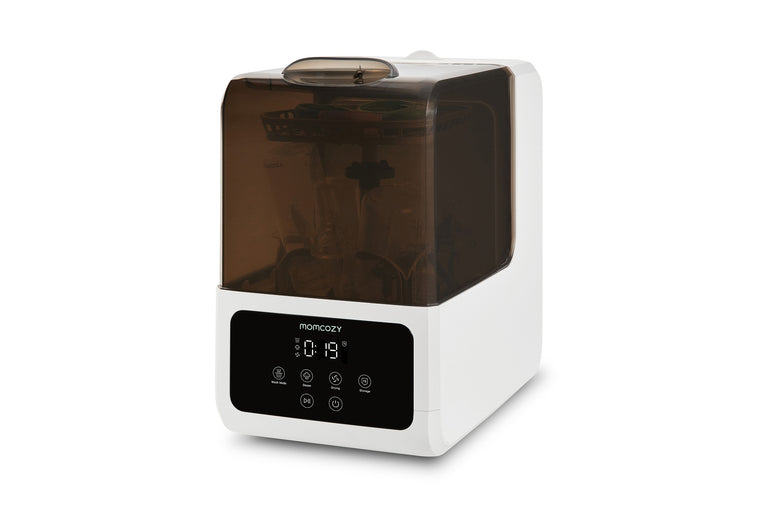
- A baby bottle washer is thoughtfully designed to clean baby bottles using water jets and rotating racks with brushes. Devices like the Momcozy DeepClean Lite Bottle Washer can help you save time by making one of the time‑consuming tasks in bottle care convenient.
- A bottle sterilizer is used to remove signs of bacteria, viruses and fungi left after washing by using steam or heat. As sterilizers can clean the bottles they cannot replace the process of washing the bottles. Instead sterilizing is a method used as a final step (before drying) in the cleaning process. This step is done to ensure that no pathogens are left and that the bottles are safe for babies, newborns and sick children.
Key Differences
- Purpose: Washers help in removing milk residues while sterilizers kill microorganisms.
- Process: Washers use soap and water while sterilizers use steam or high temperature.
Do I Really Need a Bottle Washer and Sterilizer?

If you use bottles or do several feedings daily a bottle washer like the Momcozy DeepClean Lite Bottle Washer can greatly simplify your life. Yes you can wash the bottles by hand. It isn’t the most effective way to remove milk buildup and residues. Doing the cleaning by hand can even miss some spots on the bottles and nipples. Using a bottle washer is a life‑changer for families with multiples or frequent bottle feedings.
In the months especially for preemies or newborns a bottle sterilizer can help provide additional protection. A safe pacifier could greatly benefit babies with their developing immune systems during this high‑risk period for conditions like gastroenteritis and thrush. For formula feedings the CDC recommends sterilizing bottles and pump parts along with the nipples if your baby is less than 2 months old, or has a weakened immune system.
When is a washer or sterilizer most useful?
- Washer: A washer is useful during time‑constrained situations like when you have to wash multiple bottles at once.
- Sterilizer: A sterilizer is most useful when you are feeding a premature or sick baby, a freshly recovered baby.
For the safety and convenience most families use both. The Momcozy DeepClean Lite Bottle Washer is great since it can clean, sterilize, dry, and store bottles and other accessories.
Cleaning vs Sanitizing vs Sterilizing: What’s the Difference?
If you are still confused about the differences between cleaning, sanitizing and sterilizing here are some definitions:
- Cleaning is the process of removing the dirt or milk and/or formula buildup on your baby bottles and nipples. It is usually done with soap and water or the use of a bottle washer.

- Sanitizing is when you use boiling water or a sanitizing dishwasher solution. Doing this process can decrease the number of bacteria.
- Sterilizing is usually the step in the whole cleaning process of baby bottles. This final step helps in reducing bacteria, viruses and fungi left on the bottles after washing them. It includes applications for newborns who are less than 3 months old, babies with a weak immune system or babies that are sick.
Remember: Always wash the bottles before sterilizing them to remove the residue before killing the germs left on the surface of the bottles.
Do You Still Have to Wash Bottles If You Use a Sterilizer?

Yes. Sterilizers may do the killing of germs. They won't remove the physical buildup of milk residue. A sterilizer is significantly less effective on an unwashed bottle because the remaining dried milk can shield bacteria from being destroyed. If residues will be left on the bottle it can grow germs as it cools.
Cleaning and sanitizing baby gear is time consuming and labor intensive. The Momcozy DeepClean Lite Bottle Washer simplifies this process by washing, sterilizing, drying and storing up to 8 baby bottles. The Pump360 rotational spray can be set to spray 38 different angles to remove milk buildup from bottles and pump parts. It also sanitizes using high temperature steam to sanitize and eliminate 99.9% of germs. After sanitizing, the machine switches on a drying cycle and provides 72 hours of spill-proof, germ-protective storage. The machine's compact design allows it to fit under most kitchen cabinets and features rollers for easy transport. The machine also has a self-draining feature so it can be placed anywhere.
When to Stop Sterilizing Baby Bottles
At What Age Should I Stop Sterilizing My Baby’s Bottles?
The NHS recommends parents to sterilize baby bottles until the baby turns 12 months. This age is when young children develop their system so it is not necessary to sterilize baby bottles for babies beyond 12 months. As sterilizing baby bottles is not necessary for babies it should strictly be done until the baby is one year old especially when the baby is born prematurely is sick or if the baby is in an environment with microorganism/pathogen risks.
What Happens If I Don’t Sterilize Baby Bottles?
The consequences of not sterilizing baby bottles can be stomach infections, diarrhea and some serious and frightening illnesses. The CDC implies that it is important to sterilize for at least 2 months for babies and for all other high‑risk babies or children that your doctor has deemed and explained as a high‑risk case.
Dishwasher vs Bottle Washer: Which One Is Best for Your Baby?
Though dishwashers automate the house cleaning process they have their limitations when it comes to cleaning baby bottles. There are dishwashers that use heat or have jets with pressures that can damage pieces of baby bottles. These jets may only truly access portions of the bottle and may struggle to fully clean all traces of milk left.
Is It Better to Sterilize Baby Bottles in a Dishwasher or a Bottle Washer?
Not all dishwashers have a setting to sterilize. The ones that do typically do not work as well as a bottle washer. The Momcozy DeepClean Lite Bottle Washer is designed for the washing of baby bottles and other accessories. The cleaning it provides can reach fully into baby bottles to clean and sanitize all of their parts.
Does the Dishwasher Count as Sterilizing?
Dishwashers sanitize rather than sterilize. If your dishwasher has a certified "Sanitize" cycle, it will heat the water to at least 150°F (65°C) during the wash or final rinse, which kills 99.999% of food-borne bacteria.
While this meets CDC standards for safely cleaning baby bottles without needing a separate step, it is not true sterilization. Sterilization means eliminating 100% of all microbial life, including resilient bacterial spores. To achieve total sterilization, objects usually require temperatures well above boiling (often 250°F / 121°C under pressure) or specialized equipment like a dedicated steam sterilizer.
Why Shouldn’t You Wash Baby Bottles in the Dishwasher?
- Dried‑up milk and formula may leave residue in baby bottles that can be harmful to the baby’s health.
- The heat from dishwashers can deform the plastic of bottles and silicone nipples.
- Some dishwashing detergents can leave a film on bottles that can be harmful to children.
What Is the Safest Way to Sterilize Baby Bottles?
The safest ways to sterilize baby bottles include steam sterilizers, boiling water or microwave sterilizers.
- Bottle Washers: These specialized appliances not only washes the bottles but also sanitizes and dries them. Many of these washers have a built-in function that helps eliminate bacteria.
- Steam Sterilizers: These devices use high‑temperature and steam to help sterilize baby bottles. To completely sterilize the bottles first read the sterilizer and bottle instructions then arrange the washed bottles and pieces. Steam sterilization is effective and quick.
- Boiling Water: Boiling water also helps to sterilize the baby bottles, but it can be quite risky and time consuming. To effectively sterilize all pieces, make sure they are completely submerged in the water.
- Microwave Sterilizer Bags: This process includes placing the baby bottles and their parts in a microwave sterilizer bag with a little water. The process may vary for products so ensure you read and follow the manufacturer’s instructions.
No matter which method you use, always ensure that the bottles and their pieces are safe. Also always remember to consider and read the manufacturer’s instructions.
Do I Rinse Bottles After Sterilizing?
Whether or not to rinse a baby bottle after sterilizing depends on the method of sterilization.
- Steam or Electric Sterilizer: Many baby bottle brands and sterilizer manufacturers recommend that rinsing after sterilization is not necessary as the process leaves no residue.
- Chemical Sterilization (e.g., sterilizing solutions or tablets): If a sterilizing solution or sterilizing tablets are used for the sterilization process, the bottles, after sterilization, should be rinsed to remove the sterilizing solution or tablets. Prior to using the rinsed bottles for feeding, the bottles should be rinsed again with clean, boiled and cooled water.
Do I Need to Dry Baby Bottles After Sterilizing?
- After electric or steam sterilization of the baby bottles, the pieces should be allowed to dry in a rack in a well-ventilated area. Letting the bottles air‑dry helps prevent contamination.
- Avoid drying the baby bottles with towels as they may transfer germs or bacteria.
- To avoid contamination, the pieces should not be touched and, if necessary, should be handled with sterile tongs. The cleaned bottles thus should be kept covered or assembled until the feeding to maintain sterility.
FAQs
Do You Need to Sterilize Baby Bottles, Pacifiers, and Breast Pumps?
How often you need to sterilize baby items such as bottles and breast pump parts, is based upon your particular situation..
The CDC Infant Feeding Guidelines say that if your baby is under two months of age, was born preterm, or has a condition or is undergoing a treatment that affects their immune system, you should sterilize baby feeding items daily. The CDC also says milk, which is left over after a feeding, contains germs that can grow and increase and may cause an illness to your baby because of their underdeveloped immune system.
The CDC also says that items used to feed older babies and toddlers do not need to be sterilized. Items that are used to feed a baby or toddler do not need to be sterilized if they are washed with soap and water, and if they are put through a dishwasher cycle along with a steaming or drying sanitizing cycle.
Is It Better to Wash or Sterilize Baby Bottles?
Bottles and other feeding equipment used by children under 1 year require washing and sterilizing. The purpose of washing a bottle is to remove milk build up, sticky residue and other grease.
Sterilization is necessary to eliminate any germs (bacteria, viruses, parasites and others) that may still be in the feeding equipment.
Sterilizing feeding equipment is necessary for an infant to protect the development of the infant's immune system. The NHS recommends that feeding equipment be thoroughly cleaned, and then sterilized until the child is 1 year of age. After 1 year, it is not necessary to sterilize feeding equipment. This is because a child after 1 year has a more developed immune system. However, if a child is sick, and has a weakened immune system, it may be necessary to sterilize feeding equipment.
Can I Use a Bottle Sterilizer as a Bottle Washer?
No. A sterilizer is used to help kill bacteria. It will not remove dirt build up and milk residue. Bottles need to be washed with soap and water to remove milk and dirt before being placed in a sterilizer.
How Often Should You Sterilize Baby Bottles?
According to the CDC, baby bottles should be sterilized often, especially for newborns and infants under 2 months. Further, if a baby is born prematurely or has a weakened immune system and is also ill, the CDC advises frequent sterilization of baby bottles. For older, healthy babies, regular thorough washing is generally sufficient, though periodic sterilization can be continued as an extra safety measure.
Can You Sterilize Baby Bottles in the Microwave?
Yes, baby bottles can be sterilized in a microwave, provided a specialized microwave-safe sterilizing unit is used. Manufacturers recommend certain instructions, and if not used properly, the bottle can break and the microwave will receive damage.
Is a Bottle Washer Worth It?
Yes, if a family regularly uses baby bottles, then this type of convenience product is worth the purchase. Appliances like the Momcozy DeepClean Lite Bottle Washer streamline the process by combining washing, sterilizing, and drying into one step, significantly cutting down on manual cleaning time.
Conclusion
Choosing between a bottle sterilizer and a bottle washer can be tough. It does not have to be. To get the results most families need both. A sterilizer removes germs while a bottle washer removes the residues that a sterilizer cannot. A washer like the DeepClean Lite Bottle Washer by Momcozy saves time at the sink so I can spend more moments bonding with my baby. I recommend checking the Momcozy Bottle Washer Collection to find a product that fits your needs.








