


Seeing your baby refuse a bottle can be really stressful—especially when you've got work coming up or just need a break from breastfeeding. If you're watching your little one turn away from the bottle or burst into tears when you try to feed them, you're not alone. Many parents go through this exact same challenge. Below you'll find why babies refuse bottles and practical things to try when feeds keep ending in tears. Still on the very first bottle attempt? See our how to introduce a bottle to a breastfed baby guide for that step-by-step plan.
Why Does Your Baby Say "No" to the Bottle?
Your baby's bottle refusal isn't just them being difficult—there are actually several good reasons behind it:
1. Babies Prefer Familiar Breastfeeding Comfort: Babies are creatures of habit, and breastfeeding is not just about the food—it's warm, it's cozy, and there's a lot of skin-to-skin contact with mom. The bottle feels different in their mouth, the milk tastes slightly different, and the whole feeding process is new to them.
2. Babies Struggle with New Sucking Movements: Breastfeeding and bottle-feeding involve different patterns of mouth movements. When nursing, infants must work harder, using their jaw and tongue in a particular pattern to obtain milk. With a bottle, the milk comes more readily, and some infants show nipple or flow preference rather than a simple “wrong cup” problem.
3. Timing Is Wrong: Sometimes, babies refuse bottles simply because they aren't hungry enough or they are too hungry and frustrated. Being too warm or too cold a bottle, or even being in a different holding position, can also prompt them to turn down. Using a breastfeeding pillow can help recreate the familiar height and comfort of nursing.

4. Babies Detect Mom Nearby: Many babies can smell their mom nearby and wonder why they should take a bottle when they know their preferred food source is right there! This is especially true if mom is the one trying to give the bottle.
5. Babies Notice Different Milk Sensations: Breast milk straight from mom is always the perfect temperature and taste. Formula or stored breast milk can taste a little weird or be a temperature baby is not used to.
6. Your Baby Might Not Like This Specific Bottle Type: Just like adults have favorite cups, babies can be picky about their bottles. Some might not like how a certain bottle feels in their mouth, or how fast the milk comes out.
7. A Busy or Noisy Room Can Make Feeding Difficult: Babies can get distracted or upset if there's too much going on around them while feeding. A noisy TV, bright lights, or lots of people moving around can make it hard for them to focus on the bottle.
These challenges are completely normal when switching from breast to bottle. The good news is that with patience and the right approach, most babies eventually accept the bottle. If your baby is refusing the bottle, try not to worry—in the next sections we'll look at when to offer another try and practical tips to make feeding easier.

When Should You Offer the Bottle Again?
Timing often makes the difference between a calm sip and a full meltdown. Offer the bottle when your baby is alert and showing early hunger cues—not starving, overtired, or mid-cry. Many parents have luck about 1–2 hours after a regular breastfeeding session, when little ones are content but still interested in a snack-sized feed.
If every attempt ends in refusal, pause for a day or two, then try again with a different caregiver, nipple, or room. For a full first-time introduction plan (caregiver feeds, slow-flow nipples, and pacing), see our changing from breast to bottle feeding guide.
How to Help Your Breastfed Baby Accept a Bottle
When your breastfed baby won't take the bottle, knowing the right approaches can make all the difference. Most babies catch on with patience and steady, gentle methods. These steps are for babies who push the bottle away or only drink a few sips—adjust what you try based on what your baby seems to resist most.
1. Let Someone Else Offer the Bottle
Babies prefer to take bottles from another person. Your baby knows mom's scent and might expect breastfeeding when she is present. Having your partner, grandma, or other caregiver attempt it while mom gets a break can be the break your baby needs to attempt the bottle.
2. Start Slowly
Begin the transition in small steps by giving small quantities of milk, about 1-2 ounces, in a bottle. Just one bottle per day is needed at first. As your baby becomes accustomed, you can ease into more and more frequent feedings from bottles.
3. Create a Familiar Feeding Experience
Recapturing breastfeeding ease can comfort your baby at the bottle. Hold them in their usual feeding position, use skin-to-skin when you can, and feed in a quiet spot you use for nursing. You do not need new gear—a familiar hold matters more than a new chair.
4. Pick the Perfect Bottle Setup
The right bottle can be a lifeline at this stage. Start with slow-flow nipples that will not overwhelm your baby, and consider bottles specifically designed for breastfed babies. Once you find a combination your little one will tolerate, use it every time – consistency is the key to establishing their comfort and confidence.
5. Time it Right
Timing and temperature are highly critical when bottle acceptance is involved. Heat the milk to a comfortable temperature (never microwave it), and try to present the bottle when your baby is hungry but not starving – about an hour after the last feeding time is usually effective.
6. Use Gentle Introduction Methods
A soft, lenient approach will usually work most effectively when weaning the baby onto the bottle. Gently touch the nipple to your baby's lips to encourage him to open, let them set the pace, and hold the bottle at an angle so milk pours into the nipple. Switching sides halfway can maintain that relaxed breastfeeding feeling.
7. Keep the Experience Positive
Your baby will sense your mood, so remain calm and cheerful. Never force the bottle – simply enjoy little victories, calm the mood, and if you do reach the stage of frustrating your baby, take a break and then try again a bit later when you're both feeling refreshed.
10. Keep Bottles Clean and Ready
Clean bottles matter—off tastes or smells can trigger another refusal. Wash and rinse well between tries; see our bottle washer guide if the sink pile is the bottleneck.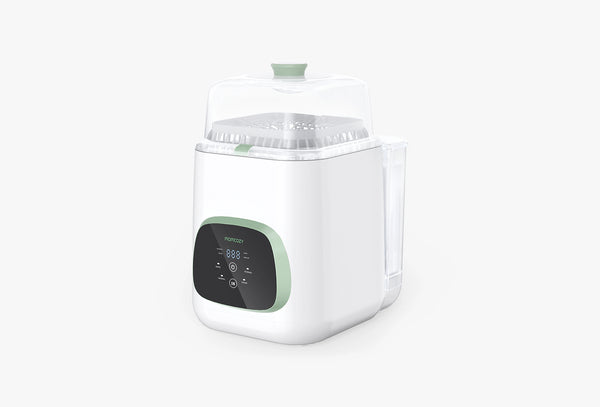
If your baby still refuses the bottle after trying these techniques, take a break for a day or two before trying again. Sometimes a fresh start with a new approach is all it takes.

How to Feed a Baby that Refuses a Bottle?
If gentle tries still fail, use the tactics below—temperature, motion, alternative cups—without forcing the nipple. For strong aversion or feeding stress, see our bottle feeding aversion guide.
-
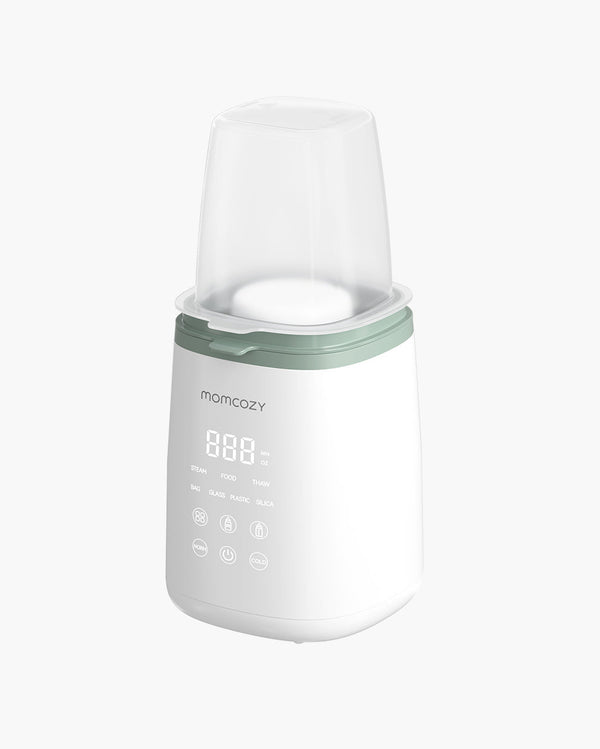
Get the Temperature Right: Warm milk to body temperature (around 98.6°F) and test it on your wrist first. Fresh breast milk is often more appealing than stored milk. See our bottle warmer guide for safe warming—never microwave breast milk.
- Try the Hand-Off Method: Have someone other than the nursing parent offer the bottle, ideally out of mom's sight. Stay calm and unhurried so your baby is not picking up stress.
- Use Motion to Your Advantage: Try feeding during a calm walk or with your baby facing away from you. Some babies accept the bottle better reclined or in a position close to their usual breastfeeding position.
- Consider Alternative Tools: If standard bottles fail, a soft-spout cup can be a short-term bridge. Pick one approach and try it for several days before switching again.
- Stay Steady but Adaptable: Offer at similar times each day, but change nipples, holders, or rooms if something clearly is not working—small tweaks sometimes break a stalemate.
Do I Need to See a Doctor if My Baby Refuses a Bottle?
Most babies need time to get used to bottle feeding, and that's perfectly normal. While you can usually solve bottle feeding challenges with patience and practice, some signs mean it's time to check with your doctor:
- Your baby shows signs of dehydration, such as fewer wet diapers, dry mouth, or a sunken soft spot on their head.
- You notice your baby isn't gaining weight properly or is falling off their expected growth curve.
- Your baby appears to be in pain during feeding attempts, frequently arching their back or crying when offered either breast or bottle.
- You observe consistent gagging, choking, or troubled swallowing during feeding attempts.
- Your baby has ongoing digestive issues, including excessive spit-up or signs of significant reflux.
- You've tried multiple bottle-feeding strategies for 2-3 weeks with no improvement, and you need to return to work soon.
- Your baby is refusing all forms of feeding, not just the bottle, showing a general aversion to eating.
- You notice any unusual changes in your baby's behavior or development alongside the bottle refusal.
If you're unsure whether your situation warrants a doctor's visit, it's always better to check with your healthcare provider. Trust your parental instincts – they're usually right when something doesn't feel normal.
FAQs About Baby Refusing a Bottle
Q1: When is it too late to introduce a bottle?
For timing and a first-bottle plan, see our breast-to-bottle introduction guide. After 3–4 months, introduction can take longer—but many families still succeed with patience or an IBCLC.
Q2: What if my older baby refuses a bottle?
For older babies (4+ months) who refuse bottles, try these proven approaches:
- Experiment with different feeding positions, like feeding while walking or in motion
- Offer the bottle when they're sleepy but not overtired
- Try cup feeding or transitioning directly to sippy cups
- Use expressed milk in solid foods once they start complementary feeding
- Consider alternative feeding methods like spoon-feeding or medicine cups
- Be patient and consistent with your chosen method
Q3: Why is my baby refusing bottles all of a sudden?
Sudden bottle refusal can be due to a number of very normal reasons that parents might not be aware of immediately. It is often due to physical discomfort like teething or an illness, particularly ear infections that make sucking painful. Your baby can also respond to a change in their feeding routine, i.e., temperature of the milk, taste of the milk after storage, or a new caregiver's feeding method.
Make Bottle Refusal Easier
Celebrate small wins—even a few sucks count. If refusal lasts more than 7–10 days, weight gain slips, or you are returning to work soon, call your pediatrician or an IBCLC. You are doing hard, important work; keep notes on what you tried so you can spot patterns or share them with your care team.








