Key Takeaways
- Nursery ideas are easier to adapt when you begin with the room’s layout, household routines, and a flexible visual direction.
- Choose one theme, palette, or focal detail, then add smaller accents without requiring every nursery item to match.
- A swing, monitor, or diaper pail is an optional nursery choice that depends on the room layout and each family’s needs.
Introduction: Choose a Direction You Can Adapt
A lot of nursery ideas can help create a nice, functional room for your baby. It all begins with choosing a common concept. For example, a color scheme, a certain theme or style, and then adapting the concept for the room you have. From neutral and natural concepts, to animal concepts and compact design solutions, small differences are enough to adapt an idea to the specific characteristics of your room. This guide will give you an opportunity to find visual examples, compare designs and select ideas suitable for your room.
Start with the Room and the Feel You Want
Look at your room and note how much space you have. Not all nursery ideas will fit your space, and even your budget and lifestyle. However, those that do may work wonders. Whether you’re looking at dedicated baby room ideas or baby nursery ideas for a shared corner, a little bit of planning can help you to whittle down your options to find ideas that still reflect your style.
Mini Planning Checklist
- Check how big your space is. Decide where your furniture can go. This will help ensure the room doesn't become too crowded.
- Consider the windows, doors and built-in cupboards, then think of the things that should not be near them.
- Choose two or three words which describe the mood of the space. The collection, for instance, is comfortable, relaxed and modern. Such words will determine your decorating style.
- Select two or three colors which will represent the vibe that you have chosen. Then add patterns to the design. Use artwork, fabric, and decor accessories.
- Decide which areas you need to care for your baby. Organize your storage. Create a comfortable environment.
Having defined the measurements of your room and set the mood, select 2 styles for the nursery. Think about compatibility of each style with your space and budget.
Use a Flexible Color Palette
The proper use of colors will unify your nursery concept while at the same time allowing room for growth. As you look at nursery ideas, choose your basic color, then add another that will compliment your choice, and choose an accent color to make a difference.
Palette Examples
Try these combinations when gathering baby room ideas:
- Soft and neutral: The combination of warm white or beige with soft taupe can create various beautiful neutral nursery ideas. Your nursery can look serene by using neutral colors.
- Nature-based: Soft light green combined with warm wood tones is great. You may also wish to include some leafy prints or nature inspired art.
- Fun and contrasting: You may go with ivory or any other light shade as your main color, and use navy, terracotta, or mustard in smaller amounts. This results in a very unusual style while remaining versatile in terms of the main color scheme.
Try different paint samples, fabric swatches, or images of the room. This will help you to configure the proper one which is the best fit.
Remember, the colors will look different since they reflect in the light of your room. It is best to use brighter colors for features that can be changed, such as decoratives, baskets and textiles.
Choose a Theme Without Matching Everything
While it's great to have a theme that gives direction to your room, it's not a rule that everyone has to decorate the same. As you consider the ideas for your nursery, also consider one motif or story that you like best of all. Use this idea in a number of forms of artworks, textiles, or a single decor piece if needed. Hence, baby room ideas can be connected with each other but allow the use of various materials and colors.
Theme + Motif + One Accent
Try one of these nursery theme ideas as a starting point:
|
Theme |
Execution |
|
Nature or woodland style |
Make a cute and cozy setting with trees, leaves, or woodland animals in simple large forms. Ensure that the central theme is reflected in your décor. |
|
Celestial or storybook style |
Draw inspiration for décor from starry night, cloud, and moonlit drawings. Opt for solid-colored and low-key furniture. |
|
Playful animals |
Choose just one type of animals’ theme/illustration in order not to overcrowd the nursery. A few pieces of art will be enough to create a proper atmosphere. |
|
Modern neutral |
Make use of minimalist shapes and natural finishes. Don’t forget to add one strong theme in the form of art or decorating fabric. |
You can also mix styles. Neutral nurseries in a modern style may include one space-themed artwork. If you select an animal theme nursery, go for wooden shades. Pick one focal point to tie the other aspects of the room together but not over-coordinated.
Make a Small Nursery Feel Considered
A smaller room does not mean you’re out of options. Here’s what you can do to improve the room. First, focus on what the space needs to accommodate. Then, choose pieces that support those priorities. The said pieces should not fill every available area to allow for movement.
Keeping the palette and visual details consistent can also help separate zones feel connected, particularly when a nursery shares space with another part of the home.
Small-Room Mini Checklist
Use these ideas when adapting baby room ideas to a compact or shared space:
- Take measurements before buying anything. Record all the dimensions of the room, doors, windows and any furniture items that are present in the room. Compare the space that each piece takes up.
- Get the most value from the space that is available to you in a vertical dimension. Wall shelves, tall furniture or wall mounted storage makes use of your vertical space without claiming any of your horizontal space. Just make sure that items that you access frequently remain accessible.
- Choose versatile objects. It is best when furniture or storage space could serve many purposes if that’s applicable to your room. Don’t try to put multi-purpose objects in your room just to save on space if they don’t fit there.
- Connect the zones. Try to coordinate everything in the same color, flooring, rugs, artwork or textures to help tie it all together.
- Stay clear of the floor. It's better to have a few items on hand that work than the room being overcrowded.
Look at the space you have and what you need to fit into and be sure to have a layout and clear paths before buying anything.

Add Personality with Art, Pattern, and Meaningful Details
Want nursery ideas with personality? Try art, books, and illustrations. These small pieces have a big effect on the room’s look. They also add character. The best part about them is that you can simply change them at any time without having to redesign the entire thing.
Think about those aspects that suit your style and hobbies and select a few decorations for the room. The remaining should remain neutral.
One Focal Point, Small Changes
An illustration print, a fabric design, wall art, or even a few books can enhance the mood of your baby’s room. It can even be the focal point. Do not use decorations that outshine this item. Choose more soothing colors and simpler textures. These choices will help avoid an overbusy look.
Here are a few simple ways to add personality through small details:
-
Put striking patterns against a plain background to make them pop more.
-
Use themed stickers, such as the Twinkles stickers from the Momcozy × Planet Cat collaboration, to introduce playful animal illustrations without committing to an entire themed room.
-
Display books or pictures that have special meaning to your family.
-
Add a pop of color with textiles, baskets, or framed prints.
If decor is removable or replaceable, follow the product's installation and care instructions to determine suitability for intended use.
Plan a Changing Zone That Fits the Routine
A changing area is useful whether your nursery is its own room or a care zone in a shared space. Decide where changing will happen. Then place storage and disposal options nearby to support your routine. Make sure they don’t block pathways or crowd the room.
Zone, Purpose, and Planning Cue
|
Zone |
Purpose |
Planning Cue |
|
Changing surface |
Provides a designated place for diaper changes |
Choose a location that fits the available floor space and daily routine. |
|
Storage |
Keeps frequently used care items organized |
Place storage where it works with the rest of the room without creating unnecessary clutter. |
|
Disposal |
Provides a designated place for used diapers |
Consider whether a diaper pail fits naturally within the changing zone and available space. |
Read our baby changing station setup guide if you need more detailed layout ideas. When planning disposal, you can also browse Momcozy diaper pails for your options. Consult the diaper-pail odor guide for advice on odor management. These resources offer more detail without taking the focus away from planning a changing zone that suits your room and routine.

Add a Feeding or Soothing Corner if Space Allows
Suppose you are done decorating your nursery. But there’s still some free space that you don’t know what to do with. That might be where feeding and soothing will take place. A supportive chair can be added for sitting during feeding times. If space is still available, put a small side table to store daily items.
Comfort, Footprint, and Room Fit
Before adding furniture, think about how much floor space it takes up. Make sure it leaves clear pathways. This applies to every piece, including soothing gear.
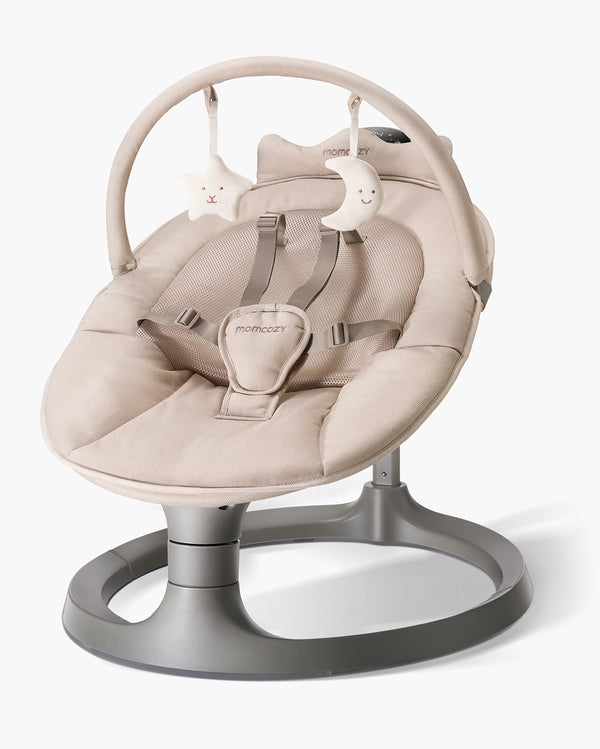
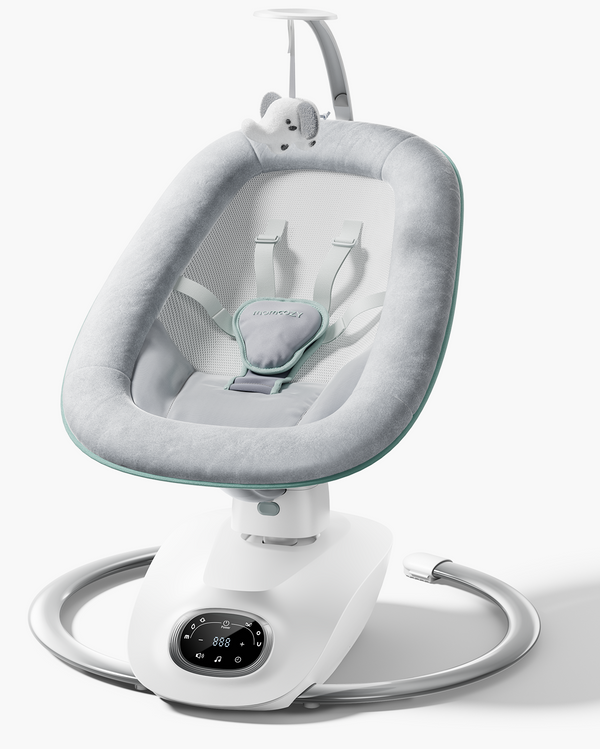
If you want another way to soothe your baby, a baby swing is one optional choice. It can be used while your baby is awake and supervised. Follow manufacturer's product instructions for use. Always inspect the size and capacity before use, then determine if it's appropriate for your space and lifestyle. For a comparison of models, shop for Momcozy baby swings.
Keep in mind that a dedicated corner is not essential. Flexible seating can be as effective at your nursery. Space may also be used that has already been prepared for these activities.
Think About Monitoring and Room Layout
Using a baby monitor may be in your plans. If you do, you need to take this into account when arranging furniture for the nursery. Select a site with convenient power access to keep the camera powered up. Also, use the manufacturer's installation guidelines, depending on the model.
Try to avoid mixing monitoring equipment with decorative elements as much as possible. This can help when you have to change the layout of your furniture.
What to Verify Before Placement
Note that not one position will work for every room or baby monitor. Before choosing a location for the device, check these factors:
- The model's placement requirements
- Its power needs
- Connection options
- Privacy settings.
Baby monitors are an optional feature of nursery planning—only consider purchasing one if it is suitable for your family's preferences and routine. Also, keep in mind that a baby monitor is not a substitute for close adult supervision.
If you haven't bought a baby monitor yet, you can explore the Momcozy baby monitors collection.

Featured Detail: Momcozy × Planet Cat as One Animal-Inspired Accent
For parents exploring animal nursery decor, character-led designs can add personality without requiring an entire themed room. The Momcozy × Planet Cat collaboration offers one optional way to introduce an illustrated character into a nursery alongside existing colors and furniture.
The collaboration features the Momcozy DP01 Triple-Seal Diaper Pail with artwork featuring Twinkles, a Planet Cat character. Planet Cat was founded by British illustrator and children’s book author Angie Rozelaar.
Why This Example Fits an Animal Accent
A character-inspired design can serve as one playful detail in a room with otherwise simple decor. If you are considering the product, visit the Momcozy Triple-Seal Diaper Pail (Planet Cat Special-Edition) page to check current product details. For artwork and package contents specific to the partnership, refer to the Momcozy × Planet Cat collaboration feature.

Frequently Asked Questions
How Do I Start Planning Nursery Ideas?
Start by measuring your room and noting fixed features, such as windows and doors. Check your storage and set your budget. Then pick a color palette or theme you like. Decide which areas you need for everyday care. Save a few nursery ideas, but adapt them to your space instead of copying a whole room.
What Theme Works for a Small Room?
Simple themes work best in small rooms. Try a nature-inspired or neutral theme. Both use a limited color palette, which keeps the room from looking crowded. They add personality without needing lots of furniture or large decorative pieces.
Do I Need a Separate Nursery?
No. A shared bedroom or a small corner can work well. Focus on the items and zones that fit your household routine, such as storage and a changing area. If your setup includes a diaper pail, the diaper pail troubleshooting guide can help you address common issues.
Can a Baby Swing Be Part of the Nursery?
A baby swing can be an optional addition if you have enough room for its intended use. Use it only for supervised soothing while your baby is awake, and follow the specific model’s instructions and usage limits. Check the Momcozy baby swings collection to explore available options.
Do I Need a Baby Monitor?
A baby monitor is a personal choice, not a required nursery item. Consider your home layout, preferences, and routine before deciding whether one would be useful. If you choose to use one, follow the manufacturer's placement and setup instructions. You can browse Momcozy baby monitors to compare available models.
Conclusion
The best nursery ideas are the ones that suit your available space, personal style, and daily routine. Start with a flexible color palette, choose a theme you enjoy, and prioritize practical areas before adding decorative details. If you are planning what to buy, use the baby registry checklist to help organize your choices. Choose one idea to try first, then check product dimensions and requirements before purchasing.