


Table of Contents

Nikt nie lubi widzieć, jak ich dziecko chrapie,, chrumka lub walczy o oddech podczas snu lub karmienia. Szczególnie gdy pojawia się refluks u niemowląt, takie objawy mogą budzić niepokój. Jeśli nie występuje gorączka ani przeziębienie, rodzice często zastanawiają się, co to jest refluks u niemowląt i co może powodować takie dolegliwości. Typowy sprawca? Zaleganie pokarmowe u noworodków. Warto wiedzieć, że refluks u niemowląt jest częstym zjawiskiem, które w wielu przypadkach można skutecznie złagodzić. Oto jjak usunąć zaleganie pokarmowe u noworodków.
Czym jest zaleganie pokarmowe u noworodków?
Ten rodzaj zalegania łatwo pomylić z zatkanym nosem lub przeziębieniem, ale w rzeczywistości jest spowodowany przez refluks u niemowląt, czyli cofanie się treści żołądkowej. Chociaż GER ma tendencję do samodzielnego ustępowania, zaleganie, które powoduje, może sprawić, że dziecko będzie czuło się niekomfortowo i będzie miało trudności ze snem oraz karmieniem.
Zaleganie pokarmowe u noworodków występuje, gdy mleko lub treść żołądkowa wracają do przełyku i nosa, co prowadzi do podrażnienia. Zjawisko to jest często związane z naturalnymi procesami rozwojowymi.
Ponieważ niemowlęta mają tendencję do oddychania przez nos i leżenia przez większość czasu, nawet niewielki refluks może zakłócać oddychanie i komfort.

Przyczyna zalegania pokarmowego u noworodków
Najczęstsze przyczyny refluksu u niemowląt są związane z niedojrzałością organizmu i sposobem karmienia. Warto wiedzieć, że przyczyny refluksu u niemowląt mogą się różnić, ale zazwyczaj obejmują następujące czynniki:
- Niedojrzałość dolnego zwieracza przełyku (LES)
Mięsień między żołądkiem a przełykiem jest jeszcze słabo rozwinięty, co sprzyja cofaniu się pokarmu. To jedna z głównych przyczyn, przez które pojawia się refluks u niemowląt.
- Sen w okresie karmienia
Leżenie płasko po karmieniu sprzyja cofaniu się mleka, ponieważ grawitacja nie wspiera jego utrzymania w żołądku.Część tego mleka może przechodzić do przełyku, a nawet jamy nosowej, prowadząc do zapalenia i produkcji śluzu.
- Małe drogi oddechowe i nos
Drogi nosowe noworodka są bardzo wąskie. Już niewielka ilość refluksowanego mleka może blokować przepływ powietrza i powodować dźwięk zatykania, mimo że nos nie jest naprawdę zatkany w klasycznym rozumieniu.
- Uwięzione powietrze lub nadmierne karmienie
Szybkie karmienie lub połykanie powietrza przez dziecko podczas karmienia piersią może prowadzić do uwięzienia powietrza i zwiększonego ciśnienia powietrza w żołądku, co sprzyja refluksowi i podrażnieniu nosa.
Objawy zalegania pokarmowego u noworodków
Najczęstsze objawy refluksu u niemowląt mogą być różnorodne i czasami trudne do rozpoznania. Warto obserwować dziecko, ponieważ objawy refluksu u niemowląt mogą obejmować także tzw. cichy refluks u niemowląt, który nie zawsze wiąże się z widocznym ulewaniem. Do objawów należą:
- Chrumkanie podczas snu lub głośne oddychanie
- Śluz w gardle/nosie po karmieniu
- Trudności w karmieniu z powodu zatkanego nosa
- Kaszlenie lub dławi się podczas karmienia lub po karmieniu
- Zakłócony sen i leżenie płasko
- Marudzenie i płacz po karmieniu
- Wilgotne bulgotanie lub czkawka

Jak usunąć zaleganie pokarmowe u noworodków
Gdy pojawia się problem zalegania, ważne jest zarówno udrożnienie nosa, jak i odpowiednie leczenie refluksu u niemowląt. W wielu przypadkach leczenie refluksu u niemowląt można rozpocząć od prostych, domowych metod, a w razie potrzeby wdrożyć bardziej zaawansowane podejścia.
Warto pamiętać, że refluks u niemowląt leczenie powinno być zawsze dostosowane do indywidualnych potrzeb dziecka.
W najgorszych przypadkach można to zrobić w domu za pomocą bezpiecznych, delikatnych rozwiązań, w zależności od nasilenia. Ponadto, w niektórych sytuacjach Twój pediatra może zalecić leczenie medyczne. Omówimy każde z nich poniżej.
Opcje leczenia medycznego
Kompleksowy wybór leczenia można szybko zdefiniować jako całkowitą przekazywaną pojemność, to znaczy sumę skoncentrowanej uwagi pojemności między wieloma portami połączeniowymi a ponadto pojemnością o tej samej zdolności poznawczej, co wieloma portami po drugiej stronie połączenia.
W przypadku nasilonych objawów lekarz może zaproponować odpowiednie rozwiązania. Czasami konieczny jest lek na refluks dla niemowląt, szczególnie gdy objawy są uporczywe lub wpływają na rozwój dziecka.
1. Leki na refluks
Niektórym dzieciom pomaga odpowiedni lek na refluks dla niemowląt, który zmniejsza produkcję kwasu żołądkowego. Do najczęściej stosowanych należą:
- Środek blokujący H2 (np. famotydyna)
- Inhibitory pompy protonowej (np. omeprazol)
Taki lek na refluks dla niemowląt nie eliminuje całkowicie problemu, ale zmniejszają poziom kwasu, co zmniejsza podrażnienie dróg oddechowych i nosa.
2. Hipoalergiczne lub zagęszczone mleko modyfikowane
W niektórych przypadkach lekarz może zalecić zmianę diety. Rodzice często zastanawiają się, jakie mleko na refluks u niemowląt będzie najlepsze. Odpowiednio dobrane jakie mleko na refluks u niemowląt może znacząco zmniejszyć objawy i ograniczyć cofanie się pokarmu.W innych przypadkach zagęszczone mleko modyfikowane może być również używane jako część strategii zmniejszania ulewania, ponieważ mleko jest mniej prawdopodobne, że wróci do przełyku i do jam nosowych.

3. Karmienie regulowane lekami
Możesz zostać poinstruowany, aby karmić swoje dziecko mniejszymi ilościami jedzenia częściej w ciągu dnia lub używać specjalnych postaw do karmienia. Zmiana schematu karmienia może być ważnym elementem terapii. Odpowiednie podejście do karmienia wspiera leczenie refluksu u niemowląt i pomaga ograniczyć objawy.
Nie należy jednak wprowadzać zmian samodzielnie — każda decyzja dotycząca leczenie refluksu u niemowląt powinna być skonsultowana z lekarzem.
Środki pielęgnacyjne w domu
W większości przypadków zaleganie pokarmowe noworodka ustępuje z czasem, a odpowiednio dobrane metody mogą skutecznie złagodzić objawy związane z refluks u niemowląt. Proste, domowe rozwiązania pomagają zmniejszyć podrażnienie i udrożnić drogi oddechowe. Najlepsze metody zalecane przez lekarzy są następujące:
1. Delikatny aspirator do nosa
Bezpieczny i delikatny aspirator do nosa to jeden z najskuteczniejszych sposobów na udrożnienie nosa, szczególnie gdy problem wynika z refluks u niemowląt. Elektryczny aspirator do nosa Momcozy dla dzieci 2-w-1, ze spryskiwaniem & odciąganiem to rozwiązanie zaprojektowane z myślą o wrażliwych drogach oddechowych dziecka.

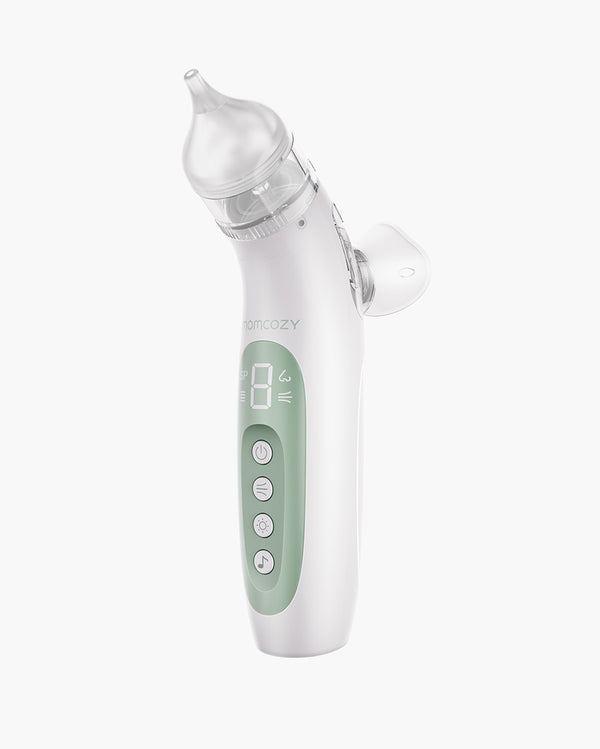
Konstrukcja 2 w 1
4 Poziomy Ssania
Spryskiwanie Delikatną Mgiełką
Klasa Szpitalna

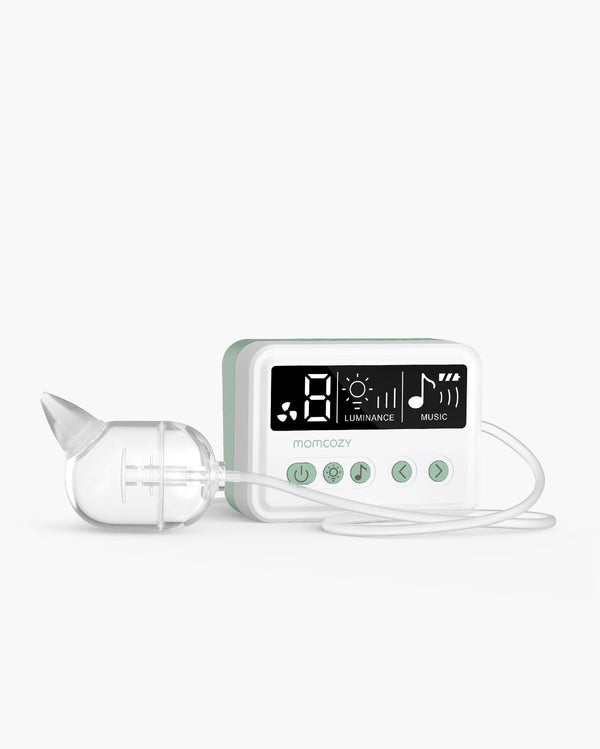
€71,99 EUR
9 poziomów ssania
3 rodzaje końcówek
Łatwe czyszczenie
Klasa szpitalna
Powód, dla którego jest tak skuteczny:
- Zintegrowany spray solny rozprasza lepką flegmę i resztki refluksu.
- Śluz jest skutecznie usuwany przy ustawionym poziomie odciągania na bezpieczne poziomy.
- Jest cichy, zmywalny i ładowalny, a jego stosowanie jest zalecane codziennie.
Jego użycie:
- Rozluźnij śluz, spryskując małą dawką soli fizjologicznej.
- Opróżnij nozdrza za pomocą końcówki ssącej.
- Powtarzaj w porach karmienia przed snem.
To przyniesie Twojemu dziecku natychmiastowe korzyści, umożliwiając mu łatwiejsze oddychanie i jedzenie.
2. Po karmieniu trzymaj dziecko w pozycji pionowej
Jedną z najprostszych metod łagodzenia objawów, takich jak objawy refluksu u niemowląt, jest utrzymywanie dziecka w pozycji pionowej przez 20–30 minut po karmieniu.
Możesz:
- Trzymać dziecko na klatce piersiowej
- Używać chusty lub nosidła
- Posadzić swoje dziecko na pionowym krzesełku do karmienia krzesełko do karmienia (tylko w czasie czuwania)
Grawitacja pomaga utrzymać pokarm w żołądku i zmniejsza cofanie się treści.
3. Podawaj mniejsze, częstsze posiłki
Nadmierne karmienie może zwiększać ciśnienie w żołądku dziecka i powodować częstszy refluks.
Zbyt duże porcje mogą nasilać objawy, dlatego ważne jest odpowiednie refluks u niemowląt leczenie poprzez zmianę schematu karmienia. Warto spróbować:
- Zmniejszone objętości przy każdym karmieniu
- W połowie i na końcu każdego karmienia, odbijanie (burping)
- Co 2-3 godziny, w zależności od wieku i apetytu.
- Używaj smoczków o wolnym przepływie dla dzieci karmionych butelką , aby zminimalizować ilość powietrza, które wdychają i spowolnić tempo karmienia.
4. Nie kładź dziecka płasko zaraz po jedzeniu
Leżenie na plecach bezpośrednio po karmieniu może nasilać cichy refluks u niemowląt. Lepiej trzymać je w pozycji pionowej, gdy są czujne, w bujaczku, Leżaczek bujaczek dla dzieci lub Wózek spacerowy.
Uwaga: Nie kładź żadnych poduszek na materacu dziecka ani nie używaj klinów w łóżeczku. Nie powinny być używane do spania, ponieważ mogą prowadzić do uduszenia, jak podaje Amerykańska Akademia Pediatrii.
5. Doświadczenie czasu na brzuszku, pozycjonowanie w czasie czuwania
Regularny czas na brzuszku wspiera rozwój dziecka i pomaga w naturalnym oczyszczaniu dróg oddechowych, co może być pomocne przy refluks u niemowląt. Maksymalnie kilka minut dziennie, a później możesz dodać więcej czasu, aby pomóc dziecku stać się silniejszym.
6. Monitoruj dietę mamy (w przypadku niemowląt karmionych piersią)
W niektórych przypadkach przyczyny refluksu u niemowląt mogą być związane z dietą mamy karmiącej.Gdy karmisz piersią i Twoje dziecko wykazuje oznaki zalegania pokarmowego, możesz rozważyć czynniki w swojej diecie. Niektóre wrażliwe dzieci mogą rozwijać objawy po spożyciu nabiału, kofeiny lub pikantnych lub kwaśnych potraw. Powinna być rozmowa z pediatrą przed odrzuceniem grup pokarmowych, a Ty powinieneś sprawdzić reakcję swojego dziecka w przypadku zmian.
Czy można zapobiec zaleganiu pokarmowemu u noworodków?
Choć w wielu przypadkach zaleganie pokarmowe u noworodków nie może być całkowicie uniknięte, ponieważ często jest naturalnym etapem rozwoju związanym z refluks u niemowląt, istnieją sposoby, aby zmniejszyć jego nasilenie. Warto wdrożyć proste działania, które wspierają codzienne leczenie refluksu u niemowląt i poprawiają komfort dziecka.Niektóre sposoby na zmniejszenie możliwości przelania się mleka do jamy nosowej to karmienie dziecka w pozycji pionowej, podawanie mniejszych posiłków częściej i odbijanie po karmieniu.
Dobrze dobrane przyleganie do piersi lub smoczki o wolnym przepływie pomagają ograniczyć połykanie powietrza, co zmniejsza ryzyko cofania się pokarmu. Po karmieniu warto trzymać dziecko w pozycji pionowej przez 20–30 minut – grawitacja wspiera wtedy utrzymanie mleka w żołądku. Pomocne może być również delikatne oczyszczanie nosa przy użyciu aspiratora oraz soli fizjologicznej, co pozwala utrzymać drogi oddechowe drożne i ograniczyć podrażnienia.
Choć te działania nie zawsze całkowicie eliminują problem, mogą znacząco zmniejszyć jego intensywność i zapobiec nasileniu objawów.
Kiedy zadzwonić do pediatry?
W niektórych sytuacjach konieczna jest konsultacja lekarska, zwłaszcza gdy pojawiają się nasilone objawy refluksu u niemowląt lub podejrzenie cichy refluks u niemowląt.
Uzyskaj pomoc medyczną, gdy Twoje dziecko:
- Ma istniejące lub postępujące ciężkie zaleganie
- Ma trudności z oddychaniem lub sinieje
- Przestaje jeść lub wymiotuje gwałtownie
- Ma niską przyrost masy ciała
- Wydaje się zmęczone lub wyjątkowo senne
- Zielony lub żółty katar (może być oznaką infekcji)
Podsumowanie
Zazwyczaj refluks u niemowląt osiąga największe nasilenie około 4. miesiąca życia i stopniowo ustępuje do 12. miesiąca, choć każde dziecko rozwija się indywidualnie. Zrozumienie, co to jest refluks u niemowląt, pomaga rodzicom lepiej reagować na objawy i wspierać dziecko w codziennym funkcjonowaniu. Choć refluks u niemowląt może być wyzwaniem, odpowiednie nawyki i drobne zmiany w rutynie często przynoszą wyraźną poprawę. Jeśli jednak coś budzi Twój niepokój, warto zaufać intuicji i skonsultować się z pediatrą – szybka reakcja daje większy spokój i bezpieczeństwo.








