Key Takeaways
- When stool leaks out of your baby’s diaper, through their back, legs, or loose waistband gaps, that is when a newborn blowout happens.
- Newborn blowouts are common because early stools can be frequent, loose, and harder for diapers to contain.
- Repeated blowouts may mean that you need to do a diaper fit check first before you assume the diaper is the main problem.
- It is much easier to manage public blowouts if you have a portable mat, wet bag, plastic bags, wipe, and spare clothes ready with you.
- Blood, mucus, fever, dehydration signs, poor feeding, or persistent diarrhea should be discussed with a healthcare professional.
A newborn blowout can make a simple diaper change into a full cleanup job. Having wipes, spare clothes, plastic bags, and an odor-lacking diaper pail or diaper trash pail near to the changing area of your baby really helps. A diaper pail with odor control that works with most standard 13-gallon household trash bags can also make blowout cleanup quicker and more convenient without requiring special refill bags. Most blowouts come from loose stool, diaper fit issues, full diapers, or movement, not from one single mistake.
This guide explains what a newborn blowout is, why it happens, how to clean one up, what to pack for outings, and when repeated blowouts may need a pediatrician’s advice.
What Is a Newborn Diaper Blowout?
A newborn diaper blowout is when your baby’s poop escapes the diaper instead of staying inside of it. Once it leaks, it may go to their back, out the leg openings, through the front, or onto clothing, bedding, a stroller, or in your car seat cover.
It is only a small leak when it is limited to the diaper edge or a little clothing. A full blowout can ruin your baby’s outfit, their changing pad, blanket, and even the car seat fabric. Most parents often use “newborn blowout,” “baby blowout,” “poop blowout,” and “diaper blowout” to describe the same problem.
It can be overwhelming at first to experience blowouts for the first time. Be ready because occasional blowouts are likely to happen in early baby care. This is especially true when the stool is loose or their diaper does not fit well. The key here is to protect the skin of your baby, clean contaminated surfaces, and check the fit before the next change.
Why Newborn Diaper Blowouts Happen
Newborn poops tend to be frequent and, sometimes loose. Breastfed newborn stools are seedy or runny, while formula-fed newborn stools may also change during the early weeks. It is totally a struggle for a diaper to contain loose stool, compared to thicker stool.
Another reason why blowouts happen is because of the diaper fit. There might not be enough back or leg coverage if the diaper is very small. A diaper that is very large for your baby may leave gaps at their waist or thighs. Additionally, tucked-in leg cuffs can also make paths for leak.
A blowout may also happen after a longer gap between changes, after a feeding, during gas, or while your baby sits in a car seat. Sitting pressure does not create stool, but it can push loose stool toward the weakest part of the diaper.
If loose stools suddenly become more frequent, watery, or come with poor feeding, fever, mucus, or blood, use caution. HealthyChildren.org notes that sudden increases in stool number or looseness can point to diarrhea, especially when other symptoms appear. Read the HealthyChildren diarrhea guidance.
Diaper Fit Problems That Cause Blowouts
Before changing brands, check the current diaper fit. Many repeated blowouts come from size, body shape, fastening, or cuff placement.
Start with the waistband. It should sit evenly and feel snug, not tight. If the tabs barely reach or the diaper sits low on the back, the diaper may be too small.
Next, check the legs. The cuffs should be pulled out around both thighs. If they are tucked in, stool can escape around the legs even when the diaper size is otherwise correct.
Weight ranges on diaper boxes are helpful, but they are not the whole answer. Some babies size up earlier because of long torsos, chunky thighs, narrow waists, or frequent large stools.
For a deeper fit guide, use the diaper size chart by weight as the dedicated cluster page instead of repeating every size detail here.
Blowout Cause Table: What It Looks Like and What to Try First
Use this table as a quick troubleshooting guide. It does not diagnose health issues, but it can help you decide what to check before the next diaper change.
|
Blowout Pattern
|
Possible Cause
|
What to Check First
|
What Not to Assume
|
|
Poop up the back
|
Low back coverage, full diaper, or pressure while sitting
|
Raise the back panel, check size, and change sooner after poop
|
Do not assume the brand is the only issue
|
|
Leaks around the legs
|
Loose leg gaps or tucked cuffs
|
Pull cuffs out and check thigh fit
|
Do not size up without checking gaps
|
|
Front leak
|
Uneven tabs or diaper positioned too low
|
Center the diaper and fasten tabs evenly
|
Do not overtighten the waistband
|
|
Daily blowouts
|
Wrong size, poor fit, loose stool, or change timing
|
Check size, brand fit, stool pattern, and frequency
|
Do not ignore repeated watery stools
|
|
Car-seat blowout
|
Sitting pressure with a full or loose diaper
|
Change before travel and check back coverage
|
Do not treat the car seat as the cause of stool
|
|
Overnight blowout
|
Longer stretch, absorbency limit, or late-night stool
|
Use a fresh diaper before sleep and check fit
|
Do not use unsafe inserts or loose padding
|

What to Do First When a Blowout Happens at Home
Stay calm and keep your baby safe first. Place your baby on a protected surface, such as a changing pad, towel, or disposable liner. Keep one hand near your baby if the surface is raised.
Open the cleanup supplies before removing clothing. You may need wipes, a fresh diaper, a spare outfit, a plastic bag, and a towel. If the blowout is large, a bath may be easier than using many wipes.
Remove clothing slowly. If the outfit has envelope shoulders, you may be able to pull it downward instead of over the head. If you keep a diaper pail beside your changing station, you can dispose of dirty diapers and wipes immediately without leaving your baby's side, helping keep cleanup organized and contained. This can reduce the chance of spreading stool toward the face or hair.
Clean the skin gently. Avoid scrubbing. If stool is stuck to the skin, use fresh wipes, a damp cloth, or a gentle rinse. Pat the skin dry before fastening the clean diaper.
How to Clean Baby, Clothes, and Surfaces After a Blowout
After your baby is clean and safe, handle the mess in zones. This makes the cleanup less overwhelming and helps reduce cross-contamination.
Clean your baby first
Use fresh wipes or a damp cloth. Clean from front to back, and check skin folds around the thighs. If the diaper area looks irritated, use gentle pressure and avoid scented products.
HealthyChildren.org recommends frequent diaper changes, gentle cleaning, and barrier paste when diaper-area skin is irritated. Review its diaper rash guidance.
Separate dirty clothes
Place poop-covered clothes in a wet bag, plastic bag, or laundry bag. Keep them separate from clean diapers, bottles, pacifiers, and spare outfits.
Clean the surface
Wipe visible stool from waterproof surfaces first. Then clean and disinfect the surface according to the product label. If the cover is fabric, remove it and replace it with a clean one.
The CDC’s diaper-changing guidance says dirty diapers and wipes should go into a plastic-lined, lidded trash can, and contaminated waterproof surfaces should be cleaned and disinfected. See the CDC diaper-changing steps.
Follow manufacturer instructions for car seats and strollers
If stool reaches a car seat, stroller, or carrier, follow the manufacturer’s cleaning instructions. Straps, buckles, inserts, and padding may have specific rules. Do not soak parts unless the manual allows it.
How to Handle a Newborn Blowout in Public
A public blowout is stressful because you have less space, fewer supplies, and less control. A simple order of operations helps.
First, create a clean zone with a portable changing mat or disposable pad. Place bags within reach before opening the dirty diaper. Keep clean clothes away from the contaminated area.
Next, clean your baby and seal the dirty diaper and wipes. Put poop-covered clothing in a wet bag or sealed plastic bag. Dress your baby before cleaning the surrounding area.
If you are in a car, the trunk or back seat may be the most practical flat surface. If you are in a restroom, use the changing table with your own mat when possible.
Do not worry about making the change look perfect. The goal is containment: clean baby, bag mess, protect clean items, and wash or sanitize your hands.
What to Pack for Blowout Cleanup Away From Home
A blowout kit should be compact but complete. You do not need to carry the whole nursery. You need enough supplies to clean your baby, contain the mess, and leave with clean clothing.
|
Item
|
Why It Helps During a Blowout
|
|
Extra diapers
|
Lets you re-diaper after cleanup and handle another change later
|
|
Plenty of wipes
|
Handles baby, surface, and caregiver cleanup
|
|
Portable changing mat
|
Creates a clean zone in restrooms, cars, or strollers
|
|
Disposable pad or towel
|
Protects surfaces during large messes
|
|
Two or three spare outfits
|
Gives backup if one outfit is not enough
|
|
Wet bag or plastic bags
|
Separates dirty clothes from clean items
|
|
Hand sanitizer
|
Helps when soap and water are not immediately available
|
|
Paper towels
|
Useful for larger messes or surface cleanup
|
|
Spare caregiver shirt
|
Helpful if the blowout reaches your clothing
|
How to Prevent Newborn Diaper Blowouts
There is no way you can prevent every blowout of your baby, especially when in their newborn stage. What you can do is reduce the chances of it from happening by improving the fit, changin the diaper right away, and preparing even before high-risk moments.
Check the diaper size if blowouts happen often. A size up may help when the diaper sits too low, tabs are stretched, or stool escapes up the back. A different brand fit may help if the waist or thighs gap.
Pull out the leg cuffs every time. Fasten tabs evenly. Make sure the diaper back is high enough before closing the front.
Change poopy diapers promptly. Stool can irritate skin and is more likely to spread when your baby keeps moving in a soiled diaper.
For a related timing guide, link readers to how often to change a newborn diaper instead of turning this article into a frequency article.
Before a car ride, stroller walk, or nap routine, check whether the diaper is already wet or soiled. Starting with a fresh, well-fitted diaper can reduce some travel-related messes.
Dirty Diaper Disposal After a Blowout
A blowout creates more waste than a normal diaper change. You may use extra wipes, disposable liners, paper towels, and sometimes multiple diapers. Fast containment matters for odor and hygiene.
At home, place used wipes inside the dirty diaper when possible. Roll the diaper closed and put it in a lidded trash can, diaper pail, or diaper trash pail. A nearby diaper pail with one-handed operation can make disposal easier, especially when you're cleaning up a messy blowout while keeping one hand on your baby. Keep soiled clothing separate in a wet bag or laundry bag.
If you are deciding whether a dedicated pail belongs in the nursery, start with how to choose a diaper pail or this best diaper pail buying guide for broader buying context.
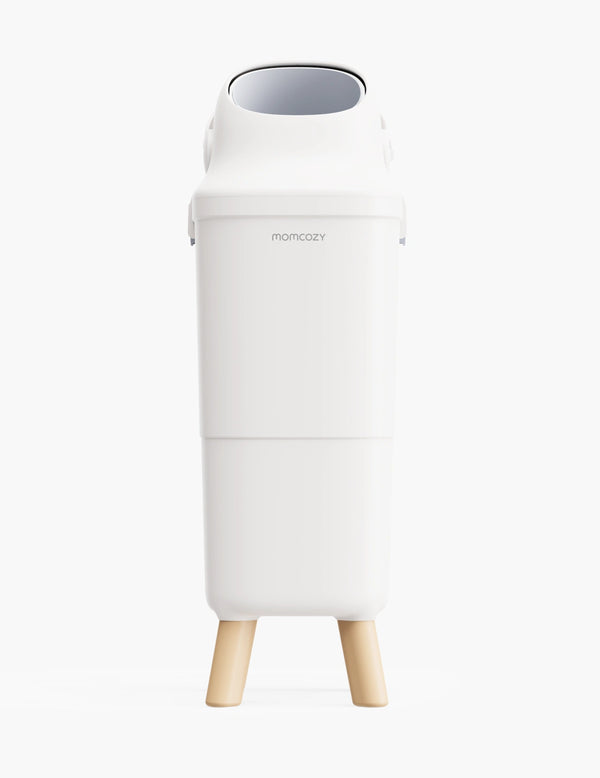
According to the current Momcozy product page, the Momcozy Triple-Seal Diaper Pail works with most standard 13-gallon trash bags and uses a patented triple-seal odor-locking system, clamp bag seal, 22L capacity, dual child safety locks, and a removable top for easier cleaning. Its one-handed rotating handle, extra-wide opening, and transparent viewing ball also make it easier to dispose of messy diapers and check when it's time to empty the pail during busy newborn routines.
Position the pail near the changing area, but do not use it for soiled clothing. Clothing should go into a wet bag or laundry bag so it can be washed properly.
For maintenance, use the dedicated guides on how to clean a diaper pail and how to keep a diaper pail from smelling after heavy diaper use.
Maîtrise intelligente des odeurs
Filtre désodorisant remplaçable
Élimination sans contact
Couvercle rotatif pratique
Pince brevetée
Ouverture extra-large
Grande capacité
Matériaux sûrs pour bébé et recyclables
When Frequent Blowouts May Need a Pediatrician’s Advice
Most occasional blowouts are not automatically alarming. They are usually because of loose newborn stool, diaper fit, or a change that happened a little too late.
Still, repeated watery blowouts can sometimes overlap with diarrhea or illness. Contact a healthcare professional if you notice blood, mucus, fever, poor feeding, unusual sleepiness, fewer wet diapers, signs of dehydration, or persistent watery stool.
HealthyChildren.org notes that diarrhea can be harder to identify in breastfed babies because normal stools may be loose. Sudden increases in stool number or looseness, especially with fever, poor eating, blood, mucus, or signs of dehydration, deserve medical attention. Read the symptom guidance.
Do not try to diagnose allergies, infections, or intolerances from blowouts alone. Track what you see, take photos if your pediatrician asks, and follow professional guidance.
Common Mistakes That Make Blowouts Harder to Manage
One common mistake parents make is waiting too long to check the fit. If blowouts are always happening, check the waistband, tabs, leg cuffs, and back coverage before you buy a very large supply of the same size.
The second mistake is overpacking clean items together with dirty items. Keep bags ready so stained clothes and used wipes never touch clean diapers, pacifiers, or bottles.
The third mistake is cleaning the baby but forgetting the surface. If stool touches a changing pad, car seat cover, or stroller fabric, clean that item according to its care instructions.
The fourth mistake is treating every blowout like a diaper failure. Sometimes the problem is looseness of the stool, the position of your baby, the change timing, or a body-shape mismatch with that specific diaper cut.
How Blowout Articles Fit Into the Newborn Diaper Cluster
This article should stay focused on blowout causes, cleanup, prevention, and disposal. It should not become a full newborn diaper-changing tutorial, diaper stock-up guide, or size-chart article.
For setup questions, send readers to diaper changing station essentials. For diaper bag or pail questions, point them to diaper pail refill bags or nappy bin vs diaper pail when the terminology is relevant.
This separation helps each article answer a specific search intent. It also gives parents a clearer path from immediate cleanup to prevention, then to nursery setup and disposal planning.
FAQ
Are newborn blowouts normal?
Yes, occasional newborn blowouts are common. Early stools can be loose and frequent, and a small fit gap can let stool escape.
Should I size up if every poop is a blowout?
It may help, but check the waist, back coverage, leg cuffs, and tab placement first. A different brand fit may also help.
Do blowouts mean the diaper brand is bad?
Not necessarily. Baby body shape, diaper size, stool consistency, fastening, and movement can all affect containment.
Can a car seat cause a diaper blowout?
A car seat does not cause stool, but sitting pressure can push loose stool toward gaps in a full or poorly fitted diaper.
Can cloth diaper covers help contain blowouts?
They may help some families add containment, but fit, laundry routine, and correct use still matter.
Do diaper blowout blockers or extenders work?
They may help in some situations, but they should not replace correct sizing, leg-cuff checks, and prompt changes.
What should I do with poop-covered clothes in public?
Put them in a wet bag or sealed plastic bag, keep them away from clean items, and wash them as soon as practical.
Conclusion
Newborn diaper blowouts are messy, but they are usually manageable with a calm routine. Clean your baby first, contain dirty items, protect clean supplies, and check diaper fit before the next change.
If blowouts keep happening, look at size, tab placement, leg cuffs, stool consistency, and change timing. If watery stools come with blood, mucus, fever, poor feeding, fewer wet diapers, or other concerning signs, contact a healthcare professional.
For home cleanup, a blowout-ready changing area should include diapers, wipes, spare clothes, sealed disposal bags, and a diaper pail or diaper trash pail for dirty diaper odor control. Choosing one with patented triple-seal odor control, one-handed operation, and compatibility with standard household trash bags can make frequent blowout cleanup more convenient while helping keep nursery odors contained. The next step is not buying more gear first; it is building a routine that keeps your baby clean, safe, and easier to change.