


Curious as to when your obese pregnancy bump will pop on you? When you get pregnant while already overweight, your belly may not be that different right away, and it may not be as round as the shape you see in pregnancy pictures.
There’s no timing for when plus-size women should show. The time when you start to show in your pregnancy can also vary depending on your body type, how your weight is distributed throughout your body, how toned your abdominal muscles are, and the position of your baby. Knowing what influences your bump may also prepare you for what to expect from your body as it changes.

Obese Pregnancy Bump: What to Expect
An obese pregnancy bump has not one but many possible timelines for bump visibility. If you have a layer of fat over your abdomen, the uterus may be more difficult to see as it enlarges during the early stages of pregnancy, which means that your pregnancy may not look like that of another woman at the same gestational age.
You may start to see your waistline widen a bit or your clothes fit a little differently before you have an obvious baby bump. Your bump may become more defined little by little as your uterus grows and rises up.
The size and shape will also change based on your body and the progression of your pregnancy. A bump that appears to be smaller, bigger or less round doesn't tell you how your baby is developing in the womb. Your prenatal visits offer a far better way to keep tabs on your pregnancy and your baby's progress.
When Do Plus-Size Women Show in Pregnancy?
There isn’t a specific week at which a plus-size pregnancy bump will suddenly make an appearance. Your belly is likely to start shifting slowly, and you may notice the initial changes a little more readily in how your clothes feel than what you see in the mirror.
Here is a general expectation for how it may go:
- Weeks 1-12: You don't have a baby bump yet—your waist may be starting to get a little wider, however. You may feel bloated, which can make your stomach appear bigger, but your uterus is still very small and is located low down in your pelvis.
- Weeks 13-16: The uterus starts to migrate higher and out of the pelvic cavity. You might feel some fullness in your lower belly, even if you don’t yet see an obvious bump.
- Weeks 17-20: Roughly half of women begin to show more of a bump at this stage in their pregnancy. The bump is much less noticeable if you already have a lot of weight around your stomach.
- Weeks 21-27: The bump slowly becomes more apparent as the uterus grows. You'll actually have a change in the shape of your stomach and in the way your clothes fit.
- From 28 weeks and on: Your pregnancy bump might be more and more apparent, but there are wide differences between women when it comes to the size and shape of their bump.
These are broad phases, rather than cut-off points. A woman who is heavier before pregnancy may simply show later, as the growing uterus is less visible through layers of belly fat.
Bloating vs. Baby Bump: How Do I Tell the Difference?
You may have a bigger belly at the beginning of pregnancy, even before you have a baby bump. Hormonal changes can also slow digestion, causing bloating, gas, or constipation.
The biggest difference is how the change acts. Bloating is a spotty phenomenon and can even change in visual appearance from morning to night. Pregnancy bumps become more stable as the uterus grows.
You do not have to try to solve this by staring at your belly every day. Your prenatal provider can give you a much more accurate answer if you are concerned about how your pregnancy is advancing.
Obese Pregnancy Bump Shapes: D-Belly vs. B-Belly
Pregnancy bumps aren’t all shaped the same. You might hear these terms, D-belly or B-belly, to describe the shape of a pregnant tummy from a side view.
A D-belly is a fuller and more rounded curve that is projected forward. The B-belly has a crease or indentation in the middle of it, which looks like the letter B. This can be even more defined in a person who carries more weight in their stomach, as this is often where a person naturally holds their weight.
Neither contour presents an issue on its own. Your bump does not need to be a perfectly round ball for your pregnancy to be going well.
Influences on Plus Size Pregnancy Bump Shapes
How your bump looks can change depending on where your body carries the pregnancy. Typical influences are the following:
- Where you hold your weight: Weight in the upper and lower belly can influence the shape of your bump.
- Abdominal muscles: The tone of your muscles can affect how your belly appears as the uterus grows.
- Baby's position: The way your baby is positioned can make your belly look different at various points in your pregnancy.
- Height and torso length: There may be more space for the uterus to expand upward before the belly protrudes outward with a longer torso.
- Pregnancies before: Your first pregnancy might look different from your subsequent pregnancies since your body changes as time goes by.
Your baby bump may also change in size and shape from week to week. There is no one size or shape that a plus-size pregnancy belly needs to have. Your healthcare provider can monitor your baby’s growth during prenatal visits with measurements and tests, so you don’t have to go off bump shape alone.

Does Being Overweight Affect Pregnancy?
Women with overweight or obesity before pregnancy are at higher risk for complications including gestational diabetes, gestational hypertension, preeclampsia, preterm birth, and cesarean delivery. These are the conditions ACOG deems potentially associated with obesity in pregnancy.
It does not mean that you will necessarily experience complications. Risk is individual, and other things such as your overall health and existing medical conditions also matter. Some risks are higher, so prenatal care becomes even more important. Your healthcare provider may monitor your blood pressure, blood sugar, baby's growth, and other signs of the progression of your pregnancy more closely.
Obesity is a contributory factor to some pregnancy risks, but the NHS [a]says most pregnancies can still end in a healthy baby. Your weight is one aspect of your health history, but it doesn’t tell the whole story for your pregnancy.
Weight Gain During an Obese Pregnancy
Weight gain during pregnancy looks different from one woman to another, but your starting BMI helps set a recommended range. For a singleton pregnancy, women who begin pregnancy with a BMI of 30 or higher are generally advised to gain 11–20 pounds in total, according to CDC guidance.
That's a pregnancy-long guideline, not a target to rush toward. Weight gain is generally minimal in the first trimester and then increases, so the weight at one appointment is not necessarily representative.
How much you should be gaining depends on a lot of things, including how much you weigh when you get pregnant, your overall health, and how your baby is growing—and your health care provider can tell you if your weight gain is tracking toward a healthy pregnancy. The ACOG recommends individualized counseling for diet, physical activity, and gestational weight gain.
Most of all, don’t try to lose weight by going on a restrictive diet while you’re pregnant unless your doctor has told you to do so. If your weight is moving faster than you want it to in either direction—either gaining or losing—talk about it with your healthcare provider at your prenatal visit rather than trying to handle it on your own.
How to Have a Healthy Plus-Size Pregnancy
You don't need to fixate on the scale for all nine months to have a healthy pregnancy. Just eat well, exercise when you can, keep your prenatal appointments, and sit back and enjoy your body changing and growing.
Focus on a Healthy Balanced Diet
You don't have to follow a super strict pregnancy diet or cut out all the foods you love. Instead, aim for most of your meals and snacks to be a mix of healthy foods—vegetables, fruits, whole grains, protein foods, and foods with calcium and other nutrients you need.
Some days are more even going than others, and that’s fine. For some people, if you have gestational diabetes or another condition that impacts what you need to eat, your health care provider or a registered dietitian can work with you to develop a meal plan that meets your needs during pregnancy.
Stay Physically Active
Unless your healthcare provider tells you otherwise, some pregnancy activity is good for you. Pregnant women without medical complications are advised by the CDC to get at least 150 minutes of moderate-intensity aerobic activity each week.
Pregnancy shouldn’t be viewed as a workout regimen. You are allowed to go on walks, swim, participate in moderate prenatal exercise, or simply stand up and move about throughout the day. Rest as needed, particularly if you aren’t used to being active prior to your pregnancy.
Keep Up With Prenatal Appointments
Prenatal care is the best care you can give yourself and your baby. Your provider can check your blood pressure, test your blood sugar if needed, monitor your baby's growth, and watch for any issues that arise.
The risks of pregnancy are higher if you are obese, and your provider may advise additional monitoring or testing. The appointments are for your health and your baby's growth, not the digits on the scale.
Make Comfort Part of the Plan
Your changing body can alter the way you sit, sleep, walk and move all day long. You may begin to experience lower backache, you may be developing a big belly, and standing for long periods may wear you out.
Just a few minor adjustments could change everything. Wear comfortable clothing, pay attention to your body and rest when it asks you to, and don’t sit in one place for too long—stand up and move around.
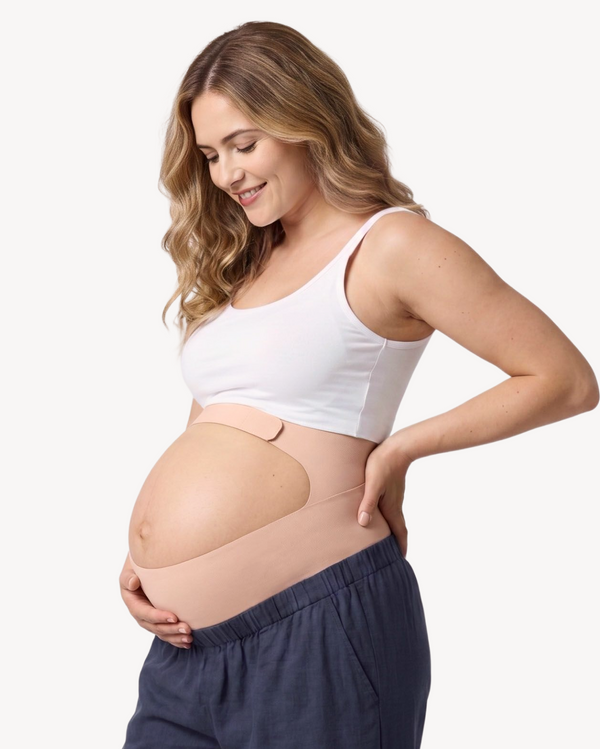
You can also try using a pregnancy belly band for support as your bump grows. The Momcozy Go As You Grow™ Maternity Belly Band is made to adjust to your ever-changing belly. You can also explore Momcozy pregnancy belly bands for other choices. Pick one that you can feel supported in, but not one that will push into your stomach and cause pressure.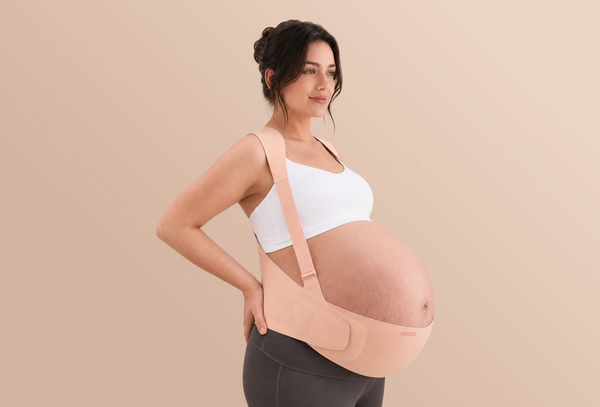
 Member price
De$79.99
Member price
De$79.99
$86.00code ÉCONOMISEZ 10%
FAQ
Will My Baby Bump Show if I'm Overweight?
Yes. A baby bump is possible at any weight. It just takes longer for the bump to show if you carry more weight around your abdomen.
Why Some Obese Pregnancy Bumps Show Later
More tissue around the abdomen can make the growing uterus harder to see in the earlier months. Your body shape also affects when your bump becomes more defined. Showing later does not necessarily mean something is wrong. Prenatal visits are an easier way to monitor your baby's development.
If I Never "Show" During Pregnancy, Is That a Problem?
Not really. Some women never get a big round bump. Bring up any concerns to your OB during a prenatal appointment if your belly just doesn’t seem to be growing or the pregnancy seems off for some reason. Your provider can monitor your baby's growth.
Is It Harder to Give Birth if You Are Obese?
Obesity is linked to higher chances of induction and cesarean delivery, and it can also make anesthesia and certain phases of delivery more challenging. Vaginal delivery is possible for you, although it depends on your individual pregnancy and labor.
Can I Have a Healthy Baby if I'm Overweight?
Yes. A little extra weight doesn't mean that you're going to have an unhealthy baby. Being overweight does pose an increased risk of some complications, so you might require additional monitoring during your pregnancy.
Is It Possible to Get Pregnant at 400 Pounds?
Yes. It’s entirely possible to get pregnant at 400 pounds. Weight is just one of many factors that may impact some women’s fertility, but it isn’t the only one. Your height, age, health conditions, medications, and history of fertility treatment also influence this number. A preconception visit can prepare you for pregnancy.
Is 400 lbs Morbidly Obese?
Weight by itself does not suffice to place an individual within an obesity category; BMI also accounts for height. Class 3 obesity is defined as a BMI of 40 or greater in adults. 400 pounds is not necessarily too much or too little; it depends on the person's height.
Is It Harder to Lose Weight After Pregnancy?
It can take a while. Recovery from childbirth, sleep disruption, feeding, hormones, and activity levels all play a part in postpartum weight. There’s no need to rush the weight loss. Your doctor can inform you when it is safe.
Is It Normal to Gain 20 Pounds by 20 Weeks of Pregnancy?
It does happen, but it may be above the recommended range for a person who started a singleton pregnancy at an obese weight. The CDC recommends a weight gain of 11–20 pounds for the entire pregnancy for women with a BMI of 30 or more at the beginning of pregnancy. If you experience a sudden gain in weight, it’s time for a talk with your provider.
What Trimester Do You Gain the Most Weight?
Weight gain during pregnancy is typically gradual in the early stages, but speeds up during the middle and late stages. This can be different for each woman. How much you are recommended to gain also depends on your BMI before pregnancy.
Is It Normal to Gain 40, 50, 60, or 70 lbs While Pregnant?
Those amounts can occur, but they are above the recommended total for someone who began a singleton pregnancy with obesity. The CDC recommends 11–20 pounds for this group throughout pregnancy. If you have gained too much weight, tell your health care provider, and do not try to lose weight while you are pregnant.
What Are the Common Causes of Excessive Weight Gain During Pregnancy?
Pregnancy fat is more than just body fat. You have extra pounds from your baby, placenta, amniotic fluid, and blood volume, as well as breast tissue. Diet, activity levels, fluid retention, medications and some diseases can also influence weight. If you have a sudden increase in weight accompanied by swelling, headache, visual disturbances or high blood pressure, get medical help immediately.
How Can I Slow Down Weight Gain During Pregnancy?
Try to eat regularly, keep your portions balanced, limit sugary drinks and stay active with pregnancy-safe activity, rather than turning to strict crash dieting.. Your prenatal care provider can also track your weight pattern and may recommend a registered dietitian for more personalized guidance.
Can I Lose Fat While Pregnant If I'm Overweight?
Do not try to lose weight intentionally during pregnancy without medical supervision. For obese pregnant women, there is strong advice to eat well, move safely, and gain a healthy amount of weight in pregnancy. But if you are not putting on as much weight as you should and your baby is growing at a normal pace, your provider may also be able to tell you if any interventions are necessary.
Conclusion
An obese pregnancy bump may appear later, may look different, or may change shape with movement throughout pregnancy. None of that, by itself, tells you if your pregnancy is going normally.
More attention needs to be given to how your pregnancy evolves over time. Track your prenatal appointments, follow your provider's weight-gain guidance and check in at prenatal visits as your body changes.
Pregnancy can feel different when your belly grows in ways you did not expect. Knowing what is normal for your body can take some of that uncertainty out of the experience—and make it easier to focus on getting through each stage feeling supported.








