


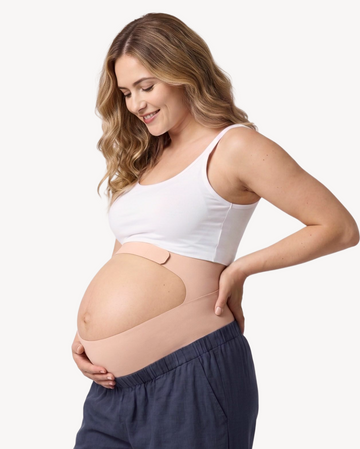
Belly hurt during pregnancy can be unsettling, even when the discomfort is mild. Many pregnancy aches are part of the changes your body goes through, but knowing what’s normal and when to call your healthcare provider can help you feel more at ease.
This guide looks at why your tummy hurts during pregnancy, what may help ease everyday discomfort, and which symptoms need medical attention.

Belly Hurt During Pregnancy: Is It Normal?
Is it normal to have belly pain during pregnancy? In many cases, yes. Abdominal discomfort is common during pregnancy, and belly hurting while pregnant can happen as your uterus grows and your body adjusts. Stretching ligaments, abdominal muscles, and skin can all contribute to mild discomfort.
Most mild pregnancy discomfort is not a cause for concern, but severe, persistent, or worsening pain can be a reason to contact your healthcare provider.
In Which Month Does Stomach Pain Start in Pregnancy?
Stomach pain can happen at different points during pregnancy, and what you feel may change as your body changes. You may notice an aching tummy early pregnancy, along with mild cramping, gas, or bloating in the first trimester, while round ligament pain is more common in the second trimester. Later on, the growing uterus, added pressure, and Braxton Hicks contractions may bring different aches or tightening.
So, does your belly hurt in early pregnancy? It can. Hormonal changes, gas, bloating, and the uterus beginning to grow can all play a part. As pregnancy progresses, the growing belly can put more strain on the muscles and supporting tissues, which may change how the discomfort feels.
Sore Tummy During Pregnancy: Common Causes
Belly hurting during pregnancy can happen for several reasons, and the cause may depend on where the pain is, what it feels like, and how severe it is. Paying attention to these details can help you better understand what may be causing the discomfort. Here are some of the more common causes:
Round ligament pain
Round ligament pain is a common cause of discomfort, especially during the second trimester. It happens as the ligaments supporting the uterus stretch to accommodate your growing belly. The pain may feel dull, sharp, or pulling on one or both sides of the lower abdomen, particularly when you make a sudden movement, stand up quickly, cough, sneeze, or strain.
Constipation and gas
During pregnancy, hormonal changes can slow digestion, which may lead to constipation, gas, bloating, and cramping. Constipation during pregnancy can cause fullness, pressure, and abdominal cramping, while gas can leave your belly feeling tight or uncomfortable.
Braxton Hicks contractions
These can happen in the second or third trimester and may feel like mild menstrual cramps or a tightening in part of the abdomen that comes and goes. They are usually irregular and don’t become stronger, longer, or closer together over time like true labor contractions. Changing your position or activity and drinking water may help ease them.
Stretching skin and abdominal muscles
As your belly grows, the skin around your abdomen stretches to make room for your growing uterus. It may feel tight or itchy, while the muscles and supporting tissues around your belly adjust to the added pressure and may feel sore or uncomfortable.
Pressure from expanding uterus
As your uterus grows, it takes up more space and puts pressure on nearby organs. Pressure on the bowels can contribute to constipation, while pressure on the bladder can make you need to urinate more often as pregnancy progresses. The added pressure can also contribute to aches and discomfort around your abdomen.
How to Relieve Pregnancy Stomach Pain
What helps can depend on what is causing the discomfort. For mild pain that your healthcare provider has said is not concerning, a few simple changes may make you more comfortable.

1. Keep moving, but don’t push through pain
A gentle walk or some light stretching may help with muscle or digestive discomfort and keep your body from feeling stiff. ACOG recommends walking and stretching as activities that can generally be safe during pregnancy, while also advising pregnant women to stop exercising and contact their ob-gyn if warning signs such as abdominal pain, dizziness, bleeding, regular painful contractions, or fluid leakage occur.
2. Change positions throughout the day
Pressure and stiffness can build up when you stay in one position for too long. If you’ve been standing for a while, sit down and put your feet up if you can. If you’ve been sitting for a long stretch, getting up for a short walk may help loosen your muscles and get things moving again.
3. Rest when your body asks for it
Pregnancy already puts extra demands on your body, so you don’t have to push through activities that are leaving you exhausted or uncomfortable. Take a break when you need one, especially if walking, exercising, cleaning, or other daily tasks are making you feel worse.
4. Give your growing belly some support
As your belly grows, the extra weight can put more strain on your abdominal muscles and lower back. A pregnancy belly band can give your bump some lift and help make everyday movement feel more supported. The Momcozy pregnancy belly bands collection includes different styles for changing support needs.
One option is the BumpEase - Momcozy Ergonest Maternity Belly Band, which combines 3D-molded support with a soft, airy design. Its structured support layer follows the natural curve of your spine, while the seamless, low-profile fit stays comfortable under clothes.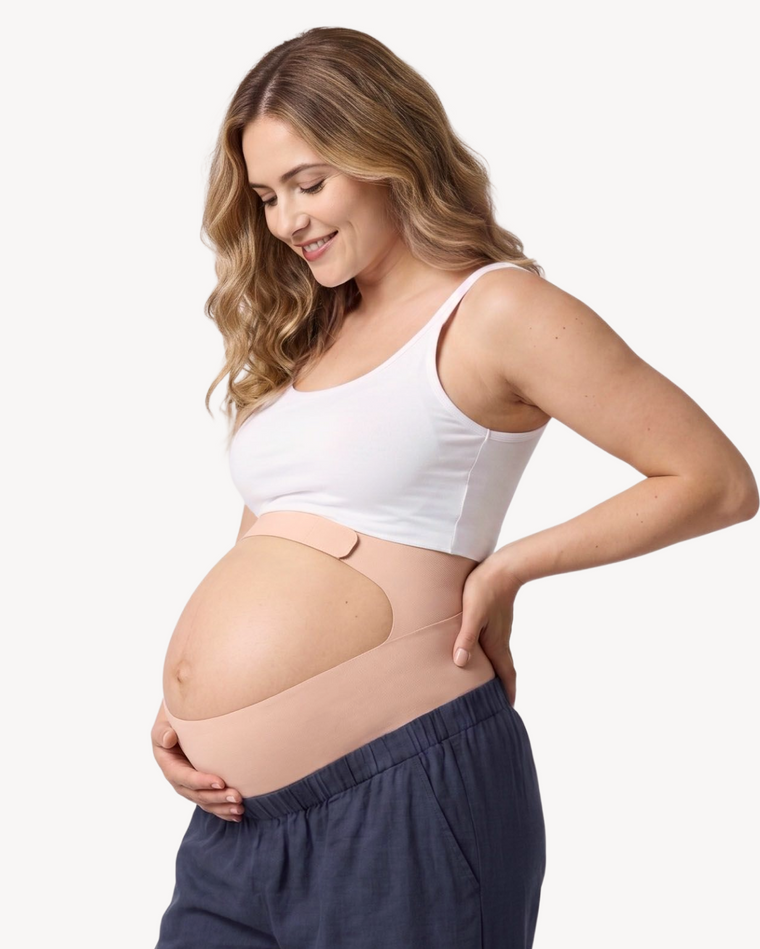 De$69.00
$87.00code ÉCONOMISEZ 10%
5. Drink enough water
Staying hydrated may help with muscle cramps and can reduce the risk of dehydration-related discomfort. Keep water nearby throughout the day and include fiber-rich foods recommended for constipation such as fruits, vegetables, and whole grains to help prevent constipation and ease stomach discomfort.
6. Be careful with pain medication
Don’t automatically reach for an over-the-counter painkiller. Some medications may not be appropriate during pregnancy or may depend on how far along you are. The FDA advises pregnant women not to use NSAIDs at 20 weeks or later unless specifically directed by a healthcare professional, so check with your doctor or pharmacist before taking medication for pain.
7. Add extra support while you sleep
Sleep can get less comfortable as your belly grows, especially when your body needs a little more support. Momcozy pregnancy pillows come in different shapes to help you find a setup that feels right, from targeted support to full-body cushioning. For instance, the Momcozy Huggable - U Shaped Maternity Body Pillow wraps around both sides of your body, supporting your belly, back, hips, knees, and feet while you rest. Its soft polyfill provides a comfortable balance of cushioning and support, while the adjustable filling lets you change the pillow’s height to suit your preferred sleeping position.

What Kind of Pregnancy Pains Are Normal?
Normal pregnancy discomfort is usually mild, comes and goes, and improves with rest or a change in position. Does your belly hurt during early pregnancy? Mild cramping, gas, bloating, or a pulling and stretching feeling can all happen as your body adjusts.
These sensations may come and go throughout pregnancy as your uterus grows and your body changes. Pain that becomes stronger, more frequent, or doesn’t ease with rest should be checked by your healthcare provider.
What Are Warning Signs of a Possible Problem During Pregnancy?
Not every stomach ache means something is wrong, but severe, persistent, or worsening pain deserves attention. The U.S. Office on Women’s Health lists several symptoms that should prompt a call to your doctor.
Seek medical care if your pain comes with:
- vaginal bleeding or heavy bleeding
- fainting or shortness of breath
- fever or fluid leaking
- regular contractions
- pain or burning when urinating
- pain under the ribs, especially on the right side, with a severe headache or vision changes
Pain in the upper right side of your abdomen with a severe headache or vision changes can be a warning sign of preeclampsia, according to the NIH.
FAQs
What Does Preeclampsia Belly Pain Feel Like?
Preeclampsia-related belly pain is usually felt in the upper right part of the abdomen, just below the ribs. It may feel sharp or persistent. Other warning signs can include a severe headache, changes in vision, or sudden swelling. ACOG lists upper abdominal pain, severe headache, and vision changes among possible symptoms of preeclampsia
Is an Upset Stomach Normal in Early Pregnancy?
Yes, an upset stomach is common in early pregnancy. A sore tummy early pregnancy can come with nausea, bloating, constipation, or a generally unsettled stomach as your body adjusts to the changes of the first trimester.
Can Stress Cause Belly Pain During Pregnancy?
Yes, stress and anxiety during pregnancy can sometimes cause physical symptoms such as stomach pain, nausea, or muscle tension. Occasional stress is common during pregnancy, but ongoing or overwhelming stress is worth discussing with your healthcare provider.
Conclusion
Does your belly hurt when pregnant? Mild stomach aches can come from the normal changes of pregnancy, including a growing uterus, stretching ligaments, and digestive changes. Most mild discomfort is common, but severe, persistent, or worsening pain—especially with fever, fainting, bleeding, unusual discharge, or contractions—needs medical attention.
A maternity belly band may help with everyday support as your bump grows, but unexplained pain should always be checked by your healthcare provider.








