


Packing everything for an occasional visit is manageable, but frequent visits can make hauling the same bulky gear back and forth frustrating. The best baby essentials for grandparents house are items that get used often, take effort to transport, can be stored safely between visits, and will stay useful long enough to justify a second set. For many families, the largest equipment decision is whether a foldable sleep-and-play space from Momcozy’s portable playards is worth keeping there permanently.

Key Takeaways
-
Frequent visits make bulky, repeatedly used gear stronger candidates for a permanent second set.
-
Grandparents do not need to recreate a complete nursery when the room serves another purpose between visits.
-
Sleep/play equipment, feeding gear, monitoring devices, and diaper supplies usually earn their place through repeated use.
-
Setup, cleaning, caregiver reach, and storage matter because grandparents may not operate the equipment every day.
-
Short-stage or caregiver-specific items such as swings, strollers, and carriers should stay optional unless they solve a recurring need.
-
Older or secondhand gear should be checked for current instructions, recalls, missing parts, damage, and stage suitability before reuse.
First Decide How Often Baby Actually Visits
Visit frequency should shape the setup before you start buying duplicate gear. Families who visit only a few times a year may find it easier to bring the main equipment and leave only inexpensive basics such as diapers, wipes, spare clothes, and feeding supplies.
As visits become more regular, the balance changes. Monthly visits may make a permanent feeding or monitoring setup useful, while weekly childcare or frequent overnights can justify larger items that are inconvenient to transport and rebuild every time. The practical trigger is repeated friction: if the same bulky item keeps being packed, forgotten, installed, or stored in the car, a second setup may start earning its space and cost.
What Should Stay at Grandparents’ House, and What Can Still Travel With Baby?
A useful second-care space focuses on the items that remove the most repeated work rather than copying everything from home.
|
Category |
Good Candidate to Keep There for Frequent Visits |
Why It May Earn a Second Set |
When Bringing It Still Makes Sense |
|
Sleep / contained space |
Playard, portable crib, or another appropriate compact setup |
Bulky and repeatedly needed for naps, play, or approved sleep use |
Visits are rare or suitable equipment is already available |
|
Feeding |
High chair and basic feeding supplies |
Used regularly once solids begin and awkward to transport |
Baby is pre-solids or visits are uncommon |
|
Monitoring |
Baby monitor |
Avoids moving and reinstalling the same camera setup |
Baby always stays in the same room as the caregiver |
|
Sound environment |
Sound machine |
Small, easy to store, and simple to leave in a guest room |
Family already carries one everywhere |
|
Diaper changing |
Diapers, wipes, spare clothes; diaper pail for frequent care |
High-use basics are easy to restock |
Short visits with simple household disposal |
|
Basic health |
Thermometer and a small familiar care kit |
Useful when minor needs come up unexpectedly |
Parents prefer to keep one personal kit |
|
Outings |
Stroller or carrier when grandparents go out with baby often |
Removes repeated loading of bulky outing gear |
Parents are usually present and already bring it |
|
Soothing / seating |
Swing only when use is frequent and storage works |
Can provide a familiar awake seating option |
Short use stage or limited storage |
The strongest duplicate candidates usually combine high use frequency with high transport hassle. Smaller or more specialized products can keep traveling with baby until repeated use shows that a second one would actually make visits easier.
Why Grandparents May Not Need a Full-Size Crib
A full-size crib makes sense when grandparents provide frequent overnight care and have a room that can stay set up as a nursery. In a guest room, office, or multipurpose bedroom, permanent crib furniture can use a large amount of space for something needed only during visits.
A mini crib or foldable playard may fit that situation better, depending on how often baby visits and how the room is used between stays. A mini crib offers a smaller permanent footprint, while a playard can be folded away when the room needs to return to another purpose. Neither format is automatically better; the right choice depends on room permanence, storage, the child’s current stage, and how frequently grandparents provide care.

Pack and Play, Mini Crib, or Full-Size Crib for Grandparents’ House?
Once you decide to keep a sleep space there, match the format to how permanent the grandparents-house setup really needs to be.
|
Option |
Best When |
Main Advantage |
Main Trade-Off |
|
Foldable playard / portable playard |
Room serves another purpose between visits and multi-stage utility matters |
Folds for storage and may support more than one approved use |
Later modes sit lower; weight and setup vary |
|
Mini crib |
Grandparents want smaller but fixed sleep furniture |
Smaller permanent footprint than many full-size cribs |
Less fold-away flexibility |
|
Full-size crib |
Childcare or overnights are very frequent and a dedicated room is available |
Permanent nursery-style setup |
Largest long-term space commitment |
Whichever format you choose, check the exact product instructions and current mode before use. The product name alone does not establish sleep approval, stage limits, or accessory use.
Grandparent-Friendly Setup Matters More Than a Long Feature List
Equipment that looks convenient on paper can become frustrating if a caregiver who uses it intermittently cannot remember how to open, lock, adjust, or fold it. A simpler setup that grandparents can repeat confidently may be more useful than a product with many features they rarely use.
Before leaving a large item there, let the grandparents operate it themselves. They should be able to tell when the frame is fully locked, use only the modes appropriate for the child, and fold or store it without guessing. Keep the manual accessible, and give removable accessories a consistent storage spot so pieces do not disappear between visits.
Nighttime and Everyday Reach Matter Too
A product’s configuration can change how far a caregiver needs to reach. Raised modes designed for an approved early stage can keep baby higher, while the deeper floor used in later playard stages naturally requires more reaching.
That difference may matter during pickups, naps, or nighttime care, especially for a caregiver who simply finds one setup easier to handle than another. Ease of reach should still stay within the product’s approved stage and instructions rather than becoming a reason to keep using an upper mode after baby has outgrown it.
Storage Is Part of the Grandparents-House Setup
A guest room often needs to become a guest room again after baby goes home, so every large item should have a real storage destination before you buy it. Measure the closet, spare-room corner, garage shelf, or other location where the gear will stay between visits and compare that space with the complete folded dimensions.
Weight matters too if grandparents will need to lift or reposition the product themselves. A foldable item can still be awkward to store if it is too tall for the closet, too heavy to move comfortably, or surrounded by accessories that need separate storage. Treat folding as one part of the storage decision rather than assuming it automatically solves the space problem.
Feeding Gear Is One of the Strongest Second-Set Candidates
Once baby starts solids, feeding equipment is used at most longer visits. A high chair is also bulky enough that repeatedly moving one between homes can become inconvenient quickly, making it one of the more practical duplicate purchases for grandparents who serve meals regularly.
The Momcozy DinerPal High Chair can fit that repeat-use role when a permanent feeding setup would reduce packing. The useful features are the ones grandparents actually need to operate and clean consistently. For occasional visits, a second full-size high chair may take up more storage space than the frequency justifies.
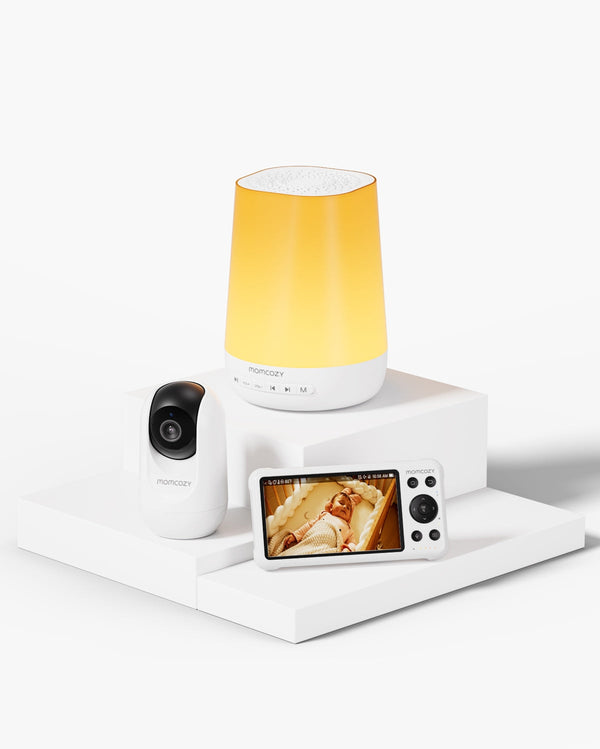

Monitoring and Sound Can Remove a Lot of Repeat Setup
Small nursery devices are easy to carry, but rebuilding the same setup every visit can still become tedious. If baby regularly naps or sleeps in a separate guest room, keeping a monitor with both a dedicated parent unit and app access at grandparents’ house means the camera can stay in place instead of being packed, remounted, and reconnected each time. The parent unit also gives caregivers a direct way to check the room without needing to use a phone for every glance.
For families that already use steady background sound at home, leaving a compact rechargeable sound machine in the guest room can make that part of the routine easier to repeat. Its portable size makes it simple to move between rooms when needed, while the 20 sound options give families room to use a familiar sound without packing another device for every visit.
The value of both products here is less repeated setup and a more familiar care environment, not a promise of better sleep. Monitor placement, mounting, cords, and sound-machine use should still follow the instructions for the exact device.
Diaper-Changing and Health Supplies: Keep the Basics, Not a Mini Store
Diapers, wipes, changing essentials, and a few spare clothes are easy items to leave at grandparents’ house because they are inexpensive, used frequently, and frustrating to run out of mid-visit. Keep enough for ordinary visits plus a small buffer, then update diaper sizes and product preferences as baby grows.
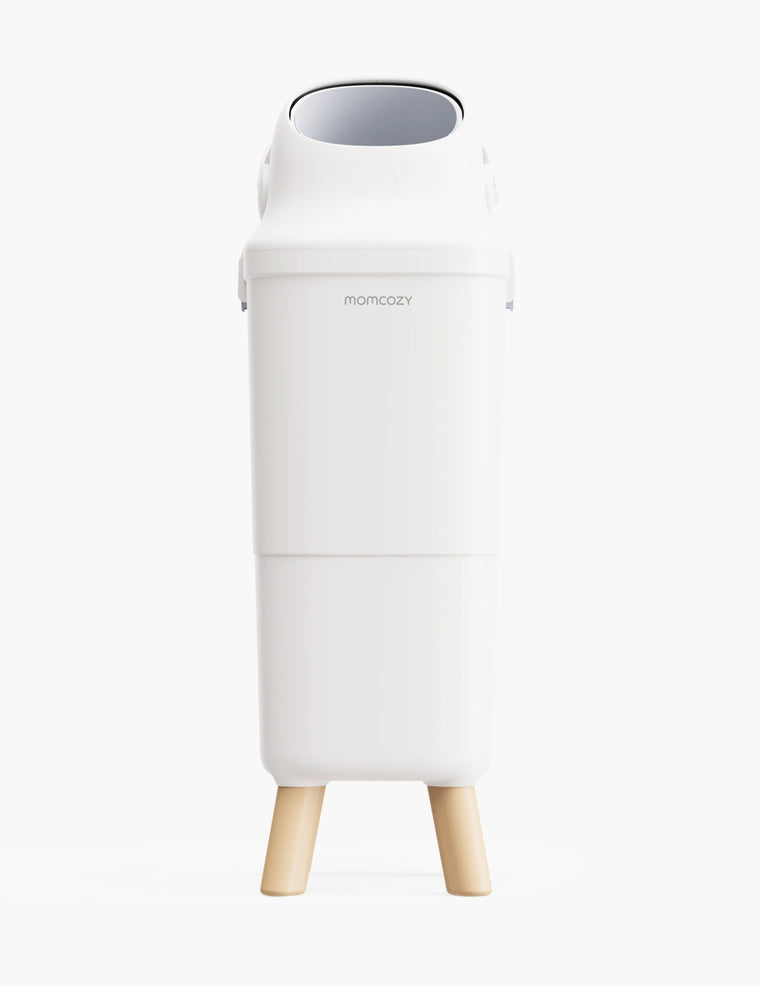
A Triple-Seal Diaper Pail can make more sense when grandparents provide frequent childcare and handle several diaper changes during each stay. A thermometer or familiar nasal-care item may also be useful as an optional backup, but specialized health equipment does not need to become part of every grandparents-house setup.
Outing Gear: Duplicate Only When Grandparents Regularly Take Baby Out
A second stroller is a larger investment than feeding or diaper supplies, so it should solve a regular transport problem. If grandparents provide childcare independently and often take baby for walks or errands, keeping a stroller there can remove one of the biggest items parents repeatedly load into the car.
A carrier uses less storage space, but it depends more heavily on individual fit and adjustment. Momcozy’s baby strollers and baby carriers are most relevant when the grandparents themselves will use that gear regularly and feel confident operating it. If parents are nearly always present and already bring outing gear, a second setup may add little value.

Swing and Nursing Pillow: Useful for Some Families, Not Core Essentials
A swing can be useful during the infant stage when a baby visits frequently and grandparents have enough storage space, but its useful window is shorter than many of the core items above. It should be treated as an awake soothing or seating option, not as a sleep space. Caregivers should follow the product instructions and supervise the baby whenever the swing is in use.
A nursing pillow is similarly dependent on the family’s routine. It may be worth keeping there when breastfeeding or bottle-feeding happens frequently and the caregiver finds the support comfortable. If either item is used only occasionally, bringing it when needed may be more practical than dedicating permanent storage space.
Before Using Older or Secondhand Gear, Run a Current Safety Check
Baby gear that has been stored for years should be checked before reuse even if it worked well for another child. Identify the exact model, find the current instructions, inspect for cracks, worn materials, missing or substituted parts, and confirm that the product still suits the child’s current size and developmental stage.
Recall status should be part of that check. The CPSC recalls database lets U.S. families search for current recall information by product or brand. Sleep products, car seats, and other higher-safety items deserve extra care when their history, parts, or current instructions are uncertain; past successful use is not enough to establish that an older product remains suitable today.
Where the Momcozy One-Click Foldable Baby Playard Fits
For families who visit grandparents frequently, the Momcozy One-Click Foldable Baby Playard can fit a second-care setup when the goal is to leave one known sleep-and-play format there without permanently giving the room over to a full-size crib.
It measures 112 × 62 × 78 cm when open, 63.5 × 16 × 78 cm when folded, and weighs 10.3 kg, or about 22.7 lb. Its Bassinet Mode and lower Playard Mode support different approved stages, while four swivel wheels with individual brakes support room-to-room repositioning as directed. The folded design can also stand upright for storage, which can help when the guest room needs to serve another purpose between visits.
That does not make a second playard necessary for every family. Grandparents with a dedicated nursery may prefer permanent furniture, while families who visit infrequently may get more value from bringing the equipment they already own. The product fits best when repeated visits, storage, and room flexibility make a permanent foldable setup genuinely useful.
Grandparents’ House Setup Checklist
Before buying duplicate baby gear, run through these questions:
- Estimate how often a baby actually visits.
- List the bulky items you repeatedly pack and rank them by transport hassle.
- Decide whether the sleep/play space should stay assembled or fold away between visits.
- Make sure grandparents can confidently open, lock, adjust, clean, and store the equipment they will use.
- Give every large item a real storage location before purchase.
- Keep feeding and diaper supplies stocked, then update sizes and preferences as baby grows.
- If naps or overnights happen in another room, decide whether a dedicated monitor or sound machine removes meaningful setup work.
- Duplicate a stroller, carrier, swing, or other stage-specific item only when actual use frequency justifies the cost and storage space.
- Check older gear for current instructions, recalls, damage, missing parts, and stage suitability.
- Review the setup again as feeding, mobility, sleep, and outing needs change.
FAQs
What Baby Gear Is Worth Buying Twice for Grandparents’ House?
Start with items that are bulky, used often, and inconvenient to transport repeatedly. A sleep/play setup, high chair, or monitor may justify a second set during frequent childcare, while diapers, wipes, spare clothes, and feeding supplies are inexpensive basics worth keeping stocked.
Should Grandparents Buy a Crib or a Pack and Play?
Base the choice on how permanent the grandparents-house setup needs to be. A full-size crib can suit frequent overnight care in a dedicated nursery, while a foldable playard may make more sense when the same room needs to serve another purpose between visits.
Is a Mini Crib Better Than a Playard for Grandparents’ House?
A mini crib works well when grandparents want smaller fixed furniture. A playard offers more fold-away flexibility and may serve more than one approved stage or purpose depending on the model. Room use, storage, visit frequency, and the child’s current stage matter more than the label.
Should Grandparents Keep a Baby Monitor at Their House?
It can be worthwhile when baby regularly naps or sleeps in a separate room and the family would otherwise rebuild the same monitoring setup every visit. If baby stays near the caregiver throughout short visits, a dedicated second monitor may add little practical value.
Is It Worth Buying a Second High Chair for Grandparents?
Frequent meals make a second high chair a stronger candidate once baby starts solids. If meals at grandparents’ house happen only occasionally, the cost and storage footprint of another full-size chair may outweigh the convenience.
What Diaper-Changing Supplies Should Stay at Grandparents’ House?
Keep diapers, wipes, changing essentials, and spare clothes in current sizes. Stock enough for normal visits plus a small buffer, and check the supplies regularly so baby does not outgrow diapers or clothing before they are used.
Should Grandparents Have Their Own Stroller?
A second stroller makes more sense when grandparents regularly take baby for walks or errands without the parents. If parents are usually present and already bring a stroller, buying another one may solve very little repeated friction.
How Do I Check Whether Old Baby Gear at Grandparents’ House Is Still Okay to Use?
Identify the exact model, check its current instructions and recall status, inspect it for damage and missing or substituted parts, and confirm that it still fits the child’s current stage. Do not rely only on the fact that another child used it successfully years ago.
Build a Second Care Space Around Real Use
A practical grandparents-house setup starts with visit frequency and repeated friction rather than recreating the entire nursery. Bulky gear used almost every visit is usually a stronger duplicate candidate, while short-stage or caregiver-specific accessories can stay optional until their use becomes frequent enough to justify the space. If a foldable second sleep-and-play setup fits that pattern, compare the available room and storage space with Momcozy’s portable playards after deciding that the category itself makes sense for the grandparents’ home.








