


Newborn Baby Carriers



Newborn Carrier Guide: Fit, Support & Everyday Use
Newborn Carrier Guide: Fit, Support & Everyday Use
Look for a panel and seat that adjust for a smaller body, support around the head and neck without covering the face, and clear instructions for the earliest approved setup. The baby’s face should remain visible, the chin should stay off the chest, and the back should be supported in a natural position.
The right newborn baby carrier should fit the individual baby now, not simply become appropriate because a calendar date or minimum number has been reached.
Structured Carrier or Wrap: Which Fits Your Routine?
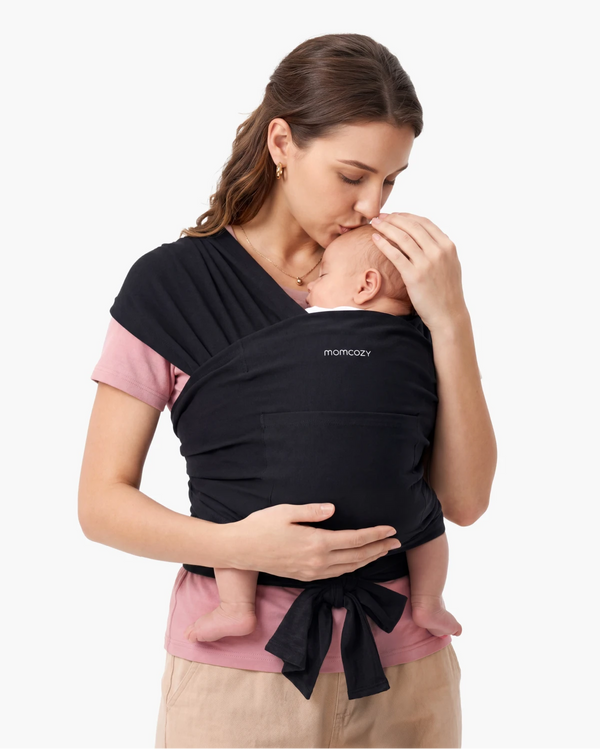
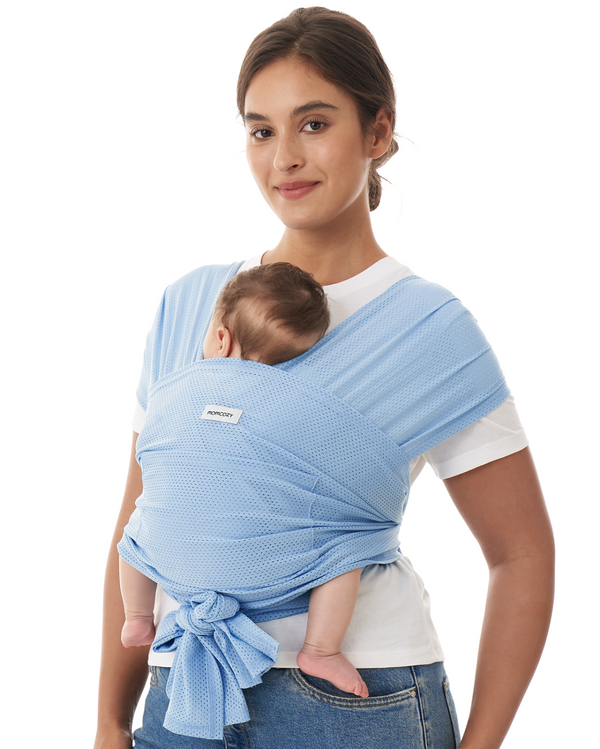
A structured option such as WeeSnug provides a defined panel, built-in support, and repeatable adjustment cues. A wrap-style option creates a softer, closer feel and can adapt around different body shapes, but may require more practice and occasional retightening.
Choose by your routine rather than assuming one type is universally better. For more detail on wrap-style options, explore the Wrap Baby Carrier collection.
Head, Neck & Airway Support
A newborn carrier with head support should hold the baby high enough for easy checks while supporting the upper back and sides of the head according to the product instructions.
If the baby sinks lower, turns into the fabric, or develops a chin-to-chest position, stop and readjust before continuing. Check again after walking, bending, feeding, or changing caregivers. Review the Newborn Carrier Safety Guide for a visual fit checklist.
A Newborn Fit Check: High, Snug & Inward-Facing
A correctly adjusted front carrier for a newborn should keep the baby close enough to kiss, with the chin away from the chest and no loose fabric allowing the body to slump. The back should feel supported, and the carrier should not pull the baby away during normal movement.
A hands-free newborn carrier still requires regular visual and breathing checks. Recheck the fit whenever straps settle, the baby changes position, or another caregiver puts it on.
Hip-Healthy M-Position & Supported Seat
An ergonomic newborn carrier should allow the seat width or fabric support to match the individual baby instead of forcing the legs wider than is comfortable. Follow the model instructions, especially during the first months when proportions change quickly.
This is a practical fit check, not a medical guarantee. Families managing hip dysplasia or another orthopedic concern should follow their clinician’s advice as well as the carrier instructions.
Soft, Breathable Materials for Close Carrying
Cotton can offer a soft, familiar feel with more defined structure. Polyester-and-spandex wraps add stretch and close adjustment, while mesh versions increase airflow for warm-weather routines.
A breathable newborn carrier can make close carrying feel less stuffy, but fabric alone cannot prevent overheating. Dress both caregiver and baby for the conditions, keep the face and head uncovered, seek shade when needed, and check the baby’s neck, chest, breathing, and behavior regularly. Read How to Keep Baby Cool in a Carrier for warmer-weather guidance.
When Can You Start Using a Baby Carrier?
Treat the minimum weight as one requirement—not the full answer. Panel height, seat width, head control, muscle tone, and overall positioning also matter. A baby who meets the number may still be too small for a particular carrier shape.
For a premature, low-birth-weight, NICU-graduate, or medically vulnerable baby, ask the baby’s healthcare professional before babywearing.
How to Put On and Check a Newborn Carrier
Complete a newborn carrier fit check before walking:
- Confirm every buckle, ring, knot, or closure.
- Check the baby’s height and face visibility.
- Make sure the chin is away from the chest.
- Check head, neck, back, and thigh support.
- Check temperature and breathing.
- Confirm that the carrier also feels secure for the caregiver.
Start with the model’s minimum weight and approved newborn setup, then compare head-and-neck support, panel or seat adjustment, caregiver sizing, material, and learning curve.
The right choice is the one you can fit correctly and recheck confidently during your normal routine.
Neither type is automatically better.
A structured carrier usually offers a more defined shape and repeatable settings, while a wrap provides softer, closer adjustment and may take more practice. Choose according to wearing speed, fit preference, climate, and how often you expect to take the baby in and out.
It depends on the model.
Some carriers use built-in newborn adjustments, while others may require a model-specific insert or setup. Follow the exact product instructions, and never add improvised padding, blankets, or an insert the instructions do not allow.
Prioritize an approved minimum size, a visible and unobstructed airway, stable head-and-neck support, small-body adjustment, supported thighs, secure closures, and instructions you can follow.
Material and ease of adjustment should support those basics rather than replace them.
Yes, when the carrier fits each caregiver and is adjusted again after every handoff.
Recheck the waistband or body tension, shoulder straps, panel height, the baby’s airway, and thigh support instead of relying on the previous person’s settings.
Start when the baby meets the individual carrier’s minimum requirements and you can achieve the approved fit.
Weight is only one factor; size, muscle tone, positioning, and medical history also matter.
A newborn-compatible carrier can be used when it fits the baby and is worn as directed.
Keep the baby upright, inward-facing, high and snug, with the face visible and the chin off the chest. Monitor breathing and temperature regularly. If the baby falls asleep, move them to a firm, flat sleep surface on their back as soon as possible.
Seek individualized advice from the baby’s healthcare professional before using a carrier for a premature, low-birth-weight, NICU-graduate, or medically vulnerable baby.
These babies may need additional airway, muscle-tone, temperature, and fit considerations beyond the printed weight range.
Newborns should be carried inward-facing so their head, neck, back, and airway can be supported and monitored.
Outward-facing use belongs to a later developmental stage and only to carrier models that specifically allow it.
The limit depends on the model.
WeeSnug publishes a 7–25 lb range, while the Easy to Wear Wrap, Blue Mesh Wrap, and SnapLite publish 8–35 lb ranges. Weight does not replace fit: the panel, seat, airway position, and support still need to match the baby.
The baby should sit high and snug against the caregiver, facing inward, with the face visible, chin away from the chest, back supported, and thighs supported.
Follow the carrier instructions for leg placement and seat width rather than forcing a position.
Support should limit uncontrolled head movement while leaving the face, nose, and mouth uncovered.
The panel should not push the chin down or hold the head in a position that makes breathing harder.
It means the baby is carried on the front of the caregiver’s body.
For a newborn, that position should be inward-facing, with the baby’s chest toward the caregiver—not facing out toward the environment.
Signs include the baby sinking after adjustment, pulling away from the caregiver, slumping, disappearing into the panel, or sitting too low to kiss easily.
Stop, support the baby with your hands, and retighten or reset the carrier before continuing.
Check every buckle, ring, knot, strap, and seam used in the setup.
Then check height, face visibility, chin position, breathing, head-and-neck support, back support, thigh position, temperature, and comfort for both baby and caregiver.
The best material depends on climate, skin feel, preferred structure, stretch, airflow, and care needs.
Cotton offers a soft, more structured feel, while polyester-spandex wraps provide stretch and mesh options provide more airflow. Correct fit and temperature checks remain necessary with every fabric.
Use light layers suited to the weather, keep the baby’s face and head uncovered, seek airflow and shade, and remember that the caregiver and carrier add warmth.
Check the neck or chest regularly and stop if the baby seems unusually hot, sweaty, flushed, lethargic, or distressed.
Follow the care label for the individual product.
Do not assume every carrier can use the same machine cycle, detergent, spin speed, or dryer setting. Make sure the carrier is fully dry before use.
Inspect it before every use.
Check buckles, rings, straps, seams, fabric, elastic, and load-bearing points for damage, unusual wear, or parts that no longer secure correctly.
Stop moving and support the baby with your hands.
Check the airway, chin position, temperature, diaper, clothing, seat width, and overall fit. Remove the baby if the issue is not immediately corrected. Seek medical advice when breathing, color, alertness, muscle tone, or discomfort remains concerning.
Learn the essential fit, airway and positioning checks for safe newborn babywearing.
Read the Safety GuideSee which carrying positions fit each stage, from inward-facing newborn carries onward.
Explore Positions by AgeReview safe and comfortable ways to carry your baby as head and body control develop.
Read the Carrying GuideUse fabric, layers, shade and regular checks to make warm-weather babywearing more comfortable.
Read Summer TipsUnderstand early head-control milestones and how supportive positioning helps in everyday moments.
Learn About Neck SupportUse a practical T.I.C.K.S. and M-position check before every carry.
Review the Checklist- Al seleccionar una opción, se actualiza toda la página.
- Abre un sitio web externo. Abre en una nueva ventana.