Your baby has arrived, but your ankles may look puffier than they did before delivery. Foot swelling after childbirth is common as the body begins removing extra fluid from pregnancy and labor. It may be uncomfortable, especially when shoes feel tight or standing becomes tiring. Most mild swelling improves with time and simple home care, but sudden or one-sided swelling needs closer attention.
What Is Postpartum Edema?
Postpartum edema is swelling caused by excess fluid collecting in body tissues after delivery. Postpartum means the period following childbirth, while edema is the medical term for fluid-related swelling.
Mild edema after childbirth often affects both sides of the body and may become more noticeable in the lower legs because gravity draws fluid downward. Swelling in the legs and feet is recognized as a common postpartum symptom.
Common Areas of Postpartum Swelling
Postpartum swelling may appear in the:
- Feet and toes
- Ankles
- Lower legs
- Hands and fingers
- Face
- Area around a C-section incision or vaginal tissues
Postpartum edema in the feet is especially noticeable because socks and shoes may leave marks. Gradual swelling in both feet is usually less concerning than swelling that develops suddenly or affects only one side.
Is Post-Pregnancy Leg Swelling Normal?
Mild postpartum leg swelling is usually normal, particularly during the first several days after delivery. It often affects both feet or ankles, feels soft or tight, and improves when the legs are raised.
Feet swelling after birth may temporarily look worse before it gets better. Your body is still carrying extra blood and fluid from pregnancy, and fluid received during labor may add to the swelling.
Normal swelling should gradually improve. Contact your health care provider if it becomes more severe, lasts longer than expected, or appears with pain, redness, warmth, headache, vision changes, chest pain, or breathing difficulty.
Why Does Foot Swelling After Childbirth Happen?
Several normal pregnancy and delivery changes can cause swollen feet after delivery.
During pregnancy, the body carries additional blood and fluid to support the pregnancy. This fluid does not disappear immediately after birth. The kidneys and skin gradually remove it through urination and sweating during the first postpartum days.
Other factors include:
-
Intravenous fluids: Intravenous, or IV, fluids are liquids delivered through a vein. Fluids given during labor, surgery, or recovery may temporarily increase swelling.
-
Hormonal changes: Pregnancy hormones affect fluid retention and blood vessels. These levels take time to adjust after delivery.
-
Reduced movement: Long periods in bed or sitting with a baby can allow fluid to collect in the lower legs.
-
Gravity: Standing or sitting with the feet down can make swollen ankles after birth more noticeable.
-
Cesarean delivery: A cesarean delivery, commonly called a C-section, is surgery used to deliver a baby through the abdomen and uterus. IV fluids and reduced movement may contribute to swelling after a C-section in the feet.
For these reasons, some mothers notice swollen feet after a C-section even when their feet were not heavily swollen during pregnancy.
How Long Does Postpartum Swelling Last?
Mild foot swelling after childbirth often begins improving during the first week. Many mothers find that it is mostly resolved within one to two weeks as the body releases excess fluid.
The timeline varies according to fluid levels, delivery type, mobility, health conditions, and recovery. Cleveland Clinic notes that extra blood and fluid volume begins decreasing within days after birth, while postpartum specialists commonly expect swelling to be much better by the two-week visit.
Contact your provider if the swelling continues to increase, does not begin improving, or remains significant beyond two weeks.
What Can Make Postpartum Edema Last Longer?
Feet swelling postpartum may take longer to improve after:
- A long labor
- Large amounts of IV fluid
- A C-section
- Limited walking or movement
- Long periods of standing
- Hot weather
- High sodium intake
- A multiple pregnancy
- High blood pressure during pregnancy
- Certain heart, kidney, vein, or circulation conditions
Persistent swelling does not always mean something is wrong, but it deserves medical review when it is worsening or accompanied by other symptoms.
How to Treat Postpartum Swollen Feet at Home
The following methods may ease mild, even swelling without warning signs. Home care cannot treat deep vein thrombosis or postpartum preeclampsia.
1. Raise Your Feet
Place your feet on pillows so they are above heart level when possible. Supporting the knees as well as the ankles may make the position more comfortable.
2. Take Short, Gentle Walks
Walking activates the calf muscles and supports circulation. Begin with short trips around your room or home, then increase movement according to your discharge instructions.
3. Move Your Ankles Regularly
Point and flex your feet, circle each ankle, and gently move your toes. These exercises can be useful when feeding your baby or resting in bed. Postnatal physiotherapy guidance recommends foot and ankle movements to support circulation and reduce leg swelling.
4. Avoid Staying in One Position
Change position regularly instead of standing, sitting, or lying still for long periods. Avoid crossing your legs because it may place pressure on blood vessels.
5. Drink Water Regularly
Adequate hydration helps the body maintain its fluid balance. Keep a water bottle near your bed or feeding area so drinking does not require extra trips.
6. Limit Very Salty Foods
You do not need a salt-free diet. However, reducing heavily processed foods and very salty snacks may help limit additional fluid retention.
7. Wear Loose Clothing
Tight waistbands, socks, and pants can feel uncomfortable over swollen areas. Choose clothing that does not leave deep marks or restrict movement.
8. Consider Supportive Compression Socks
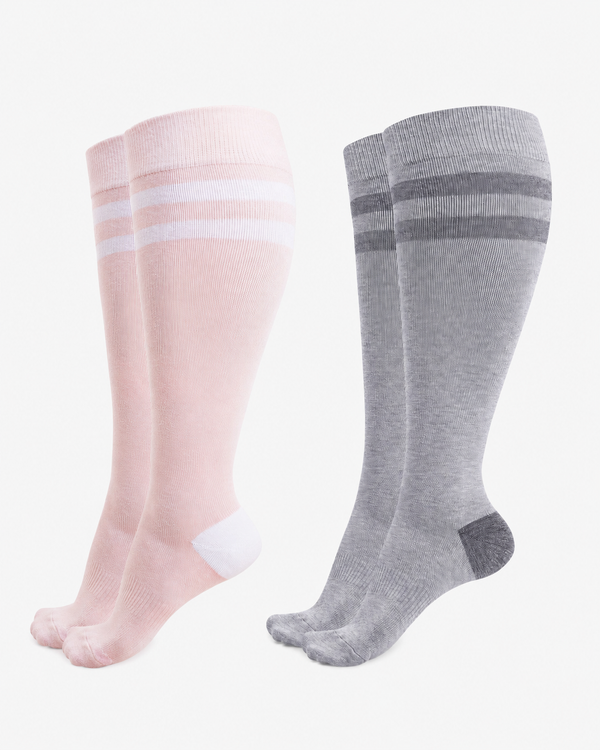
Compression socks can feel uncomfortable when postpartum swelling makes the feet, ankles, and calves fuller than usual. The Momcozy Compression Socks for Women Wide Calf are designed with extra calf room, making them a more comfortable option for mothers who find standard compression socks too restrictive. Their supportive, below-the-knee fit works well during gentle walking, standing, or long periods of sitting. Check the current size chart before ordering, as options range from XL to 5XL and vary by color.
Ask your health care provider before using compression socks if you have severe swelling, circulation problems, numbness, skin changes, or unexplained swelling in only one leg.
Graduated Compression
Soft and Breathable
Snug Fit
Pregnancy & Postpartum
9. Put Compression Socks on Earlier
Compression socks are often easier to put on before swelling increases during the day. Smooth the fabric evenly and avoid rolling the top into a tight band.
10. Choose Roomy, Supportive Shoes
Shoes should not pinch the toes or leave deep marks around the foot. Adjustable sandals or roomy slip-on shoes may feel more comfortable while post-pregnancy swelling in the feet improves.
11. Rest With Your Legs Supported
Rest is part of recovery, but complete inactivity is not necessary for most mothers. Alternate supported rest with gentle movement approved by your care team.
12. Do Not Take Water Pills on Your Own
Diuretics, sometimes called water pills, increase urination. Do not take prescription medicine, herbal diuretics, or supplements for postpartum swelling unless a health care provider recommends them.
These steps can make swelling of the feet after giving birth more manageable while the body removes excess fluid. Track whether your shoes fit better, ankle outlines become clearer, and swelling decreases after elevation.
When Should I Call a Doctor About Swollen Feet After Birth?
Contact your health care provider promptly if one foot or leg becomes much more swollen than the other. One-sided swelling with calf pain, warmth, redness, or tenderness may be a sign of deep vein thrombosis, or DVT, which is a blood clot in a deep vein.
The CDC lists severe swelling, redness, or pain in one leg among its urgent maternal warning signs. Seek emergency care if swelling occurs with:
- Chest pain
- Trouble breathing
- Coughing up blood
- Fainting or severe dizziness
- A fast or irregular heartbeat
Swelling may also require urgent evaluation when it appears with a persistent headache, vision changes, upper abdominal pain, nausea, sudden swelling of the face or hands, or shortness of breath. These symptoms may point to postpartum preeclampsia, a serious high blood pressure condition that can develop after delivery.
Review the American College of Obstetricians and Gynecologists’ information on conditions to watch for after childbirth, and contact your maternity care team immediately if these symptoms appear.
FAQs
Q1. Is It Normal for One Foot to Be More Swollen After Giving Birth?
A small difference may occur because of position or pressure, but unexplained one-sided swelling should not be ignored. Contact your provider promptly if one foot or leg is much larger, painful, red, warm, or tender because these can be DVT symptoms.
Q2. How Do I Know If My Swollen Foot Is Preeclampsia?
Foot swelling alone cannot confirm postpartum preeclampsia. Warning signs include high blood pressure, a headache that does not go away, vision changes, upper abdominal pain, sudden swelling of the face or hands, and trouble breathing. Seek immediate medical advice if these symptoms occur.
Q3. Why Are My Feet More Swollen After Delivery Than During Pregnancy?
Fluid from pregnancy and IV fluids received during labor may remain in the body for several days. Reduced movement and gravity can also cause the fluid to collect in the feet, making feet swelling after labor appear worse before it improves.
Q4. Does Walking Help Reduce Swelling After Birth?
Yes, short and gentle walks may support circulation and reduce fluid pooling when your provider has cleared you to move. Begin slowly and stop if walking causes increased pain, dizziness, heavy bleeding, or breathing difficulty.
Q5. What Is the 3-3-3 Rule for Postpartum?
The 3-3-3 rule is an informal rest plan that suggests three days in bed, three days mainly on the bed, and three days staying close to the bed. It is not a medical rule, and complete inactivity may not suit every recovery. Balance rest with the gentle movement and activity level recommended by your care team.
Support Your Feet While Your Body Recovers
Most foot swelling after childbirth improves as the body releases extra fluid during the first one to two weeks. Elevate your feet, drink enough water, move gently, and choose clothing and footwear that do not feel restrictive. Supportive socks may also improve comfort when they fit correctly. Contact your health care provider if swelling is sudden, one-sided, painful, worsening, or accompanied by headache, vision changes, chest pain, or trouble breathing.