Garantizar un entorno de sueño seguro y cómodo es una de las responsabilidades más importantes para los padres primerizos. El lugar donde duerme tu bebé no solo influye en su seguridad, sino también en su salud y desarrollo general. Un espacio de descanso adecuado puede brindar tranquilidad a los padres y, al mismo tiempo, ofrecer al recién nacido un lugar cómodo para dormir bien. En este artículo conocerás diferentes opciones de espacios de sueño para recién nacidos, aspectos importantes de seguridad y consejos útiles para padres que están tomando decisiones sobre este tema fundamental del cuidado infantil.
¿Importa dónde duerme un recién nacido?
Sí, importa muchísimo. El lugar donde duerme un recién nacido tiene un impacto directo en su seguridad, comodidad y calidad de sueño. La Academia Americana de Pediatría (AAP) estima que aproximadamente 3500 bebés mueren cada año en Estados Unidos debido a problemas relacionados con el sueño, incluyendo el Síndrome de Muerte Súbita del Lactante (SMSL) y la asfixia accidental. Muchas de estas muertes podrían prevenirse siguiendo prácticas y entornos de sueño seguros.
El lugar donde duerme un recién nacido influye en:
- La seguridad de las vías aéreas: las superficies adecuadas y una posición correcta ayudan a mantener las vías aéreas despejadas.
- La regulación de la temperatura: un entorno adecuado ayuda a evitar el sobrecalentamiento.
- La calidad del sueño: un espacio de descanso apropiado favorece un sueño más reparador.
- La supervisión de los padres: dormir cerca permite vigilar mejor al bebé durante la etapa de recién nacido.
Las principales organizaciones de salud del mundo han establecido recomendaciones claras sobre los espacios seguros para dormir. Estas pautas indican que los recién nacidos y bebés deben dormir sobre superficies firmes y planas, en la habitación de los padres (pero en una superficie separada) durante al menos los primeros seis meses de vida y nunca boca abajo.
¿Dónde duermen los recién nacidos?
Elegir el espacio ideal para que duerma un recién nacido requiere considerar cuidadosamente varios factores. Es importante encontrar un equilibrio entre la seguridad y aspectos como el espacio disponible, el presupuesto y las necesidades del estilo de vida familiar.
Al evaluar diferentes opciones para dormir, ten en cuenta:
- Normas de seguridad: busca productos que cumplan con los estándares actuales de seguridad de la Comisión de Seguridad de Productos de Consumo(CPSC).
- Tamaño y espacio necesario: asegúrate de que la opción que elijas se adapte al espacio disponible en tu hogar.
- Portabilidad: considera si necesitarás mover el espacio de descanso dentro de casa o si planeas viajar con frecuencia.
- Durabilidad y tiempo de uso: algunas opciones pueden acompañar el crecimiento de tu bebé, mientras que otras solo son adecuadas para la etapa de recién nacido.
- Facilidad de montaje y uso: verifica que el espacio de sueño pueda ensamblarse correctamente para garantizar la seguridad de tu bebé.
El lugar más seguro para que duerma un recién nacido es un espacio diseñado específicamente para bebés, con una superficie firme y plana, libre de cualquier elemento peligroso. A continuación, revisaremos diferentes opciones para ayudarte a tomar una decisión informada.
Las mejores opciones para que duerma un recién nacido
Moisés
Los moisés son camas pequeñas diseñadas especialmente para bebés pequeños, normalmente adecuadas desde el nacimiento hasta aproximadamente los 4 o 5 meses (o hasta que el bebé pueda girarse o impulsarse hacia arriba). Existen moisés de pie y moisés portátiles, y ambos deben contar con un colchón firme y plano, además de cumplir con las normas de seguridad de la CPSC.
Características principales:
- Tamaño compacto que cabe fácilmente junto a la cama de los padres
- Ligeros y, en muchos casos, portátiles gracias a asas o ruedas
- Algunos modelos incluyen movimientos suaves de balanceo
- La altura facilita levantar al bebé sin forzar demasiado la espalda de los padres
Los moisés son una excelente opción durante los primeros meses porque permiten mantener al bebé cerca para las tomas nocturnas y la supervisión, mientras le ofrecen un espacio de sueño seguro y exclusivo. Su tamaño compacto los hace ideales para apartamentos o habitaciones pequeñas donde el espacio es limitado.
Cunas
Una cuna representa una inversión a largo plazo para el descanso de tu bebé, ya que normalmente puede utilizarse desde el nacimiento hasta aproximadamente los 2 a 4 años. Debe contar con un colchón firme y plano que encaje perfectamente contra los laterales de la cuna.
Características principales:
- Estructura resistente para un uso prolongado
- Altura del colchón ajustable (se puede bajar a medida que el bebé gana movilidad)
- Laterales fijos que ofrecen mayor seguridad
- Algunos modelos pueden convertirse en camas para niños pequeños
Aunque las cunas ocupan más espacio que los moisés, ofrecen un entorno de sueño estable que puede adaptarse al crecimiento de tu bebé. La mayoría de los bebés pasa del moisés a la cuna entre los 4 y 6 meses, dependiendo de su desarrollo y tamaño. Actualmente, las normas de seguridad exigen que las cunas tengan laterales fijos y no abatibles, ya que los modelos con laterales móviles dejaron de utilizarse por motivos de seguridad.
Corralitos con moises incorporado
Estos productos versátiles ofrecen tanto un espacio seguro para dormir como un área de juego en una sola estructura. Debes utilizar el colchón firme y plano incluido con el corral y NO agregar colchones adicionales.
Características principales:
- Diseño multifuncional que ayuda a ahorrar espacio y dinero
- Fáciles de plegar para viajar o guardar
- Moisés adosable para recién nacidos y corral para bebés mayores
- Algunos modelos incluyen cambiador para ofrecer más funcionalidad
Los corralitos con accesorio de moisés son especialmente útiles para familias que viajan con frecuencia o visitan a familiares, ya que ofrecen un espacio de sueño constante sin importar el lugar. La parte del moisés normalmente puede utilizarse hasta que el bebé alcance un peso aproximado de 7 kg o empiece a impulsarse con manos y rodillas.
¿Cuál es el lugar más seguro para que duerma un recién nacido?
El entorno de sueño más seguro para un recién nacido debe cumplir con estos principios esenciales:
- Cumplir con las normas de seguridad actuales: busca productos certificados por organizaciones de seguridad reconocidas.
- Superficie firme y plana para dormir: evita posiciones inclinadas y ropa de cama blanda que pueda dificultar la respiración.
- Colchón ajustado correctamente: no debe haber espacios entre el colchón y los laterales donde el bebé pueda quedar atrapado.
- Espacio de sueño despejado: no coloques almohadas, mantas, protectores, cables colgantes ni juguetes (el chupón es la única excepción a esta regla).
La mayoría de pediatras y expertos en seguridad coincide en que una cuna o moisés certificado, con un colchón firme y una sábana ajustable, representa la opción más segura para el sueño de un recién nacido. Estos productos pasan pruebas rigurosas y deben cumplir estándares estrictos relacionados con materiales, estructura y diseño.
La forma más segura de que duerma un recién nacido también incluye una posición adecuada: siempre boca arriba, nunca boca abajo ni de lado, además de compartir habitación con los padres manteniendo al bebé cerca, pero en una superficie separada para dormir.
¿En qué no debe dormir un recién nacido?
Algunos espacios para dormir representan riesgos importantes para los recién nacidos. Los padres deben evitar:
- Camas para adultos: existe riesgo de asfixia debido a la ropa de cama suave y de quedar atrapado entre el colchón y la pared o el cabecero.
- Sofás y sillones: son extremadamente peligrosos por los espacios entre cojines y las superficies blandas.
- Asientos para auto, hamacas o mecedoras para dormir de forma habitual: pueden dificultar la respiración debido a la posición del bebé.
- Productos con superficies inclinadas para dormir: se han relacionado con muertes infantiles y muchos han sido retirados del mercado.
- Cunas antiguas que no cumplen con las normas de seguridad actuales: pueden tener diseños peligrosos, como laterales abatibles.
Si tu bebé está inquieto durante el día y necesitas un lugar seguro donde pueda relajarse bajo supervisión, una mecedora para bebé puede ofrecer el movimiento suave y rítmico que tanto le calma. Es una alternativa reconfortante a tenerlo en brazos constantemente y puede ayudar a tranquilizar a un bebé inquieto mientras permanece bajo tu supervisión directa, aunque nunca debe sustituir una cuna para dormir sin vigilancia o durante la noche.
Nunca deben colocarse artículos de cama blandos en el espacio de sueño de un recién nacido, incluyendo:
- Almohadas
- Mantas sueltas
- Protectores para cuna
- Peluches
- Posicionadores o cuñas para dormir
- Pieles de oveja u otros cubrecolchones blandos
A pesar de lo que prometen muchas campañas de marketing, numerosos productos para el sueño del bebé no cuentan con pruebas de seguridad suficientes. Los padres deben tener especial cuidado con cualquier dispositivo que afirme reducir el riesgo de SMSL, ya que estas afirmaciones rara vez están respaldadas por evidencia científica.
Además de elegir una superficie adecuada para dormir, existen otras prácticas que ayudan a aumentar la seguridad del sueño del recién nacido:
Posición correcta para dormir
- Dormir boca arriba es fundamental: la campaña “Back to Sleep” (ahora llamada “Safe to Sleep”) ha reducido los casos de SMSL en más del 50 % desde su implementación.
- Tiempo boca abajo solo bajo supervisión y cuando esté despierto: ayuda a fortalecer los músculos del cuello, pero no es seguro para dormir.
- Evita dispositivos que prometen mantener la posición al dormir: pueden representar riesgos de atrapamiento.
Organización y ambiente de la habitación
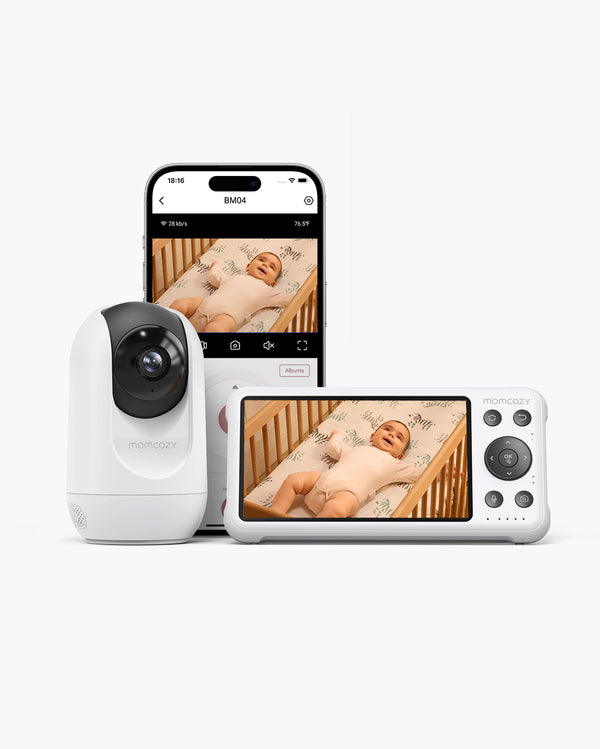
- Compartir habitación sin compartir la cama: permite mantener al bebé cerca para supervisarlo mientras se evitan los riesgos asociados a las camas de adultos; utilizar un monitor para bebés como el monitor inteligente para bebés Momcozy BM04 puede ayudarte a mantener a tu bebé seguro.
- Temperatura ideal de la habitación: mantenerla entre 20 y 22 °C ayuda a evitar el sobrecalentamiento.
- Considera el uso de un ventilador: algunas investigaciones sugieren que una mejor circulación del aire puede ayudar a reducir el riesgo de SMSL.
- Elimina la exposición al humo: mantén un entorno libre de humo.
- Ruido blanco: el ruido blanco, el ruido rosa o el ruido marrón son sonidos recomendados para dormir. No se recomienda usar música ni canciones de cuna una vez que el bebé ya está acostado para dormir, ya que los cambios de tono, volumen y las pausas pueden interrumpir el sueño. Utiliza una máquina de ruido blanco Momcozy dedicada para reproducir sonidos relajantes recomendados.
App or Parent Unit
Danger Zone Alert
Storage Supported
Vox Mode
App Control Remoto
Rutina Dormir-Despertar
Luz LED 7 Colores
34 Sonidos
Preparación de la superficie de sueño
- Usa únicamente sábanas ajustables: no se necesita ropa de cama adicional.
- Verifica la firmeza del colchón: no debe hundirse cuando el bebé esté acostado.
- Revisa regularmente el espacio de sueño: asegúrate de que no haya piezas sueltas ni desgaste que puedan representar un peligro.
Aplicar estas prácticas de manera constante crea un entorno seguro que reduce significativamente los riesgos relacionados con el sueño en recién nacidos.
Preguntas frecuentes sobre dónde pueden dormir los recién nacidos
¿Dónde debe dormir un recién nacido la primera noche?
La primera noche en casa representa un gran cambio tanto para los padres como para el bebé. Desde la primera noche y durante los meses siguientes, el bebé debe dormir en un moisés o una cuna colocados en la habitación de los padres.
En los hospitales, los recién nacidos suelen dormir en moisés transparentes junto a la cama de la madre, que es precisamente la forma de descanso recomendada por los expertos. Esta disposición facilita la lactancia y la supervisión, manteniendo al mismo tiempo prácticas de sueño seguras.
Las mismas recomendaciones aplican tanto para partos en casa como después del alta hospitalaria:
- Prepara con anticipación un espacio de sueño exclusivo (moisés, cuna o corral).
- Asegúrate de que el colchón sea firme y tenga únicamente una sábana ajustable.
- Colócalo en la habitación de los padres, idealmente al alcance de la mano desde la cama.
- Mantén la habitación a una temperatura cómoda, viste al bebé con ropa adecuada y envuélvelo correctamente.
¿Dónde puede dormir un bebé si no hay cuna?
Lo ideal es utilizar una cuna o moisés certificados por la CPSC, pero existen algunas alternativas temporales cuando no se cuenta con uno:
- Corral o cuna de viaje: es la mejor alternativa cuando no se dispone de una cuna o moisés.
- Caja para bebé: utilizada en el exitoso programa de sueño seguro de Finlandia; consiste en una caja de cartón con un colchón firme (solo como solución temporal).
- Cajón extraído de una cómoda: colocado en el suelo con un colchón firme y ajustado (solo como solución temporal).
- Cesta de ropa con colchón firme: únicamente para situaciones de emergencia y por muy poco tiempo.
Cualquier espacio temporal para dormir debe cumplir con estos principios:
- Superficie firme y plana
- Sin ropa de cama suave ni acolchados
- Bordes protegidos para evitar caídas
- Sin riesgos de atrapamiento
- Bebé acostado boca arriba
Estas alternativas solo deben utilizarse de manera temporal mientras se consigue una solución más segura y aprobada.
¿Qué se considera un entorno de sueño no seguro para un recién nacido?
Las prácticas de sueño inseguras aumentan significativamente el riesgo de SMSL y accidentes fatales relacionados con el sueño. Entre ellas se incluyen:
- Dormir boca abajo o de lado: estas posiciones pueden dificultar la respiración y están fuertemente asociadas al SMSL.
- Compartir la cama, especialmente en situaciones de alto riesgo (padres fumadores, consumo de alcohol o drogas, cansancio extremo o ropa de cama blanda).
- Dormir sobre superficies blandas como camas de agua, sofás, almohadas, sillones reclinables o pieles de oveja.
- Sobrecalentamiento causado por una temperatura demasiado alta en la habitación o exceso de ropa y mantas.
- Espacios para dormir con huecos donde la cabeza del bebé pueda quedar atrapada.
- Uso de posicionadores o cuñas para dormir comercializados para mantener al bebé en una posición específica.
- Dejar objetos dentro del espacio de sueño, incluidos juguetes, monitores, cables o ropa de cama suelta.
- Utilizar productos para dormir antiguos o modificados que no cumplan con las normas de seguridad actuales de la CPSC.
Según la AAP, la mayoría de los casos de SMSL ocurren durante los primeros 6 meses, aunque las prácticas de sueño seguro siguen siendo importantes durante todo el primer año.
Encuentra el entorno de sueño ideal para recién nacidos
Decidir dónde debe dormir un recién nacido es fundamental. Es necesario encontrar un equilibrio entre seguridad, accesibilidad y comodidad. Las investigaciones indican que las superficies más seguras para dormir son firmes, planas y libres de peligros. Compartir habitación sin compartir la cama es la opción ideal, ya que mantiene al bebé cerca para supervisarlo y alimentarlo, evitando los riesgos de las camas de adultos. Al elegir entre moisés, cunas y corralitos, los padres deben priorizar las recomendaciones respaldadas por evidencia antes que las promesas de marketing. El uso adecuado de estas opciones garantiza un entorno de sueño seguro. Mantener hábitos constantes de sueño seguro, incluyendo herramientas de apoyo como una máquina de ruido blanco para bebé Momcozy, ayuda a reducir riesgos y crea una base para un sueño saludable, beneficiando tanto al bebé como a toda la familia a largo plazo. Los hábitos de sueño seguro siguen siendo esenciales, aunque la etapa de recién nacido pase rápidamente.