


MEDICALLY REVIEWED BY

Shelly Umstot, BSN, RN
Shelly Umstot es graduada en Enfermería y ha ejercido como enfermera titulada durante más de 35 años. Vive en el noreste de Ohio y es redactora independiente de contenidos de salud. Su pasión es aportar claridad a quienes tienen dudas y preocupaciones sobre temas de salud, ayudándoles a alcanzar y mantener un estado de salud óptimo. Le encanta pasar tiempo con su familia y tiene dos preciosas nietas que le han robado el corazón. Ayudar a los nuevos padres a encontrar la información que necesitan para afrontar las alegrías y los retos de cuidar a sus hijos es una experiencia muy gratificante para ella, tanto en su faceta de profesional como en la de madre y abuela.
Nota: El contenido y los consejos profesionales originales fueron grabados y redactados en inglés por Shelly Umstot, BSN, RN. Para su comodidad, este material ha sido traducido al español. En caso de ligeras divergencias en los términos médicos o matices lingüísticos, prevalecerá el sentido del original inglés. Cada madre y bebé son únicos; este contenido es puramente informativo y no sustituye en ningún caso el diagnóstico o consejo de su médico o pediatra local.
The CDC says the fastest safe approach is to blot out as much moisture as you can, get the fabric and padding into strong airflow right away, keep the room dry, and make sure everything is fully dry within 24 to 48 hours. If the padding stays damp beyond that window, mold risk goes up, and soaked fabric that cannot be dried right away should be removed or replaced.
Why high chair padding gets musty so fast
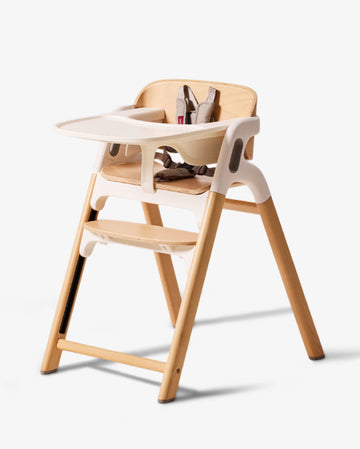
The CDC explains that high chair fabric and padding can hold onto water in the same way other upholstered materials do, especially if the cover has fabric plus plastic or nylon layers. Moisture is the main driver of mold growth, and musty odor is a useful clue that dampness is still hanging around.

That means the goal is not just “dry enough to touch.” You want the cover and any foam or padding underneath to be completely dry before you put it back on the chair or store it away. CDC guidance says to dry wet materials within 24 to 48 hours, and keep indoor humidity at no higher than 50% all day if you can.
The quickest drying routine after a spill or wash
Start by pressing out water with a clean towel instead of rubbing. Then open the fabric as much as possible so air can reach both sides, since trapped moisture is what slows drying and can lead to mildew smell. The exact method matters less than getting the item dry fast and keeping dampness from sitting.
Best fast-dry setup
- Lay the cover flat on a clean, dry surface if you can.
- Separate layers, straps, and padding so air can move through them.
- Put it in a well-ventilated room, and use a fan or dehumidifier if available.
- Keep the room as dry as possible, ideally at no higher than 50% humidity.

If you are drying a removable cover, avoid hanging it in a way that lets water weight stretch it out. Air-drying flat is the safer practical choice when you want to preserve shape, and strong airflow helps moisture leave faster.
If you need to speed it up more
Some user reports say a cover can dry in less than a day when hung in a bathroom or placed over a shower rod, but drying time varies a lot by thickness and material. Those are anecdotal reports, so treat them as rough experience, not a guarantee.
Heat, sunlight, and dryer use: what to do carefully
Before you use heat, check the care label. Some covers are meant to drip dry only, and a dryer can damage the cover or cause fading. Premium materials should never be machine-dried, while some polyester-style covers may tolerate low dryer heat, depending on the label.

Direct sunlight can help some odor control routines, but it can also fade fabric and make fibers feel stiff if overdone. The SEMI-QUANTITATIVE MOLD EXPOSURE INDEX PREDICTS study notes that sunlight can be useful only after you’ve checked that the fabric is not prone to fading.
For baby gear, I’d keep the rule simple: use heat only if the care label allows it, and never assume a dryer is safe just because the item feels sturdy. If the label says drip dry only, stick with airflow and a flat drying setup.
How to know it is truly dry before reusing it
Check more than the surface. Padding can feel dry on top while still holding moisture inside, and that hidden dampness is what can bring back the mildew smell. CDC guidance is clear that materials should be fully dry within 24 to 48 hours, not just “mostly dry.”

A good practical check is:
- Press the thickest part with a dry paper towel or clean cloth.
- Feel inside seams, folds, and edges.
- Make sure there is no cool, damp feel anywhere.
- Smell it closely for any musty odor before reassembly.
If you still smell mustiness, it usually means moisture is still present or mold has started. That is the point to keep drying, rewash if needed, or replace the part if it cannot be dried promptly.
When drying is not enough
If the fabric or padding was soaked and you cannot get it fully dry right away, CDC guidance says to remove or replace it. That is especially important for thick padding or foam that stays damp deep inside.
If you see or smell mold, address the moisture source at the same time. CDC notes that visible mold or a musty odor points to a moisture problem that needs to be fixed, not just masked.
For existing mold on fabric or padding, CDC gives a bleach solution limit of no more than 1 cup of household laundry bleach per 1 gallon of water, with care to never mix bleach with ammonia or other cleaners. If you clean that way, keep fresh air moving and use rubber boots, rubber gloves, and goggles.
A simple “dry it fast” checklist for everyday use
- Blot up water right away.
- Separate the cover, straps, and padding so air can reach all sides.
- Use a fan, open windows, or a dehumidifier to keep air moving and humidity low.
- Aim for fully dry within 24 to 48 hours.
- Check seams, folds, and the thickest spots before putting it back on.
- If it still smells musty, keep drying or replace the soaked part if it cannot dry promptly.
The main takeaway is simple: dry high chair fabric and padding fast, keep the room dry, and do not reassemble it until every layer is completely dry and free of musty odor. That is the best way to avoid mildew smell and keep baby’s seat ready for daily use.








