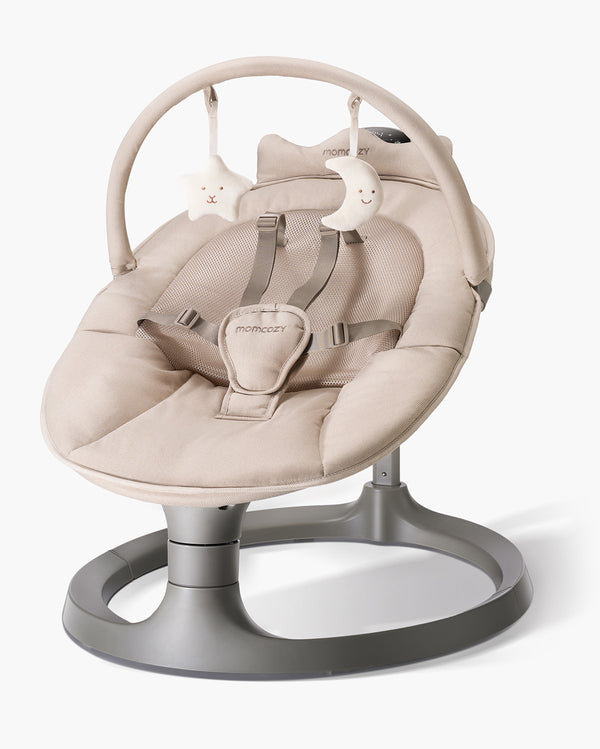
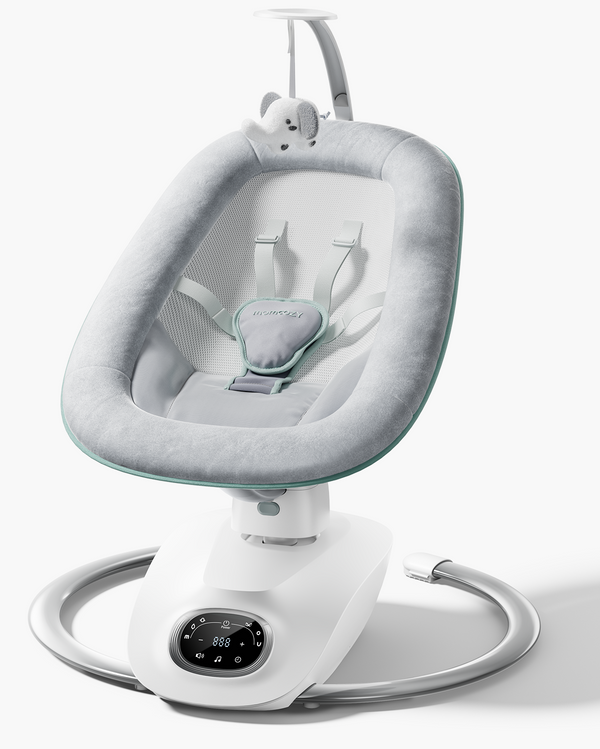
Knowing how to choose a baby swing can save you hours of guesswork and a lot of wasted money. The right swing calms a fussy newborn, gives you hands-free time, and fits your home and lifestyle. This guide covers everything you need to evaluate baby swings, from safety harnesses to motion types, so you can make a smart, confident choice from the start.
What Is a Baby Swing
A baby swing is a motorized or manually operated seat designed to rock, sway, or bounce your baby in a controlled, repetitive motion. That motion mimics the feeling of being held and rocked, which many babies find deeply comforting.
Modern baby swings are far more than simple rockers. Many now offer multiple motion types, adjustable speeds, built-in sounds, and reclining seats.
Do You Really Need a Baby Swing
A baby swing is not a necessity, but for many families it becomes one of the most-used items in the nursery.
Here is when a swing genuinely helps:
-
Your baby is fussy or colicky and needs constant motion to stay calm.
- You need short windows of hands-free time to eat, shower, or rest.
- Your baby struggles to settle after feedings.
- You want a safe place to set your baby while you stay nearby.
A swing does not replace a crib or bassinet for sleep. The American Academy of Pediatrics (AAP) recommends that babies sleep on a firm, flat surface on their backs, not in a swing. Use the swing for soothing and supervised rest, not overnight sleep.
What Types of Baby Swings Are Available
Baby swings come in several formats, each suited to different spaces and lifestyles. Here is a breakdown of the main types:
|
Type
|
Best For
|
Typical Weight Limit
|
|
Full-size swing
|
Home use, longer-term use
|
Up to 20–25 lbs (9–11 kg)
|
|
Portable/travel swing
|
Small spaces, travel
|
Up to 20 lbs (9 kg)
|
|
2-in-1 swing and seat
|
Growing babies, longer value
|
Up to 66 lbs (30 kg) in seat mode
|
|
Bouncer/swing combo
|
Budget-conscious families
|
Up to 20 lbs (9 kg)
|
Full-size swings tend to offer more motion options and better stability. A 2-in-1 design, like the Momcozy 2-in-1 Electric Baby Swing, goes further by converting from a newborn swing into a stationary seat that supports kids up to 66 lbs (30 kg), which makes it a longer-lasting investment.
Soporte de doble brazo
Movimientos de balanceo inspirados en los padres
Asiento cómodo
Funciona como asiento fijo
Patented 3D Swing Tech
6 swing motions
180° rotatable seat
5-point harness
What Safety Features Should You Look For
Safety is the most important factor when choosing any baby product. Every swing you consider should meet these standards.
A Five-Point Harness
A five-point harness secures your baby at both shoulders, both hips, and between the legs. This prevents slipping or sliding during motion. Never use a swing with only a waist strap for a young infant.
A Stable, Sturdy Base
The base should sit flat on the floor without rocking or tipping. Look for a wide, weighted base or a metal frame. The Momcozy CocoSway 3D-Motion Electric Baby Swing uses a sturdy metal base to prevent tipping during all six of its motion types.
Patented 3D Swing Tech
6 swing motions
180° rotatable seat
5-point harness
Appropriate Recline Positions
Newborns should always be placed in the most reclined position the swing offers. A more upright angle can cause their head to fall forward and block their airway, especially for babies under four months old who cannot yet hold their heads up on their own.
ASTM and JPMA Certification
Look for swings that meet ASTM F2088, the U.S. safety standard every baby swing must pass before it can be sold. Some products also carry JPMA (Juvenile Products Manufacturers Association) certification, which means an independent organization has tested and verified the product's safety.
How Do You Choose the Right Size and Weight Range
Size and weight limits determine both how safe the swing is for your baby right now and how long it will stay useful as your baby grows.
Check the Weight Limits Before You Buy
Most infant swings support babies from birth up to 20 lbs (9 kg) or 9 months, whichever comes first. If you want a product that lasts longer, look for a 2-in-1 model with a separate stationary seat mode rated for heavier kids.
Match the Swing Size to Your Space
Full-size swings typically measure around 24–32 inches (61–81 cm) wide and 30–36 inches (76–91 cm) deep. Measure your floor space before purchasing. Compact or foldable designs work better in apartments or smaller nurseries.
What Seat Design and Comfort Features Matter Most
Your baby will spend real time in this seat, so comfort is not optional.
Fabric and Padding
- Soft velvet or plush fabric reduces friction on delicate skin.
- Breathable mesh panels help prevent overheating during longer sessions.
- Removable, machine-washable seat covers make cleanup far easier.
Head and Body Support for Newborns
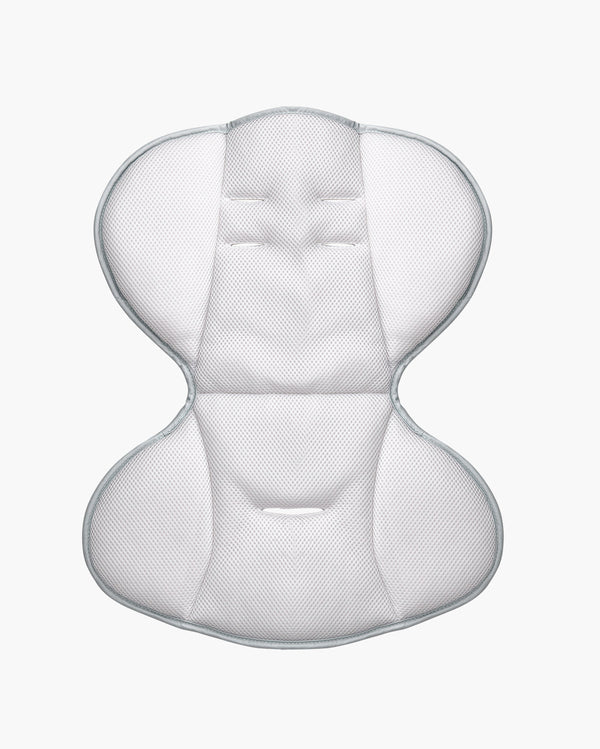
Newborns need extra head and neck support. Some swings include a built-in head cushion. For additional support, an infant insert, like the Momcozy Infant Insert Compatible with Momcozy CocoSway Swing, gives smaller babies a snug, secure fit inside the seat.
Recline Flexibility
A swing with multiple recline positions lets you adjust for feeding comfort, active awake time, or relaxed resting. The Momcozy CocoSway, for example, reclines seamlessly from 15° to 28° to match your baby's needs at different times of day.
Which Motion, Speed, and Soothing Features Should You Consider
The type and range of motion is often what separates a swing your baby loves from one that sits unused.
Motion Types to Look For
|
Motion Type
|
What It Does
|
|
Side to side
|
Mimics being rocked in arms
|
|
Front to back
|
Classic cradle motion
|
|
Bouncing
|
Mimics parent's walking rhythm
|
|
Figure 8
|
Smooth, curving motion
|
|
3D combined motion
|
Multiple planes at once
|
The Momcozy CocoSway 3D-Motion Electric Baby Swing uses patented 3D swing technology to deliver six unique motion types across four adjustable speeds. This variety means you can match the motion to your baby's current mood.
Adjustable Speeds
At least three to four speed settings give you flexibility. A slow speed works for winding down before sleep; a faster speed can calm an actively fussy baby.
Soothing Sounds
Built-in lullabies and nature sounds extend the calming effect. Look for a swing with at least five to eight sound options. A volume control is also essential so you can adjust based on your environment.
A Rotating or Adjustable Seat
A 180° rotating seat lets you turn the baby to face you without moving the whole swing. This keeps eye contact and interaction easy, especially when you are nearby in the room.
How Important Are Portability, Storage, and Ease of Cleaning
These practical factors affect how often you actually use the swing.
Portability
If you move the swing between rooms or travel frequently, look for:
- Lightweight frame under 15 lbs (6.8 kg)
- Foldable legs or compact footprint
- Rechargeable battery option so you are not limited by outlet placement
Storage
A swing that folds flat or collapses takes up far less closet space when not in use. Full-size swings with fixed frames take up significant floor space permanently.
Ease of Cleaning
Babies spit up. Seat covers that zip off and go straight into the washing machine save a lot of time. Avoid swings with non-removable fabric or complex padding that is difficult to spot-clean.
How Do You Match a Baby Swing to Your Space, Lifestyle, and Budget
Every family's situation is different. Use these questions to narrow down your choice:
Space Considerations
- If your swing needs to live in a shared space like a living room, choose a compact or foldable model that blends into the room without taking over the floor plan.
- If your home has narrow hallways or smaller rooms, measure your available floor space before buying and compare it to the swing's listed dimensions.
Lifestyle Fit
- Do you travel often? A portable, battery-powered swing works better.
- Are you home most of the day? A full-size swing with more features is worth the investment.
- Do you want to keep an eye on your baby from another room? Pair your swing with a reliable baby monitor. The Momcozy baby monitors offer video monitors with night vision and two-way audio that work well alongside a swing setup.
Budget Breakdown
|
Budget Range
|
What to Expect
|
|
Under $80
|
Basic motion types, fewer speeds, limited features
|
|
$80–$150
|
Multiple motions, sounds, recline options, better build
|
|
$150–$250+
|
3D motion tech, 2-in-1 design, premium fabric, remote control
|
A higher upfront cost on a swing with a 2-in-1 design can actually save money over time since the stationary seat mode extends the product's usable life well beyond the infant stage.
How Can You Use a Baby Swing Safely
Even the best swing only works safely when used correctly. Follow these guidelines every time:
- Always buckle the five-point harness, even for short sessions.
- Keep the swing on a flat, stable floor surface, not on a table or elevated surface.
- Never leave your baby unattended in a swing.
- Limit swing sessions to 30 minutes or less at a time.
- Stop using the swing in infant mode once your baby reaches the manufacturer's weight or age limit.
- Do not use the swing as a sleeping surface overnight.
For added peace of mind, a video baby monitor from the Momcozy baby monitor lets you watch your baby on screen while you step into another room during a swing session.
Conclusion: Find the Right Baby Swing for Your Family
Prioritize a five-point harness, a sturdy base, and adjustable recline first. Then look at motion types and comfort features that match your baby's preferences. Browse the full Momcozy baby swing collection to find a swing built around your baby's comfort and your peace of mind.
FAQs About How to Choose Baby Swings
Q1. When Should You Stop Using a Baby Swing?
Stop when your baby reaches the manufacturer's weight or age limit, can sit up unassisted, or actively tries to climb out. Most babies outgrow the swing between 6 and 9 months. Watch your baby's cues rather than relying on age alone.
Q2. How Long Can a Baby Safely Stay in a Swing Each Day?
Limit each swing session to 30 minutes or less. Too much time in a semi-reclined position can strain a newborn's developing spine and increase the risk of a flat head. Spread sessions throughout the day with breaks on a flat surface.
Q3. What Is the Difference Between a Baby Swing and a Baby Bouncer?
A swing uses motorized motion to soothe babies over longer sessions. A bouncer is lighter, more portable, and relies on your baby's own movement. Swings generally offer more motion variety and are better for consistent soothing, while bouncers work well for short, supervised awake time.
Q4. Can a Baby Swing Help With Reflux?
It can offer temporary comfort. A reclined seat keeps your baby at an angle that may ease discomfort after feedings. However, always consult your pediatrician before using a swing as part of a reflux management routine, and follow safe recline guidelines.
Q5. Do Baby Swings Need to Be Plugged In to Work?
Not always. Many electric baby swings can run on both AC power (plugged in) and batteries, giving you flexibility in where you place the swing. Some newer models use rechargeable batteries. Always confirm the power options before buying, especially if you plan to use the swing in multiple rooms or while traveling.