


Latest Article
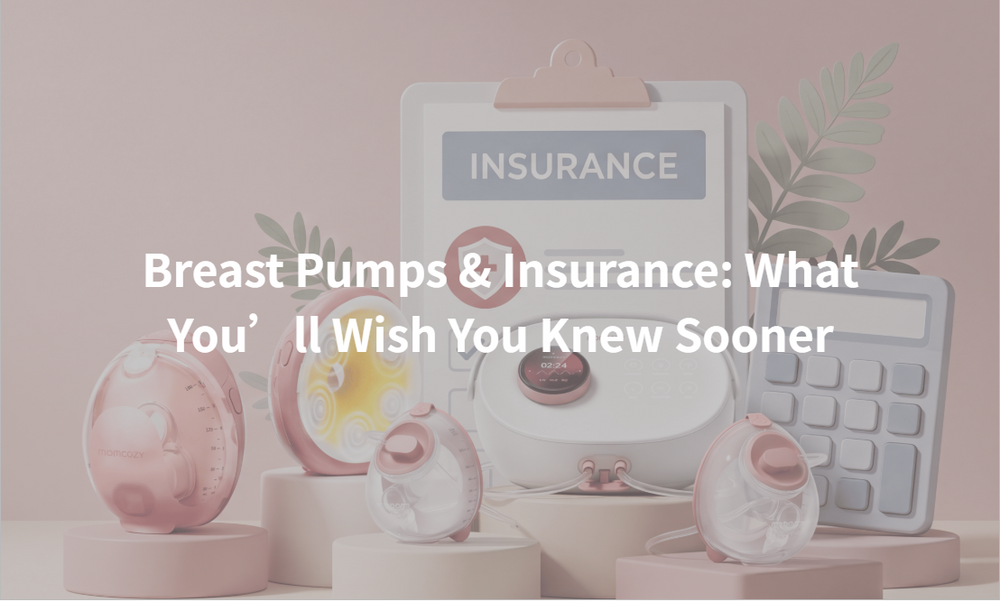
Breast Pumps & Insurance: What You’ll Wish You Knew Sooner
Live Webinar Agenda Segment Key points 1. Welcome Speaker intro, how to ask questions in the chat, and giveaway details 2. How Breast Pump Coverage Works U.S. maternity coverage basics, covered pump types, and upgrade options 3. Questions to Ask Before Ordering In-network DME partners, prescriptions, prior authorizations, and supply coverage 4. Placing Your Order, Step by Step Verifying benefits, preparing documents, and typical shipping timelines 5. Timing Your Order When to order during pregnancy, postpartum ordering, and NICU scenarios 6. Live Q&A Live answers from Noel and giveaway winner announcement 7. Wrap-Up Top three takeaways and a preview of Part 2 If you are pregnant or recently had a baby, you may be wondering: Does insurance cover a breast pump? Which pumps are eligible? Do I need a prescription? How do I avoid unexpected costs or delays? The answers depend on your health plan, but the process does not have to feel confusing. In this guide, Momcozy explains the basics of getting a breast pump through insurance and introduces an upcoming live webinar with DME industry expert Noel Neil. Important: Insurance benefits, eligibility, suppliers, documentation, product categories and out-of-pocket costs vary by plan and state. This article is for general education only and is not a guarantee of coverage or medical, legal or insurance advice. Always confirm details with your health plan and selected DME supplier before ordering. Understanding Breast Pump Insurance Coverage Many U.S. health plans include a breast pump benefit as part of maternity coverage. Depending on your plan, you may receive a pump at no cost, choose from a selection of covered models or pay an additional amount to upgrade to a different model. Some plans may also cover replacement parts or breastfeeding supplies, while others may apply separate limits and requirements. Product availability and costs can vary depending on your insurance provider, state and selected DME supplier. What Is a DME Supplier? A Durable Medical Equipment (DME) partner works directly with your insurance company to make getting a high-quality breast pump simple and stress-free. They help verify in-network coverage, handle prescriptions and claims, clarify covered models or upgrade costs, and ship your pump once approved. Because insurance requirements vary by plan, working with a DME partner ensures you have clear guidance every step of the way. Free Live Webinar: Navigating Breast Pump Insurance Join Momcozy and Noel Neil, a medical equipment reimbursement expert with over 16 years of industry experience, for a free educational webinar designed to help you navigate breast pump insurance with confidence.Subscribe directly on this page to reserve your spot and receive event reminders. Explore Momcozy’s Insurance Resources In addition to the live webinar, Momcozy also provides ongoing resources to help parents explore their breast pump insurance options. Visit Momcozy’s Insurance Partners in the U.S. page to learn more about participating DME partners and insurance-supported breast pumps. From there, you can also use the insurance lookup tool to check potential coverage and available options based on your insurance plan. Final Takeaway Understanding your insurance benefits early can help you avoid unexpected costs and delays. Momcozy’s insurance resources, lookup tool and live webinar can help you feel more prepared as you explore your breast pump options.

How to Prepare for Breastfeeding Without Giving Birth
If you’re adopting or your partner is giving birth, you may be wondering whether you can nurse, what preparation involves, and how your baby will be fed while you learn. This guide walks through those decisions, including what to ask before buying a pump and where supplemental feeds fit in.
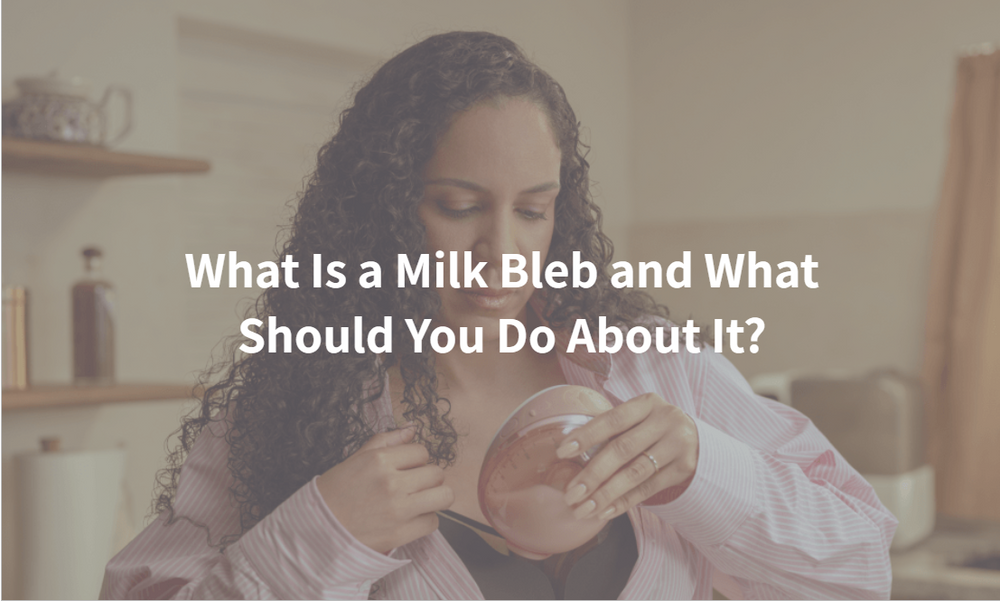
What Is a Milk Bleb, and What Should You Do About It?
A white dot on the nipple and a tender area deeper in the breast can both make feeding uncomfortable. Here’s how to describe what you’re noticing, how a milk blister fits into the picture, and when to get help. The first thing to do with a painful spot is leave its surface alone.
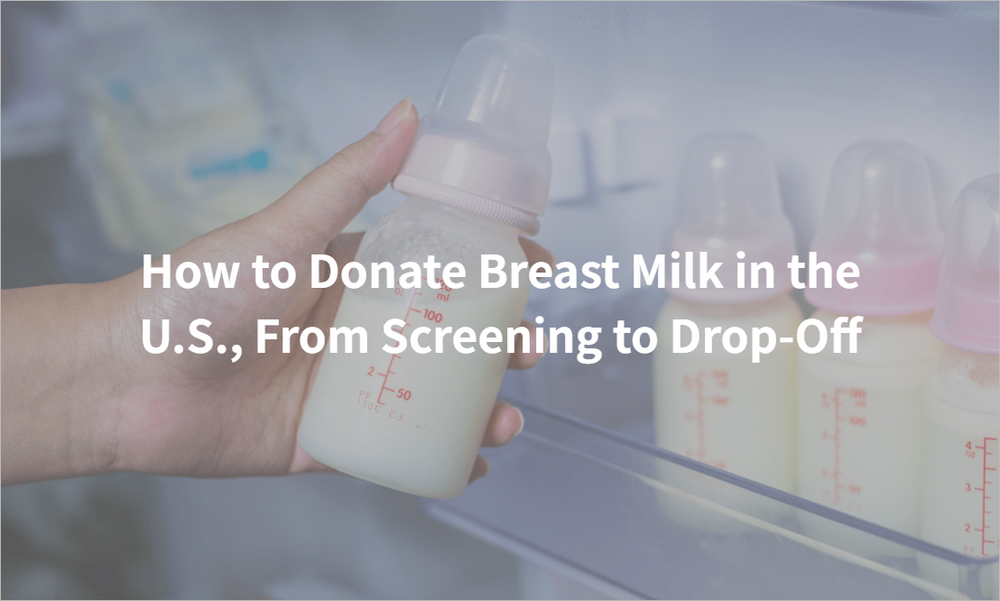
How to Donate Breast Milk in the U.S., From Screening to Drop-Off
Have more frozen milk than your family expects to use? Start with a nonprofit milk bank before packing a cooler. Here’s how U.S. donor screening works, what to ask about milk you already have, and how an approved donation gets from your freezer to the receiving bank.
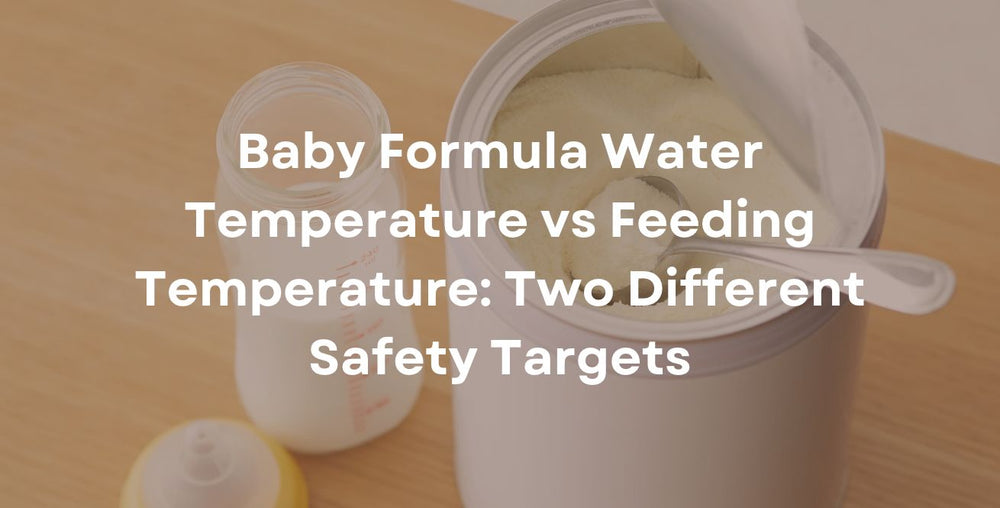
Baby Formula Water Temperature vs Feeding Temperature: Two Different Safety Targets
Baby Formula Water Temperature vs Feeding Temperature explains why mixing water may need to be very hot for higher-risk infants while the finished bottle must cool to a comfortable feeding temperature. Follow the formula label, use safe water, and never treat a bottle warmer as a substitute for the required mixing method.

How Long After Drinking Alcohol Can You Breastfeed?
A dinner invitation can raise two questions: how long to wait after a drink and what to do if your baby gets hungry sooner. This guide explains U.S. standard drinks, the CDC’s timing guidance, and how to make a feeding plan before you leave home.
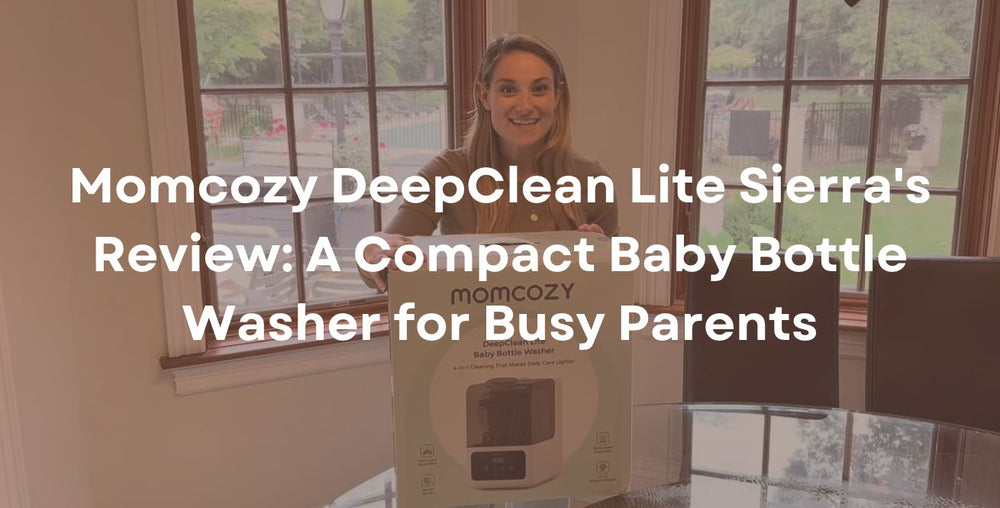
Momcozy DeepClean Lite Sierra's Review: A Compact Baby Bottle Washer for Busy Parents
Bottle washing eats a surprising amount of a parent's day, and pump parts make the pile bigger. This review follows Shop with Sierra's hands-on video of the Momcozy DeepClean Lite, a compact four-in-one unit that washes, sterilizes, dries and stores bottles and feeding accessories. We break down what ships in the box, the four-layer cleaning system, the 19-minute rapid wash, the Pump360 rotary jets for pump parts, and up to 72 hours of filtered storage. Setup comes down to two connections: the power cord and the drain hose. It closes with who the machine suits, and the manufacturer instructions you still have to follow.

Can Foods Increase Milk Supply? What to Eat While Breastfeeding
A grocery list can make breastfeeding days easier, even when it can’t tell you why a bottle looks less full. Here’s what the evidence says about oats, herbs, and lactation snacks, with seven days of simple food ideas and a guide to getting help if supply is a concern.
Breast Pump for Low Milk Supply: What to Consider
Choosing a breast pump for low milk supply starts with understanding your needs. This guide covers flange fit, adjustable settings, pump types, and everyday convenience. Learn what to check before replacing your pump, why output alone does not measure supply, and when to seek professional support for pumping or feeding concerns.
EXPERT Spotlight


Popular Pregnancy & Postpartum Tools

Baby Name Generator
A name is the first gift to your beloved baby. Find the perfect name for your baby

Pregnancy Weight Gain Calculator
Track your pregnancy weight gain and get personalized recommendations based on your pre-pregnancy BMI.

Chinese Gender Prediction Calculator
Legend has it that this ancient Chinese gender prediction chart was discovered in a royal tomb near Beijing over 700 years ago.

Due Date Calculator
Using our Pregnancy Due Date Calculator, you can estimate your due date based on your last menstrual period, conception date, IVF transfer, or ultrasound.