To donate breast milk in the U.S., contact a nonprofit milk bank through HMBANA. Tell the donor coordinator whether you already have frozen milk or hope to donate in the future. The bank will explain screening and check which milk it can accept. Wait for its instructions before buying supplies, making a long drive, or arranging a shipment.
Where can you donate breast milk near you?
Start with a member milk bank of the Human Milk Banking Association of North America, often abbreviated as HMBANA. Ask which bank serves your area and whether it works with a local drop-off location, sometimes called a depot. A depot may be close to home even when the milk bank that screens donors and processes milk is in another city.
Your opening message can be short: “I live in this ZIP code and have milk in my freezer from the past two months. Are you screening new donors, and do you accept previously expressed milk?” If you haven’t started collecting, say so. The coordinator can explain what records and containers would be useful from the beginning.
If you already have frozen milk
Look at a few labels before you call. Note the earliest and latest dates, roughly how much milk you have, and what kind of container you used. Be ready to describe how it was stored and whether it was moved or thawed. You don’t need to take every bag out of the freezer to make this first inquiry.
Leave the original labels in place. If dates are missing or particular bags have a different storage history, identify those separately. It’s easier for the coordinator to answer “I have twelve dated bags and three undated ones” than to sort out a single total with mixed histories. Don’t combine or transfer milk to make the bags look uniform.
How does milk donor screening work?
The milk bank screens the donor before accepting a donation. HMBANA describes an interview, information from a healthcare provider, and blood testing arranged through the bank. The coordinator will tell you which forms to complete, where to go, and when you are cleared to deliver milk.
- Contact the bank. Give your location, explain your interest in breast milk donation, and ask whether it is accepting new donors.
- Complete the initial interview and forms. Answer questions about your health, your baby, medicines, and the collection and storage of your milk.
- Follow the bank’s instructions for provider information and laboratory screening. Ask the coordinator before booking or paying for a test independently.
- Wait for approval and collection instructions. Confirm which dates or batches are eligible and how the bank wants to receive them.
Approval is the beginning of a working relationship. If you develop an illness or start a medicine after your first donation, contact your bank before setting aside more milk for it. Give the name and the relevant dates, including when the milk was expressed. You can ask the coordinator how to separate the affected bags while they review the information. Keep taking prescribed medicine as directed by your clinician.

How is a milk bank different from informal sharing?
A milk bank brings screening, handling records, and processing together. In a direct exchange, a family may know and trust the donor but have no independent way to verify the milk’s full history. The FDA’s guidance on donor human milk recommends discussing a baby’s needs with a healthcare provider and using a source that screens donors and takes other safety precautions.
| Question | Nonprofit milk bank | Informal exchange |
|---|---|---|
| Who reviews donor eligibility? | The bank uses a documented screening process. | The arrangements depend on the people involved. |
| What happens to the milk? | The bank follows procedures for handling, pasteurization, and testing. | Processing and testing may be absent or difficult to verify. |
| Can a batch be traced? | The bank keeps records linking milk to donors and processing batches. | The available history depends on individual records. |
If you are reading this because your own baby needs donor milk, start with the baby’s care team. Applying to receive donor milk and applying to give it are different processes. A hospital can explain how it obtains donor milk for patients; a donor coordinator can explain how your surplus might enter the bank’s supply.
How do you label, store, and deliver donated milk?
Use the receiving bank’s instructions for your donation. You may already follow careful storage habits at home, but the bank serves infants with particular medical needs and has its own requirements for dates, containers, and documentation. Ask for the instructions in writing so everyone who helps with labeling uses the same system.
Label and freeze
- Ask which bags or bottles the bank accepts, and whether it provides them.
- Confirm what to write on each container, including the expression date and any donor identification the bank assigns.
- Ask about the time between expression and freezing, and how far back the bank can accept previously frozen milk.
- Keep milk intended for donation identifiable in the freezer while you await approval.
For milk you keep at home, a breast milk storage chart can help your family organize portions. If your bank accepts the bags you already use, the Momcozy Upgraded Breastmilk Storage Bags have a double zipper and color-alignment guides to help you check the closure. Confirm the bank’s container and labeling requirements before buying a box for donation. A factory seal or temperature indicator cannot document a bag’s freezer history.
Arrange drop-off or shipping
Ask who will receive the milk, when they can take it, and which packaging to use. A drop-off location might have collection hours that differ from the building’s public hours. For shipping, wait for the bank to arrange or authorize the method. HMBANA explains that screening labs and shipping are provided without cost to the donor through its member-bank process.
A cooler you use for the trip home from work isn’t automatically suitable for a donation shipment. A comparison of coolers for personal milk transport can help with everyday carrying; the donation coordinator should tell you what to use for this particular handoff. If pickup is delayed, call before changing the packing arrangement or mailing it yourself.
What happens to donor milk after it arrives?
The receiving team checks the donation against its records and follows the bank’s procedures for storage and processing. Under HMBANA’s milk banking standards, banks screen donors, maintain traceability, pasteurize milk, and use quality controls before distributing it. Donor screening and testing processed milk answer different questions and take place at different points.
From your labeled bag to a processed batch
Milk from approved donors can be pooled during processing. The bank maintains records of which donations went into a batch. Pasteurization uses controlled heat treatment, and microbiological testing is part of the process before milk is released. This is why a legible donor identifier and a clear expression date matter long after a bag has left your freezer.
Pasteurized donor human milk may go to hospitals caring for premature or medically fragile infants when a parent’s own milk is unavailable or insufficient. Each bank handles distribution according to its policies and the needs of recipients. Your coordinator can explain the general route your milk takes, even when the bank cannot tell you which individual baby received it.
How much extra milk can you donate?
There are three numbers worth keeping separate: what your baby is likely to use, what you feel comfortable offering, and any minimum set by the receiving bank. Start with the first two. Look ahead to a work shift, a change in child care, or a recent change in your baby’s feeding before promising an amount.
Ask, “Do you have a minimum for the first donation? Does it apply to later donations too?” A bank’s answer can help you decide whether donating now fits your household. There’s no need to add overnight sessions or change your regular pumping schedule just to reach a quantity mentioned online.
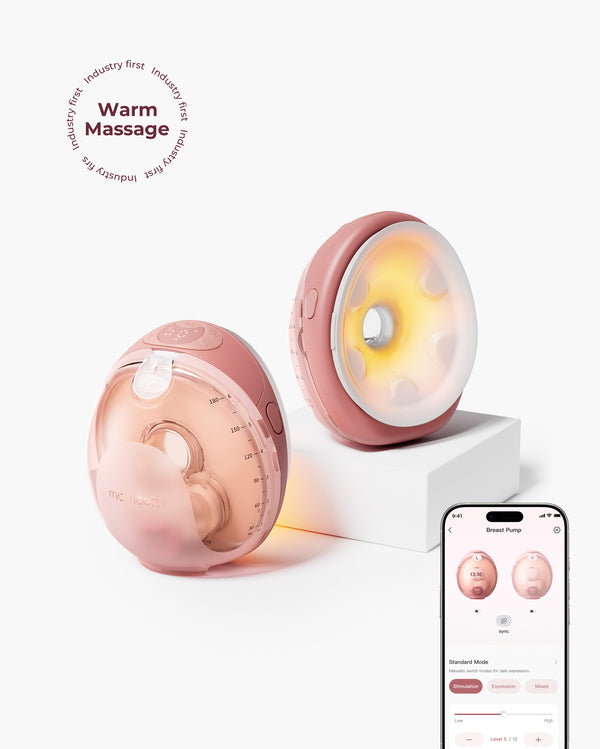
If you already express milk for your own baby, keep using the setup that works for you. Some families use a manual pump occasionally; others prefer electric breast pumps for regular sessions away from home. You can ask about donating surplus collected with your usual equipment. The more important question for the milk bank is how that milk was collected, identified, and stored.
What if a milk bank cannot accept your milk?
Ask whether the decision applies to this batch, a particular date range, or future donations as well. A bank might be able to give instructions for collecting eligible milk going forward. If donated milk cannot be accepted, ask your baby’s clinician about any separate questions concerning your own household’s use of it.
If screening or making regular deliveries doesn’t fit your life, you can still ask the bank whether it needs volunteers or financial contributions. You can also end the conversation there. Milk you expressed for your own family never came with an obligation to donate it.
Frequently asked questions
Can I start screening before building a freezer stash?
Yes. Contacting the bank early lets you learn its rules before filling and labeling bags. Tell the coordinator if you’re still figuring out what your own baby needs. You can ask questions about eligibility and timing without promising a certain quantity or a delivery date.
Do milk banks pay for breast milk?
HMBANA member milk banks seek voluntary donations. HMBANA says the screening laboratory work and shipping in its donor program are covered. If someone offers payment or asks you to front shipping costs, confirm which organization you are dealing with before sending any milk.
Can I donate milk if I take medication?
Ask the bank about the specific medicine and the dates you took it. Its screening team decides which milk it can accept. The criteria for donating to a bank can differ from guidance about feeding your own baby, so bring personal treatment decisions to your prescriber.
How is donated breast milk tested?
The donor’s screening includes blood tests. The bank also checks milk as part of processing and tests processed batches according to its procedures. For questions about a particular test or release criterion, the receiving bank can explain how it handles that step.
Can I donate frozen milk from months ago?
Possibly. The coordinator needs the dates, containers, and storage history to decide. Keep older bags frozen and labeled while you ask. An age limit you see on a household freezer chart or another milk bank’s website doesn’t establish that your local bank can accept them.