There’s no good evidence that any one of the foods sold as “milk production foods” reliably increases breast milk supply. A bowl of oatmeal can still do something worthwhile: give you a warm breakfast you can finish between feeds. If you’re worried about how much your baby is getting, that deserves a closer look alongside whatever you choose to eat.
Can foods increase milk supply?
Milk production responds in large part to how often and how effectively milk leaves the breast. A baby can nurse frequently yet have trouble transferring milk. Someone who usually pumps at lunch may start missing that break at work. Neither situation is easy to spot by looking at what the parent had for breakfast.
Cleveland Clinic’s review of foods to increase milk supply explains why a varied diet makes more sense than singling out a particular grain, vegetable, or drink.
Imagine that you add oatmeal to breakfast the same week your baby starts nursing more often. You may notice fuller bottles a few days later. You know that something changed, but you can’t tell how much credit belongs to the oats. That’s one reason a friend can be entirely sincere about what worked for her and still be unable to predict what will happen for you.
There are two useful questions to ask separately. “What would help me eat enough today?” might have a deliciously straightforward answer. “Is my baby getting enough milk?” calls for information about feeding, diapers, and growth. You can ask your pediatrician the second question today, even if you haven’t changed anything about your diet.

What foods are practical while breastfeeding?
Pick foods that fit the time you actually have. If you have ten minutes before a pumping break and need lunch to last until dinner, a bean burrito is a more useful suggestion than a long list of obscure ingredients. Think of the foods below as building blocks you can move between meals.
| Food | What it contributes | How to use it |
|---|---|---|
| Oats | Carbohydrate and fiber | Soak overnight with milk or a fortified alternative; add fruit in the morning. |
| Eggs | Protein and choline | Boil a few ahead or scramble one for a breakfast tortilla. |
| Beans or lentils | Protein, iron, and fiber | Add canned beans to soup, microwave rice, or leftover pasta. |
| Plain yogurt | Protein and, in dairy yogurt, calcium | Spoon into a bowl with frozen berries or use as a dressing. |
| Peanut or sunflower seed butter | Fat and some protein | Spread on toast or pair with apple slices. |
| Frozen vegetables | Fiber and a variety of vitamins | Stir a handful into noodles while the water is hot. |
Quick breakfasts
If the morning starts with a feed, breakfast may happen in two parts. Have a banana or a piece of toast first, then eat something more substantial once you have a free hand. A yogurt cup, leftover rice with an egg, or a tortilla spread with beans all count as breakfast. On a morning when hot food feels like an achievement, use the microwave.
Make-ahead lunches
Choose one base that can become two different lunches. Rice and black beans can go into a bowl with salsa today and a tortilla with cheese tomorrow. If a family member offers to cook, ask for a few individual portions of something you already like. A container you can open, heat, and eat from saves you one more small job when lunch coincides with a feed.
One-handed snacks
Pack something you can reach and open. A clementine with a cheese stick, crackers with hummus, or half a sandwich can bridge the time between meals. At work, think about where the snack will live: a shelf-stable bar fits in a pumping bag, while yogurt needs a refrigerator or suitable cooler. If someone asks how to help, asking them to restock that little stash is a perfectly good answer.
What are lactogenic foods and galactagogues?
“Lactogenic foods” is a term people use for foods traditionally associated with milk production. A galactagogue is a food, herb, or medicine used with the intention of increasing milk supply. The name tells you its intended purpose. It doesn’t tell you how well it works, at what dose it has been studied, or whether it’s suitable for an individual parent.
“Lactogenic foods” is a term people use for foods traditionally associated with milk production. A galactagogue is a food, herb, or medicine used with the intention of increasing milk supply. The name tells you its intended purpose. It doesn’t tell you how well it works, at what dose it has been studied, or whether it’s suitable for an individual parent.
What a product label can tell you
Turn a package over. On a snack, the ingredients and allergen statement can help you decide whether it belongs in your cupboard. On an herbal product, check the names of all the ingredients. Two teas sold under similar names may contain different herbs. Keep the package or photograph it if you want a pharmacist to review it.
A useful buying question is, “Would I still want this if the front of the box said breakfast cookie?” If the answer is yes, enjoy it as food. If you’re considering a costly subscription because you’re frightened about your baby's intake, put the purchase on hold and call your feeding team first. You deserve an answer that takes your actual feeding history into account.
How much food and fluid do you need?
The CDC’s guidance on nutrition while breastfeeding gives a general estimate of 330 to 400 additional calories a day for well-nourished breastfeeding mothers compared with their pre-pregnancy intake. Individual needs vary with activity, body size, and how much breast milk your baby receives. It’s a population estimate, so there’s no need to divide it between feeds or calculate calories for every ounce you pump.
One practical place to start is the meal you keep missing. If lunch disappears between meetings, put a sandwich in the fridge the night before or keep a shelf-stable soup at work. If dinner is early and you wake hungry, leave a snack ready for later. A dietitian can help tailor meals if you have dietary restrictions or a medical condition that affects what you eat.
Keep water within reach, especially wherever you settle in for a feed. Thirst is a good reason to have a drink. If you dislike plain water, try cold water with fruit, milk with lunch, or a mug of soup. There’s no proven extra-water target that turns into a particular increase in breast milk, and no need to finish a large bottle during every pumping session.
Does fenugreek help with milk supply?
The evidence for fenugreek is mixed. Some studies report a benefit, but products, methods, and other feeding support differ across studies. LactMed’s review of fenugreek also describes side effects and potential interactions. A small amount in a familiar dish and a concentrated supplement taken daily are two different decisions.
Questions to take to a pharmacist
- What ingredients are in this particular capsule, powder, or tea?
- Could it interact with a medicine I already take or be a problem with my allergies?
- What change am I hoping to see, and who can help me assess milk transfer first?
Mention medicines for blood sugar or blood thinning when you ask. If you have had reactions to legumes, mention those too. There is no reason to take an herb to prove you have tried hard enough. If you’ve already started one, bring the label to your appointment and tell the clinician when you began. The timing helps them interpret any changes in how you or your baby feels.
What about oatmeal, lactation cookies, and electrolyte drinks?
People often try oatmeal for milk supply because it’s inexpensive and easy to make. Those are good reasons to eat it. Instant, rolled, and steel-cut oats can all be breakfast; choose the one you’ll actually prepare. Stirring in nut butter, dairy or fortified soy milk, or a handful of fruit can make the bowl more satisfying.
If you like to bake, try this lactation cookie recipe as a snack to share or freeze. There’s no known number of cookies a person needs to eat, and a regular oatmeal cookie is a reasonable choice. If oats aren’t your thing, you can have bread, rice, or another grain without missing a necessary step in breastfeeding.
Electrolyte drinks supply fluid and varying amounts of minerals, sugar, or sweetener. Check the label if you’re choosing one for a particular reason. For an ordinary afternoon at home, drink what you enjoy and can afford. If illness makes it hard to keep fluids down, seek individual advice; buying a drink marketed for lactation won’t address the underlying problem.
A week of easy meals and snacks
Use this as a menu of ideas rather than a seven-day challenge. Repeating the same breakfast every morning is fine. The point of the swap column is to let the contents of your kitchen decide what happens next, especially on a day when getting to the store feels unlikely.
| Day | Breakfast | Make-ahead snack | Easy swap |
|---|---|---|---|
| Monday | Overnight oats and berries | Apple slices and peanut butter | Use sunflower butter or another spread you enjoy. |
| Tuesday | Egg and toast | Yogurt and chopped fruit | Try fortified soy yogurt if that suits you. |
| Wednesday | Rice, beans, and salsa | Crackers and hummus | Use leftover rice or a microwave pouch. |
| Thursday | Yogurt, banana, and cereal | A small bean-and-cheese wrap | Use a non-dairy filling if preferred. |
| Friday | Scrambled egg in a tortilla | Pear and a handful of nuts | Trade the tortilla for toast. |
| Saturday | Peanut butter and banana toast | A portion of leftover lentil soup | Use canned soup and add frozen vegetables. |
| Sunday | Warm oatmeal with diced apple | Cheese and whole-grain crackers | Use whatever fruit needs eating first. |
One shopping trip, several meals
Start by checking for a grain, a protein, a fruit or vegetable, and something that adds flavor. A bag of rice, two cans of beans, frozen peppers, and salsa can cover several lunches. A carton of eggs can serve breakfast one day and turn yesterday’s vegetables into dinner the next. Familiar food tends to be easier to use than a bag of expensive powder you bought for a single recipe.
If you’re shopping for someone who just had a baby, ask one specific question: “Would breakfast or lunch be more helpful this week?” Bring food in portions that fit their fridge. Label anything you freeze and jot down how to reheat it. Buying groceries and washing the dishes afterward may be more welcome than showing up with a list of foods the parent ought to eat.
When should you get help with low supply?
If your baby is feeding poorly, has fewer wet diapers than expected for their age, or there are concerns about weight gain, contact your pediatrician promptly. Don’t wait for a change in diet to work. A lactation consultant can watch a feed or pumping session, check comfort and milk transfer, and help you decide what to do next.
One bottle tells you what a breast pump collected at that particular time. It can be affected by when your baby last fed, how the parts fit together, and whether pumping was comfortable. If collecting milk has become difficult, describe the change: “I usually pump at noon, but this week my break moved right after I nurse.” That detail helps more than trying to reconstruct everything you ate.
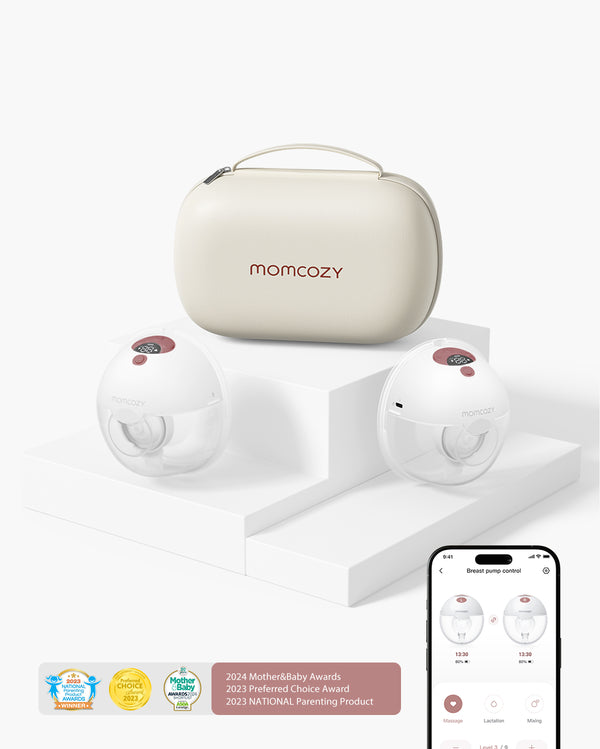
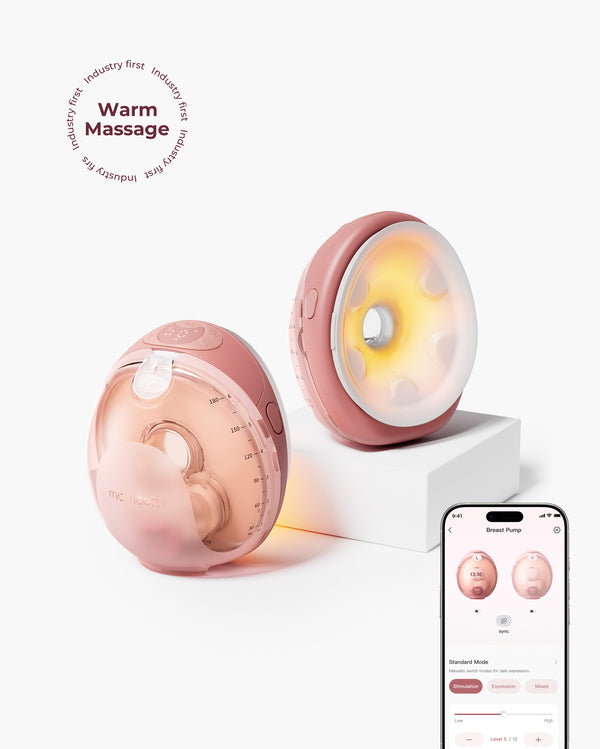
If pumping is already part of your plan, this guide to pumping with low milk supply can help you prepare questions. When comparing electric breast pumps, consider how the controls feel on each side. The Momcozy V3 double electric breast pump has separate motors and 15 suction levels per side, so you can adjust one breast without changing the setting on the other. Comfort is a useful basis for choosing equipment. Your baby’s feeding and growth remain the best reasons to ask for a clinical assessment.
Frequently asked questions
Can I use regular oats instead of lactation cookies?
Yes. Choose plain oats if they’re cheaper or easier to keep on hand. You can dress them up with cinnamon, fruit, or a spoonful of yogurt. A specialty cookie is an optional snack, and its name doesn’t establish a benefit for milk production.
How long do lactation foods take to work?
There isn’t a reliable timetable. If you’ve noticed a drop, make a note of when it started and whether nursing or pumping changed around the same time. If your concern is your baby’s intake, call your pediatrician rather than waiting several days for a particular food to help.
Does drinking more water increase milk supply?
Drink when thirsty and keep fluids accessible. Forcing yourself to drink beyond your needs hasn’t been shown to deliver more milk. If it’s hard to remember water during a busy shift, pack a drink with lunch and keep a refillable bottle with your pump.
Is fenugreek safe while breastfeeding?
That depends on the preparation, your medical history, and any medicines you take. Before trying a concentrated supplement, ask a clinician or pharmacist to check the actual ingredient list. Tell them about allergies and anything else you take for milk supply, including teas.
Can I increase my milk supply without supplements?
A feeding assessment is a good starting point. If milk isn’t being removed effectively, support with latch, pump fit, or a schedule that matches your baby’s needs may help. You can ask for that help without first buying supplements or changing your family’s meals.