Stopping breastfeeding touches each person differently. Months ahead, some prepare slowly; sudden shifts happen too - health issues, medicines, emotional struggles, or curveballs in life can interrupt plans. Yet whatever the cause, a question keeps surfacing: how do you dry up your milk production without added discomfort or problems?
Most folks think nursing stops cold once you wean. Hormones like prolactin keep things going, nudged along by touch and emptying. Milk left inside tells your system: ease up slowly. Rush that shift? You might face swelling, blocked flow, infection, and even tough feelings. Healing needs patience. Bodies listen best when changes come gently. For those just starting to see a dip, understanding when does milk supply regulate can offer perspective on how the body manages production over time.
Stopping breast milk happens differently for everyone. Some feel relief right away. Others notice changes slowly. Doctors often suggest gradual steps to lower supply. Things like cold packs help ease fullness. Emotions might shift without warning. Talking helps more than expected. Certain herbs come up in conversations with nurses. Sudden stops carry higher discomfort. Comfort comes through small choices. Each body responds in its own way.
Why Parents Choose to Dry Up Breast Milk
Some parents find they need to stop breastfeeding for lots of different reasons. Each one matters just as much as the next. Knowing your own reason makes it easier to choose a safe path forward
A few moms stop making milk when the medicines they must take can harm a nursing baby. Because of ongoing infections in the breast, some choose to wean even if it was not planned. Constant soreness or too much supply often makes life harder than expected. When emotional strain feels overwhelming, feeding at the breast might add pressure instead of relief.
Some folks find their bodies quit making milk once a pregnancy ends too soon, or if nursing at the breast isn’t doable. Still others drift away from feeding this way upon going back to jobs, when pulling time for pump sessions runs thin, or just because it stops fitting how life looks now. A sudden milk supply drop can sometimes be the catalyst that leads a parent to decide it is time to dry up their milk for good.
A sudden change might call for quicker adjustments, while steady conditions allow slower shifts. What works one time may fail another, depending on surrounding factors.
What Is the Best Time to Start Drying Up Your Breast Milk?
Every person finds their own way through weaning. What matters most grows from how you feel in body and mind, shaped by what's happening medically. Some move fast, others slow - no single path fits all.
Some time after birth, hormones run the show when it comes to making milk, so things can feel overwhelming at first. Cutting off feeding fast during this phase might bring extra soreness. When nursing ends much later, well into months or even past a year, the letdown slows down since the system has settled into a steady rhythm.
Resting while keeping an eye on how you feel helps smooth things out, if timing allows. Should changes need to come fast, turning to a healthcare provider supports safer steps ahead.
How Long Does It Take to Dry Up Milk?
What often comes up? People are wondering how to know if your milk is drying up and how long it will take.
For most parents:
- A dip in milk happens fast when feeding slows down. Less demand means less production kicks in soon after. The body adjusts quickly once the rhythm changes. Output drops before long if sessions get skipped. Response time is short when nursing fades
- Most people start feeling better after about seven to fourteen days
- Weeks might pass before everything is fully dry
Now here's something common - a little seepage can hang around even once your body mostly stops making milk. How long you feed plays a role, yet so does how frequently the milk gets emptied out. Hormones differ from person to person, that’s why some wrap up sooner than others.
Different Ways to Stop Milk Production
Gradual Reduction (Preferred Method)
Fewer feeds over time helps ease the body into less milk production. As supply drops, discomfort often stays low when changes happen step by step. Instead of stopping fast, many caregivers trim minutes off each session. Others wait longer between sessions, letting rhythm shift gradually. Dropping just one feed every few days can make a difference without overload.
Breastfeeding more often cuts down on blocked tubes plus infections; doctors suggest it when possible. Most parents find it helps keep things running smooth.
Sudden Stopping
Stopping all at once cuts off stimulation completely. Though needed now and then for health reasons, it can bring more chances of hurting, puffiness, or getting sick. Dealing with discomfort matters most when going this route.
Finding relief often depends on how well you handle touch, force, or swelling - no matter the path taken.
Avoiding sudden stops makes weaning gentler on the body. Healthline points out that easing off pumping or nursing reduces risks like painful fullness, blocked milk flow, or breast infection because hormones shift more smoothly when changes are small and spaced out.
Medications to Help Stop Your Milk Supply
When needed, some medicines can lower prolactin to halt milk making. Doctors usually suggest these only after a miscarriage or if nursing could harm health.
Few people feel perfectly fine when taking these - some get dizzy, queasy, or notice shifts in their blood pressure. These pills demand a doctor's guidance every single time, never chosen as the go-to option for standard tapering routines.
Sometimes doctors suggest medicine to lower prolactin, a hormone tied to making breast milk. When health issues require ending nursing, such drugs might come into play, says GoodRx. Using them just to wean isn’t common because risks can outweigh benefits.
Tools and Tips to Dry Up Your Milk Supply Safely
Achieving comfort often means easing milk production gently. Tools designed for relief help make that shift safer. Shifting supply levels can feel overwhelming - supportive items soften the process. And a nursing pillow used for comfortable positioning during transitional feeds can soften the process.
Supportive Bra
A firm, wireless sports bra helps keep breasts in place, reducing stimulation. Instead of digging in, the Momcozy Mesh Support Plus Size Pumping and Nursing Bra holds things securely but gently - tight bands might make blocked milk passages worse. When fullness increases, airflow from its fabric keeps discomfort on the lower side.
Cold Therapy
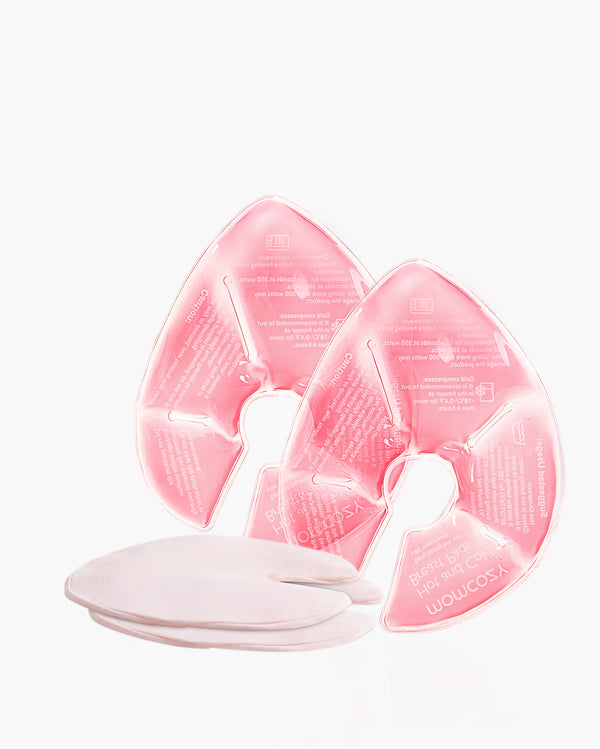
When it gets cold, blood flow slows down a bit. Those Momcozy Hot and Cold Breast Pads shift between warm and cool modes to fit what feels better moment by moment. A brief touch on the skin may calm puffiness when things feel tight. That early stretch, right after cutting back feeding, often brings the most pressure. Relief sometimes comes just from placing something gentle there. Cold Packs to reduce swelling and pain
Breast Pads
Moisture often escapes when milk production slows down. These Momcozy Ultra-Thin Reusable Breast Pads absorb leaks and keep you dry, so your clothes and skin feel less wet through shifting phases.
Breast Pump (Used Carefully)
Ultraflach
Kabelloses Aufladen
Müheloses Anlegen
Leise & smart
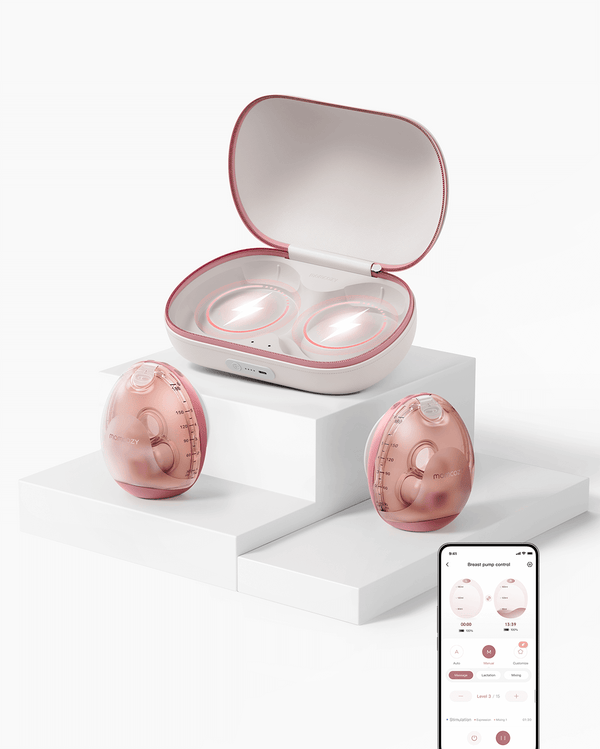
Express just enough milk to relieve painful fullness (lumps/hardness), but don't fully drain the breast, as this signals more production. Using the Momcozy Air 1 Ultra Slim Breast Pump offers soft, steady relief. Pressure drops that way, yet the breast stays mostly filled. Here’s why it counts: when you drain completely, your body takes that as a cue to make more milk. Express just enough? Soreness fades, but output does not go up.
When stopping breastfeeding, feeling at ease matters most, as highlighted by Milestones Nutrition who study nutrition and nursing. Supportive bras help, so do cool packs - these ease the physical changes. Expressing just a little now and then keeps things manageable without triggering more supply. That advice comes from people focused on nourishment during life's shifts.
Are There Risks to Stopping Breastfeeding Too Quickly?
Stopping breastfeeding quickly can lead to swollen breasts, blocked milk ducts, infections like mastitis, and even abscesses. Hormones shifting fast might bring feelings of low mood, frustration, or unease. Though less discussed, emotional waves often follow physical changes. Not every person feels this way, yet it's common enough to note. Body adjustments tend to echo beyond just physical signs.
Over time, cutting back slowly while using help strategies and watching symptoms can make things safer. That kind of approach tends to reduce danger a lot. To minimize complications, you may want to look into specific foods that reduce milk production to help the process along naturally.
What to Expect When Your Supply Is Decreasing
When milk supply drops, caregivers often see changes like these:
- Less breast fullness
- Softer breast tissue
- Decreased leaking
- Occasional tenderness
Now that hormone levels are shifting, emotions might shift too. Most often, things settle down after several weeks pass.
When to Seek Professional Help
Contact a healthcare provider if you experience:
- Fever or flu-like symptoms
- Red, warm, or painful breast areas
- Sharp hurt that gets worse over time
- Heavy emotions piling up without a clear way out
Picking up problems fast means fewer issues later, while helping healing move forward. A quick start makes a difference when things are just beginning to go wrong.
FAQs About Drying Up Breast Milk
Are there methods to avoid when trying to dry up your milk supply?
Skipping tight wraps helps. Over-pumping brings more soreness, not less. Going too long without fluids can backfire badly. None of these actually shut down the supply in a safe way.
How long does it take for breast milk to stop after you wean your baby?
Some mothers find their milk fades after a few weeks, yet traces can linger beyond that point.
Can I restart my milk supply after drying it up?
Getting milk flow back can happen, yet the chances drop the more time passes without nursing. Milk return becomes less likely the longer it has been absent.
How do I manage pain and engorgement when trying to dry up my supply?
Start with a cool compress. Wear a bra that holds without squeezing. Express only what's necessary. Take time off when you can. Skip long pump routines entirely.
Supporting Feeding Transitions
When milk supply drops, mealtime habits usually change too. Sitting upright during early bites matters, something the Momcozy DinerPal High Chair makes easier for little ones stepping back from nursing. Cleaning gear stays important even with fewer uses, a task the Momcozy KleanPal Pro Baby Bottle Washer handles well - particularly useful as bottle and pump part washing turns irregular yet broader in scope.
5 Modi
Sicherheitsdesign
Lebenslanger Gebrauch
Einfache Reinigung
Flaschenwaschmaschine
Sterilisator & Trockner
Wäscht mehr als nur Flaschen
Conclusion
What helps ease the letdown when cutting back on breastfeeding? Paying close attention to how your body reacts makes a difference. Some choose slow steps, others stop fast - either way, less pumping or nursing eases pressure. Soreness might come, yet gentle care softens it. Each shift matters, especially when honoring personal limits.
What looks like an end might just be a shift. When choices are clear, help is close, tools work well, stillness finds its way into the moment. A different path opens without force.