




Feature Article

Dein kompletter Leitfaden für das Schwangerschaftskissen: Jede Nacht besser schlafen

Hormonelle Veränderungen nach der Geburt: Vollständiger Leitfaden für die Hormonumstellung nach der Geburt

Ist es normal, nach einem Kaiserschnitt Durchfall zu haben?

Wie man ein Schwangerschaftsbauchband für Komfort und Unterstützung trägt
Latest Article

Wie man mit einem Neugeborenen zur Ruhe kommt
Neue Eltern können sich mit einem Neugeborenen erholen, indem sie während des Schlafs des Babys ein Nickerchen machen, sich die nächtlichen Aufgaben teilen und eine erholsame Umgebung schaffen. Verstelle die Erwartungen und setze Prioritäten bei der Selbstfürsorge.
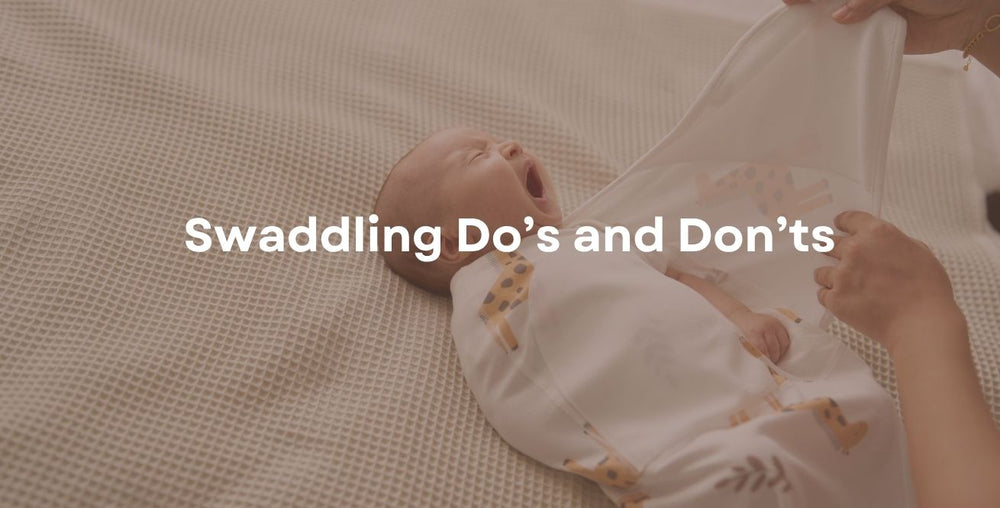
Swaddling Do’s and Don’ts
Swaddling Do’s and Don’ts Do’s Don’ts Use lightweight, breathable fabrics or a proper swaddle wrap with the appropriate method. Do not swaddle too tightly or too loosely — tight swaddles restrict breathing and the hips, loose swaddles may unravel and cover the face. Leave room around the chest (about two fingers of space) to allow natural breathing. Do not cover the face or add extra blankets inside the crib, which increases suffocation and SIDS risk. Allow free hip and leg movement — hips should bend and legs should splay naturally to prevent hip dysplasia. Avoid wrapping your legs straight and tight, as this may cause hip problems. Always place the baby on their back to sleep in a firm, flat crib with no extra items. Do not place the baby on the stomach or side while swaddled. Make swaddling part of a bedtime routine to create a sleep association. Do not continue swaddling once the baby can roll over (usually around 8–12 weeks). Watch for signs of overheating — flushed cheeks, sweating, or fast breathing — and adjust clothing or stop swaddling if needed. Do not use heavy or weighted swaddles, which raise overheating and SIDS risk.
EXPERT Spotlight


Popular Pregnancy & Postpartum Tools

Baby Name Generator
A name is the first gift to your beloved baby. Find the perfect name for your baby

Pregnancy Weight Gain Calculator
Track your pregnancy weight gain and get personalized recommendations based on your pre-pregnancy BMI.
Chinese Gender Prediction Calculator
Legend has it that this ancient Chinese gender prediction chart was discovered in a royal tomb near Beijing over 700 years ago.
Due Date Calculator
Using our Pregnancy Due Date Calculator, you can estimate your due date based on your last menstrual period, conception date, IVF transfer, or ultrasound.