


Table of Contents
Does your baby refuse to sleep unless you're holding them? Or do they fall asleep in your arms but wake up the moment you put them down? As parents, this gets exhausting fast—you can't rest if your baby only sleeps in your arms. But what causes this, and how can you fix it?

Key Takeaways
- Newborns want to be held because it feels like the womb. Your warmth, movement, and heartbeat make them feel safe and comfortable.
- Babies sleeping in your arms face higher SIDS risks. They can roll into unsafe positions or their airway can get blocked.
- Go slow when transitioning to crib sleep. Start with short periods in a safe sleep space while staying close to your baby.
- Baby swings help with the transition. They copy the gentle rocking and snug feeling of being held.
Why Babies Sleep Only When Held
Your newborn won't sleep in a crib because it feels nothing like the womb. For nine months, your baby experienced:
- Constant gentle movement from your daily activities
- Muffled sounds that created a soothing background
- Steady warmth at around 98.6°F (37°C)
- The rhythmic sound of your heartbeat
- Snug boundaries that made them feel secure
Birth suddenly ends all of this comfort.
Your Baby's Survival Instincts
Your baby's brain runs on survival instincts developed over thousands of years. Being alone meant danger. When you hold your baby, their body gets clear signals that they're safe.
Your body heat keeps your baby at the right temperature. Newborns can't regulate their own body heat well, so holding them works like a natural thermostat. The gentle movements from your breathing help calm them down. Research shows held babies have steadier heart rates and lower stress levels.

Your heartbeat and voice add comfort too. These familiar sounds trigger relaxation, bringing back the security they felt in the womb.
The Fourth Trimester
Human babies are born quite helpless compared to other mammals. Pediatricians call the first three months the "fourth trimester" because babies still need womb-like conditions during this time.
The Startle Reflex
The Moro reflex makes babies jerk awake when they feel unsupported, as if they're falling. Your arms provide constant contact that keeps this reflex quiet. On a flat mattress, even tiny movements can trigger it, causing your sleeping baby to suddenly wake up crying.
How Baby Sleep Differs from Adult Sleep
| Sleep Factor | Newborns | Adults |
| REM Sleep (Light Sleep) | 50% of total sleep | 20% of total sleep |
| Sleep Cycle Length | 45-60 minutes | 90 minutes |
| Total Daily Sleep | 14-17 hours | 7-9 hours |
| Night Wakings | Multiple times per night | Rare or none |
| Self-Soothing Ability | Limited to none | Developed |
Being held provides the security babies need to stay asleep through these frequent transitions.
Is It Safe for Baby to Sleep in My Arms?
No. While holding a sleeping baby feels natural, it creates serious safety risks.
Your baby's head can fall forward and block their airway. Newborns don't have the neck strength to lift their heads back up.
You will eventually fall asleep—exhaustion guarantees it. When you drift off, your arm muscles relax. Your baby could roll into a dangerous position or slip into gaps in furniture. Suffocation can happen within minutes.
Overheating is another problem. Your body heat, combined with blankets, raises the temperature above the safe range of 68-72°F for infant sleep.
Not getting enough sleep hurts your judgment as badly as alcohol does. Many accidental infant deaths happen when exhausted parents fall asleep while holding their babies. Hold them only when you're awake.
How to Get Baby to Sleep Without Being Held
Moving your baby from your arms to sleeping independently takes patience. These methods work with your baby's natural needs.
1. Put Your Baby Down Gradually
Start with your baby fully asleep in your arms. Wait 20 minutes after they fall asleep to let them move into deeper sleep.
Slowly lower them while keeping contact. Keep one hand on their chest and another supporting their head for 5-10 minutes. Gradually ease up but keep your hands in place. Once your baby stays calm, slowly lift your hands away.
If your baby startles, put your hands back and apply gentle pressure. This might take 30 minutes at first, but it gets faster as your baby adjusts.
2. Make the Crib Feel More Comfortable
- White noise copies the sound inside the womb and blocks out other noises.
- Swaddling recreates the snug feeling and stops the startle reflex. Make sure the swaddle is safe for your baby's hips. Stop swaddling once your baby can roll over.
- Warm the sleep surface first. Put a warm water bottle on the sheet for a few minutes, then remove it. This prevents the shock of going from warm arms to cool sheets.
3. Put Baby Down Drowsy, Not Asleep
Hold and rock your baby until drowsy but not fully asleep. Put your baby in the crib while still slightly awake. Stay close and use gentle touches or soft sounds.
This feels wrong because it's easier to get your baby fully asleep first. But babies who learn to fall asleep on their own sleep better long-term. They learn to calm themselves instead of needing you every time.
4. Watch Your Timing
Look for these sleepy signs before your baby gets overtired:
- Yawning
- Rubbing eyes or ears
- Looking away from you or toys
- Fussiness or crying
- Jerky arm and leg movements
- Arching back
An overtired baby has stress hormones that make settling harder. Newborns usually need to sleep every 45-90 minutes.
5. Give Plenty of Contact When Awake
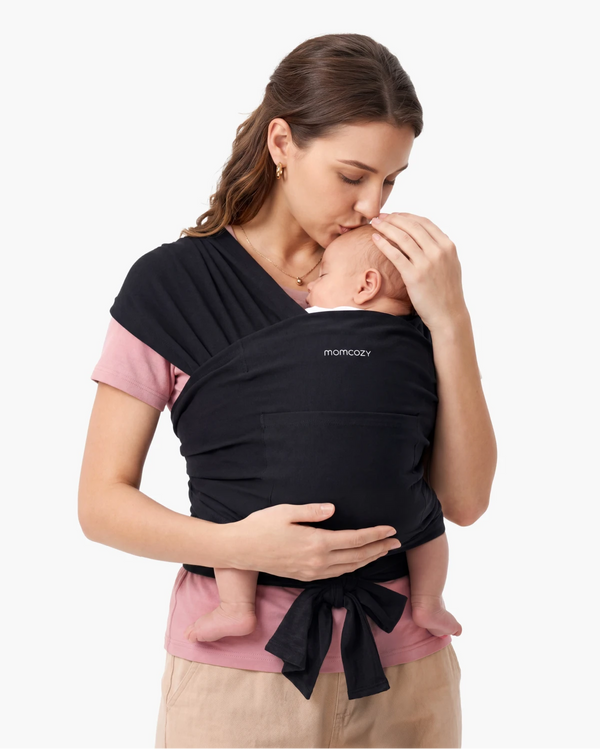
Use baby carriers, hold your baby skin-to-skin, and give plenty of cuddles during wake times. Babies who get lots of contact while awake often settle more easily at sleep time.


$79.99 USD

Ab $32.99 USD
Easy To Use
Soft Fabric
For Cuddle Lover
How Baby Swings Can Help
Baby swings bridge the gap between being held and sleeping independently. They copy key aspects of being in your arms while providing a portable playard for supervised naps.
Why Swings Work
Gentle motion mimics the rocking babies experience when held. Studies show babies' heart rates slow during gentle swinging.
Reclined positioning feels more womb-like than lying flat and can reduce reflux discomfort.
Snug seats provide the contained feeling babies crave, similar to being cradled.
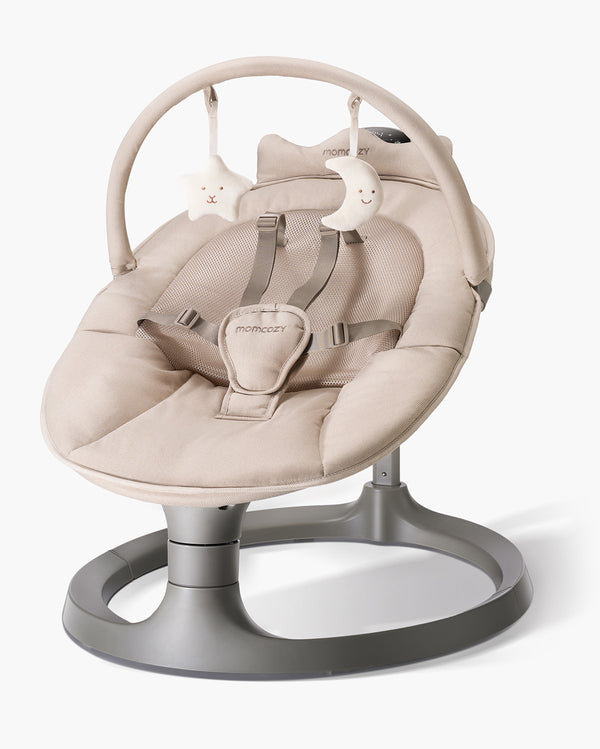
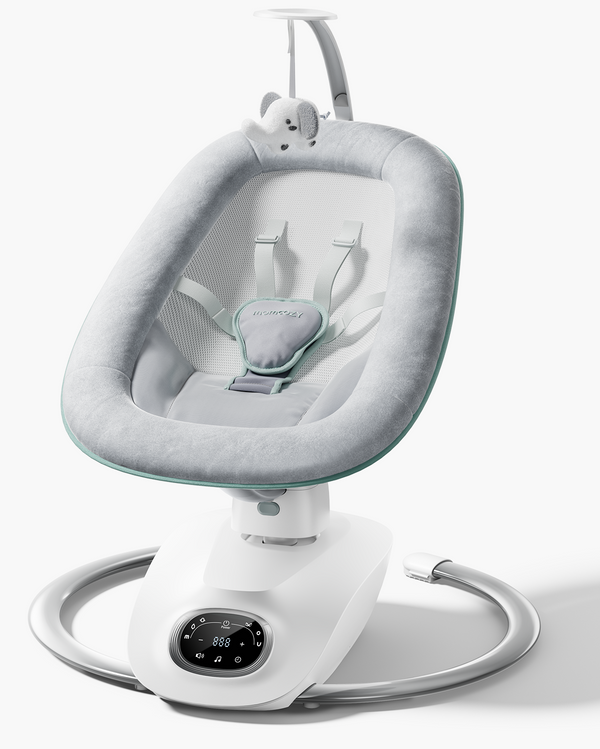
The Momcozy Baby Swing offers features for babies who struggle without contact:
5-Point Safety Harness keeps baby securely positioned. Multiple Speed Settings let you find the exact rhythm your baby prefers. Timer Function stops after set periods. Soothing Sounds provide auditory comfort. Bluetooth Connectivity lets you adjust settings remotely. Compact Design folds for storage or moving between rooms.

$159.99 USD
Beidseitige Armlehnen
Von Eltern inspirierte Schaukelbewegungen
Bequemer Sitz
Auch als Standstuhl verwendbar

Patentierte 3D Swing Tech
6 Schaukelbewegungen
180° drehbarer Sitz
5-Punkt-Gurt
Safe Swing Use
Use swings only while baby is supervised. Always use the safety harness. Never add blankets or toys. Transition baby to a crib for nighttime sleep. Stop using swings once baby can sit up (around 6 months).
Using Swings as a Transition
Start with supervised naps in the swing. Gradually reduce the swing speed over days or weeks. Eventually use the swing with motion off. Finally, transfer to the crib. This prevents the shock of going directly from constant holding to a flat crib.

How to Share Baby Sleep Duties with Your Partner
Sharing responsibilities prevents burnout and gives your baby multiple sources of comfort.
Split the Night in Shifts
One partner handles 8 PM to 2 AM while the other sleeps. Then switch. This gives each person a 6-hour sleep block.
Or alternate full nights. One parent takes complete responsibility one night, then gets the next night off.
Another option is dividing tasks by strengths. One partner handles put-downs while the other does diaper changes.
Help Your Baby Accept Both Parents
Each parent has different techniques—one might rock, another might pat. This teaches babies they can calm down in multiple ways.
Start during wake times. Let your partner handle diaper changes and bedtime routines while you're nearby. Once your baby accepts comfort from both parents while awake, nighttime settling gets easier.
Set Clear Expectations
Decide who's responsible for what and when. Use scheduled shifts instead of vague agreements. Revisit your plan as needed.
If one parent is breastfeeding, the non-nursing partner can handle all non-feeding sleep tasks, household chores, or ensure the nursing parent gets daytime rest.
Safe Ways to Hold Your Sleeping Baby
When holding your sleeping baby while awake, proper positioning matters.
Support baby's head in the crook of your elbow with their body along your forearm (cradle hold). Or hold baby against your chest with their head on your shoulder (upright hold).
Always keep baby's back and neck aligned. Ensure face is visible and not covered. Avoid chin-to-chest positioning. Stay fully awake. Never hold baby while in bed or on soft furniture where you might fall asleep.
When to Call Your Pediatrician
Most babies who prefer being held are following normal behavior. However, contact your pediatrician if:
Baby seems in pain when lying down. Flat positioning might hurt if baby has reflux or an ear infection.
Baby stops gaining weight appropriately or shows extreme distress that doesn't respond to soothing.
Baby has breathing difficulties—gasping, wheezing, or pauses in breathing require immediate attention.
Sleep deprivation affects your mental health too. If you feel overwhelmed or depressed, tell your doctor. Postpartum depression and anxiety are treatable.
Help Your Baby Sleep Independently: Next Steps
Your baby wanting to sleep only in your arms is completely normal. They're still getting used to life outside the womb, where everything was warm and rhythmic. Use the methods in this article to help your baby adjust, build healthy sleep habits, and make parenting a bit easier for yourself. Explore Momcozy for more parenting tips and helpful products.
FAQs
Q1: How Can I Help My Baby Adjust to Sleeping in a Crib After Being Held for Sleep?
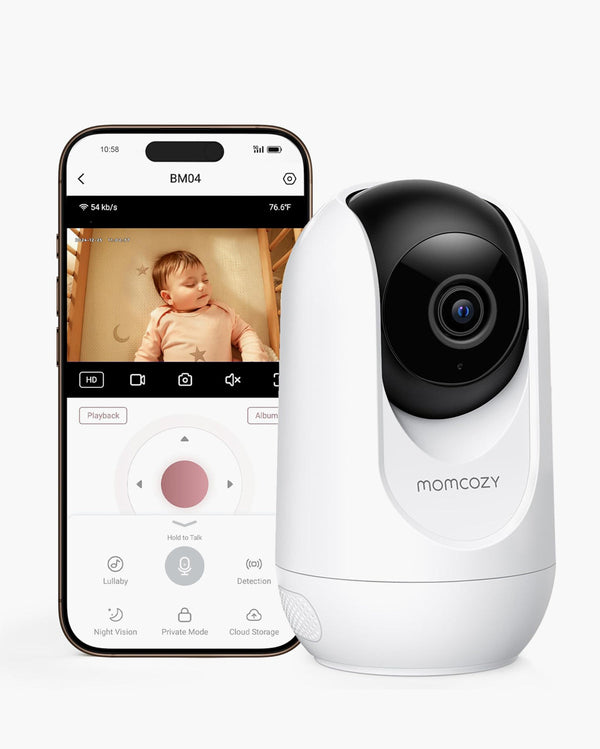
Move only one nap to the crib at a time initially. Everything else should stay the same, like the sleep music, dark room, and white noise. This helps your baby know when it's time to sleep even when you transfer them to the crib. You can check on them remotely with a baby monitor without disturbing their sleep.


$79.99 USD

$89.99 USD
Q2: How Can I Help My Baby Feel Secure Without Being Held All the Time?
When your baby is awake, keep them close by wearing them or having skin-to-skin contact. You can help your baby feel less stressed by giving them everyday routines that they can count on. For babies over four months old, a small blanket or toy that smells like you can help soothe them when you're not cuddling them.
Q3: Is It Normal for My Baby to Only Nap When Being Held, and How Can I Change This?
This is normal for babies this age, who naturally like to sleep close to their parents. It's best to start with the morning nap if your baby takes one every day. Don't forget that some days will be better than others. As babies get older, most gradually start sleeping more independently. Be patient with the process.








