Some parents hesitate to travel with their babies because of how stressful breastfeeding on the go can be. The idea of managing pumping and feeding schedules during a busy travel day is daunting. But sometimes, it can't be avoided. Don't worry. Breastfeeding while traveling is much easier than it seems once you have the right strategies, tools, and mindset in place. This guide will ensure you have them. Here is everything you need to know to make your journey smooth, confident, and stress-free.
Why Breastfeeding While Traveling Is Easier Than You Think
Do you feel nervous about an upcoming trip with your baby? What you feel is completely normal. Moms often find managing feeds away from your normal routine scary. But take a deep breath. It can be easier than you think. After all, feeding your baby on the road has one huge hidden benefit: your milk is always with you!
The real challenge of travel is rarely the act of feeding itself. Instead, it comes down to logistics, packing the right tools, and giving yourself peace of mind.
Since your milk is always with you, you don't need to pack heavy formula cans or measure out distilled water. You also don't have to look for a microwave to heat up a feeding bottle. Your baby will have access to your breast milk on-demand. It is always served at the perfect temperature, completely sterile, and custom-made for your baby's needs.
But no two days are the same. So every travel day also looks a little different. Thankfully, you can choose from two feeding options:
-
Direct Nursing: Direct nursing offers the ultimate convenience. You don't have to pack a lot of things and you don't need to wash anything. It also allows you to comfort your baby instantly during long transit days.
-
Pumping on the Go: Pumping while traveling requires a bit more gear and planning, but it gives you flexibility. It lets your partner share feeding duties. It even allows you to travel without bringing your baby with you.
Plan Ahead: Your Pre-Trip Checklist
There is one very important rule that you have to keep in mind. Never pack the night before your trip! Organize your gear at least a few days before it. It helps prevent last-minute panic and ensures you do not leave vital pump parts behind.
Your Travel Feeding Checklist
Make sure you have these key items ready before you zip up your bags:
-
Portable breast pump and charging cords or extra batteries
- Hands-free pumping bra
- Breast milk storage bags and bottles
- Insulated cooler bag with pre-frozen gel packs
- Lightweight nursing cover or muslin blanket
- Soothing nipple cream and nursing pads
- Quick-clean pump wipes and a wet/dry bag
- Plenty of high-protein snacks and a refillable water bottle
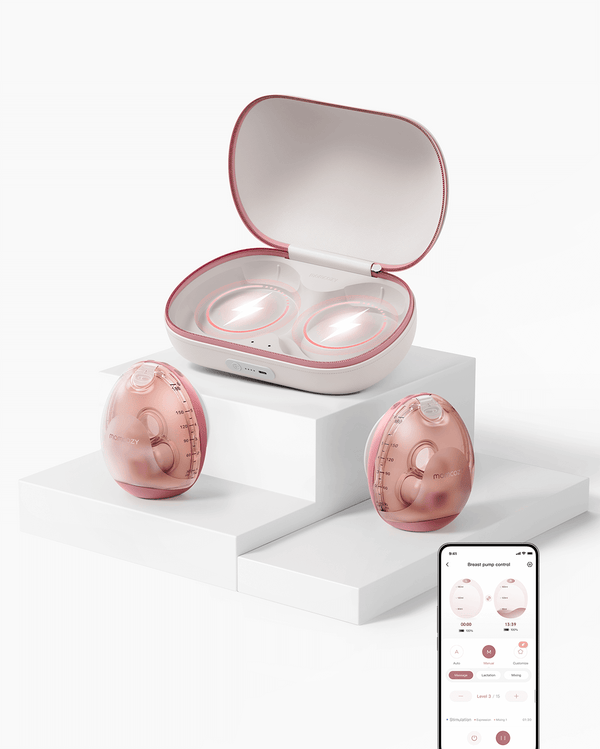
You would want to keep your bag light so it does not affect your mobility.That said, you should consider packing compact gear like the Air 1 Ultra-Slim Breast Pump. It features a convenient portable charging case and ultra-slim profile that slips easily into your carry-on without taking up bulky space.
Ultraflach
Kabelloses Aufladen
Müheloses Anlegen
Leise & smart
Für alle Milchpumpen
Freihändig
This breast pump also connects directly to a mobile app. That allows you to easily monitor and manage your pumping schedule right from your smartphone while traveling. Pairing it with a versatile DEX 4-in-1 Hands Free Pumping Bra lets you express milk completely hands-free while navigating airports or rest stops.
Don't forget to pack durable Breastmilk Storage Bags for storing expressed milk. A tube of 100% Natural Nipple Cream is also a good item to bring. It allows you to soothe breast-related discomfort you may feel between feeds.
Call Ahead to Your Destination
A few quick calls before you leave can save you major headaches later:
-
Hotels: Call your hotel and request a mini-fridge in your room. Most hotels will provide one free of charge if you explain that you need it to store medical items or breast milk.
-
Airports: Download apps like Mamava or Moms Pump Here to locate private lactation pods and mother’s rooms along your flight path.
-
Airlines: Check your airline’s family policy. Most major airlines allow you to carry a dedicated breast pump bag for free in addition to your standard carry-on allowance.
Time Departures Around Feeding Rhythms
Sync your departure time with your baby’s natural routine as much as possible. Traveling right after a full feed or during your baby’s typical nap time makes the start of the trip easier.
What to Pack in Your Breastfeeding & Pumping Travel Kit
Always keep your feeding gear in a dedicated "go-bag" that stays with you at all times. Never pack your breast pump or expressed milk in checked luggage! Your suitcase may get lost. If that happens, you will also lose your pump and hard-earned milk supply.
Essential Gear for Your Carry-On Bag
Your travel kit should keep everything organized and easily accessible:
-
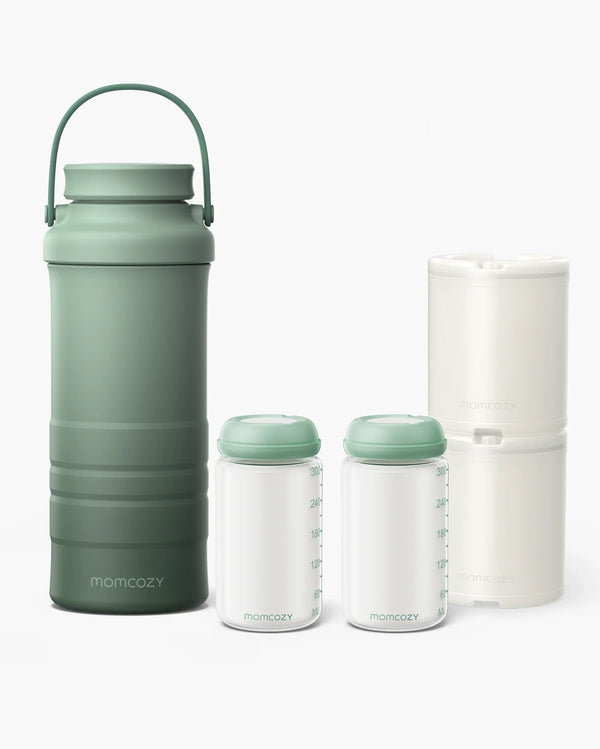
Cooler & Freezable Gel Packs: Keeping milk cold is crucial. The Portable Baby Bottle Cooler 22oz is designed to fit inside a backpack while holding milk at safe temperatures for hours. Combine it with the Cooling Gel Tube (2pcs) to ensure your milk stays chilled throughout long transit delays.
Breast Milk & Water
Large Capacity
Portable
-
On-the-Go Sanitation: You will not always have immediate access to a clean sink and dish soap. Pack quick-cleaning breast pump wipes to sanitize flanges and valves between uses, along with a waterproof wet/dry bag to hold used parts until you reach your hotel. A compact set like the Pumping Essentials Bundle includes pump wipes, reusable pads, and storage bags into one travel-ready kit.
-
Comfort Must-Haves: Changes in routine and air travel can cause unexpected leaks. Keep extra reusable or disposable breast pads in your bag, along with a spare top for yourself in case of accidental spills.
Breastfeeding on a Road Trip
Road trips offer great flexibility, but they also require a few safety precautions when traveling with an infant.
The "Nurse Before You Drive" Rule
It can be tempting to reach into the backseat to nurse your baby while someone else is driving. You should avoid that, though, as it is extremely dangerous. Unbuckling yourself or removing your baby from their car seat while the car is in motion puts both of you at severe risk in the event of a sudden stop or crash.
Follow the "nurse before you drive" rule instead:
- Pull over safely at a rest stop, gas station, or designated parking area every 2 to 3 hours.
- Take your baby out of their car seat to nurse or feed them a bottle.
- Burp your baby, change their diaper, and stretch your legs before buckling back in.
Keeping Pumped Milk Cold in the Car
Suppose you are pumping while traveling by car. Store your milk in an insulated cooler packed with pre-frozen gel packs rather than loose ice. Loose ice melts quickly, creating pool water that can leak into breast milk bags and contaminate your milk.
Using a dedicated setup like the Momcozy Portable Baby Bottle Cooler keeps your milk secure and cold without the mess of melting ice.
Pumping in the Car Without Outlets
You will not have easy access to electrical outlets while you are traveling. Do not let it slow you down. Bring a wearable, battery-powered pump like the Air 1 Ultra-Slim Breast Pump. It frees you from wall plugs entirely.
You can pump comfortably from the passenger seat while taking a break at a rest stop. Wear a DEX 4-in-1 Hands Free Pumping Bra to maximize convenience. It allows you to pump completely hands-free.

Flying with a Breastfeeding Baby: TSA & Airport Tips
Navigating security lines is often the most stressful part of flying. But knowing your rights makes flying with a breastfeeding baby simple and hassle-free.
Understanding TSA Rules for Breast Milk
Many parents worry about taking liquids through airport security, but the Transportation Security Administration (TSA) has clear exemptions for parents:
-
Exempt from 3.4 oz Rule: Breast milk, formula, cooling gel packs, and ice packs are legally classified as medically necessary liquids. This means you can bring them through TSA checkpoints in quantities greater than 3.4 ounces (100ml).
-
Baby Not Required: You do not need to have your baby with you to bring breast milk or pumping gear through security.
-
Declare Early: As soon as you reach the security officer, inform them that you are traveling with breast milk and pumping equipment.
To speed up the screening process, pack your milk in a neat, clear cooler bag. A slim option like the Breastmilk Cooler Bag lets TSA officers inspect your containers quickly without having to unpack your entire carry-on.
Finding Privacy at the Airport
If you prefer a quiet space to nurse or pump before your flight, look for airport lactation pods or mother's rooms. Apps like Mamava highlight private spaces near your gate.
Choose a quiet corner near your gate if a pod isn't available. You can also opt for a window seat on the plane for extra privacy. Never feel forced to pump or nurse inside an airport bathroom. Bathrooms are unsanitary and uncomfortable places to prepare baby food.
Feeding During Takeoff and Landing
Changes in cabin air pressure during takeoff and landing can cause ear pain for tiny babies. The best way to help your baby equalize their ear pressure is to encourage them to swallow. Plan to nurse or offer a bottle right as the plane begins climbing and descending. If your baby isn't hungry, offering a pacifier works just as well!
Pumping on the Go: Keeping Your Supply Up Away from Home
Maintaining your milk supply while traveling requires consistency. Because milk production is demand-driven, missing multiple feeds or pumping sessions can signal to your body that it needs to produce less milk.
Sticking to Your Regular Schedule
Try your best to pump at the same times you normally would at home. If you are away from your baby for a full day of travel, set reminders on your phone to pump every 3 to 4 hours.
Using an ultra-slim, quiet pump like the Air 1 Ultra-Slim Breast Pump allows you to express milk discreetly on planes or trains without drawing unwanted attention. You can track your session duration and manage your pumping schedule effortlessly via the smart mobile app. Thanks to its portable charging case, you can easily recharge the pump between sessions on long travel days without needing to search for an electrical outlet.
Handling Unexpected Travel Delays
Flight delays happen! Always pack extra Breastmilk Storage Bags and extra gel packs in case your journey takes longer than expected. If your cooler starts to warm up during a long layover, stop by an airport coffee shop or restaurant and ask a crew member to fill a plastic bag with fresh ice to pack around your milk container.
Storing & Transporting Breast Milk Safely
Proper breast milk storage while traveling protects your milk from spoiling and keeps your baby safe.
The "Rule of Four" for Milk Safety
According to the American Academy of Pediatrics (AAP), follow these standard safety limits for freshly expressed breast milk:
| Storage Location |
Temperature |
Safe Time Limit |
| Room Temperature |
Up to 77°F (25°C) |
Up to 4 hours |
| Insulated Cooler |
With frozen gel packs |
Up to 24 hours |
| Refrigerator |
40°F (4°C) |
Up to 4 days |
| Freezer |
0°F (-18°C) or colder |
6 to 12 months |
Storing Milk at Your Destination
When you arrive at your hotel or vacation rental:
- Store milk in the back of the refrigerator where temperatures are coldest and most consistent (avoid storing milk in the door).
- Pour milk into pre-labeled Breastmilk Storage Bags, noting the exact date, time, and volume.
- Freeze milk flat on a tray or shelf to maximize space in your travel cooler.
If you are flying home with previously frozen milk, pack the frozen milk bags tightly together inside an insulated cooler like the Portable Baby Bottle Cooler paired with frozen Cooling Gel Tubes. As long as ice crystals remain in the milk bags upon arrival, the milk is still safely frozen and can go straight back into your freezer! For quick day trips around town, a smaller Breastmilk Cooler Bag offers a lightweight, shoulder-sling option.
Comfort & Privacy on the Road
Feeling comfortable while feeding in public comes down to personal preference, practice, and the right clothing choices.
Clothing Strategies for Easy Access
Dress in comfortable layers that allow quick access without forcing you to undress completely:
-
Layering: Wear a soft nursing tank under a loose sweater or button-down shirt. You can pull the sweater up while keeping your belly covered by the tank.
-
Supportive Bras: Choose non-wire, flexible bras that adapt to shifting schedules. The Active Nursing Sports Bra provides comfortable, all-day support, while the DEX 4-in-1 Hands Free Pumping Bra makes hands-free pumping effortless in cramped airplane seats.
Ergonomisch
Funktionalität
The Baby Carrier Trick
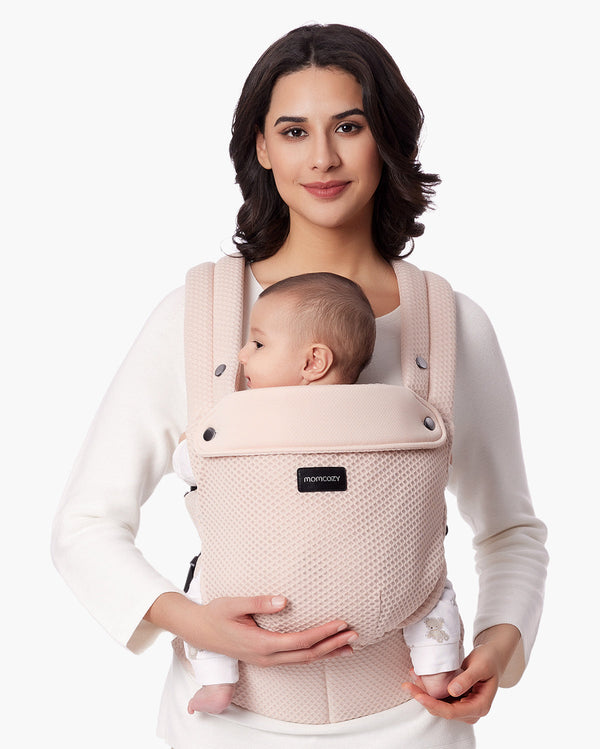
Using an ergonomic baby carrier like the PureHug Baby Carrier is one of the best travel hacks for nursing mothers. Adjusting the straps allows you to lower your baby slightly to latch directly while you walk through transit stations. The carrier fabric provides natural privacy and keeps your baby feeling calm, secure, and close to you.
Know Your Legal Rights
In the United States, federal law protects your right to breastfeed your baby anywhere you are legally allowed to be. No one can legally force you to cover up or leave a public space. If someone makes an uncomfortable comment, stay calm, confident, and know that you are simply providing essential nutrition for your child.
International & Public-Transport Travel: Know Your Rights by Region
If you are traveling internationally or using public transit systems, rules can vary by destination.
United States: TSA & The BABES Act
In addition to standard TSA liquid exemptions, the BABES Act (Bottles and Breastfeeding Equipment Screening Act) holds transportation security officers accountable for applying consistent, safe screening standards for parents traveling with breast milk and pumping supplies. Printing out a copy of the TSA breast milk policy to keep in your bag can help clear up any confusion with security staff.
United Kingdom & Europe
Public transportation systems throughout the UK and Europe are generally very welcoming to nursing mothers:
-
Public Feeding: UK law explicitly protects nursing in public spaces, including restaurants, buses, and trains.
-
Train Travel: Many European train networks feature designated family cars with spacious seating, electrical outlets, and baby-changing facilities.
-
Formula Rules: Note that powder vs. liquid formula security regulations in international airports can differ from US guidelines, so always check your destination airline's website before flying home.
Water Safety Abroad
If you are mixing formula or using tap water to wash pumping parts in developing regions, remember that local tap water may contain bacteria that could upset your baby's stomach. Always use boiled or bottled water to sanitize feeding gear while traveling abroad.
Staying Comfortable & Keeping Your Supply Steady
Taking care of yourself is just as important as taking care of your baby.
Hydration and Extra Calories
Making breast milk requires energy! Nursing or pumping parents need roughly 300 to 400 extra calories per day, plus extra fluid intake to replace lost moisture. Air travel is notoriously dehydrating, so carry a large water bottle and pack nutrient-dense snacks like nuts, dried fruit, oat bars, and cheese sticks to keep your energy high.
If stress or irregular schedules affect your let-down reflex while away, using a gentle tool like the Warming Lactation Massager A1 Pro can help stimulate milk flow and relieve clogged ducts. When it comes time to feed, a fast-warming device like the Superfast Portable Baby Bottle Warmer for Travel allows you to warm stored breast milk to safe feeding temperatures anywhere—without needing a microwave or mug of hot water.
Muttermilch & Wasser
Schnelles Erwärmen
Lange Akkulaufzeit
Give Yourself Grace
Travel disrupts daily schedules, and that is completely okay! If your feeding times slip or your pumping sessions get delayed by a couple of hours, try not to worry. Once you arrive at your destination and resume your regular routine, your body will naturally recalibrate and your milk supply will recover.
Frequently Asked Questions (PAA)
Q1: Can you breastfeed on a plane?
A: Yes! You are fully permitted to breastfeed or pump on an airplane. In fact, nursing during takeoff and landing is highly recommended because swallowing helps equalize your baby’s ear pressure during cabin altitude changes.
Q2: What are the TSA rules for traveling with breast milk?
A: TSA considers breast milk, formula, and ice packs to be "medically necessary liquids." They are completely exempt from the standard 3.4-ounce (100ml) liquid limit, and you do not need to be traveling with your baby to bring them through security.
Q3: How do I keep breast milk cold while traveling?
A: Store your breast milk inside an insulated cooler bag packed with pre-frozen gel packs. Hard-sided ice packs or custom cooling gel tubes maintain safe temperatures for up to 24 hours without creating messy water leaks.
Q4: Can I pump while traveling without an outlet?
A: Yes. Wearable electric breast pumps run on long-lasting rechargeable lithium batteries, allowing you to pump anywhere without needing a wall outlet. You can also keep a manual hand pump in your carry-on as a reliable backup.
Q5: How do I maintain my milk supply while traveling?
A: Maintain your supply by staying well-hydrated, eating plenty of high-protein snacks, and keeping to your regular feeding or pumping intervals (every 3 to 4 hours) as closely as your travel schedule allows.
Conclusion
Breastfeeding while traveling does not have to feel daunting. With a clear plan, a well-stocked carry-on go-bag, and an understanding of your travel rights, you can explore the world confidently with your baby.
Focus on keeping your milk safe, staying hydrated, using comfortable gear, and giving yourself plenty of grace along the way. Remember: your breast milk is the ultimate mobile meal, and you are fully equipped to nourish your baby wherever your adventures take you!