


You can reach the end of the day feeling completely worn out, yet still wonder what you actually got done. That feeling can be part of the mental load of motherhood: the endless planning, remembering, checking, and thinking ahead that keeps family life running, even when much of it goes unnoticed. It’s like having a project manager in your head who never really clocks out. In this guide, we’ll unpack what that invisible work looks like, why moms so often end up carrying it, and practical ways to share and shrink the load so there’s a little more room to simply be yourself.
Key Takeaways
- The mental load is the invisible thinking and emotional work behind family life, not just the chores you can see.
- Moms often carry the remembering, anticipating, and monitoring, which means their brains may stay “on” even when the day is over.
- Sharing the load means taking full ownership of a responsibility, rather than waiting to be told what needs to be done.
- Simplifying routines, automating repeat tasks, and finding smarter ways to handle daily jobs can be just as helpful as dividing the work.
- Beyond breast pumps, Momcozy offers practical baby gear for bottle cleaning, diaper care, and safe hands-free moments that can cut down on recurring tasks.

What Is the Mental Load of Motherhood?
The mental load of motherhood is the ongoing thinking work that keeps family life organised. It includes remembering, planning, deciding, and keeping track of what needs to happen, even when you are not the person physically doing the task.
This is different from physical chores. Washing bottles or packing a daycare bag is visible work, while cognitive labor parenting happens in the background — noticing that bottles are running low, remembering what the baby needs tomorrow, or deciding what to make for dinner. Emotional labor can overlap with this, too, such as noticing when someone is stressed and trying to keep the household calm.
A simple way to understand the mental load is to break it into four stages:
- Anticipate: You notice what is likely to be needed before anyone asks. For example, you realise the daycare bag will need to be repacked before tomorrow morning.
- Research options: You work out what needs to happen and consider the choices. Maybe you check whether your child needs extra clothes, snacks, nappies, or a favourite comfort item.
- Decide: You choose what makes the most sense and make the plan. You decide what to pack, what can stay at daycare, and what needs to be replaced.
- Monitor: You keep track of the situation and notice when something needs attention again. If the spare clothes are used, you remember to wash and replace them.
This is why the mental load can feel so tiring. You are not only doing the job; you are often carrying the responsibility for noticing, planning, deciding, and remembering it from beginning to end.
Why Moms Carry the Invisible Burden
Moms carry more of the mental load because society often defaults them as household managers — not because they are naturally better at it. They are often expected to remember appointments, track family needs, and think ahead about what needs to happen next.
Becoming the Default Parent
Even when both parents contribute, the mom may become the person who keeps everything on track. She may remember the pediatrician appointment, check the daycare calendar, or notice when nappies are running low.
The Pressure to Remember Everything
Gender norms can reinforce the idea that a “good mom” should remember the details, stay prepared, and notice problems early. When something goes wrong, mothers may also feel more pressure or judgment, making it harder to let go of control.
Why “Just Tell Me How to Help” Isn’t Enough
“Just tell me how to help” can still leave the mental load with the mom. She has to notice what needs doing, explain it, and remember to follow up.
Sharing the load means taking ownership of a responsibility from start to finish. That way, one person is not left managing the work behind the work.
What the Mental Load Does to You (Including Losing Yourself in Motherhood)
The mental load can wear you down even when you have not done anything that looks especially demanding. Constantly planning, remembering, and staying one step ahead can leave you feeling tired, short-tempered, overwhelmed, and unable to fully switch off.
When Your Brain Never Gets a Break
Carrying too many decisions at once can lead to decision fatigue. Even small choices can start to feel exhausting when they are added to an already full mental list.
The effects may show up as:
- Feeling mentally drained even after completing ordinary daily tasks
- Becoming more easily irritated or resentful
- Struggling to make even simple decisions
- Finding it difficult to switch off at the end of the day
- Sleeping but still waking up feeling tired or unrefreshed
When the mental load stays high for long periods, it can contribute to burnout. It can also make it harder to enjoy the parts of motherhood you normally look forward to because your mind is always focused on what needs to happen next.
When the Invisible Work Affects Relationships
The mental load can create tension when the thinking work goes unnoticed. One person may feel responsible for keeping everything on track, while the other may feel they are doing their share by completing physical tasks.
Doing a task and managing everything around it are not always the same. Making that difference visible can help couples talk about the imbalance without turning it into a competition.
Losing Yourself in Motherhood
Losing yourself in motherhood can happen when being “mom” and “manager” takes up so much mental space that little is left for your own interests, friendships, or goals.
It does not mean you love your child any less. Making time for small things that belong to you can help you reconnect with the person you are beyond your responsibilities.
When It May Be Time to Ask for Support
Feeling overwhelmed is common, but ongoing sadness, anxiety, hopelessness, severe irritability, or difficulty functioning should not be ignored. If these feelings continue or affect daily life, consider speaking with a doctor or qualified mental health professional.
This is not medical advice, but you do not have to wait until you reach a breaking point to ask for support.
How to Share the Mental Load (Not Just the Chores)
Sharing the mental load starts with recognising that the work is bigger than the chores themselves. The goal is not to divide every task perfectly, but to make sure both people can take responsibility without one person having to manage everything.
1. Make the Invisible Work Visible
Start by naming the thinking behind each chore.
Packing the daycare bag, for example, is not just putting things into a bag. Someone has to remember what is needed, check what is running low, and make sure everything is ready for the next morning.
Writing down these smaller steps can make the hidden work easier to see.
2. Hand Over Whole Responsibilities
Instead of asking someone to “help with the daycare bag,” hand over the responsibility from start to finish.
That means they notice when it needs to be packed, know what belongs inside, replace anything that is missing, and make sure it is ready on time.
This is the difference between helping and ownership. Helping means completing a task when someone asks. Ownership means noticing, planning, deciding, and following through without reminders.
3. Talk About Ownership, Not Who Does More
Conversations about the mental load can quickly turn into scorekeeping. Instead of comparing who did more, talk about which responsibilities each person can fully own.
Try saying:
“I need you to own the school forms from start to finish, including remembering when they are due.”
Or:
“Could you take over bath time completely? I’d like you to keep track of what the baby needs without waiting for me to remind you.”
The goal is not a perfect 50/50 split every day. Family responsibilities change with work schedules, routines, and what is happening at home.
4. If You’re Doing It Alone, Reduce What You Can
Sometimes there is no partner to share the load with, or a partner may not be able or willing to take on more. In that case, look for responsibilities you can simplify, automate, delegate, or remove.
A grocery delivery, recurring order, shared calendar, prepared meal, or occasional help from family or friends can take one more task off your list.
You also do not have to do everything perfectly. Start with the recurring responsibilities that take up the most mental space and find the simplest way to make them easier.
How to Shrink the Load: Time-Saving Systems That Free Mental Space
The fastest relief is often shrinking the load, not only splitting it. Removing a recurring decision or making a daily task easier can free up mental space.
Make “Good Enough” the Standard
Not everything needs to be done perfectly. A simple dinner, fewer activities, or repeating a few easy meals can remove decisions from your day.
Ask yourself, “Does this really need my attention?” If not, let it be simpler.
Automate the Things You Keep Repeating
Look for tasks that happen again and again. Shared shopping lists, recurring orders, calendar reminders, and simple routines can reduce the number of things you have to remember.
You do not need to automate everything. Start with the tasks that regularly take up space in your head.
Take the Friction Out of Baby-Care Routines
Some baby-care jobs are small but happen so often that they become another mental tab. Bottle and pump-part cleaning is a good example.
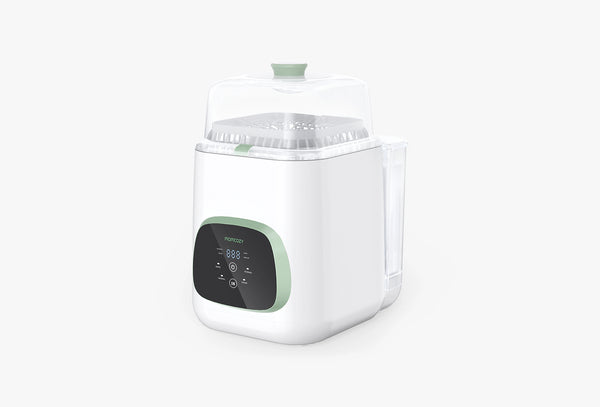
A bottle washer for pump parts can help shorten that wash loop. Momcozy’s DeepClean Bottle Washer can wash bottles and pump parts, which can make this recurring routine easier to manage.
You can learn more about choosing a bottle washer in Momcozy’s guide to whether you really need a baby bottle washer.
Diaper changes come with their own recurring logistics, including dealing with used nappies and lingering smells. A diaper pail for odor control, such as the Momcozy Triple-Seal Diaper Pail, can take that part of the routine off your mental checklist.
If you are considering one, Momcozy’s diaper pail buying guide explains what to look for.
Protect a Few Minutes That Belong to You
When one task becomes easier, try not to immediately replace it with another chore. Keep some of that time for yourself.
It could be drinking your coffee while it is still warm, taking a shower without rushing, or simply sitting down for a few minutes.
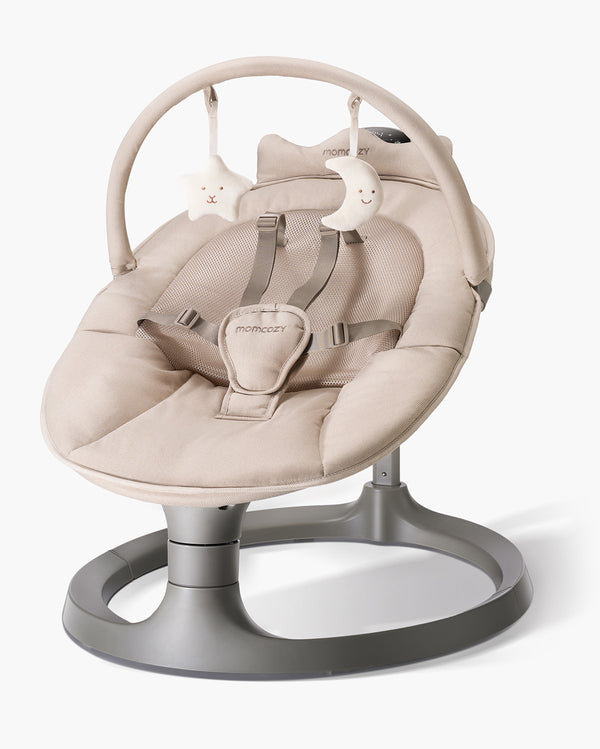
If you need a short hands-free moment while caring for a newborn, a baby swing can give you a small window to finish one task nearby. The Momcozy 2-in-1 Electric Baby Swing can be used for soothing and stationary moments, but always follow the product instructions and baby swing safety guidance.
You can also read Momcozy’s baby swing comparison guide before choosing a swing.
The goal is not to make motherhood perfectly efficient. It is to give your brain fewer things to remember, manage, and revisit throughout the day.

What Practical Baby Gear Helps Beyond Breast Pumps?
Momcozy offers more than breast pumps. Its range includes practical gear for feeding support, bottle and pump-part cleaning, diaper care, soothing, babywearing, and monitoring — all aimed at making recurring parts of baby care easier to manage.
Instead of thinking about baby gear as a long product list, it can help to look at what each type of tool takes off your mental checklist:
- Feeding comfort: Nursing and feeding support can make everyday feeding routines more manageable, whether you are at home or out with your baby.
- Bottle and pump-part cleaning: The DeepClean Bottle Washer can help reduce the repeated washing involved with bottles and pump parts. See Momcozy’s bottle washer guide for more on what to consider.
- Diaper care: The Triple-Seal Diaper Pail gives used nappies a dedicated place and helps manage recurring odour concerns. The Momcozy diaper pail guide can help you compare features.
- Hands-free moments: The 2-in-1 Electric Baby Swing can provide a short stationary space while you finish a nearby task. Follow the product instructions and baby swing safety guidance whenever using one. See Momcozy’s swing guide for more.
- Carrying and monitoring: Baby carriers and monitors can support everyday movement and help you keep an eye on your baby while you handle other parts of the day.
These tools are not about making every minute of motherhood more productive. Sometimes the benefit is much smaller: fewer bottles waiting to be washed, less time worrying about nappy odour, or a few minutes to finish your coffee while the baby is settled nearby.
That idea fits into Momcozy’s broader Mom and More approach: motherhood can become a bigger part of your life without becoming your entire identity. You can read more about that perspective through Momcozy’s Brand Day and Mom and More story.
For moms who pump while moving between work, errands, or other responsibilities, the Air 1 Ultra-slim Wearable Breast Pump can also make on-the-go pumping logistics a little easier.
FAQ: Quick Answers About the Mental Load of Motherhood
What is the mental load of motherhood?
The mental load of motherhood is the planning, remembering, anticipating, deciding, and monitoring that keeps family life running. It goes beyond physical chores because much of the work happens in your head before a task is even done.
Why do moms carry more of the invisible load?
Moms often become the default parent because social expectations still place much of the responsibility for organising family life on mothers. This is not because women are naturally better at managing a home or children; it is often the result of learned roles and expectations.
How do I share the mental load with my partner?
Start by identifying the thinking work behind everyday tasks, then divide responsibility rather than simply dividing chores. Instead of asking your partner to help when you give instructions, agree on whole areas they can own from noticing what needs to be done through to finishing it.
Is losing yourself in motherhood the same as the mental load?
They are related, but they are not the same thing. The mental load is the invisible thinking and emotional work you carry, while losing yourself in motherhood can happen when those responsibilities take up so much space that your own interests, relationships, and identity get pushed aside.
What does Momcozy offer beyond breast pumps?
Momcozy offers practical baby gear for areas such as bottle cleaning, diaper care, soothing, carrying, and monitoring, as well as breastfeeding and pumping support. Products such as the DeepClean Bottle Washer, Triple-Seal Diaper Pail, and 2-in-1 Electric Baby Swing are examples of tools that can simplify recurring parts of baby care.
Can tools really reduce mental load, or is it only about fairness at home?
Tools cannot replace shared responsibility, but they can reduce the number of recurring tasks and decisions you have to manage. The biggest difference usually comes from combining fair ownership of responsibilities with simpler routines and tools that make everyday jobs easier.
Conclusion
The mental load of motherhood is real, but it does not have to stay this heavy. Sharing ownership and simplifying recurring tasks can take some of the constant thinking off your plate. You can be a present, caring mom while still making room for your own time, interests, and identity — that is part of the Mom and More idea. You are allowed to make things easier, let some things be good enough, and keep pieces of yourself along the way.








