


The best solution is a precise flange size paired with comfort-focused tweaks so stretchy tissue stays centered and milk flows efficiently.
Do your nipples feel sore and still stretched after using the pump, even when you’re careful? When the fit is right, sessions feel noticeably gentler and milk comes out more steadily in the same session, which you can see and feel right away. You’ll get a clear way to measure, choose a size, and decide which pump parts help when nipples stretch easily.
Start With Fit, Not the Box Size
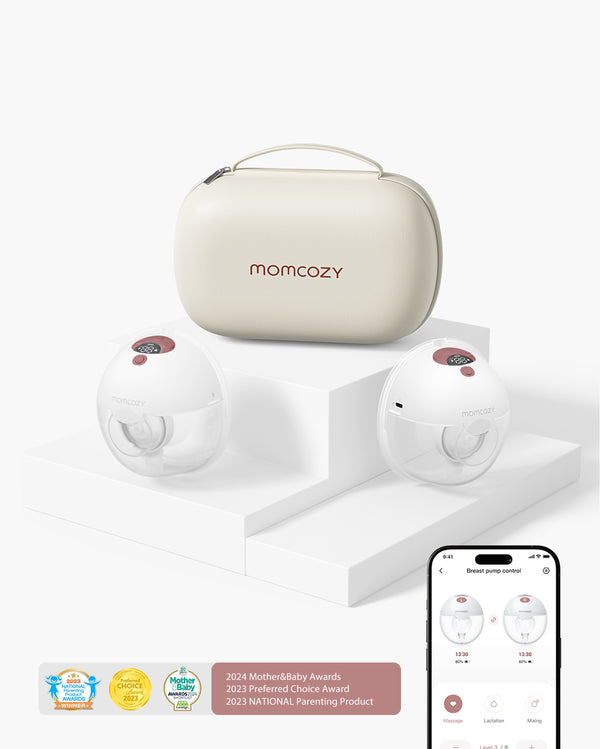
Momcozy's All-in-One M5 Wearable Breast Pump comes with a standard 24mm flange and includes 17mm, 19mm, and 21mm inserts for smaller adjustments, covering many common sizes. For elastic nipples needing even tinier fits like 0.75–0.83 in (around 19–21mm or smaller), use the included inserts or consider additional options like 15mm if needed.
A correct flange fit lets the nipple move freely in the tunnel with only a small amount of the darker skin around it drawn in, and pumping should not hurt. In my own pumping days, that simple check kept me from cranking up suction just to make it work. If you see air gaps or redness right after a session, treat that as a clear prompt to reassess the size.

Many pumps come with 0.94 in and 1.10 in flanges, yet many moms need smaller sizes than those defaults. That’s why it helps to know that sizes like 0.51, 0.59, 0.67, 0.75, and 0.83 in are commonly offered. If the 0.94 in piece feels roomy or pulls in too much skin, dropping to 0.75 or 0.83 in is a reasonable first test.
Measure With Intention and Recheck Over Time
The Momcozy Nipple Ruler provides a simple tool for accurate nipple diameter measurement. Use it to measure both sides after gentle stimulation, then select the closest flange size with a 0.08–0.12 in allowance.
A simple measuring method
To choose a size, measure only the nipple diameter, leaving the areola out of the measurement, then add a small allowance. That allowance is about 0.08–0.12 in, so if the diameter is about 0.67 in, you’d land around 0.75–0.79 in and pick the nearest 0.75–0.79 in flange your brand sells.

Measure both sides and expect a change
Because nipples can differ side to side, measure both nipples rather than assuming one size fits both. A quick, gentle stimulation before measuring helps capture the working size. If one side measures 0.71 in and the other is 0.79 in, using two different sizes can keep both sides comfortable and productive.
Flange sizes span a wide range from about 0.59–1.42 in, and the best size can shift over time as your body changes postpartum and with continued pumping. A shift of just 0.08 in can move you into a different size bracket, so rechecking when comfort or output changes prevents chasing your tail.



Solution Options That Help Elastic Nipples
Material choices and comfort tweaks
If you need a gentler feel, silicone flanges are softer, while plastic can feel firmer, so testing both materials is a practical way to see which reduces friction. For instance, if rubbing starts early in a session, switching to silicone for a couple of pumps can tell you whether softness alone improves comfort.

When the opening still feels too big, flange inserts fit inside the tunnel to reduce the size, and a thin layer of food-safe oil around the cone can cut friction.
That same source notes some parents get better output with hard flanges, so if milk drops after switching to soft silicone, try a firm flange plus lubrication before you abandon the size. This is a useful stopgap when you only have the standard kit piece and want to test a smaller opening without buying a full set.
Specialty flanges: when the upgrade makes sense
For persistent discomfort or very stretchy tissue that behaves like elastic nipples, specialty flanges are non-standard shields designed to better match anatomy. They can feel magical when the fit matches your breast shape, but they may not outperform a properly fitted standard flange, and size jumps of about 0.08–0.12 in can make the trial-and-error process expensive. The upside is that many specialty flanges hold resale value, which can soften the cost if a model isn’t right. If you’re already sized carefully and still see a lot of tissue pulled in, a short trial with a specialty silicone flange can be worth it, but plan for the learning curve.

Elastic nipples don’t mean you’re stuck with painful pumping; they just demand a little more precision. Start with measurement, trust the comfort signals your body gives you, and make small, testable changes until each session feels calm and productive.
Disclaimer
This article, "Best Breast Pump Flange Solutions for Elastic Nipples", is provided for general informational and educational purposes only. It is not medical, lactation, pediatric, or professional advice, and it is not a substitute for personalized care from a licensed healthcare professional.
For breast pump and exclusive-pumping topics, products discussed (including wearable or portable pumps and accessories sold by Momcozy) are consumer products, not medical devices. Comfort, output, and milk-removal effectiveness vary by flange fit, anatomy, suction settings, pumping schedule, and correct assembly/cleaning. No product guarantees milk supply outcomes.
Do not rely on this content alone to assess low supply, nipple trauma, clogged ducts, mastitis, infant intake, or infant growth. If you have persistent pain, fever, breast redness, sudden output decline, or concerns about your baby's feeding, seek medical care promptly.
Momcozy sells maternal and baby products, but no product can guarantee identical outcomes for every user. Always read and follow the manufacturer's full instructions, warnings, cleaning/care guidance, and applicable safety requirements before use.
By reading this article, you agree that any reliance on the content is at your own risk. Momcozy, its authors, affiliates, and contributors are not liable for losses or damages arising from the use or misuse of this content or related products. For medical concerns, contact a licensed healthcare provider immediately.








