


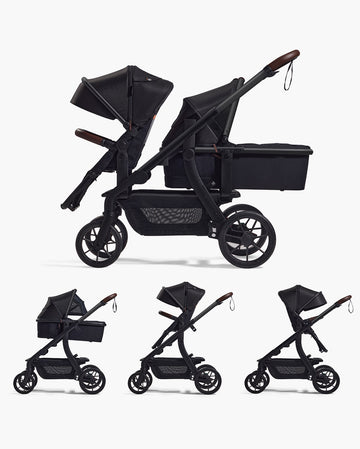
Taking your little one out should be fun, not stressful. Since a baby stroller is your child's first ride, prioritizing stroller safety is the best way to protect them from bumps or tip-overs. This guide covers the must-know tips, safety features, and daily rules so you can walk with total confidence and peace of mind.

Key Takeaways
- Always buckle the 5-point safety harness, even for very short walks.
- Never hang heavy bags on the handlebars to prevent dangerous tipping.
- Learn the "Pinch Point" and "Clear Canopy" rules to stop common injuries before they happen.
- Follow the exact stroller age and weight limits for your specific stroller model.
- Check your brakes and wheels once a month to keep the stroller running smoothly.
What Are the Most Common Stroller Safety Hazards and Injuries?
Before we look at the safety rules, it helps to know what can go wrong. Being aware of these common risks helps you avoid them:
- Tip-Overs: This usually happens when parents hang heavy diaper bags on the handlebars or try to push the stroller up a steep hill incorrectly.
- Falls: Babies can easily fall out if they are not fully buckled in and try to stand up or lean over the edge.
- Finger Pinches: This is a very common injury where a child's fingers get caught in the folding hinges of the stroller frame.
- Runaways: This scary situation happens when parents forget to lock the brakes while stopped on a slope.
Which Stroller Safety Features Should You Look For?
When choosing a baby stroller, fancy extras are nice, but safety tools are an absolute must. Here are the core features you need to look out for:
A Secure 5-Point Harness and Ergonomic Support
A strong harness is your baby's seatbelt. A 5-point stroller harness secures your child at the shoulders, waist, and between the legs. Additionally, a stroller with a 3-position backrest and an adjustable ergonomic leg support ensures your baby maintains a safe, comfortable posture that keeps their airway open as they grow.
A Sturdy, Anti-Tip Frame
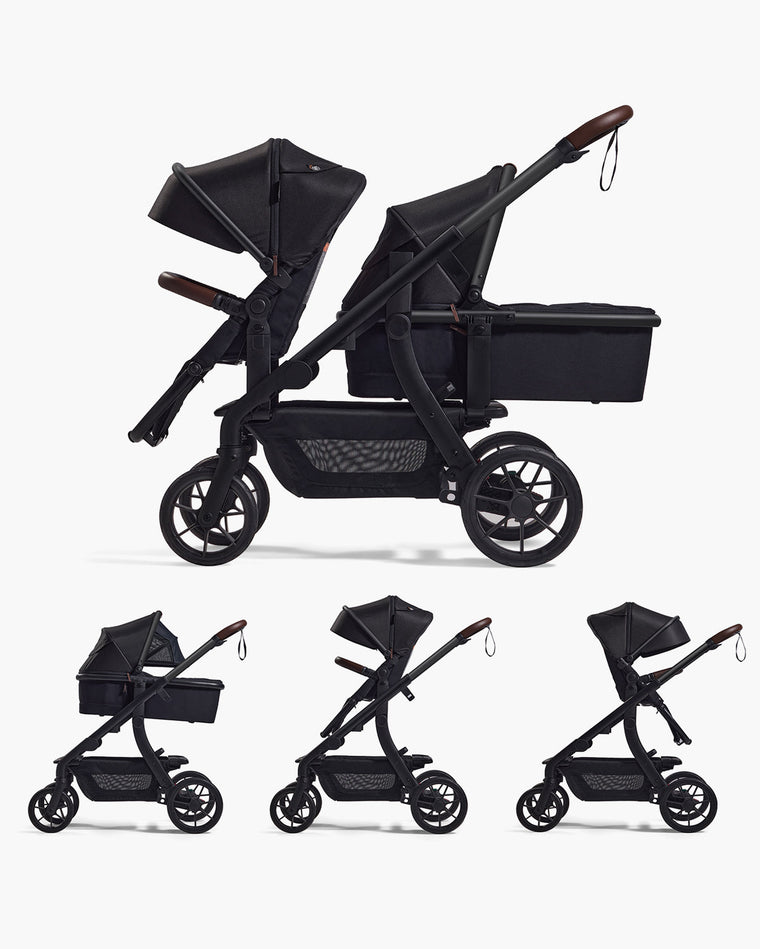
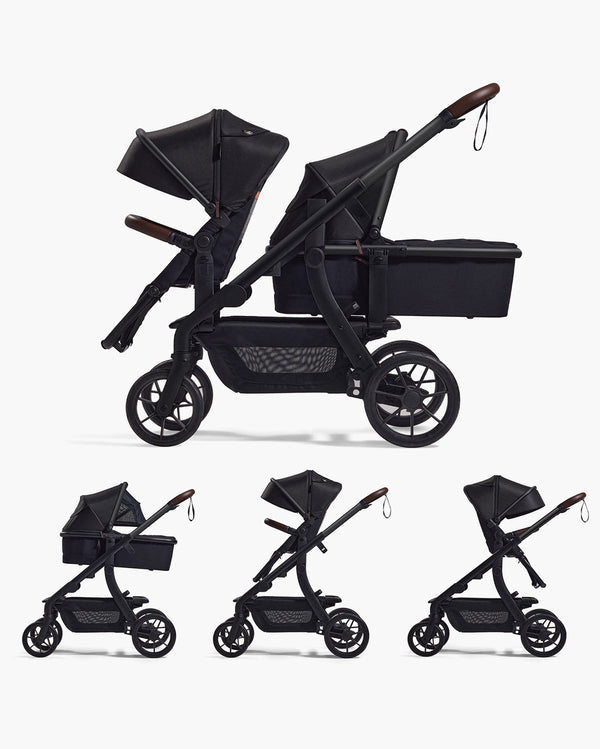
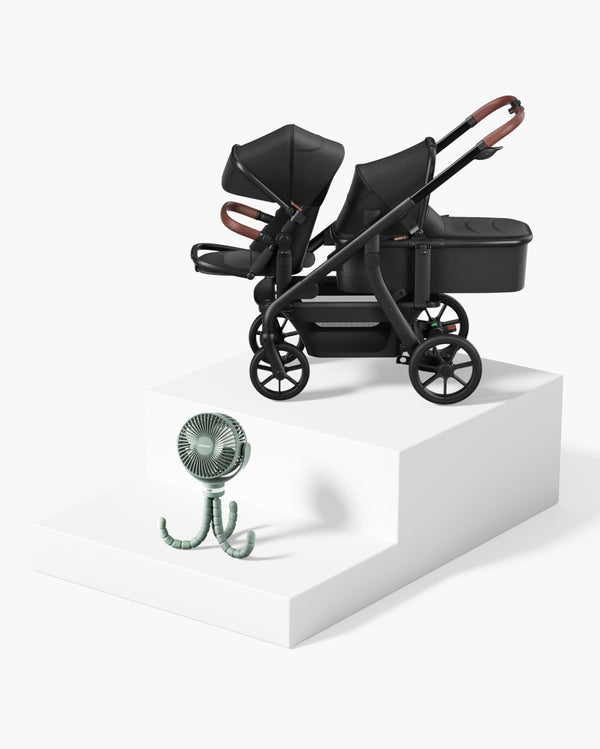
Finding the right stroller for baby means looking for a well-balanced frame to reduce the chance of it tipping over backwards or sideways. For example, the Momcozy ChangeGo Baby provides excellent everyday stability. If you travel often, the Momcozy TuckGo Stroller is designed with a highly stable frame structure and uses premium materials like carbon fiber or high-strength aluminum. This means it remains incredibly strong and secure, even while being lightweight.
$1,012.00code ÉCONOMISEZ 20%
Reliable, Easy-to-Reach Brakes
Your stroller's brakes should lock firmly and be easy to step on in a split second. Look for models featuring an innovative, scuff-free braking system that completely stops the wheels from turning with a simple press. This guarantees the stroller won't roll away on an incline, which is non-negotiable for true stroller safety.
Protective Canopies and Certified Safe Materials
Sun safety and skin protection are often-overlooked parts of stroller safety. A top-tier stroller should feature a high-quality, extendable Momcozy ChangeGo UPF50+ sun canopy with a peekaboo window. This protects your baby's sensitive skin and eyes from rain and harsh sun. Furthermore, always check for official safety certifications. For instance, Momcozy strollers meet rigorous ASTM safety standards and are crafted from OEKO-TEX certified, skin-friendly fabrics, giving you peace of mind that your baby is surrounded by non-toxic, structurally sound materials.
Member price
$1,012.00code ÉCONOMISEZ 20%
Member price
$1,056.00
How Do Age and Weight Limits Impact Stroller Safety?
It is easy to think that if your baby fits in the seat, they are safe. However, following the manufacturer's exact age and weight limits is a huge part of stroller safety. Putting a heavy toddler in a stroller designed for smaller babies can compromise the stroller's balance and structural integrity. On the flip side, putting a newborn in a regular toddler seat without proper neck support can make it hard for them to breathe. Always adjust your stroller's recline settings to match your baby's developmental stage.

What Are the Essential Do's and Don'ts of Daily Stroller Safety?
Building good daily habits is the easiest way to prevent accidents. Here is a simple breakdown of what to do (and what to avoid) when you are out and about.
Getting Around Safely with Strollers
- Do: Use elevators instead of escalators. Escalators can trap stroller wheels and are a major falling hazard.
- Do: Pop the front wheels up and ease the stroller down gently when going over curbs.
- Don't: Hang heavy bags, purses, or groceries on the handlebars. This throws off the balance and causes tip-overs. Put them in the optimized storage basket underneath instead.
Parking Awareness on Inclines for Strollers
- Do: Lock the brakes every single time you take your hands off the stroller, even if it is just to grab a coffee or tie your shoe.
- Don't: Park facing straight up or straight down a steep hill. If you have to stop on an incline, park parallel to the slope.
Why Are Specific Stroller Safety Inspections So Vital?
Parents often overlook the structural parts of their strollers. Remembering these two specific checks will keep your baby out of harm's way.
The "Pinch Point" Inspection
Because finger injuries are so common, always do a "Pinch Point" check. Make sure the stroller is completely open and all the hinges have clicked and locked into place before you put your child in. Keep your baby a few steps away while you fold or unfold the stroller to protect their hands.
The "Clear Canopy" Rule
Sunshades are great, but they can trap heat and block your view. The "Clear Canopy" rule means you should always make sure fresh air can flow through the seating area. Use the peek-a-boo windows to check on your baby, and never throw a thick blanket over the whole baby stroller to block the sun, as it can make it dangerously hot inside.
When and How Should You Perform Routine Stroller Safety Maintenance?
Just like a car, your stroller needs a quick check-up every now and then. Once a month, take five minutes to do the following:
- Test the Brakes: Make sure they lock tight and don't slip when you try to push the stroller forward.
- Check the Wheels: Look for excessive wear and tear. Ensure the wheels roll smoothly and clear out any dirt or debris stuck in the axles.
- Inspect the Harness: Look at the straps and plastic buckles to ensure they click securely and remain in good condition.

Step Up Your Stroller Safety
Mastering stroller safety comes down to building good daily habits, following weight limits, and checking your gear regularly. By staying aware of potential hazards, you can protect your little one on every single walk. Ready to upgrade to a safe and reliable ride? Explore the highly-rated travel stroller today to find the perfect stroller for baby, combining sturdy design, advanced safety features, and everyday comfort for your growing family!
Frequently Asked Questions
Q1. What Are the Safety Requirements for a Stroller?
A safe stroller must have a reliable 5-point safety harness, easily accessible parking brakes that lock securely, and a sturdy frame with a wide base to prevent tipping. It should also have clearly stated weight limits and materials that are safe for babies.
Q2. Is It Safe to Put a Newborn in a Stroller?
Yes, but only if you choose a specific stroller for baby that is designed for newborns. Newborns cannot hold their heads up, so they must be placed in a stroller that can fully recline flat or one that securely holds an rear-facing infant car seat to protect their airway and spine.
Q3. How Long Can a Baby Safely Stay in a Stroller?
Pediatricians recommend that babies should not spend more than two hours at a time in a baby stroller or car seat. Long periods in the same position can put a strain on a baby's developing spine and restrict their natural movement.
Q4. When Can I Stop Using the 5-Point Harness?
You should never stop using the safety harness as long as your child is riding in the stroller. Even older toddlers can unexpectedly try to stand up, reach for a toy, or lean out, which can cause them to fall or the stroller to tip over.
Q5. How Do I Prevent a Stroller from Tipping Over?
The best way to prevent tip-overs is to never hang bags or heavy items on the handlebars. Always place your diaper bag in the storage basket under the seat, and avoid pushing the stroller sideways across steep hills.








