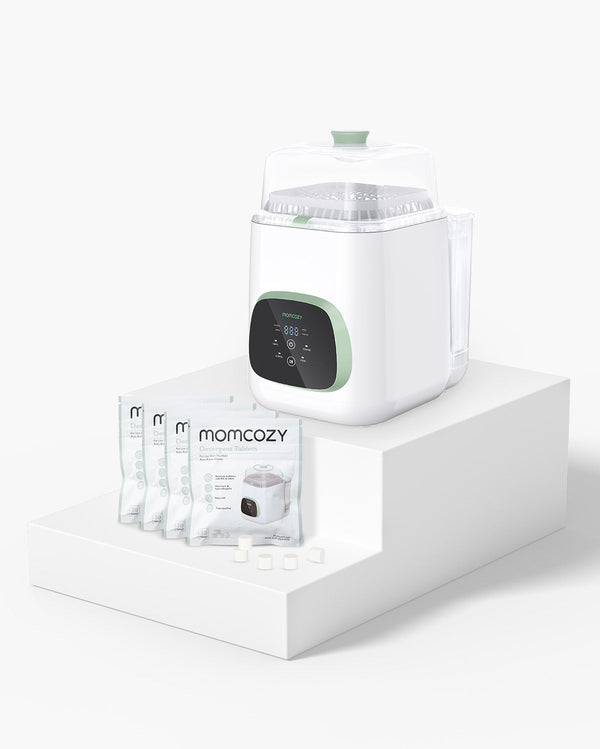
Quick Answer: You may not need a baby bottle washer if your current cleaning routine is manageable. However it is likely worth the investment if you clean multiple bottles or pump parts daily, feel unsure about the precision of the dishwasher, or want a more consistent, automated wash-and-dry routine for your baby’s feeding items.
Learn when it may help, when hand washing, a dishwasher, or a sterilizer may be enough, and what to consider before buying one. By comparing how these devices fit into different lifestyles and feeding habits, you can decide which cleaning method truly simplifies your routine and provides the peace of mind you need.
What Is a Baby Bottle Washer?
A baby bottle washer is a specialized cleaner that can clean, disinfect and usually dry baby feeding items such as bottles‚ nipples‚ parts to breast pumps and their accessories․ These machines are used to wash the small and oddly shaped parts. This is better than washing by hand or using a dishwasher. It gives a detailed and clean wash.
The majority of bottle washers today incorporate high-pressure water jets to flush out the milk residue, heat or steam to eliminate germs and warm air to dry the goods and avoid the accumulation of moisture.
Some high-tech models, like the Momcozy KleanPal Pro Baby Bottle Washer and Sterilizer, offer multiple cleaning modes, rapid wash cycles, and built-in sterile storage, keeping bottles clean and used for longer.
Lave-biberon
Stérilisateur & séchoir
Nettoie plus que des biberons
How a Bottle Washer Works
A bottle washer can reduce some of the repetitive steps in bottle cleaning. Its main value is making the washing, drying, and organizing routine more consistent. By combining these into one auto-cycle, it eliminates the need for scrubbing the bottles manually and towel drying, which is particularly beneficial when managing a high volume of bottles or frequent feeding daily.
- Loading – Bottles, nipples and small components are neatly stacked on racks. Small parts such as nipples and valves are fastened in trays or baskets in order to ensure that they do not move or get lost in the cycle.
-
High-Pressure Cleaning – The bottles and components are sprayed using water or steam jets of varying angles. This will help in getting rid of the milk residues and formula and difficult to clean debris, even in the inaccessible areas such as inside the narrow bottles or even the valves.
-
Sterilization– Many models use steam or heat to reduce bacteria and germs. While the CDC recommends cleaning after every feed, daily sanitizing is especially important for babies under 2 months, those born prematurely, or those with weakened immune systems. Always follow pediatric guidance and your specific device's instructions.
-
Cycle Options– Most of the bottle washers come with various washing cycles that comprise quick cycles when washing lightly used bottles and intensive cycles when washing highly stained bottles. This gives the parents an option for the extent of cleaning.
-
Drying– This is done by passing warm air to dry everything in the machine. Drying removes moisture accumulation, thereby removing the possibility of bacteria or molds, and prepares bottles so that they are ready to use when needed.
Can You Wash Baby Bottles in a Dishwasher?
Yes, the baby bottles can be washed in the dishwasher as long as they are dishwasher safe. Bottles are placed on the upper rack, and small pieces like nipples and valves are inside a mesh basket or utensil basket. The process needs hot water washing followed by a sanitizing cycle, which uses heated drying to eliminate any remaining milk and bacteria.
If you feel unsure about using a standard dishwasher due to greasy dishes, lost pump parts, long cycle times, or incomplete drying, consider a dedicated bottle washer as a more tailored solution for these specific concerns. In those cases, a dedicated bottle washer may be worth comparing as a more tailored solution for these specific concerns.
Bottle Washer vs Dishwasher: Key Differences
Comparing a dishwasher and a bottle washer, a person should know the distinction between the two types of machines in terms of washing baby bottles and other baby accessories.
1. Cleaning Precision
-
Bottle Washer: This is designed to clean bottles, nipples, small objects, including crevices and internal nooks.
-
Dishwasher: This has multiple functions, yet cannot access hard-to-reach areas or push small items aside.
2. Sterilization
-
Bottle Washer: Most bottle washers offer built-in sterilization, which uses steam or high-temperature methods.
-
Dishwasher: This dishwasher cleans well only at its sanitization function when it uses its high-temperature cleaning cycle.
3. Speed and Convenience
-
Bottle Washer: Tends to be faster and is frequently loaded less often and in smaller quantities.
-
Dishwasher: The extended washing periods work better for washing large quantities, while the shorter periods work better for daily use.
4. Space and Setup
-
Bottle Washer: A space-saving counter top unit that parents can install in their kitchen or nursery area.
-
Dishwasher: requires a complete installation process because it occupies more space than its standard size.
5. Daily Use
-
Bottle Washer: Best suited to parents who require frequent and fast cleaning.
-
Dishwasher: This is more appropriate for families that wash bottles with other cutlery in large quantities.
Pros and Cons of Using a Bottle Washer
A bottle washer has its benefits and shortcomings, just as any other appliance can simplify the life of cleaning every day. Here is a brief overview of what to take into consideration:
Pros
-
Saves Time: Washing, sterilizing and drying are automated, thus less work per day.
-
Thorough Cleaning: Bottles, nipples and the smaller space can be sprayed with high-pressure sprays.
-
Consistent Sterilization: Built-in steam or heat destroys germs and bacteria.
-
Convenient for Frequent Use: Ideal for parents who bottle-feed or pump two or three times a day.
-
Less Risk of Errors: The items are washed regularly, and therefore, human error will be reduced.
Cons
-
Counter Space: Takes up space in the kitchen or in the nursery.
-
Maintenance Required: It should be cleaned and descaled occasionally.
-
Limited Capacity: These are models with the ability to carry a few bottles at a time.
-
Not Always Necessary: Families with few bottles or a dishwasher don't need it.
Pros and Cons of Using a Dishwasher
Washing the baby bottles in a dishwasher may be convenient, but it has its advantages and disadvantages. Here’s a quick look:
Pros
-
Multi-Purpose: It can wash bottles and everyday dishes, and this saves time and energy.
-
Cost-Effective: You do not always have to buy a different appliance if you have a dishwasher.
-
Effective Cleaning: Milk residues and bacterial clean-up can be performed using hot water cycles.
-
Hands-Free: Once loaded, the dishwasher will go on automatically, and the parents may attend to other chores.
Cons
- Less Reassuring: It feels less ideal if you prefer a separate, baby-only cleaning routine rather than mixing with regular dishes.
-
Longer Cycles: Standard washes take much longer, making it harder to get bottles to get ready quickly between frequent feeds.
-
Small Parts Risk: Tiny valves and pump parts can easily shift or drop the bottom during the cycle.
-
Dependent on Settings: It needs a machine with specific high-temperature or sanitize settings to feel confident with cleaning bottles.
What to Check Before Buying a Baby Bottle Washer
You are thinking of adding a bottle washer to your baby gear. It helps to know the features that you can get to choose the one that will best suit your needs. The following are the most significant points that need to be considered:
- Cleaning Power – Find powerful water jets and multiple spray angles to clean every part of the bottle, including the nipples and the valves. This is to make sure that there are no residues or milk build-up.
-
Sterilization Function – A sterilizer is not a washer, even though its built-in steam or heat sanitizes items. According to CDC guidelines, feeding items must be fully cleaned before sanitizing. If your main concern is scrubbing away milk residue, using a sterilizer alone won’t solve your routine.
-
Drying Capability – Warm-air drying eliminates any moisture retention, hence removing the possible formation of bacteria or molds, and making bottles that can be used anytime.
-
Cycle Options – It provides several options, such as quick wash, deep clean or sanitization cycles, which will give you a chance to select it based on how quickly you need them.
-
Capacity – Consider how many bottles and accessories you have to clean in one day. Choose a model that can handle your everyday load without multiple cycles.
How to Compare Different Bottle Washers
- Routine Compatibility: Check the capacity, drying options, pump-part compatibility, and cycle lengths. Does it match the number of items you usually clean at once?
-
Daily Practicality: Consider the maintenance required and how much counter space will it realistically take up in your kitchen or nursery.
-
Brand Trust: Prioritize trusted, well-reviewed brands that have been validated by other parents in real-life scenarios. Because this is a high-frequency appliance, reliability and ease of use are important.
-
Support and Quality: Instead of choosing based solely on price or complex features, look for a practical design with clear instructions and dependable customer support for long-term peace of mind.
Who Should Consider a Bottle Washer?
A bottle washer is not something that every family needs, though it will become a useful appliance in a household of many people, particularly those families that have to clean bottles regularly. Here are the types of parents who might benefit the most:
1. Frequent Bottle Feeders
If you hand wash bottles frequently, a bottle washer may help reduce the repetitive part of the routine.
2. Busy or Sleep-Deprived Parents
Rinsing the bottles between the feeds can feel endless. A bottle washer takes up the job, and there is more time to feed, rest, or bond.
3. Parents with Multiple Babies
Twin, triplet and multiple-bottle-using families have an enormous burden of cleaning. A bottle washer simplifies the handling of as many bottles as possible.
4. Pumping Parents
There are hard-to-clean parts of breast pumps. A bottle washer makes everything clean and well-sterilized.
5. Those Without a Dishwasher
In the absence of a dishwasher or the presence of a dishwasher that lacks the sanitize cycle, a bottle washer would present a reliable and consistent way of cleaning and sterilizing bottles.
Who Might Not Need a Bottle Washer?
A bottle washer might be a useful device, but not all families need it. The following are some of the cases when you may not need it:
You Only Use a Few Bottles Daily
When your baby takes one or two bottles each day, hand washing or dishwasher is generally enough.
You Don’t Mind Hand Washing
Hand washing is safe and effective when done correctly and does not require additional equipment.
You’re Minimizing Baby Gear
To reduce gadgets and free up space on the counter, you can skip a dishwasher.
Your Baby Uses Fewer Bottles
Manual cleaning is simpler and less common in older babies who use cups or have fewer bottle feeds.
FAQs
Is a bottle washer better than hand washing?
Not necessarily better, but more convenient. Hand washing can be efficient when done correctly, while a bottle washer could give the same cleaning, sterilization and drying with the minimum effort.
Can you wash baby bottles in a dishwasher safely?
Yes. In order to effectively clean things, use bottles labeled as dishwasher-safe, and run a cycle with a hot-water option and a dry or sanitize option.
How often should baby bottles be sterilized?
For newborns or babies less than 2 months old, daily sterilization is often recommended. For healthy older babies, thorough washing may be sufficient
Do bottle washers really save time for parents?
Yes. The bottle washers will bring automation to the process of washing, sterilizing and drying the bottles for parents, who wash the bottles multiple times a day and enable them to concentrate on other tasks or get some rest.
Conclusion
Not every household needs a bottle washer, but it can be a true game-changer for parents who bottle-feed frequently, pump around the clock, or manage a high volume of baby gear. Apart from saving time and ensuring a consistent clean, a dedicated bottle washer offers a powerful co-parenting advantage. It simplifies the process so more family members can easily participate in the feeding routine. This helps to reduce the daily cleaning burden on moms, leaving them with more well-deserved time for themselves, their baby, and the family.
If your current routine feels manageable, hand washing or using a standard dishwasher is perfectly fine. But if you want to minimize the fatigue, streamline your daily tasks, and guarantee a steady supply of ready-to-use bottles, investing in a high-quality unit like the Momcozy KleanPal Pro Baby Bottle Washer and Sterilizer is well worth considering.