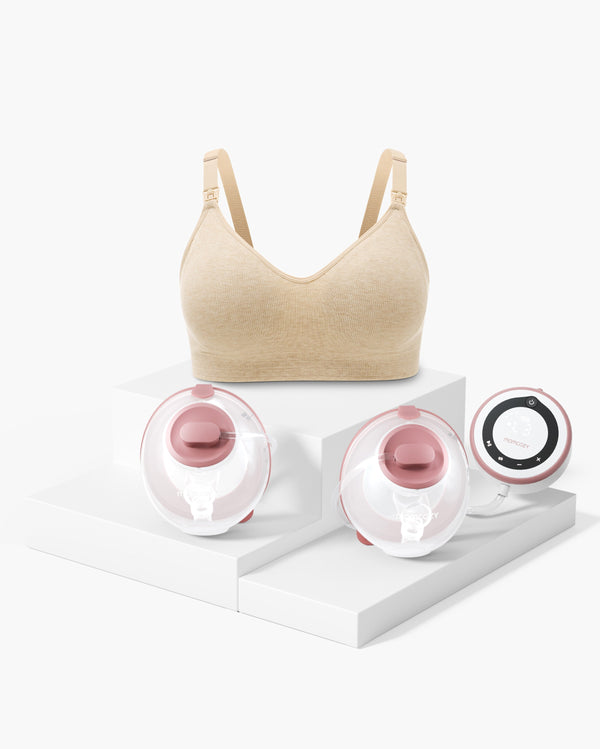
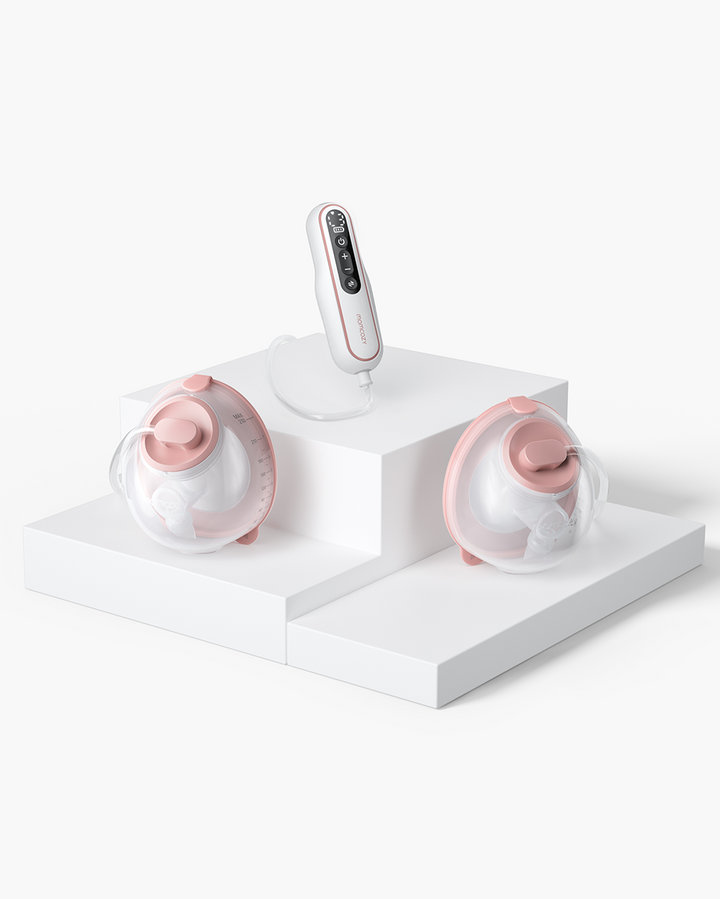
Sacaleches de grado hospitalario
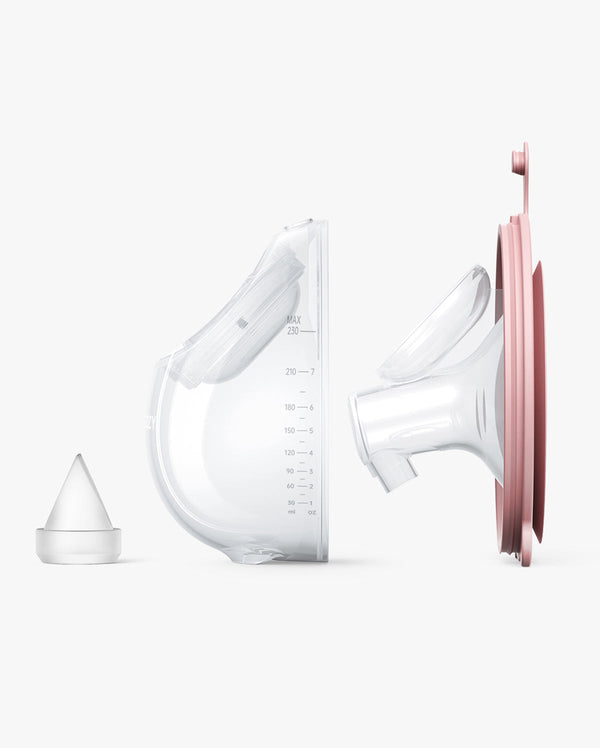
Comparativa del V1 Pro: especificaciones clave de un vistazo
El V1 Pro es el sacaleches principal de esta colección, y sus especificaciones definen lo que significa el rendimiento de grado hospitalario en un formato portátil. Los accesorios y packs que aparecen a continuación amplían y completan esa configuración.
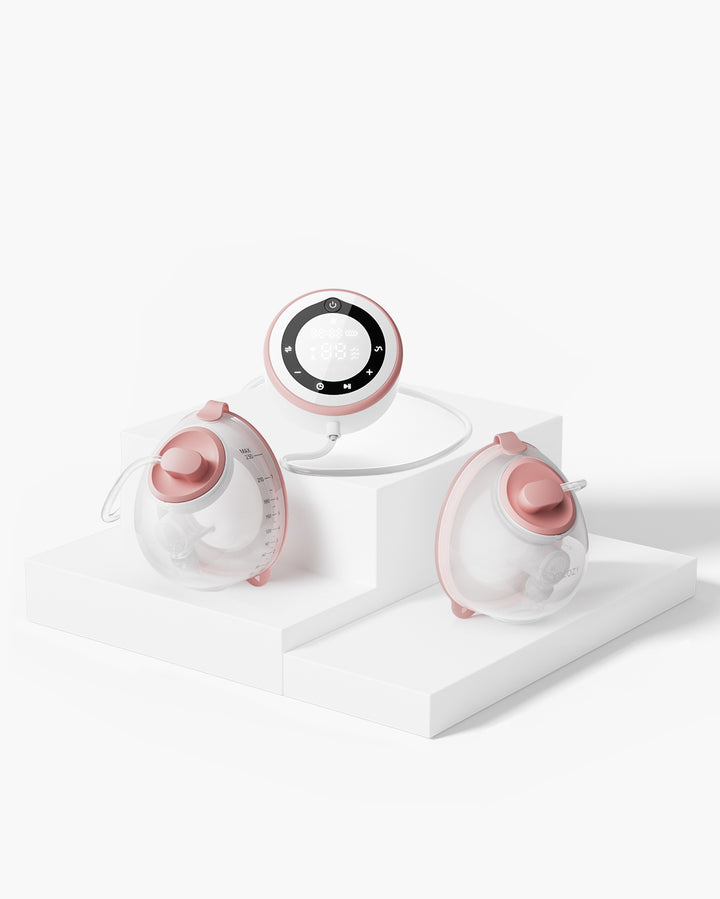
¿Qué es un sacaleches de grado hospitalario?
Estos términos suelen confundirse, pero no son intercambiables. Un verdadero sacaleches de "grado hospitalario" es un dispositivo multiusuario fabricado para entornos de alquiler clínico, con una programación especializada diseñada para madres con necesidades médicas. "Potencia hospitalaria" describe un sacaleches personal de alto rendimiento —como la Serie V de Momcozy— que ofrece una succión potente de nivel hospitalario en un formato portátil y de uso individual.
La industria distingue estos sacaleches de tres formas principales:
- Diseño para el usuario: En la práctica general de la industria, los sacaleches descritos como de "grado hospitalario" están destinados a entornos de alquiler multiusuario —como hospitales o centros de lactancia— donde varias madres utilizan la misma unidad de motor con kits de recolección individuales. Los sacaleches descritos como de "potencia hospitalaria" son dispositivos de uso personal diseñados para una sola usuaria.
- Rendimiento de succión: Los sacaleches de esta categoría están diseñados para mantener una succión fuerte y constante durante toda la sesión, no solo para alcanzar una cifra máxima puntual. Aunque los niveles máximos de succión varían según los modelos y categorías, lo que más importa para una extracción eficaz es la capacidad del sacaleches para mantener una presión cómoda y constante en cada sesión. El V1 Pro y el V2 Pro se basan en este principio, priorizando el rendimiento sostenido sobre las afirmaciones de picos de succión aislados.
- Seguridad e higiene (sistema cerrado): Ambos utilizan un sistema cerrado con una barrera protectora para garantizar que la leche nunca entre en contacto con el motor o los tubos. Este diseño "antiretorno" es un requisito de seguridad obligatorio para los modelos de grado hospitalario multiusuario y una característica de higiene de alta gama en los sacaleches personales de potencia hospitalaria.
La Serie V de Momcozy (V1 Pro y V2 Pro) cierra esta brecha al ofrecer una succión de "potencia hospitalaria" (-300 mmHg) en un formato portátil de uso individual. Esto proporciona la eficiencia y la longevidad del motor que se espera de una máquina clínica con la movilidad de un sacaleches portátil.
Características y beneficios: V1 Pro frente a V2 Pro
Momcozy V1 Pro
- Precisión de grado hospitalario: 3 modos con 15 niveles de intensidad y velocidades de ciclo ajustables para un control total.
- Diseño portátil independiente: Mantiene el peso del motor fuera del pecho, reduciendo la sensibilidad y garantizando un ajuste discreto.
- Batería de gran capacidad: La batería de 2300 mAh permite hasta 9 sesiones, ideal para la extracción exclusiva.
Momcozy V2 Pro
- Rendimiento de potencia hospitalaria: Ofrece una succión de -288 mmHg con 9 niveles para una extracción de leche eficiente.
- Movilidad ultra compacta: Una unidad de motor más pequeña y ligera que es fácil de llevar, garantizando la máxima libertad.
- Sistema universal de la Serie V: Utiliza el mismo sistema de 3 piezas de fácil limpieza que el V1 Pro para un mantenimiento sencillo.
Cómo elegir un sacaleches de grado o potencia hospitalaria
Elegir el sacaleches adecuado se reduce a cuatro factores prácticos que afectan al uso diario:
- Potencia y rango de succión: Busca al menos -250 mmHg. El V1 Pro alcanza los -300 mmHg y el V2 Pro los -288 mmHg para un rendimiento sostenido.
- Distribución del peso: Los diseños con motor independiente como la Serie V reducen la tensión en el pecho en comparación con los modelos todo en uno.
- Capacidad de la batería: Elige según tu número de sesiones diarias. El V1 Pro (2300 mAh) es el mejor para quienes no pueden cargar el dispositivo con frecuencia.
- Piezas y limpieza: Menos piezas significan menos mantenimiento. El diseño de 3 piezas de la Serie V es una ventaja práctica para las rutinas ocupadas.
Momcozy Diaper Pail Buying Guide: Finding the Best Match for Your Nursery
What Is a Diaper Pail?
For families handling several diaper changes a day, especially during newborn nights, a baby diaper pail can keep disposal close to the changing area and reduce immediate trips to an outdoor bin. It still needs regular emptying and cleaning, but it can make the routine more contained and easier to manage.
How Odor Control Works in a Diaper Pail
Odor control matters at three points in the disposal routine:
- When a diaper is dropped in
- The rotating lid creates the first barrier while supporting zero-contact disposal. Between diaper changes
- An integrated gap-sealing ring helps close the space between the rotating chamber and the disposal opening. When a full bag is removed
The patented clamp helps close the bag opening before removal, reducing odor exposure during bag changes. These three elements form Momcozy’s Triple-Seal structure.
No odor control diaper pail should be treated as completely odor-free. Results also depend on correct bag installation, emptying before the bag is overfilled, regular cleaning, and replacing the deodorizing pack as directed. Parents comparing an odor locking diaper pail should look at the full disposal process, not only the lid.
Do You Really Need a Diaper Pail?
Not every family needs a diaper pail.
A dedicated diaper pail may be useful when:
- Diaper changes happen overnight or upstairs.
- Used diapers may remain indoors between trash trips.
- The changing area is in a bedroom, shared room, apartment, or small nursery.
- Parents prefer a dedicated diaper disposal routine.
- Someone in the household is sensitive to lingering diaper odors.
A regular trash can may be enough when:
- Used diapers are taken outside immediately.
- The outdoor bin is close to the changing area.
- Household trash is emptied several times a day.
- Only a small number of diapers are changed at home.
For parents asking do you need a diaper pail, is a diaper pail necessary, or are diaper pails worth it, the answer depends on convenience, odor control, available space, bag cost, and cleaning needs.
Diaper Pail vs Trash Can
| Feature | Diaper Pail | Regular Trash Can |
| Primary use | Designed for frequent diaper disposal in a nursery | Designed for general household waste |
| Odor control | May use a rotating lid, sealing ring, bag clamp, or deodorizing accessory | Depends mainly on the lid, bag, and emptying frequency |
| Diaper drop-in | May reduce direct contact and limit how much of the interior is exposed | Usually requires opening the main lid |
| Capacity | Varies by model; some include a fill window or capacity designed for frequent diaper changes | Varies widely by household trash can |
| Bag system | May require proprietary refills or accept regular trash bags | Usually accepts standard household trash bags |
| Cleaning | May include removable or easy-access parts | Varies by trash can design |
| Best suited to | Bedrooms, upstairs nurseries, apartments, and frequent diaper changes | Homes where diapers are removed quickly or trash is emptied often |
A regular trash can can hold diapers, but a diaper trash pail is designed around repeated nursery use. A dedicated diaper pail may be more practical when parents want used diapers contained near the changing station, fewer immediate trips outside, and a bag-removal process designed to limit odor exposure.
The current Momcozy model adds a rotating lid, clamp bag seal, 22L capacity, transparent window, and dual child safety locks.
Diaper Pail Bags, Refills, and Regular Trash Bags
Different products use different bag and refill systems:
| Bag or Refill Type | What It Means | What Parents Should Check |
| Standard trash bags | Common household bags in a supported size | Size, strength, fit, and installation |
| Proprietary diaper pail refills | Rings, cartridges, rolls, or bags made for a specific system | Price, availability, and replacement frequency |
| Deodorizer refills | Replaceable accessories designed to support odor control | Product compatibility and replacement instructions |
The Momcozy Triple-Seal model works with most standard 13-gallon trash bags, including drawstring and non-drawstring styles, so proprietary diaper pail refills are not required.
Bag fit still matters. Thickness, strength, and how securely the bag sits around the rim can affect setup and removal.
Parents comparing diaper pail bags, diaper pail refills, regular trash bags, or a diaper pail that uses regular bags should consider:
- Bag availability
- Ongoing cost
- Supported bag size
- Bag strength and fit
- Ease of installation
- Ease of full-bag removal
- Whether deodorizer replacements are optional or required
How to Choose a Diaper Pail for Your Nursery
Choose a diaper pail based on the room, changing routine, safety needs, and ongoing costs.
For Newborn Night Changes
Look for:
- Easy diaper drop-in
- A visible fill level
- Straightforward bag removal
- Convenient placement near the changing area
- An opening that can handle different diaper sizes
For Apartments or Small Nurseries
Check:
- Product footprint
- Lid-opening clearance
- Space needed to remove a full bag
- Distance from walkways, doors, heaters, and vents
- Whether the pail can sit safely near the changing area
For Homes With Toddlers or Pets
Compare:
- Child-lock design
- Product stability
- Access to loose bags
- Access to deodorizing accessories
- Safe placement options
For Lower Ongoing Costs
Confirm:
- Whether special refills are required
- Compatibility with regular trash bags
- Recommended bag size
- Local bag availability
- Replacement frequency
- Whether deodorizer refills are optional
The best diaper pail is not simply the model with the longest feature list. It is the one that fits the nursery layout, diaper-changing frequency, safety needs, and maintenance preferences.
For shoppers looking for a small diaper pail or the best diaper pails for odor, practical fit and daily usability matter alongside sealing features.
The Momcozy Triple-Seal model offers 22L capacity, a transparent fill window, dual child safety locks, and compatibility with most standard 13-gallon trash bags.
How to Use, Empty, and Clean a Diaper Pail
How to Use a Diaper Pail
- Install a compatible bag according to the product instructions.
- Make sure the bag is seated and secured correctly.
- Place the pail near the changing station but outside a child’s play area.
- Close the lid after each diaper.
- Avoid pressing diapers into an overfilled bag.
How to Empty It
- Empty the pail before the bag becomes tightly packed.
- Use the bag clamp as directed.
- Remove the bag carefully.
- Tie the bag securely.
- Install a new bag with the correct fit.
How to Clean It
- Remove the full bag.
- Wipe high-touch and interior surfaces as directed.
- Rinse the removable top when needed.
- Allow all cleaned parts to dry fully.
- Reassemble the product only after the parts are dry.
- Replace the deodorizing pack according to the product instructions.
- Follow the manual for model-specific cleaning and safety guidance.
Momcozy confirms that the removable top can be rinsed with water and provides an official DP01 instruction center.
Related Diapering Guides
You may not need a diaper pail if every used diaper is taken outside promptly or household trash is emptied several times a day. A dedicated pail becomes more useful when changes happen in a bedroom, upstairs nursery, apartment, or nighttime changing area where diapers may remain indoors longer.
A diaper pail can be worth it for families that change diapers frequently and want a dedicated disposal point near the changing station. Its value comes from odor-control design, fewer immediate trips outside, easier organization, and a bag system intended for diaper disposal. A regular can may still be enough when trash is removed promptly.
People sometimes use the terms interchangeably. A diaper pail is generally purpose-built for used diapers, while diaper trash can can also describe any trash container used for them. Compare the lid, sealing structure, bag setup, capacity, cleaning access, and safety features rather than relying only on the name.
Start with the changing routine and room layout. Compare:
- Footprint
- Opening method
- Capacity
- Bag compatibility
- Full-bag removal
- Cleaning access
- Child safety features
- Ongoing refill costs
Frequent newborn changes may make easy drop-in use more important, while a compact room may make footprint and lid clearance the priority.
The current Momcozy Triple-Seal Diaper Pail is designed for families looking for zero-contact disposal, 22L capacity, a transparent fill window, dual child safety locks, and compatibility with most standard 13-gallon trash bags. Check the product dimensions and instructions before deciding whether it fits the room and routine.
Diaper pails can help contain diaper odors better than an open or loosely covered trash can, but no pail is completely odor-free. Performance depends on the sealing design, bag fit, emptying schedule, room conditions, diaper contents, and cleaning routine.
Odors held inside the pail or bag can escape briefly when the lid is opened or a full bag is removed.
To reduce diaper pail smell during this step:
- Empty the pail before the bag is overfilled.
- Use the clamp correctly.
- Tie the bag promptly.
- Check that the bag is not torn.
- Clean interior and high-touch surfaces regularly.
The system uses:
- 1. A rotating-lid barrier during diaper drop-in
- 2. An integrated gap-sealing ring between changes
- 3. A patented bag clamp seal before full-bag removal
The included deodorizing pack provides additional freshness support. Regular emptying and cleaning are still necessary.
An odor-locking diaper pail is designed to help contain diaper odors between changes through features such as:
- A sealed or rotating lid
- Internal sealing barriers
- A clamped bag opening
- A compatible deodorizing component
The exact structure varies by model, and regular emptying and cleaning are still required.
- Install the bag correctly.
- Close the lid after every use.
- Avoid overfilling the bag.
- Empty the pail on a consistent schedule.
- Check for a torn or poorly seated bag.
- Rinse removable parts when needed.
- Replace the deodorizing pack as directed.
If diaper pail smell suddenly becomes stronger, first check the bag fit, fill level, and sealing areas.
No. The Momcozy Triple-Seal model does not require proprietary diaper pail refills. It works with most standard 13-gallon trash bags. Use the recommended size and installation method for a secure fit.
Yes, when the model is designed for them. The Momcozy Triple-Seal Diaper Pail works with most standard 13-gallon trash bags, including drawstring and non-drawstring styles. Bag strength and fit can still affect installation and removal.
Diaper pail bags are disposable bags used to hold dirty diapers.
Diaper pail refills may refer to:
- Brand-specific cartridges
- Refill rings
- Continuous bag rolls
- Replacement trash bags
- Deodorizer packs
- Other accessories made for a particular system
Check what the specific model requires before purchase.
Change the diaper pail bag:
- Before it is overfilled
- When odor becomes noticeable during opening
- When the bag becomes difficult to remove
- When the bag is torn or poorly seated
- When the transparent fill window shows that it is near capacity
Frequency varies with pail capacity, diaper size, daily diaper volume, room temperature, and bag fit.
They can be, depending on:
- Local trash bag prices
- Bag replacement frequency
- The type and strength of bag selected
- Whether deodorizer accessories are replaced
- Whether proprietary refills would otherwise be required
A diaper pail that uses regular bags may reduce reliance on proprietary refills, but actual long-term cost depends on the household’s selected bags and usage.
1. Install the recommended bag.
2. Secure it according to the instructions.
3. Place the pail near the changing area.
4. Drop in the used diaper.
5. Close the pail after every use.
Use the rotating lid, clamp, child locks, and deodorizing accessories only as directed.
Empty the diaper pail before the bag becomes overfilled or difficult to remove.
More frequent emptying may be helpful:
- During the newborn stage
- When several children use the pail
- In warm rooms
- When odor becomes noticeable during opening
- When the fill window shows that the bag is near capacity
1. Remove the full bag.
2. Follow the product manual.
3. Wipe approved interior and exterior surfaces.
4. Rinse the removable top when needed.
5. Let every cleaned part dry fully.
6. Reassemble the pail only after it is dry.
Momcozy confirms that the removable top can be rinsed with water.
Place the diaper pail:
- Close enough to the changing station for convenient disposal
- Outside a child’s play area
- Away from heaters and vents
- Away from doors and walkways
- Where there is enough room to remove a full bag
On a stable surface
Use the diaper pail with normal child-safety precautions:
- Keep the pail closed.
- Engage both child safety locks on the Momcozy model.
- Keep loose bags out of reach.
- Keep deodorizing accessories out of reach.
- Do not allow children to climb on or play with the pail.
- Follow the product manual for model-specific warnings.
The current Momcozy model has dual child safety locks designed to help prevent children or pets from opening it.