By week eight, a mother has come a long way, yet most mothers are shocked to discover that 2 months postpartum abdominal pain is a daily challenge. Sixty days later, after childbirth, the internal organs are still in place, and the ligaments are regaining the strength and tension stretched during pregnancy.. But postpartum stomach pain in this stage should not weaken. This stage of healing typically involves the transition of passive rest to active structural support to assist your core to heal safely. Understanding the ‘why’ behind your pain is the first gentle step toward feeling like yourself again.
Is Abdominal Pain Normal 2 Months Postpartum?
intense uterine contractions known as afterpains have already passed by the second month of postpartum. But in the majority of cases, the musculoskeletal system requires rest. The abdominal wall was now stretched to the limit, and the fascia (connective tissue) is much more intractable to healing than either skin or muscle. It is important to realize that the stomach pain after giving birth does not occur on a single occasion; it is a gradual process of reducing the inflammation and mechanical tension.
It is also common to have a generalized stomach ache after pregnancy, after a day of greater activity, such as long walks or carrying a heavy infant carrier. But postpartum belly pain should be on a downward trajectory. During the stage of abdominal pain after pregnancy, the body is transitioning from the acute inflammatory phase to the remodeling phase. When the pain is sharp, localized or has heaviness in the pelvic area, it may be possible that there is a more specific help that your body requires.
Your hormone levels are fluctuating at the two-month mark. Relaxin is supposed to relax your joints to allow your birth, but its residual effect may also lead to your feeling of being unstable and having a sore tummy after giving birth. When you have a loose core, your back and hip muscles overcompensate, and this normally results in a radiating pain back into the abdominal cavity.
Common Causes of Postpartum Abdominal Pain
By determining the root cause of the after pregnancy stomach pain, you can determine the best course of action that can be taken to heal.
-
Diastasis Recti (Abdominal Separation)
It is among the primary causes of pain in abdomen after pregnancy. The linea alba (tissue between your six-pack muscles) becomes thin and widened when you get pregnant. If this gap remains significant at two months, you cannot effectively manage internal pressure, leading to localized postpartum belly pain and lower back strain. According to research by Mayo Clinic, untreated separation can lead to long-term stability issues.
-
C-Section Adhesions and Scar Tissue
For surgical births, abdomen pain after giving birth is often related to the healing of seven distinct layers of tissue. During the healing process, the body may develop adhesions or internal scar tissue, which pulls on the internal organs. This causes a pulling or postpartum stomach pain that is sharp and felt when twisting, stretching, or lifting. This kind of abdominal pain after pregnancy is directly related to the absence of elasticity of the scar, which is potentially relieved with some special massage.
The pelvic floor and abdominal wall work together as a unit. If the pelvic floor remains weak or overactive following delivery, it can radiate tension upward. The Cleveland Clinic’s guide to pelvic floor dysfunction explains that when these muscles cannot relax or coordinate, it often manifests as lower abdominal pain after pregnancy or a feeling of heaviness that worsens by the end of the day. Women often describe this as a tummy pain after birth that feels like a weight pulling on their internal organs, usually because the “core canister” is not properly managing the weight of the torso.
While the uterus usually reaches its pre-pregnancy size by week six, the final stages of shrinking can still cause mild postpartum stomach pain. As detailed by StatPearls, if you are breastfeeding, the release of oxytocin triggers minor contractions, which can feel like menstrual cramping even two months later. This is often the primary reason for a lingering stomach ache after pregnancy, during or immediately after nursing sessions.
-
Digestive Shifts and Navel Sensitivity
Your digestive tract may slow down due to hormonal changes, and this traps the gas and causes constipation. The area around the navel after pregnancy is also very sensitive as the skin and fascia try to restore their elasticity. Johns Hopkins Medicine resources on postpartum recovery explain that this decreased gut motility leads to bloating. This internal pressure often causes localized postpartum belly pain and high sensitivity around the navel after pregnancy as the fascia attempts to regain its elasticity.
How to Ease Abdominal Pain After Birth
Recovery requires transitioning from passive rest to active stability and improved body mechanics.
Targeted Support and Stability
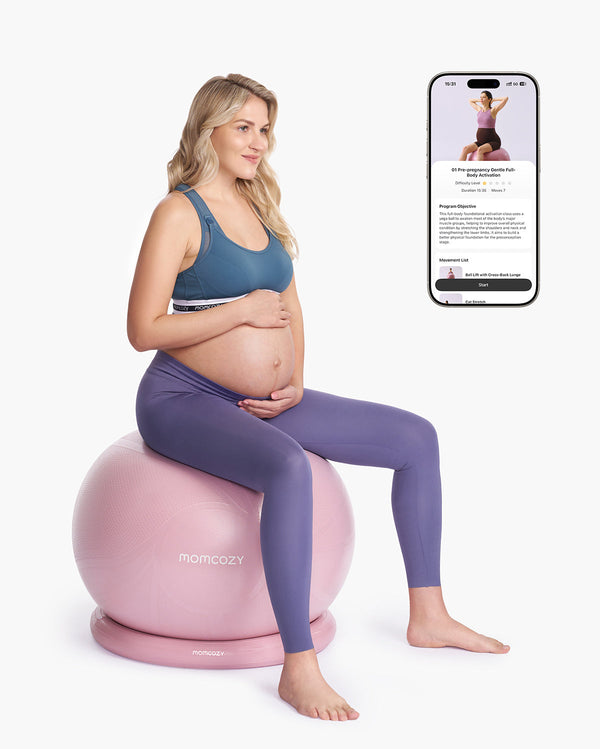
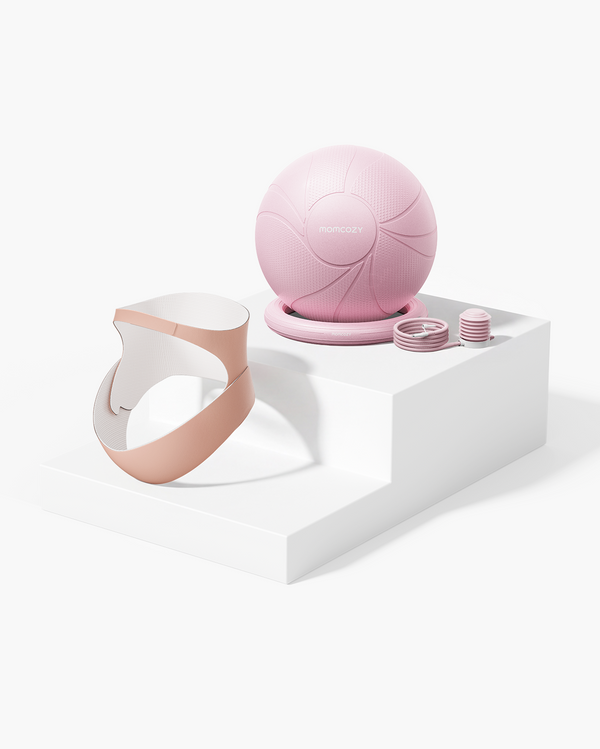
High-quality tools can bridge the gap between rest and full activity. The Momcozy BirthEase Maternity Exercise Ball Set gives you a chance to do some low-impact core work as you tend to your baby. Light exercise enhances blood circulation and decreases postpartum stomach pain without overstraining.
Anti-Burst Design
Stability Base Included
Guided Training Program
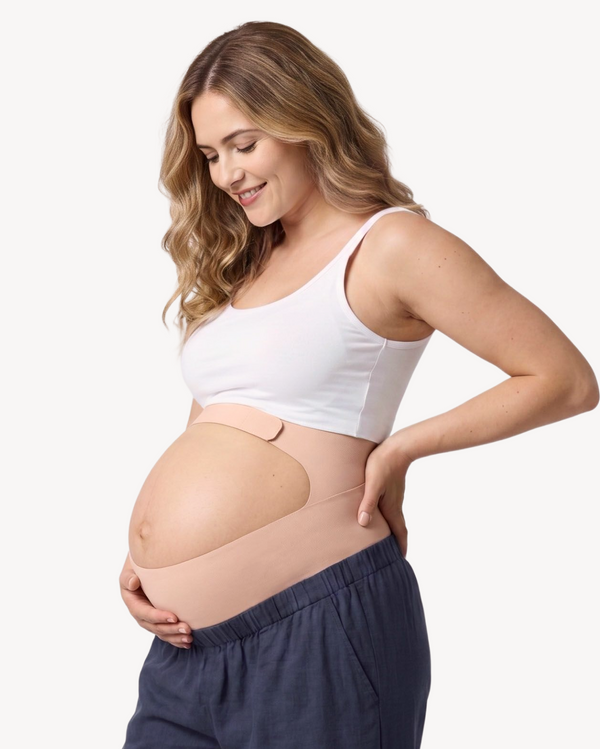
Moreover, when internal muscles lack tension, external compression provides a necessary mechanical bridge. The BumpEase - Momcozy Ergonest Maternity Belly Band stabilizes the pelvis and supports the abdominal wall, which is essential for the linea alba to repair. This compression alleviates the heavy sensation of pain in abdomen after pregnancy and offers immediate comfort for a sore tummy after giving birth.
Soporte Lumbar
Comodidad
Eficacia
The Science of Active Recovery
Simple core movements like crunches could increase the intra-abdominal pressure, which can make abdominal pain 2 months postpartum abdominal pain worse. Instead, focus on deep diaphragmatic breathing. This re-wiring of the brain muscle connection is critical in solving the postpartum belly pain safely.
Optimizing Body Mechanics
Before sitting up, roll to your side so that you do not strain your midline and cause postpartum stomach pain.
Exhale when lifting your baby or a stroller. This manages internal pressure and protects your pelvic floor from triggering abdominal pain after pregnancy.
Avoid the “mom slouch” while breastfeeding. Use pillows to bring the baby to you rather than leaning forward.
Symptoms That May Accompany Postpartum Abdominal Pain
Watch out for these related symptoms that often occur alongside abdominal pain after pregnancy.
Coning or Doming
When you use your core, you can see the ridge that comes out down your midline.
Incontinence
Leaking when sneezing or laughing, which is an indication that your abdominal pain after pregnancy is related to the weakness of the pelvic floor.
Navel Tenderness
Sensitivity in the navel after pregnancy, as the surrounding muscles remain separated.
Lower Back Tension
Pain in the lumbar region often indicates that the back is overcompensating for postpartum belly pain.
Warning Signs of Postpartum Health Concerns
Although most belly pain after birth is musculoskeletal, the CDC emphasizes monitoring “urgent” postpartum warning signs that require medical attention. When you have any of the following in addition to the postpartum belly pain, consult a doctor.
- Fever over 100.4 degrees Fahrenheit: This is the first symptom of a late internal infection.
-
Sudden and Worsening Pain: Persistent abdomen pain after birth, which is acute and not relieved with rest.
-
Heavy Bleeding: Soaking through a pad in an hour or passing large clots.
-
Smelly Discharge: It is a probable indication of a uterine infection (endometritis).
-
Leg Pain or Swelling: Redness or warmth in the calf can indicate a blood clot.
-
Severe Headaches: Possible signs of late postpartum preeclampsia.
-
Shortness of Breath: This may be an emergency symptom of pulmonary embolism.
-
Painful Urination: This can be an indicator of a UTI that can result in referred postpartum belly pain.
How Long Does Postpartum Abdominal Pain Last?
It is a slow process to recover. While abdomen pain after birth typically begins to subside by week 12 to 16, achieving functional healing for high-impact exercise usually takes 6 to 12 months.
Why Recovery Takes Time
Your body is still in a remodeling process at 8 weeks postpartum, whereby the collagen fibers are arranged in order to make the abdominal wall strong. Doing intensive exercises too soon may result in micro-tears in the mending fascia, resulting in a sore tummy after giving birth and delaying the recovery of the navel after pregnancy.
Managing Fluctuations
It is normal for postpartum belly pain to feel like “two steps forward, one step back.” You may feel strong for several days, only to experience a flare-up of stomach pain after giving birth following an active afternoon. It is an indication that your new tissue is not yet as elastic as the original muscle.
Factors Influencing Your Timeline
C-section recovery uses more deep tissues to repair, and this can prolong the period of abdominal pain after pregnancy.
Stress causes inflammation, and this can cause a lingering stomach ache after pregnancy.
Ligaments remain loose through breastfeeding and sometimes cause minor tummy pain after birth.
When to See a Doctor for 2 Months Postpartum Abdominal Pain
If you are 60 days after childbirth and still experiencing abdomen pain after giving birth, seek professional help. In particular, make an appointment in case:
- The tummy pain after birth prevents you from lifting or caring for your infant.
- You feel a palpable gap in your stomach muscles.
- The pain is localized to a C-section scar, which is red, hot, or weeping.
- You experience pain when you have intercourse or when you go to the toilet.
FAQs
Typical postpartum recovery timeline
It may take 6 to 8 weeks to heal, but it might take 6 to 12 months to achieve full tissue integrity. That is why postpartum abdominal pain is not as uncommon as people believe.
What pain is normal after childbirth?
Slight muscular pains and some sharp pulls when moving rapidly are a normal occurrence. Constant, throbbing, or burning postpartum stomach pain is not.
What medications are safe during breastfeeding?
The Mayo Clinic says that all breastfeeding mothers can take Acetaminophen and Ibuprofen. You must always ask your doctor regarding dosages, as it may be necessary to medicate your
What are the early signs of sepsis postpartum?
Sepsis is an emergency. The symptoms are uncontrolled shivering, high heart rate, mottled skin, acute confusion and severe postpartum stomach pain.
How do I know if my uterus is infected postpartum?
Find a combination of lower abdomen pain, fever and abnormally foul vaginal discharge.
Why am I cramping but no period postpartum?
Mostly, it is your body preparing to ovulate or your uterus reacting to the hormonal bursts of breastfeeding, which can be like postpartum belly pain.
Conclusion
The persistent postpartum belly pain is a certain sign that your body is still in the tricky process of internal reconstruction. Switching between rest and active stability, you will be able to treat a sore tummy after giving birth and preserve your long-term core health.
Abdominal pain after pregnancy is not a linear process of healing; thus, be patient at this stage. Regardless of whether you have abdominal pain related to diastasis recti or uterine involution, gradual recovery is the key to making sure that you come back to your regular routine stronger and more resilient to carry you through the motherhood trip ahead.