At some point, bedtime stops feeling like a routine and starts feeling like a negotiation. You lower the lights, do the bath, get a good feed in, and still end up with a baby who needs you in the room to fall asleep. A timed check-in approach can bring order to that chaos, so you are responding with a plan instead of reacting to every cry.
Key Takeaways
- The Ferber method is a form of graduated check-ins that helps many babies learn to fall asleep without being rocked or held all the way to sleep.
- A Ferber method chart gives you fixed wait times so you are not guessing in the dark or changing the rules mid-cry.
- Many families consider this approach around 6 months or later, when sleep patterns are steadier, and babies are better able to settle between sleep cycles.
- Check-ins work best when they are brief and calm. Think reassurance, not a full reset of bedtime.
- If growth, feeding, reflux symptoms, breathing concerns, or illness are on the table, talk with your pediatrician before changing sleep routines.
What Is the Ferber Sleep Method?
Consistency is the whole point of Ferber. You put your baby down tired but awake, leave the room, and return for short check-ins at planned intervals if crying continues. The intervals get longer over the night, and across nights, so your baby has room to practice settling while still hearing that you are close.
A Ferber method chart is the piece that makes the method usable for real families. Without a chart, parents often drift into two extremes: rushing in too quickly or waiting so long that they panic and abandon the plan. A chart keeps the response steady.
Key Terms
-
Graduated extinction: planned waiting periods with brief check-ins
-
Controlled crying: a common label for the same idea
-
Check and console: another phrase for timed reassurance
The Theory Behind the Ferber Method
Night sleep is built from many short cycles. Adults also wake briefly between cycles, then roll over and go back down. Babies can do the same, but only if they have a way to settle without the exact conditions that were present at bedtime.
The Ferber method targets sleep associations. If your baby falls asleep in your arms, wakes in the crib, and expects your arms again, you end up repeating the whole process many times. When the Ferber method chart is used consistently, bedtime becomes practice for the skill that matters most: falling asleep in the same place you will wake up.
Why Timed Check-Ins Matter
Check-ins are not meant to “fix” crying in the moment. They are meant to:
- Reassure your baby that you are present
- Prevent long, high-stimulation interactions
- Help you stay consistent so the pattern becomes predictable
When to Start the Ferber Sleep Method?
Parents usually begin thinking about sleep training when they feel trapped in a loop: baby needs help to fall asleep, baby wakes, and the same help is needed again. Timing still matters. Many families wait until around 6 months because sleep tends to be more consolidated, and some babies are able to settle with fewer supports.
You can also look at readiness in practical terms rather than a calendar date. If your baby is still feeding frequently overnight for growth reasons, or if night waking seems tied to discomfort or illness, it is worth pausing and asking your pediatrician for guidance before using a structured plan.
If your baby is younger and you are focused on calming and safe sleep routines, swaddling can be part of that season. Safety rules matter here, including stopping swaddling once your baby shows signs of trying to roll. If your baby is still in the swaddling stage, focus on safe sleep basics and a consistent wind-down routine first. You can also check out Momcozy Baby Swaddle options to support that early phase before moving into structured sleep training.
Two-Step Easy
Quiet Velcro
Quick-Bottom-Zip Design
Quick Diaper Changes
Soft Bamboo Fabric
A Ferber method chart tends to work best when your baby is developmentally ready for more independent settling, and your household can stick to a consistent bedtime plan for at least a week.
Readiness Checklist Parents Can Use
- Bedtime is fairly consistent within a 30 to 60-minute window
- Baby has a stable feeding plan and is gaining weight appropriately
- Sleep space follows safe sleep basics (firm surface, back sleeping, no loose bedding)
- You and any other caregiver agree on the plan and can follow it together
- You have a calm week ahead, not travel or major disruptions
How to Implement the Ferber Method Sleep Training
Once you decide to try Ferber, implementation is about structure, not toughness. The method falls apart when families change three things at once or stretch check-ins into long, soothing sessions.
Before you follow the Ferber method chart, lock in the basics that reduce crying for reasons unrelated to sleep skills.
Bedtime Setup That Prevents Avoidable Wake-Ups
- Feed on your normal schedule and avoid cutting calories abruptly
- Do a clean diaper, then use sleep clothing that stays put. The Momcozy Sleep Sack’s Snapfit snaps adjust to your baby’s size, helping prevent the sack from sliding, riding up, or bunching. That removes a common “discomfort cry” trigger, which matters a lot when you’re trying to keep Ferber check-ins consistent.
- Keep the room dark and cool enough to avoid sweating
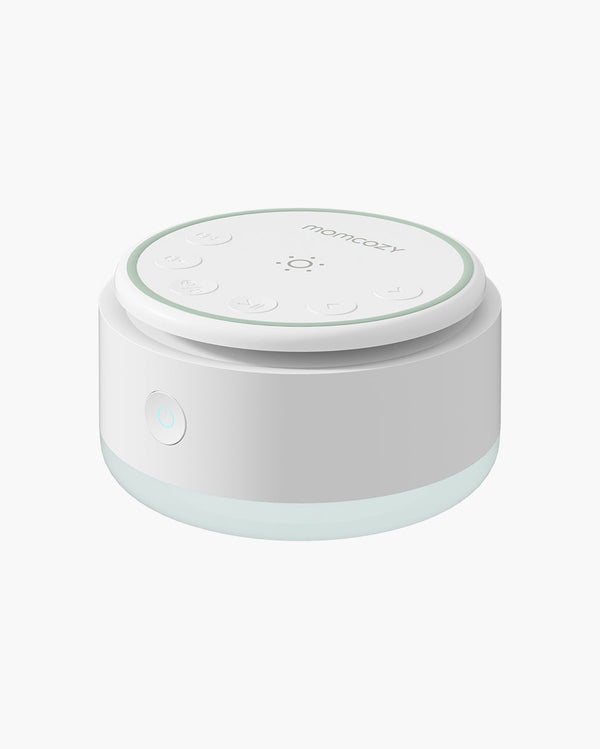
- Use steady white noise if it is already part of your routine
- Keep the last 10 to 15 minutes calm (dim lights, quiet voice)
Long Battery
Portable
20 Hi-Fi Sounds
Child Lock
What a Check-In Should Look Like
A check-in is short. Many parents keep it under a minute. The goal is a quick signal of safety.
- Walk in calmly, keep lights off
- Say a short phrase in the same tone every time
- Gentle touch, like a hand on the chest or a brief pat
- Leave again, even if crying continues
If you pick up your baby and that immediately turns into a full reset, you are not doing anything wrong. It simply means picking up may not be the best tool during check-ins for your child’s temperament. Some babies settle better with touch and voice only.
Handling Night Wakings
Treat night wakings like bedtime. Use the same timing plan. If a night feed is still appropriate for your baby, keep it boring and consistent, then place the baby back down and return to your plan.
The Ferber Method Chart
This is the part most parents came for: exact intervals. A Ferber method chart creates a predictable pattern of waiting times for check-ins. Waiting periods lengthen both within the night and across nights.
Below is a commonly used 7-night schedule that matches how the method is often presented in parent-facing sleep resources. The “subsequent” interval repeats after the third check-in for that night.
Ferber Method Chart (Minutes)
🌙
Ferber Method Chart
Progressive Waiting Intervals (Minutes)
| Night |
First Check |
Second Check |
Third Check |
Subsequent Checks |
| 1 |
3 |
5 |
10 |
10 |
| 2 |
5 |
10 |
12 |
12 |
| 3 |
10 |
12 |
15 |
15 |
| 4 |
12 |
15 |
17 |
17 |
| 5 |
15 |
17 |
20 |
20 |
| 6 |
17 |
20 |
25 |
25 |
| 7 |
20 |
25 |
30 |
30 |
A Ferber method chart does not require perfection to be useful. The key is the direction. The waits increase, and the check-ins stay short and calm.
Two Practical Notes Parents Appreciate
-
If the baby falls asleep, then wakes again later: Many families restart the same night’s intervals after waking. That keeps the response consistent.
-
If crying escalates when you enter: Shorten the check-in further, reduce touch, and keep your voice low. Some babies find parental presence stimulating.
Can the Ferber Method Be Used for Naps?
Yes. The Ferber method can be used for naps, but it often feels harder than bedtime because daytime sleep pressure is lighter, the environment is brighter, and babies wake more easily between cycles. For that reason, many parents start with nights first, then apply the same Ferber method chart to naps once bedtime has been steady for a few days.
A common approach is to begin with the first nap of the day and keep the attempt time-limited, since a long nap struggle can derail the whole schedule. If your baby does not fall asleep within about 45 to 60 minutes, end the attempt and use a rescue nap so your baby is not overtired by evening. As night sleep improves and your baby becomes better rested, naps often become easier to train and more predictable.
How Long Does the Ferber Method Take to Work?
Most families see meaningful improvement in 3 to 7 nights. For many babies, the biggest shift happens by night 4 or 5, then sleep continues to stabilize over the rest of the first week. If there is no clear improvement after 7 nights, it usually means something needs adjusting, such as bedtime timing, daytime sleep, feeding needs, or how consistent the check-ins have been.
Tips for Parents Using the Ferber Sleep Method
-
Keep bedtime consistent: Use the same short routine each night (feed, diaper, sleep clothes, brief comfort, into crib awake) so your baby gets one clear sleep signal.
-
Follow one timing plan: Pick your Ferber method chart ahead of time and stick to it, including what you will do during night wakings.
-
Make check-ins brief: Keep the room dark, talk little, and leave quickly so you don’t restart the whole bedtime process.
-
Use stable sleep cues: Keep sleep clothing consistent and comfortable so you don’t add “new sensations” on training nights. The Momcozy Sleep Sack’s Snapfit snaps help you fine-tune the fit by size and age, which reduces sliding and bunching that can wake a baby fully. For temperature control, its 1.5 TOG bamboo fabric is designed for rooms around 20 to 23°C (about 68 to 73°F), with a breathable, moisture-wicking, hypoallergenic feel that works well across seasons in an air-conditioned home.
-
Protect caregiver stamina: Trade shifts, use earplugs if needed, and avoid making changes in the middle of the night when everyone is stressed.

Common Challenges When Using the Ferber Method
Even families who love the idea of structure run into the same handful of issues. Naming the issue helps you solve it cleanly instead of rewriting the whole plan.
“My Baby Gets More Upset When I Walk In”
Some babies calm with reassurance. Others escalate because the check-in feels stimulating. Options that often help:
- Keep the check-in under 30 seconds
- Avoid picking up
- Reduce talking and touch, use a calm presence only
“We Had One Great Night, Then Everything Fell Apart”
Sleep skills are not linear. A developmental leap, teething discomfort, or an overtired day can bring a rough night. Stick to your plan for several nights before deciding it failed.
“I Keep Second-Guessing Hunger”
If your baby is in a stage where night feeding is still appropriate, do not try to remove feeds abruptly. Keep feeds consistent and boring, then return the baby to bed and continue your plan afterward.
Many parents use a infant swing as part of their wind-down routine: a few minutes of soothing motion during alert time, followed by transfer to a safe sleep surface.
“Our Daytime Schedule Is a Mess”
Day sleep chaos can increase bedtime crying. Rescue naps can be a smart temporary tool, so your baby is not overtired while learning a new bedtime skill.
When Should the Ferber Method for Sleep Training Be Avoided?
A structured plan is not always the right answer for the week you are in. There are times when your baby needs comfort for reasons unrelated to sleep skills, and pushing through can backfire.
Use the Ferber method chart only when basic health and feeding needs are stable, and you can follow a consistent routine.
Situations Where Pausing Makes Sense
- Illness, fever, or significant congestion
- Suspected ear infection or pain that worsens when lying down
- Poor weight gain or feeding struggles
- Reflux symptoms that appear painful or frequent
- Major household disruption that prevents a consistent bedtime
Safe sleep guidance stays the baseline in every scenario. Keep sleeping on your back, on a firm surface, with no loose blankets. Avoid weighted swaddles or weighted items in the sleep space for infants.
Add one more safety filter when you choose sleepwear: hip-healthy freedom of movement. The Momcozy Sleep Sack uses a wider, IHDI-aligned “frog-leg” style lower space, so hips and knees can rest in a natural flexed, abducted position that supports healthy hip development.
When to Consult a Pediatrician?
Sleep is part behavior and part biology. If biology is the problem, a behavior plan will not fix it. This section helps you know when to bring a professional into the picture.
Contact your pediatrician if you see:
- Poor weight gain or signs of dehydration
- Persistent vomiting, diarrhea, fever, or rash
- Loud snoring, labored breathing, or pauses in breathing
- Intense irritability that seems tied to pain
- A sudden change in sleep paired with a change in feeding or behavior
If parental anxiety or depression is rising, that also deserves support. Better sleep helps families, and you do not need to handle it alone.
Alternatives to the Ferber Sleep Method
Some parents want less crying, and some babies respond better to a slower fade. Alternatives can still be structured, predictable, and effective.
Bedtime Fading
Move bedtime slightly later for a short period so your baby falls asleep faster, then shift bedtime earlier gradually. This can reduce crying because sleep pressure is higher at bedtime.
Parental Presence Fading
Stay in the room while your baby falls asleep, then reduce your involvement over several nights. Many parents find this emotionally easier, even if it takes longer.
Scheduled Awakenings
If wakings happen at the same times every night, wake your baby shortly before the usual waking, then gradually move that scheduled waking later until it disappears.
Positive Routines and Consistent Sleep Cues
For some families, the best improvement comes from tightening bedtime routine, improving daytime nap rhythm, and reducing overstimulation near bedtime.
FAQs About the Ferber Method
Q1: How Can You Tell If a Baby Is Really Hungry When Using the Ferber Method?
Look for a full feed with steady swallowing, then calmer behavior afterward. True hunger is more likely if it has been a normal feeding interval, diapers are lighter, or daytime intake was low. If you’re unsure, keep one planned night feed and stay consistent.
Q2: Is the Ferber Sleep Method Harmful to Your Baby?
Studies on common behavioral sleep training approaches have not shown long-term harm in measured outcomes for typical healthy infants. Every family is different, though. If you feel overwhelmed, or the baby seems unwell or is feeding poorly, pause and talk with a pediatrician.
Q3: Is It Okay for a Baby to Have a Pacifier with the Ferber Method?
A pacifier can fit with the Ferber approach, especially if your baby can keep it in or find it. If you end up replacing it repeatedly, it can become a sleep crutch. Many parents offer it at bedtime and avoid re-inserting it all night.
Q4: How Long Does It Take for a Baby to Self-Soothe with the Ferber Method?
Many babies show progress within a few nights, with bigger changes across about a week, though some take longer. Self-soothing usually looks like shorter crying and faster settling, not instant silence. Consistent timing and a steady bedtime routine help most.
Q5: What to Do During the Ferber Method When Baby Wakes Up?
Treat night wakings like bedtime. Check for obvious needs such as a dirty diaper or a scheduled feed, then place the baby back down and follow your timing plan again. Keep each check-in brief and low-key so the baby can settle without extra stimulation.
Q6: How Many Check-Ins Are Typically Involved in the Ferber Method?
The number of check-ins depends on the night and your baby’s temperament. Early nights often involve several visits because the waits are shorter. As the baby learns the pattern, you may only need one or none. If progress stalls, review consistency first.
Q7: How Long Will Baby Cry with the Ferber Method?
Crying time varies a lot. Many families see the longest crying in the first few nights, then a gradual drop, with an occasional rough night. Track total minutes across a week for the real trend. Pause and seek medical advice if you suspect pain.
Your Next Steps With the Ferber Method Chart
A Ferber method chart works best when it sits inside a steady bedtime routine and predictable responses. Pick a simple wind-down you can repeat every night, keep check-ins brief, and let the waiting intervals do the heavy lifting. Track a few practical signals, such as total crying minutes and time to fall asleep, so you can judge progress over several nights instead of reacting to one rough evening.
If sleep suddenly gets worse, feeding feels off, or you suspect discomfort, reflux, or breathing issues, pause and check in with your pediatrician. The goal is not a perfectly quiet bedtime. It is a baby who can settle safely, plus parents who can finally get more rest.