


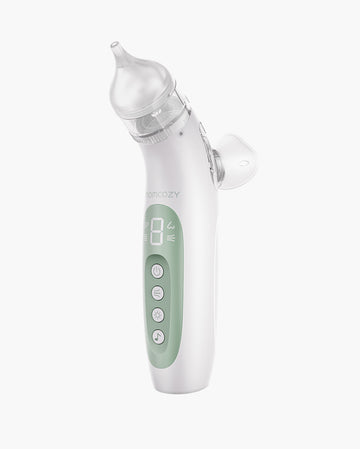
Cuando tu bebé no puede respirar bien, es más difícil alimentarlo, su sueño se interrumpe, y todos en casa se sienten irritados. En estos casos, los aspiradores nasales para bebés son una solución práctica para limpiar una naricita congestionada y brindar alivio.
¿Qué es un aspirador nasal para bebés y cómo funciona?
Un aspirador nasal para bebés es un aparato que saca el moco de la nariz de tu bebé. Los bebés no pueden despejar sus vías respiratorias por sí mismos, así que el aspirador lo hace por ellos.
Su funcionamiento es simple: Crea un efecto de succión para sacar mocos que bloquean las fosas nasales del bebé. Los distintos tipos de aspiradores nasales utilizan métodos diferentes, pero todos ellos tienen como objetivo aliviar la congestión nasal de forma segura y eficaz. La mayoría de los aspiradores nasales funcionan creando un vacío que extrae suavemente los mocos a través de una punta blanda que se coloca en la entrada de la fosa nasal.

¿Por qué los bebés necesitan un aspirador nasal?
Los bebés recién nacidos respiran exclusivamente por la nariz durante los primeros meses. Es decir, no respiran por la boca.
Entonces, cuando los mocos obstruyen sus fosas nasales, se les dificulta hacer actividades esenciales. No pueden tomar leche adecuadamente porque necesitan respirar y succionar al mismo tiempo. Dormir se les hace casi imposible debido a la congestión nasal. Este problema perjudica la rutina y el descanso de toda tu familia.
Los bebés no pueden despejar sus vías respiratorias por sí mismos, ya que no tienen la coordinación necesaria para estornudar efectivamente o expulsar los mocos. Un aspirador nasal se vuelve esencial para ayudarlos cuando tienen resfriados, alergias o cualquier condición que les ocasione congestión nasal.
¿Cuáles son los diferentes tipos de aspirador nasal para bebés?
Conocer las diferentes opciones te permitirá elegir la herramienta adecuada según las necesidades de tu bebé y tu familia.
Aspirador nasal en forma de perilla
La perilla de goma es la opción más simple. Solo aprietas la perilla, colocas la punta en la fosa nasal del bebé y luego dejas de presionarla para crear succión. A menudo, los médicos te mandan a casa con un aspirador así.
Son económicos y no necesitan energía para funcionar, pero son los más difíciles de usar. No puedes ver lo que está removiendo la perilla, y la fuerza de succión varía según la fuerza con la que aprietes.
Aspirador nasal tipo tubo
Con este aspirador nasal, creas el efecto de succión mediante un tubo. Pero no te preocupes, tiene un filtro que previene que los mocos lleguen a tu boca al succionar. Este aparato te brinda mejor control que la perilla de goma porque puedes ajustar la intensidad con la que succionas en el momento
Muchas madres lo prefieren debido a su simplicidad y efectividad. No necesita baterías y puedes sentir cuánta intensidad de succión estás aplicando.
Aspirador nasal eléctrico
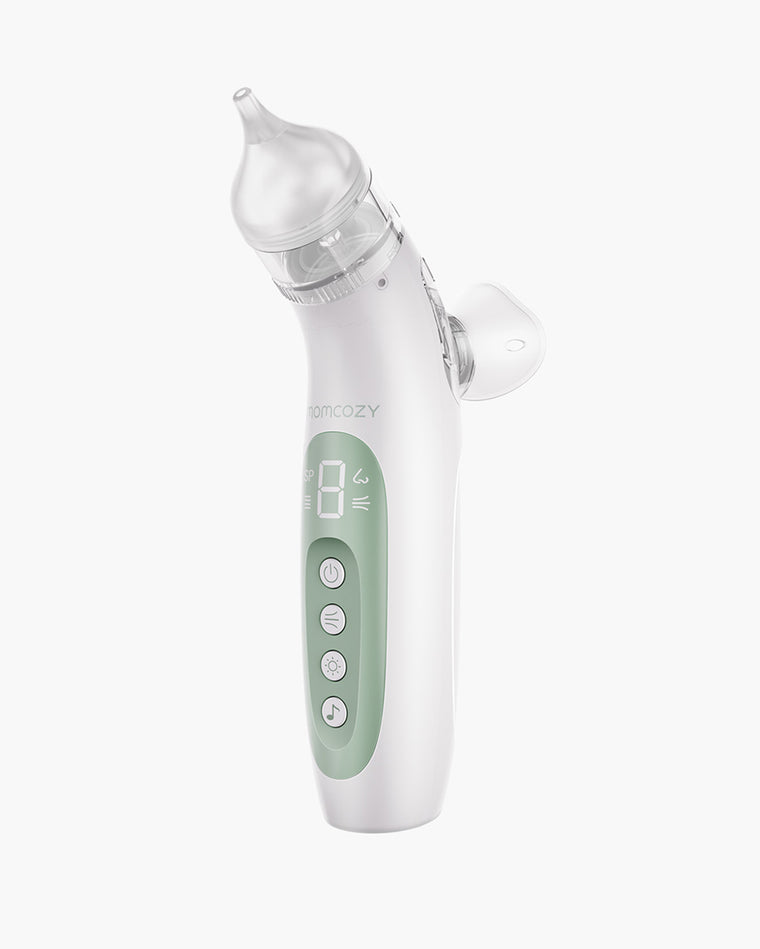
Los modelos eléctricos funcionan poniéndoles baterías o enchufándolos a la pared. El efecto de succión se produce con tan solo presionar un botón. La mayoría incluye puntas de diferentes tamaños y la opción de regular la potencia.
Estos son ideales para ti si prefieres no usar las manos o necesitas resultados inmediatos y constantes. Son más costosos, pero resultan muy prácticos y suelen incluir elementos como música o luces para distraer a los bebés.
Si buscar un aspirador nasal para bebés eléctrico que pueda rosear solución salina y luego succionar los mocos sin dificultad, el aspirador nasal eléctrico 2 en 1 BreezyClear™ Momcozy está pensado para facilitar todo el proceso.
Aspirador nasal profesional
Estos potentes dispositivos se asimilan a los sistemas de succión empleados en hospitales. Los médicos los utilizan para tratar la congestión nasal grave o problemas respiratorios. No necesitas un aspirador con esta potencia de succión de casa, pero saber que existe un modelo así te ayuda a entender la variedad de aspiradores que hay. Si el pediatra considera que necesitas un aspirador nasal con mayor fuerza de succión, el aspirador nasal profesional Momcozy puede ser para ti. Te ofrece una asistencia potente y adaptable sin necesidad de contar con un equipo clínico completo.
¿Cuáles son los beneficios de usar un aspirador nasal para bebés?
Usar un aspirador nasal para bebés regularmente brinda muchas ventajas para la salud y comodidad de tu bebé.
Mejora la calidad de sueño y respiración
Unas fosas nasales despejadas permiten un mejor flujo de oxígeno. Tu bebé tiene un sueño más profundo cuando puede respirar por la nariz. Como resultado, duerme por periodos de tiempo más prolongados y nadie tiene que levantarse por las madrugadas.
Reduce el riesgo de que tu bebé tenga complicaciones
Una congestión nasal persistente puede ocasionar infecciones de oído o sinusitis. Por ende, saber cómo sacar mocos a un bebé regularmente ayuda a prevenir que se desarrollen estos problemas.
Mejora las sesiones de alimentación
Los bebés necesitan respirar mientras toman leche. Cuando su nariz está despejada, pueden tomar leche del pecho o del biberón sin detenerse constantemente para recuperar el aliento. De esta manera, tu bebé está mejor alimentado y más feliz.

Alivia rápidamente la congestión nasal
Ya sea por un resfriado, alergias o sequedad nasal, los aspiradores proporcionan un alivio inmediato. No tienes que esperar a que los medicamentos hagan efecto ni que la congestión desaparezca por sí sola.
¿Los aspirador nasales para bebés son seguros?
A la mayoría de los madres les preocupa que los aspiradores le hagan daño a la delicada nariz de sus bebés. No obstante, estos son seguros y efectivos cuando se usan de la forma correcta.
Pautas de seguridad y precauciones
Siempre ejerce una presión suave y nunca insertes la punta des aspirador nasal muy profundo en sus fosas nasales. La punta solo debe estar en la entrada de las fosas. Limpia el aspirador luego de cada uso para prevenir el crecimiento de bacterias. Utiliza gotas de solución salina antes de realizar la succión para ablandar los mocos y facilitar su eliminación.
Riesgos potenciales que tomar en cuenta
Un uso excesivo del aspirador puede irritar las fosas nasales y ocasionar ligeros sangrados, y succionar con mucha fuerza puede dañar tejidos sensibles. Algunos bebés pueden asociar los aspiradores con algo negativo si los usas de forma muy brusca, haciendo más difícil la tarea de descongestionar su nariz.
Recomendaciones de uso según la edad
Puedes usar un aspirador nasal con tu recién nacido, pero recuerda que debes ser incluso más delicado, ya que sus fosas nasales son diminutas y muy sensibles. Si tiene menos de 3 meses, utiliza la punta más pequeña disponible y el nivel de succión más bajo.
¿Cuándo debo utilizar un aspirador nasal para bebés?
El tiempo importa cuando se trata de descongestionar la nariz de tu bebé de forma efectiva.
Señales de que tu bebé necesita un aspirador nasal
Presta atención a la presencia de moquitos en las fosas nasales, a la respiración ruidosa, a la dificultad para tomar leche o al malestar durante el sueño. Si tu bebé no deja de frotarse la nariz o parece estar incómodo, es posible que la congestión nasal sea la causa.
Mejores momentos para usar un aspirador nasal
Despeja las fosas nasales de tu bebé antes de alimentarlo para que pueda comer cómodamente, y antes de acostarlo para que duerma mejor. También usa un aspirador luego de darle un baño, ya que sus mocos se vuelven más blandos; así es más sencillo sacarlos.
Situaciones en las que se requiere ayuda profesional
Si tu bebé tiene fiebre alta, muestra signos de dificultad respiratoria o tiene congestión nasal que dura más de 2 semanas, llama al pediatra. Los aspiradores nasales alivian congestiones simples, no problemas respiratorios graves.
¿Qué tan a seguido debo usar un aspirador nasal para bebés?
Encontrar el equilibrio evita un uso excesivo del aspirador y garantiza la comodidad de tu bebé.
Pautas sobre la frecuencia de uso recomendada
No uses el aspirador nasal más de 3 o 4 veces al día, a menos que tu médico te haya indicado lo contrario. Recuerda usarlo solo cuando es necesario. No debe ser parte de una rutina. Basta con usarlo antes de alimentar o acostar a tu bebé para que duerma.
Señales de un uso excesivo
Si observas sangrado nasal o un aumento de mocos o si la nariz de tu bebé está enrojecida e irritada, significa que estás haciendo un uso excesivo del aspirador. Tendrás que detenerte y dejar que sus fosas nasales se recuperen.

¿Cómo se usa un aspirador nasal para bebés?
Usarlo de la forma correcta simplifica el proceso y lo hace más efectivo.
Pasos para usar cada tipo de aspirador nasal
- Perilla de goma: Mantén presionada la perilla para expulsar el aire, inserta la punta de la perilla en la entrada de la nariz de tu bebé con cuidado, y reduce la presión en la perilla lentamente.
- Aspirador nasal tipo tubo: Coloca la punta del aspirador contra la fosa nasal de tu bebé y succiona por la boquilla del tubo.
- Aspirador nasal eléctrico: Presiona el botón para encenderlo, inserta la punta en la entrada de la nariz de tu bebé, y deja que el aparato haga el trabajo. Sostén la cabeza de tu bebé y trabaja con agilidad, pero siendo cuidadosa.
Consejos para limpiar y cuidar el aspirador nasal
Lávalo con agua y un jabón suave luego de cada uso. La mayoría de los aspiradores incluye piezas que se pueden desmontar, lavar y secar. Cambia los filtros siguiendo las instrucciones del fabricante. Esteriliza las piezas del aspirador semanalmente metiéndolas en agua hervida por 5 minutos.
Errores comunes que debes evitar
No insertes la punta del aspirador dentro los orificios de la nariz de tu bebé. No uses el aspirador nasal por un tiempo prolongado. Si el moco de tu bebé está seco y duro, no uses el aspirador sin antes haber aplicado gotas de solución salina. Nunca olvides limpiar el aspirador luego de cada uso, ya que las bacterias se desarrollan fácilmente en un ambiente húmedo.
¿Cómo elijo el aspirador nasal para bebés correcto?
Todo dependerá de las necesidades y la rutina de tu bebé.
Características clave que debes tomar en cuenta
Elige un modelo que sea fácil de limpiar, que brinde un efecto de succión adecuado, y que sea cómodo a la hora de usarlo. También toma en cuenta si prefieres uno que funciona con baterías o que debes usar manualmente. Además, comprueba si los componentes de repuesto son fáciles de conseguir y relativamente económicos. Para algunas mamás es mejor empezar por utilizar un aspirador nasal para bebés eficaz fabricado por una marca de confianza, como la colección aspiradores nasales 2 en 1 y aspiradores nasales profesionales Momcozy.
Recomendaciones específicas según la edad y las condiciones de salud del bebé
Los aspiradores manuales y gentiles son muy adecuados para los bebés. Pero si tienes un pequeño que batalla, sería mejor utilizar aspiradores eléctricos de carga rápida. Si tu pequeño tiene congestión nasal de forma constante, lo mejor sería invertir en el mejor modelo disponible para aliviar su malestar.
Presupuesto y valor
Las perillas de goma son económicas, pero no son tan efectivas como ya mencionamos. Los aspiradores nasales tipo tubo suelen costar entre 8 y 20 dólares, mientras que los aspiradores eléctricos, dependiendo de sus funciones, pueden costar entre 30 y 80 dólares.
Preguntas frecuentes
1. ¿Por qué se resisten los bebés a los aspiradores nasales?
Los bebés suelen resistirse porque sienten que tienen algo cerca de su cara y no les gusta la sensación de la succión. Tu bebé puede desarrollar recuerdos desagradables si realizas la succión sin ser cuidadosa. Para contrarrestar estos factores, puedes intentar distraer a tu bebé con canciones y juguetes durante la succión. También intensa usar el aspirador nasal durante el menor tiempo posible y consolar a tu bebé cuando finalizas. Es normal que se resista, pero el llanto continuo indica que estás usando el aspirador de forma excesiva y generando una intensidad de succión elevada.
2. ¿Cómo sé si mi bebé necesita que descongestionen su nariz?
Presta atención a los ruidos que indiquen congestión nasal, sobre todo cuando lo alimentas o se encuentra durmiendo. Si tu bebé se aparta del pecho o del biberón para respirar, necesitas descongestionar su nariz. También fíjate si tu bebé respira por la boca o más rápido de lo normal. La presencia de mocos visibles en las fosas nasales indica congestión, pero puede resultar difícil determinar si las fosas nasales están congestionadas si no se aprecia a simple vista. Si tu bebé parece estar incómodo y oyes unos gorjeos cuando respira, te resultará útil usar un aspirador nasal.
3. ¿El aspirador nasal llega a los senos paranasales de mi bebé?
Los aspiradores nasales solo se introducen en la entrada de las fosas nasales. Los senos paranasales se encuentran en una zona más profunda del cráneo y no se puede llegar a dicha zona con un aspirador nasal común. Por tal motivo se considera un dispositivo seguro, ya que no hay forma de que pueda irrumpir en los senos paranasales. Si tu bebé tiene sinusitis, lo mejor sería acudir al pediatra en lugar de utilizar un aspirador. El moco que se extrae con un aspirador despeja las fosas nasales.
Consideraciones finales: ¿Cómo elijo el mejor aspirador nasal para bebés?
Un aspirador nasal para bebés le proporciona alivio a tu pequeño cuando más lo necesita. Elige el modelo que más te convenga, úsalo con cuidado y límpialo bien luego de cada uso. Gracias a este aparato, tu bebé respirará y dormirá mejor; y tú también podrás descansar. Si estás lista para comprar uno, te recomendamos que elijas un aspirador nasal para bebés de confianza que se adapte a tu rutina, como el aspirador nasal eléctrico 2 en 1 BreezyClear™ Momcozy si se trata de una congestión simple, o el aspirador nasal profesional Momcozy si es una congestión más intensa. De esta manera, tu bebé obtendrá un alivio rápido y gentil cada vez que se le tape la nariz. Empieza hoy mismo a despejar su naricita y comprueba la diferencia que tiene en el bienestar de tu bebé.








