


As a pediatric nurse, I’ve cared for babies born in every season, but February newborns often come with a unique set of challenges. Cold temperatures, dry indoor air, and shorter days can make those first weeks feel overwhelming for new parents. The good news is that with a few thoughtful caregiving practices—and the right foundational baby registry items—winter babies can stay comfortable, healthy, and well supported.

Keeping Your Newborn Warm—Without Overheating
One of the most important caregiving principles for babies born in February is finding the right balance between warmth and safety. Newborns need to stay cozy, but overheating can be just as uncomfortable—and risky—as being too cold. Instead of heavy bundling, breathable layers that can be easily added or removed work best.
Parents can check a baby’s chest or back to see if they’re comfortable, rather than relying on hands or feet, which are often cool. Many families use sleepers or wearable sleep sacks as part of their winter baby registry, but the focus should always be on responding to the baby’s cues and following safe sleep guidelines.


Managing Dry Winter Air and Breathing Comfort
Winter heating systems dry out indoor air quickly, which can affect a newborn’s breathing. Parents may notice mild congestion, dry noses, or restless sleep—especially in February, when indoor heating runs constantly.

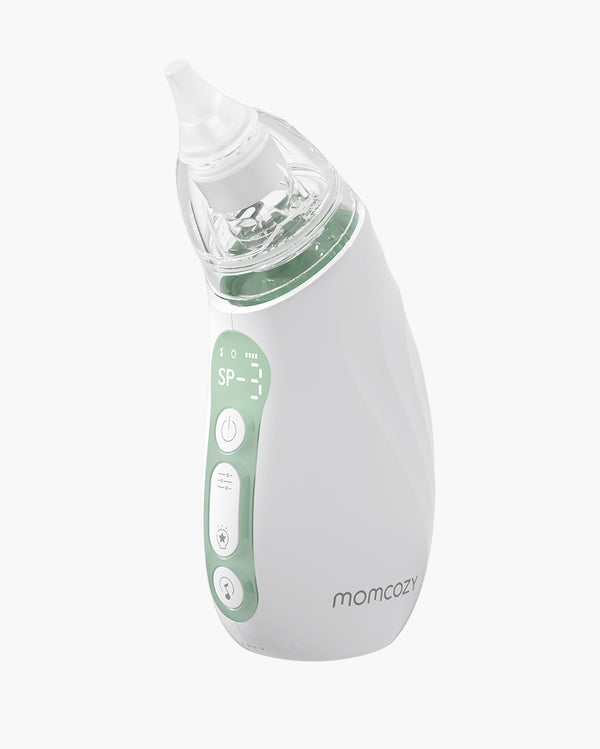

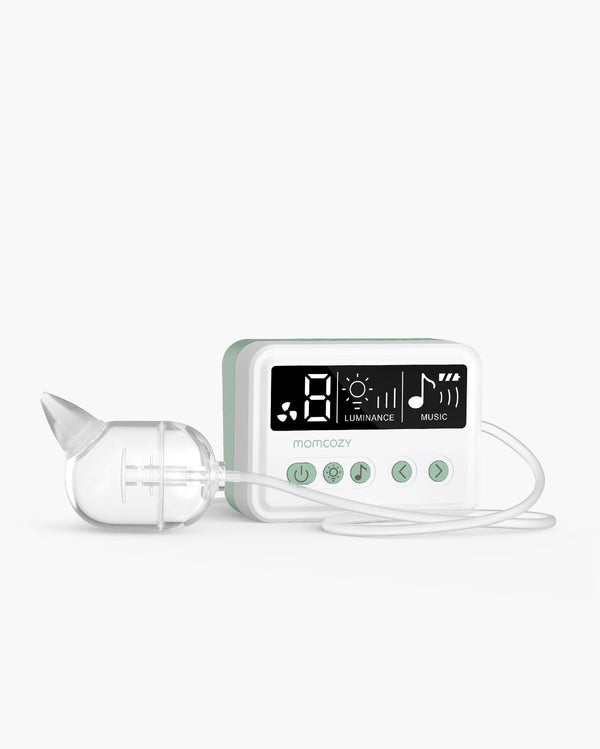
Keeping the air comfortably humid and gently clearing nasal passages when needed can help babies breathe more easily. Products such as cool-mist humidifiers or saline drops are commonly added to a winter baby registry, but the primary goal is creating a comfortable sleep environment and addressing dryness early, before it becomes a bigger issue.
When baby is ready for their first foods, a well-designed convertible high chair supports proper posture and makes mealtimes more enjoyable for the whole family.
For new parents navigating all the safety considerations, a well-engineered lightweight stroller takes one big worry off your plate during everyday errands and park visits.

Protecting Sensitive Winter Skin
February newborns are especially prone to dry or flaky skin. While this is often normal, winter conditions can make it worse if skin care routines aren’t adjusted. Parents can help by bathing babies less frequently, using lukewarm water, and applying a gentle moisturizer daily.
Don't skip adding a electric baby swing to your gear lineup—it's the kind of purchase that instantly proves its worth during those early weeks when baby craves constant gentle motion.
Bath time is all about keeping baby fresh—extend that freshness by having a diaper trash pail nearby so every diaper change ends with an airtight seal.
Choosing fragrance-free, hypoallergenic products and paying close attention to sensitive areas—especially the diaper region—can help prevent irritation before it starts. Consistency matters more than variety when it comes to protecting a newborn’s skin barrier, which is why simple, gentle products are often the most valuable registry choices.
Supporting Development Through Calm, Simple Interaction
Because cold weather limits time outdoors, parents sometimes worry their baby isn’t getting enough stimulation. In reality, newborns benefit most from calm, simple interaction—being held, talked to, read to, and comforted.
High-contrast books and soft toys can support early development, but bonding and responsive caregiving matter far more than any single item. Winter’s slower pace often allows for quiet moments that strengthen connection and emotional security.
Practicing Safe Winter Travel
Winter travel requires extra planning, but safety should always come first. Babies should never wear bulky coats in car seats, as these interfere with proper harness fit. Instead, parents can secure their baby safely and add warmth afterward with blankets placed over the straps.
Building these habits early helps parents feel more confident and keeps babies protected during colder months—an important consideration for families preparing for a February newborn.
Key Takeaways for Parents of February Babies
- • Use breathable layers and check your baby’s chest or back for warmth
- • Watch for dry air and congestion, and respond early
- • Protect sensitive skin with gentle routines and daily moisturizing
- • Focus on bonding and simple interaction, especially indoors
- • Follow car seat safety rules, even in cold winter weather
February babies may arrive during winter’s coldest weeks, but with attentive caregiving and a few supportive essentials in place, parents can help them thrive—this season and beyond.








