


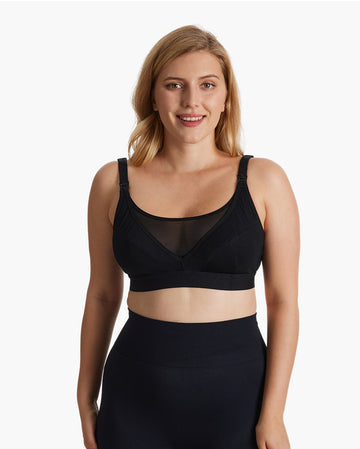
Your body changes dramatically from pregnancy into the postpartum period, and so do your bra needs. Many moms wonder whether they need completely different bras or if one style can cover both stages. Knowing the difference between a maternity bra and a true nursing bra helps you avoid discomfort, support breast health, and make smarter purchases.

Is There a Difference Between Maternity and Nursing Bras?
Yes, there is a real difference, even though many brands use the terms interchangeably. The sections below explain what each type is designed for and how they compare side by side.
What Is a Maternity Bra?
A maternity bra is designed primarily for pregnancy. It focuses on soft, stretchy fabrics that expand with breast growth, extra coverage and gentle support without underwires, adjustable bands and straps that accommodate a growing ribcage and changing cup size, and comfort for all-day wear as breasts become heavier and more sensitive. Maternity bras usually do not have nursing clips or drop-down cups.
What Is a Nursing Bra?
A nursing bra is built for breastfeeding. In addition to soft support, it includes one-hand clips, drop cups, or pull-aside panels for quick nursing access, extra stretch to handle milk engorgement and fluctuating size, designs that work with nursing pads, and often compatibility with breast pumps (especially hands-free pumping styles). Many modern nursing bras can also be worn during late pregnancy.
Maternity Bra vs Nursing Bra: Key Differences at a Glance
| Feature | Maternity Bra | Nursing Bra |
|---|---|---|
| Primary purpose | Support during pregnancy | Easy breastfeeding access |
| Nursing clips / drop cups | Usually none | Yes |
| Stretch & adjustability | High (for growing body) | High (for engorgement + size changes) |
| Pump compatibility | Rarely | Common in multi-function styles |
| Best stage | Pregnancy (especially 2nd–3rd trimester) | Late pregnancy + postpartum |
Can One Bra Work for Both Pregnancy and Postpartum?
Yes, many high-quality nursing bras are designed to do both. Look for styles with multiple rows of hook-and-eye closures, soft and highly stretchy fabrics, molded or lightly structured cups that keep their shape, and easy nursing access.
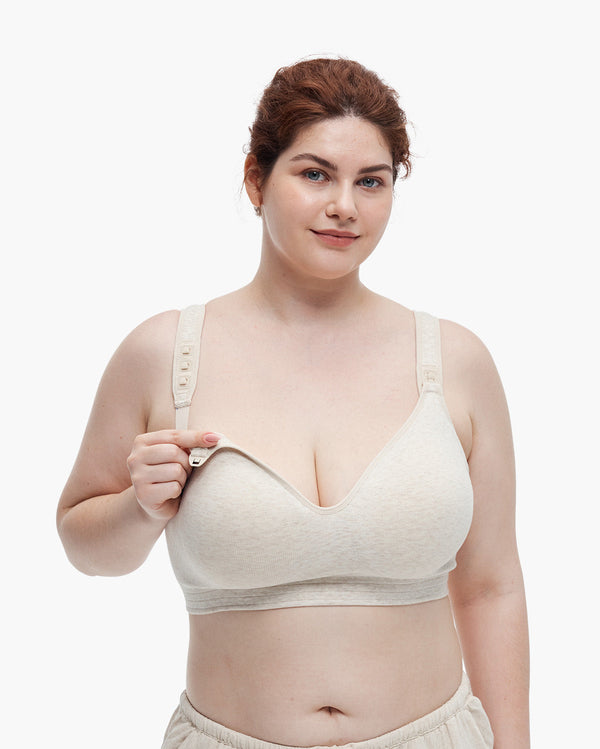
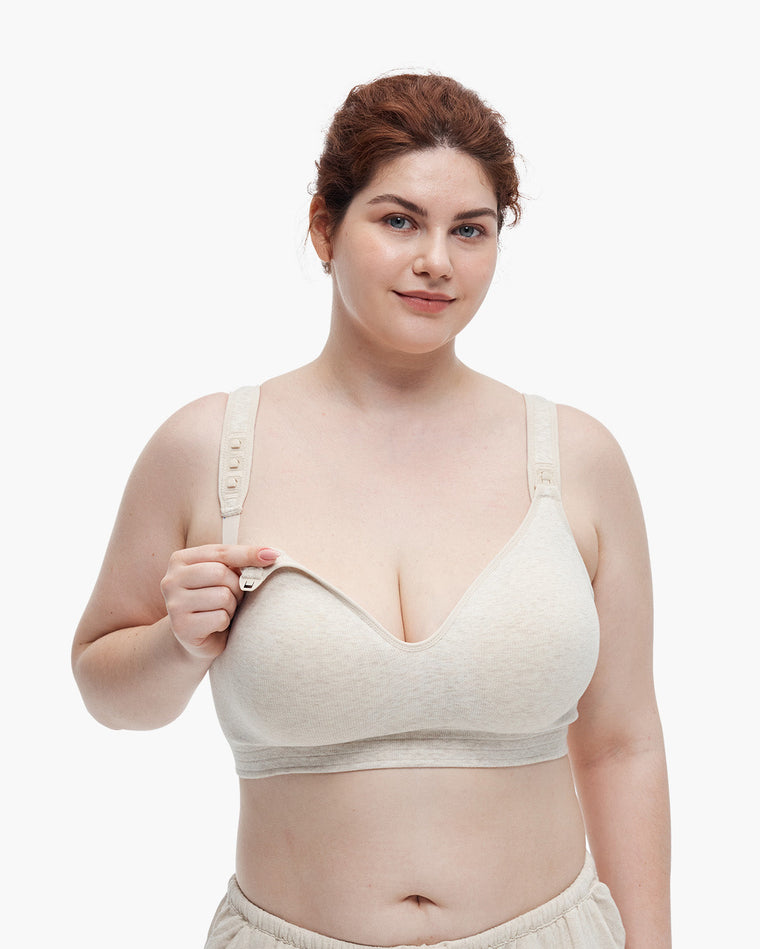
For example, the Momcozy Busty Cotton Nursing Bras feature a CozyFitClasp design, wide side panels, and five-row adjustable closures. Many moms wear them from the third trimester straight into postpartum because the fit adapts as breasts change size.
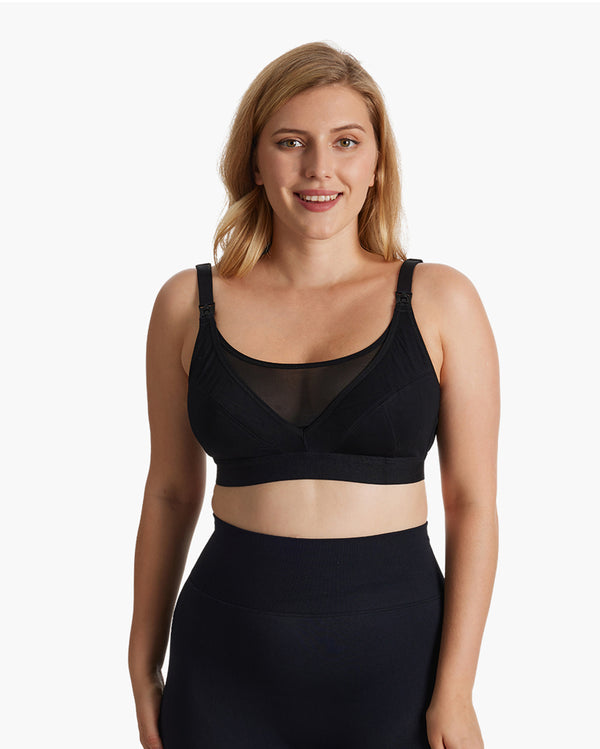
If you also plan to pump, a dual-purpose pumping and nursing bra (like the Bamboo Ultra-Soft & Cool Breeze Pumping & Nursing Bra) can further reduce the number of bras you need.
Member price
From¥4,900Code Save 15%
When Should You Start to Wear Maternity Bras?
Most women switch to maternity or nursing bras around the second trimester, when breasts start to grow noticeably and regular bras begin to feel tight or dig in. Timing your purchase carefully can save money and ensure better comfort later.
When to Buy Nursing Bras During Pregnancy
The ideal time is usually between weeks 28–36 (the eighth month is a common recommendation). By then, ribcage expansion has mostly stabilized, breast size is closer to what it will be in early postpartum, and you can choose a size that will still work after baby arrives. Buying too early can leave you with bras that no longer fit by the end of pregnancy.
When to Buy Nursing Bras for Postpartum
If you didn’t buy during pregnancy, purchase within the first 1–2 weeks after birth. Breasts can swell significantly once milk comes in, so having soft, stretchy nursing bras ready prevents discomfort and helps with latch and milk flow.
How to Choose a Nursing Bra
When shopping for a nursing bra for pregnancy vs postpartum, prioritize these features: soft, breathable fabrics (cotton, bamboo, or seamless stretch blends), no underwires (or very flexible support that doesn’t dig), multiple back closures for adjustability, wide, padded, or non-slip straps, easy one-hand nursing access, and enough stretch for engorgement without becoming baggy.
Momcozy’s Nursing Bras collection offers options ranging from ultra-soft seamless styles to structured busty designs, so you can match your support needs and body type.
How Should a Nursing Bra Fit During Pregnancy and Postpartum?
A good nursing bra should feel supportive but never tight. The band should sit level around your ribcage without riding up. Cups should fully contain breast tissue with no spillage or gaping. Straps should stay in place without digging into shoulders. You should be able to insert two fingers under the band comfortably.
During pregnancy and early postpartum, size can fluctuate daily. Choose bras with plenty of stretch and multiple hook rows so you can loosen or tighten as needed. Many moms find sizing up in the cup (or choosing a style designed for fuller busts) more comfortable than forcing a pre-pregnancy size.
Types of Nursing Bras You May Need
Different daily situations call for different styles of support and access. Here is a quick overview of the main types most moms find useful.
Everyday Nursing Bras
These are your workhorses for daily wear. Soft cotton or seamless styles with easy clips work well under clothes. The Momcozy Busty Cotton Nursing Bras are especially popular among moms with larger cups because of the wide side wings, molded cups, and supportive vest-style back.
Nursing and Sleep Bras
Soft, wireless, and often bralette-style bras designed for nighttime feeding and all-night comfort. Look for minimal seams and maximum stretch so you can nurse without fully waking up or adjusting a structured bra.
Pumping and Nursing Bras
If you plan to pump (even occasionally), a hands-free pumping and nursing bra is extremely useful. The Bamboo Ultra-Soft & Cool Breeze Pumping & Nursing Bra combines soft bamboo fabric, mesh support, and openings that hold standard flanges or wearable pumps. It works for nursing, pumping, and all-day wear, and comes in plus sizes for C–H cups. Explore more options in the pumping bras collection.
Nursing Sports Bras
For light activity, walks, or postpartum exercise, a nursing sports bra with medium support and easy nursing access is ideal. These usually feature racerback or wider straps and higher impact resistance than everyday styles while still allowing breastfeeding.
How Many Nursing Bras Do You Need Postpartum?
Most moms do best with 4–6 nursing bras in total so they always have clean ones available while others are in the wash. Breaking the total down by type makes planning easier.
How Many Everyday Nursing Bras Do You Need?
Aim for 3–4 everyday nursing bras. This covers daily rotation and accounts for leaks, spit-up, and frequent laundry in the early weeks.
Do You Need a Separate Sleep Nursing Bra?
Yes, most moms prefer at least 1–2 dedicated soft sleep or lounge nursing bras. Everyday structured styles can feel restrictive at night, while sleep bras prioritize stretch and comfort for frequent night feeds.
Do You Need a Pumping Bra?
If you pump more than occasionally, yes. Having 1–2 dedicated pumping and nursing bras (or dual-purpose styles) makes sessions much easier and frees your hands. Many moms who primarily nurse still keep one pumping bra for occasional use or returning to work.

FAQs
These common questions come up often when moms compare options for pregnancy and the months after birth. Clear answers can help you decide what to buy and when.
Can You Wear a Nursing Bra While Pregnant?
Yes. Many nursing bras work perfectly in the third trimester. Just make sure the style has enough stretch and adjustable closures to accommodate late-pregnancy size changes.
Should You Size Up When Buying a Nursing Bra?
Often yes, especially in the cup. Measure yourself in the third trimester or early postpartum while wearing a non-padded bra. If you’re between sizes, size up for comfort during engorgement. Always check the brand’s size guide.
Should a Nursing Bra Be Tight or Loose?
Neither. It should feel snug and supportive without digging, pinching, or leaving red marks. A band that is too tight can restrict milk ducts; one that is too loose offers poor support and can cause shoulder or back strain.
Making the Right Bra Choice
Knowing the difference between a nursing bra for pregnancy vs postpartum helps you buy smarter and stay more comfortable. Maternity bras focus on growth and gentle support during pregnancy, while nursing bras add the essential feature of easy breastfeeding access. The good news is that many modern styles, especially well-designed multi-function bras, can bridge both stages successfully.
Focus on soft, adjustable, wire-free options with good stretch, and consider your specific needs (everyday wear, sleep, pumping, or activity). Exploring Momcozy’s Nursing Bras and pumping bras collections gives you practical choices, from the supportive Busty Cotton Nursing Bras to the versatile Bamboo pumping and nursing bra.
With the right bras in place, you can focus on what matters most: caring for yourself and your baby.








