








Latest Article

Pregnancy Pillow for Side-Sleeper Snorers: Position, Congestion, and When to Get Checked
A pregnancy pillow can support comfortable side sleeping but does not treat snoring or sleep apnea. Mild snoring tied to nasal congestion may improve with side-sleep positioning and low-risk congestion care. Loud, frequent snoring with gasping or daytime fatigue requires prompt prenatal evaluation.

What Happens If Your Water Breaks Before Contractions Start?
If your water breaks before contractions start, contact your maternity provider and track the fluid. At term, labor often begins within 24–72 hours; if not, induction may be recommended. Before 37 weeks, seek immediate medical assessment.

Delayed Cord Clamping: What It Means for Newborn Health and How to Decide What’s Right
Delayed cord clamping provides significant benefits for newborns, including improved iron stores and reduced risk of anemia. Timing is crucial, with a typical recommendation of 30-60 seconds after birth.

What Happens in the Hours After Birth: The Fourth Stage of Labor
The fourth stage of labor encompasses the critical hours immediately following birth, focusing on the health of both the birthing parent and baby. Close monitoring during this time is essential for a smooth recovery.

Water Birth and Hydrotherapy in Labor: What the Evidence Shows for Parents and Birth Care Decisions
Water birth and hydrotherapy can provide comfort during labor for low-risk pregnancies. This article discusses the evidence supporting their use and important safety considerations for parents.

Cesarean Birth Guide: What to Expect Before, During, and Immediately After
This cesarean birth guide explains the full process: pre-surgery preparation, anesthesia and incisions during delivery, and the first hours of recovery. It also covers hospital recovery milestones and warning signs that require urgent medical attention after a C-section.
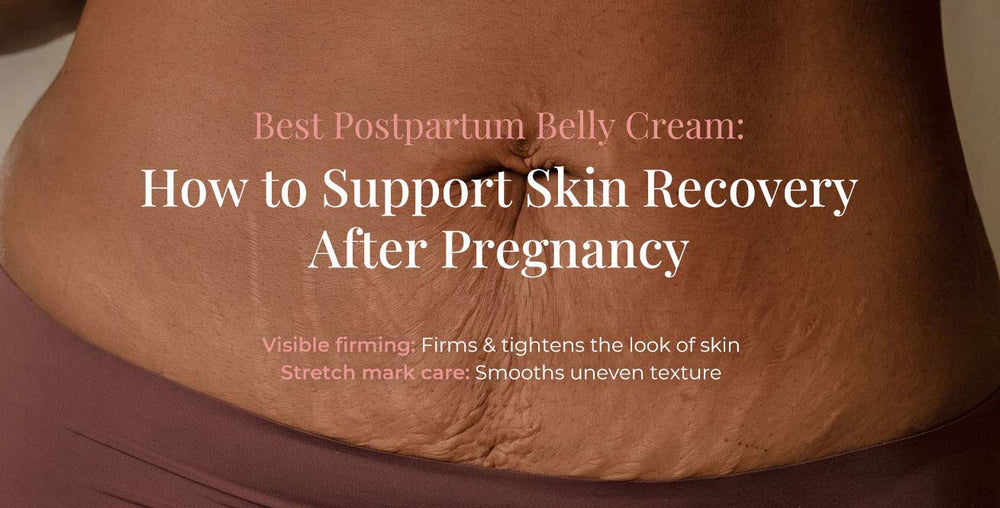
Best Postpartum Belly Cream: How to Support Skin Recovery After Pregnancy
This article talks about the needs of the skin of postpartum moms. It discusses topics like belly firmness, stretch marks, and whether c-section moms can use topical products or not. You will learn the best ingredients that support skin recovery. Furthermore, you will learn why the Momcozy Pro-Collagen Belly Firming Stretch Mark Cream is probably your best choice.

Third Trimester Checklist: Essentials and Practical Home-Prep Guide to Preparing for Baby’s Arrival
Preparing for delivery starts with a solid third trimester checklist. This guide walks moms-to-be through hospital bag essentials, must-have baby gear, prenatal appointments, and self-care steps to feel organized, confident, and ready as the due date approaches.

Best Pregnancy Gifts From Husband: Thoughtful Ways To Celebrate Your Pregnant Wife
Pregnancy is a major transition for both parents, but the pregnant wife often gets overlooked. Discover meaningful ideas that make her feel seen, supported, and celebrated throughout pregnancy.
EXPERT Spotlight


Popular Pregnancy & Postpartum Tools

Baby Name Generator
A name is the first gift to your beloved baby. Find the perfect name for your baby

Pregnancy Weight Gain Calculator
Track your pregnancy weight gain and get personalized recommendations based on your pre-pregnancy BMI.

Chinese Gender Prediction Calculator
Legend has it that this ancient Chinese gender prediction chart was discovered in a royal tomb near Beijing over 700 years ago.
Due Date Calculator
Using our Pregnancy Due Date Calculator, you can estimate your due date based on your last menstrual period, conception date, IVF transfer, or ultrasound.