A mom already knows that pacifiers always end up on the floor. Your baby always drops them. They also toss them and sometimes even share them with siblings. Keeping pacifiers clean isn’t just about looking clean; it’s about protecting your baby from germs. That’s where sterilizing comes in. If you want to make sure your baby stays comfortable and entertained while you clean their pacifiers, consider using a baby swing to keep them relaxed and safe.
Sterilizing pacifiers is easier than you think. Whether you prefer a quick boil, steam, or UV light, there's a method that fits every family's routine and lifestyle. With so many safe and effective options available today, keeping your baby's pacifier clean and germ-free has never been more convenient.
When and Why to Clean Pacifiers
Pacifiers are a comfort tool for babies. They spend so much time in your baby’s mouth. They can quickly collect harmful substances. Regular cleaning helps. It reduces the risk of your baby catching any germs and getting sick.
Babies drop pacifiers on the floor, stroller, or even outdoors. This makes them quick to collect harmful debris. Your baby’s young immune system is still developing. These germs can lead to infections or tummy upsets. That’s why regular sterilizing during the first months is especially important for your baby’s safety. As your little one grows and begins to use a baby high chair for solid meals, maintaining this high standard of hygiene across all feeding tools remains a top priority.
When should you clean them?
-
New pacifiers: Always sterilize before using.
-
Daily cleaning: Wash pacifiers at least once every day. This is a must if used frequently.
-
After dropping: Every time it falls on the floor or in a public space, wash it.
-
During illness: Sterilize more if your baby is sick or teething.
Why Clean and Sterilize Pacifiers?
-
Babies’ immune systems are still developing– they are more vulnerable to infections, colds, ear infections, and stomach bugs.
-
Pacifiers spend long periods in your baby’s mouth– this makes it act like a highway to enter the body.
-
Moisture encourages bacteria growth– saliva and trapped water can create the perfect breeding ground for bacteria. This might even breed yeast and mold.
-
Unclean pacifiers can cause oral issues– such as thrush (a yeast infection in the mouth). It might even cause early tooth decay when teeth begin coming in.
-
Sterilizing adds a layer of protection– it eliminates harmful germs so your baby gets comfort without hidden health risks.
-
Regular cleaning = peace of mind– simple daily habits keep your baby safe and give you confidence that they’re protected.
Keeping up with this routine makes sure your baby is safe. It ensures that they get the comfort of their pacifier without the hidden germs.
How to Wash and Sterilize a Baby’s Pacifier
There are several safe methods to clean and sterilize pacifiers. Here are the most common techniques you could use. Each method has its benefits. Choose the one that best fits your routine and lifestyle.
1. Boiling Water Method
One of the oldest and simplest ways is boiling water.
Steps:
- Bring a pot of water to a rolling boil.
- Place pacifiers into the water for 5 minutes.
- Carefully remove with clean tongs.
- Place on a clean towel to air dry.
Parent Tip: Make sure that the pacifier has cooled completely before giving it back to your baby.
2. Steam Sterilizing
Steam sterilization is a modern and efficient way to kill germs without harsh chemicals. It's gentle on pacifiers and works quickly, making it a reliable choice for everyday use.
General steps for using a steam sterilizer:
- Open the top lid.
- Place pacifiers and other baby items into the sterilizer.
- Fill the water tank up to the recommended level.
- Add a cleaning tablet or detergent block.
- Select your preferred cleaning mode.
- Run the cycle.
- Let pacifiers dry completely before use.
If you're looking for a hands-free, all-in-one solution, Momcozy offers two options depending on your needs. Browse the full Momcozy Bottle Washer collection to find the right fit for your family.
Momcozy KleanPal Pro Baby Bottle Washer & Sterilizer
The KleanPal Pro is ideal for everyday cleaning. It automatically washes, sterilizes, dries, and stores pacifiers, bottles, and other baby gear in one cycle. With 9 cleaning mode combinations and a 19-minute Quick Wash option, it fits any schedule. Wastewater drains directly through a hose, so there's no tank to empty. Items stay sterile for up to 72 hours after each cycle.
- Rapid Wash: 19 min
- Rapid Wash + Sterilize + Dry: 19 min + 60 min
- Rapid Wash + Sterilize + Dry + Storage: 19 min + 60 min + up to 72 hrs
- Normal Wash: 29 min
- Normal Wash + Sterilize + Dry: 29 min + 60 min
- Normal Wash + Sterilize + Dry + Storage: 29 min + 60 min + up to 72 hrs
To support a safer and more reassuring user experience, we have increased the size and visibility of the safety label beside the drain hose. After the cycle is complete, hot water may still remain in the unit. Please position the drain hose lower than the outlet to prevent residual water, avoid direct contact with water being discharged, and keep children away. Allow the unit and all remaining water to cool before you handle, clean, or store the product.
Momcozy DeepClean Baby Bottle Washer D8
For families with higher daily cleaning demands, the DeepClean D8 is the upgraded option. It holds up to 8 bottles per cycle and uses the HydroJet360 system with 112,000 Pa high-pressure warm water, sterilizing 99.99% of bacteria in one go. It also features TubeWash for narrow silicone tubing and Pump360 for curved breast pump parts, plus a one-touch self-cleaning mode to keep the machine itself hygienic. The Rapid Wash completes in as little as 19 minutes, while the full automated cycle takes approximately 1.5 hours.
Both models eliminate the need for manual scrubbing. Just load, press, and let the machine handle the rest.
3. UV Sterilizing
UV sterilizers are safe and chemical-free. They use UV light to kill up to 99.9% of bacteria. They’re also quick and convenient. They can make them a great option for busy parents.
Steps:
- Place the pacifier inside the UV sterilizer.
- Run the cycle (usually 3–5 minutes).
- Remove when complete. You don’t even have to rinse.
Parent Tip: UV sterilizers are portable, making them great for travel.
4. Sterilizing Solutions
Some parents prefer sterilizing tablets or liquid solutions. These options are easy to use and can be especially helpful. You can even make breakfast with them in a boiling or steam sterilizer.
Steps:
- Dissolve a sterilizing tablet in water (follow packaging instructions).
- Soak pacifiers for the recommended time.
- Rinse thoroughly with boiled or filtered water before giving it to the baby.
Note: Always double-check instructions to ensure safety.
How to Sterilize Different Types of Pacifiers
Not all pacifiers are made the same. The material affects how you should clean and sterilize them. Using the wrong method can damage the pacifier and make it unsafe for your baby.
How to Sterilize Silicone Pacifiers
Silicone pacifiers are the most durable and heat-resistant, so that they can handle most sterilizing methods. Boil them for up to 5 minutes, use an electric steam sterilizer, soak them in a sterilizing solution, or use a UV sterilizer. All methods are safe and effective for silicone.
How to Sterilize Natural Rubber Latex Pacifiers
Latex pacifiers are softer and more sensitive to heat, so extra care is needed. If boiling, keep it under 3 minutes to prevent the rubber from breaking down. Use steam sterilizers on low-heat settings. UV sterilizing is the safest option as it uses no heat or chemicals. The sterilizing solution is also safe; just rinse thoroughly afterward.
How to Sterilize Plastic Pacifiers
Plastic pacifiers require the gentlest approach as they are the most heat-sensitive. Avoid boiling as high heat can warp or crack the material. Only use a steam sterilizer if the pacifier is labeled heat-safe. UV sterilizing is the best and safest option for plastic. The sterilizing solution is also safe; just follow the instructions and rinse well before giving it to your baby.
Can You Put Pacifiers in the Dishwasher?
It depends on the pacifier. Some pacifiers are labeled dishwasher-safe, but there are a few things to keep in mind before tossing them in.
-
Check the label first. Only use the dishwasher if the manufacturer explicitly states it is dishwasher-safe.
-
Use the top rack only. The bottom rack is closer to the heating element and can warp or damage the pacifier.
-
Skip the heated dry cycle. High drying heat can degrade the material, especially for latex and plastic pacifiers.
-
Use a baby-safe detergent. Standard dishwasher detergents can leave chemical residue on pacifiers.
-
The dishwasher washes but does not sterilize. Water temperatures in most home dishwashers are not high enough to fully eliminate harmful bacteria. For true sterilization, follow up with one of the methods above.
How to Store Pacifiers After Sterilizing
Sterilizing your pacifier is only half the job. How you store it afterward matters just as much. Improper storage can re-expose a clean pacifier to bacteria before it even reaches your baby's mouth.
-
Use a clean, sealed container. Store sterilized pacifiers in a dedicated airtight container or a pacifier case to protect them from dust and airborne bacteria.
-
Avoid leaving them out in the open. Surfaces like countertops, changing tables, and diaper bags can harbor germs that transfer easily.
-
Keep them dry. Make sure pacifiers are completely dry before storing. Trapped moisture encourages bacteria and mold growth.
-
Store away from raw food or chemicals. Keep pacifiers away from areas where food is prepared or where cleaning products are stored.
-
Replace the storage container regularly. Wash and sterilize the storage container itself at least once a week.
-
Use within 24 hours if not in an airtight container. If the pacifier is not stored in a sealed case, re-sterilize it before use.
Tips for Making Pacifier Sterilizing Easier
Keeping up with pacifier cleaning doesn’t have to be tiring. A few smart habits can save you time. It will also lessen your stress. With the right routine in place, you’ll always have a clean pacifier. This pacifier will be ready when your baby needs comfort.
-
Rotate pacifiers– Keep a few clean ones on hand so you’re never caught without a backup.
-
Sterilize in batches– Wash and sterilize several pacifiers. Once, instead of one at a time.
-
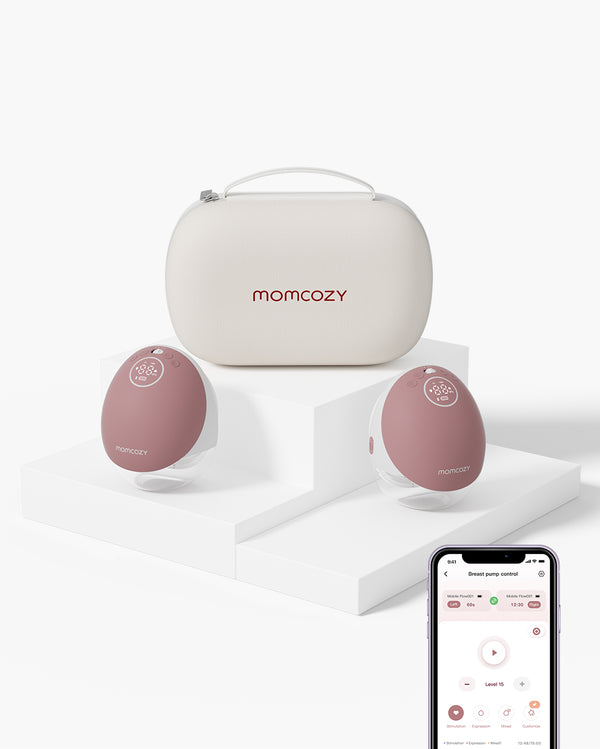
Use the right tools– Devices like the Momcozy KleanPal Pro Baby Bottle Washer and Sterilizer are one of them. It handles cleaning, sterilizing, and drying automatically. You can also combine it with the Momcozy M9 Mobile Flow Hands-Free Breast Pump for a completely hygienic feeding routine.
High Efficiency
Expert-Tuned Rhythms
APP Control
Long Battery
-
Create a routine– Try sterilizing at the same time each day. For example, after bedtime, it becomes second nature.
Pacifier Cleaning and Sterilizing Mistakes to Avoid
Even with the best intentions, some common habits can do more harm than good. Here are the mistakes to avoid when cleaning and sterilizing your baby's pacifier.
Do not lick the pacifier clean
It might seem harmless, but licking your baby's pacifier to "clean" it actually transfers bacteria and viruses from your mouth directly to your baby. Adult mouths carry germs that a baby's immune system isn't ready to handle. If the pacifier falls, rinse it with clean water instead.
Do not dip the nipple in sweet substances or medication
Coating a pacifier in honey, sugar, juice, or medication to calm your baby may seem soothing, but it can lead to tooth decay, unhealthy sugar habits, and even serious illness. Honey in particular is dangerous for babies under 12 months due to the risk of botulism.
Do not leave a pacifier in direct sunlight
Prolonged sun exposure can degrade pacifier materials, especially silicone and latex. Heat and UV rays can cause the nipple to become brittle, crack, or warp — making it a safety hazard for your baby.
Do not leave it in the sterilizing solution longer than recommended
More soaking time does not mean a cleaner pacifier. Leaving it in solution longer than instructed can break down the material and leave harmful chemical residue. Always follow the manufacturer's guidelines for soaking time.
Do not place pacifiers in the microwave without water
Microwaving a dry pacifier can cause it to overheat, melt, or release harmful chemicals. If you use the microwave to sterilize, always use a microwave-safe sterilizer bag with the recommended amount of water.
How often should I sterilize pacifiers and baby bottle nipples?
You need to clean pacifiers and bottle nipples daily. Especially if your baby is under 6 months. Their immune systems are still ready. This makes them more prone to infections. They might get tummy troubles and oral issues as well.
FAQs
Can I use electronic steam sterilizing devices?
Yes! Steam sterilizers, including the Momcozy KleanPal Pro, are safe and highly effective. They use heat to kill germs. This is effective even without chemicals and saves you time compared to boiling. Plus, they also have an automatic drying feature. This can make pacifier cleaning easier and more convenient for busy parents.
How do you sterilize pacifiers at home?
There are several easy ways to sterilize pacifiers at home. You can boil them in water for 5 minutes, use an electric steam sterilizer, soak them in a sterilizing solution, or use a UV sterilizer. Choose the method that best fits your routine and always let the pacifier cool and dry completely before giving it back to your baby.
Can I sterilize a pacifier in the microwave?
Yes, but only with a microwave-safe sterilizer bag or container and the recommended amount of water. Never microwave a pacifier dry, as this can cause it to overheat, melt, or release harmful chemicals. Always let it cool down completely before giving it to your baby.
Is Dawn Dish Soap Safe for Pacifiers?
Dawn dish soap is generally safe for washing pacifiers as it is free from harsh chemicals and rinses off cleanly. Just make sure to rinse thoroughly afterward to remove any soap residue. Note that washing with dish soap cleans but does not sterilize. Follow up with boiling, steam, UV, or a sterilizing solution for full sterilization.
Can I use UV sterilizing devices?
Yes! UV sterilizers are safe. They're also chemical-free and fast. These sterilizers emit UV light. UV kills most of the germs. They're really convenient when you're in a hurry. This keeps your baby's pacifiers clean even when you're out.
Can I use sterilizing solutions?
Yes! You can use sterilizing tablets or liquid solutions. They can safely disinfect pacifiers. Just be sure to follow the guide carefully. Always rinse thoroughly with boiled or filtered water afterward. This ensures no residue remains. Now, your baby gets a clean pacifier without any leftover taste or chemicals.
Why is there water in the nipple after cleaning?
Trapped water during washing or boiling is pretty normal. Just squeeze out the water gently. Then, you can set it aside on a clean towel or drying rack. Drying it thoroughly avoids moisture build-up. Such a build-up causes bacteria or mold to grow.
When should you replace your pacifier?
Replace pacifiers if they look cracked. Sticky or showing any signs of wear and tear is also a sign to replace them. A worn pacifier can break apart and become unsafe. Just follow the rule of swapping them out every 4–6 weeks. This helps keep your baby safe. It also ensures the pacifier stays clean, durable, and comfortable to use.
Do I need to sterilize my pacifier every time?
Not necessarily, regular washing and sterilizing are enough. As your baby grows, their immune system gets stronger. You can reduce how often you sterilize. Still, it’s always a good idea to sterilize after illness or when the pacifier falls in a public place.
Conclusion
Sterilizing pacifiers may seem like one more task, but it’s one of the most important. But once you find the method that works for your family, it’s quick and easy. Whether you prefer boiling, UV light, or the convenience of the Momcozy KleanPal Pro, keeping pacifiers germ-free is simple and reassuring.
Pacifiers should soothe, not spread germs. A regular cleaning routine gives your baby comfort. It also keeps you confident about their safety. It’s less about perfection and more about building habits that fit your family’s lifestyle.
Peace of mind for you. Clean comfort for your baby.