Do Babies Sweat, and Is It Normal?
Yes, babies do sweat, and in most cases, it is completely normal.
Babies may sweat during sleep, feeding, crying, or when they are warm or lightly bundled. It can also happen in newborns as their body is still learning how to regulate temperature.
Most sweating is harmless, especially if your baby is otherwise comfortable, feeding well, and behaving normally. However, sweating should always be considered together with other signs such as breathing, skin color, temperature, and overall behavior.
If sweating seems unusual, persistent, or comes with other symptoms, it is best to consult a pediatrician.
Can Newborns Sweat? What Parents Should Know
Yes, newborns can sweat, but their sweating patterns are still developing in the early months.
Parents often notice sweating on the head, neck, or back, especially during sleep or feeding. This happens because newborns are still learning how to regulate body temperature efficiently.
In the first weeks and months, sweating may seem more noticeable or inconsistent, which is usually part of normal development. However, it is still important to observe your baby’s overall comfort, feeding, and behavior.
What Does It Mean When Babies Sweat?
Your baby's body reacts to warmth, comfort, or even relaxation by producing sweat. Sweating generally concentrates on the head, neck, and armpits. It can happen unexpectedly during quiet, comfortable times when your child isn't moving around much. When your baby is sleeping in a warm blanket or cuddling in your arms, they are most likely to perspire.
Your baby's sweat is normal and it doesn’t really call for complications. Sweating mostly means a positive thing, as it shows that your baby’s body is functioning properly, their internal thermoregulation function to be exact. While your baby may react differently to others like they may sweat more or less, being able to identify what is normal and what is not can give you the peace of mind that you need.
Why Do Babies Sweat?
Your baby’s sweat means the same as yours, sweat helps them control their body temperature. However, because of their underdeveloped nervous systems, they may find it difficult to maintain their desired temperature. This is what causes your baby’s excessive sweating.
You may notice your baby sweating more during:
-
Sleep (especially in deep sleep stages)
- Nursing or bottle-feeding
- Warm weather or overheating indoors
- Crying or exerting effort
Your baby’s sweat may also be caused by the temperature of the room or the amount of covers or blankets that they have. Most parents do this as they find that their baby finds comfort when being wrapped with blankets.
Smart baby sound machines, such as the Momcozy Smart Baby Sound Machine, can help you and your baby have a quiet bedtime routine which can help your baby relax without the need for bulky blankets or layers of coverings. They can also comfort your baby with soothing noises like white noise, lullabies, and ambient sounds — all controllable via app. It supports better sleep and relaxation, especially during growth spurts or warm nights.
App or Parent Unit
Danger Zone Alert
Storage Supported
Vox Mode
App Remote Control
Sleep-Wake Routine
7 Color LED Light
34 Sounds
When Should I Be Worried About My Baby's Sweat?
Sweating is part of your baby’s physical development, and most of the time is a normal experience for you and your baby. But, in some rare cases, it can actually be a sign of something serious especially when it becomes more unusual and feels different.
Here are some of the signs you can watch out for:
-
Sweating a lot when eating or sleeping
-
Sweat accompanied by symptoms of exhaustion, appetite loss, and labored breathing.
-
Cold sweats along with sobbing, paleness, and lack of response
- Heavy sweating in low temperatures
-
Sweating mostly on the body, not on the head
While it's not the norm that your baby's sweat would be a sign of something negative. It can happen and can be a sign of infection, metabolic disorders, or even heart disease. As scary as it seems, it's important that you stay calm, and consult your doctor to deeply understand what may be the cause of your baby’s unusual sweat. While you monitor their health and comfort, transitioning your baby into mealtime routines like sitting in a baby high chair may also help build a structured schedule.
Baby Sweating But Cold to Touch: What It May Mean
It can feel concerning when your baby is sweating but their hands or feet feel cold. In most cases, this is normal and related to how babies regulate body temperature.
Babies often have warmer core areas like the chest, back, and head, while their hands and feet may feel cooler. This happens because circulation and temperature control are still developing, especially in newborns.
You may notice this more during sleep, after feeding, or when your baby is resting. Light sweating on the head or upper body can appear while the extremities feel cool or slightly clammy.
This difference between the body’s core and limbs is usually part of normal development and is common in early infancy.
After bath time excitement, a baby swing with gentle motion can help baby settle back into a calm, content state while you clean up—keeping them safe and entertained.
You may also notice this pattern when your baby is deeply asleep or relaxed. In many cases, the head or upper body may sweat more because these areas play a bigger role in temperature regulation during infancy.
However, cold sweat should be observed more closely if it happens together with other symptoms such as unusual sleepiness, poor feeding, changes in skin color, fast or difficult breathing, or if your baby seems uncomfortable or unwell.
If anything feels persistent or unusual, it is always best to consult a pediatrician.
Baby Sweating But No Fever: Normal Causes vs. When to Watch Closely
It can be concerning when your baby is sweating even without a fever. In many cases, this is normal and linked to everyday situations rather than illness.
Common causes of baby sweating without fever include:
-
Overheating – Warm rooms or too many clothing layers can make babies sweat easily
-
Room temperature changes – Babies are sensitive to small environmental shifts
-
Feeding effort – Sucking from breast or bottle can take energy and increase body heat
-
Crying or fussiness – Emotional or physical effort can temporarily raise body temperature
-
Recent sleep – Babies may sweat after deep sleep or during sleep transitions
Because babies are still developing their temperature regulation, sweating can happen even when they do not have a fever.
What parents should remember:
Instead of focusing only on fever, check your baby’s overall condition, including:
If sweating happens often without a clear reason, or is combined with unusual symptoms such as poor feeding, low energy, or breathing changes, it is best to consult a pediatrician.
Why Is My Baby Sweating in Sleep?
Most of the time you find your baby sweating when they are fast asleep or doesn't move that much, which is weird when you think about it. As unusual as it may be, it's actually a normal reaction. The thing is your baby’s ability to control their temperature is not developed enough. That’s why when they are covered in blankets or sleeping on a soft bed, those materials take away their heat which their body respond by making more moisture – especially the sweat glands on the scalp.
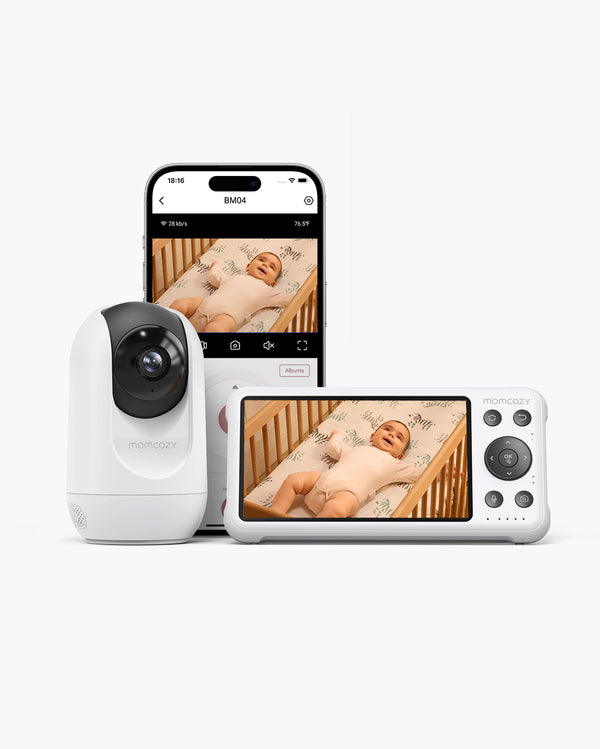
To help you monitor your baby when they are sleeping, especially their room’s temperature, you can use a smart baby monitor with features that allow you to do so like the Momcozy Smart Baby Monitor. This tool can help you track the movement of your baby when sleeping, and the temperature of their room. This tool gives you peace of mind and insights on what to do or adjust while your baby is sleeping.
App or Parent Unit
Danger Zone Alert
Storage Supported
Vox Mode
App Remote Control
Sleep-Wake Routine
7 Color LED Light
34 Sounds
Baby Sweating From the Head, Back, or Neck
It is common for babies to sweat more in certain areas of the body, especially the head, back, and neck. This can look more noticeable to parents, but in most cases, it is a normal part of how babies regulate their body temperature.
Babies often release heat through the head and upper body because their temperature control system is still developing. As a result, sweating may be more visible in these areas, especially during sleep, feeding, or when they are held close.
Common reasons for localized sweating include:
-
Sleep and deep rest – Babies may sweat more during sleep cycles when the body is adjusting temperature
-
Feeding or sucking effort – Feeding can increase body activity and warmth
-
Warm environment or layering – Extra clothing or a warm room can lead to more sweat on the head and back
-
Close contact – Being held against a caregiver’s body can trap heat in the neck and upper back area
In most cases, this type of sweating is not a concern if your baby is comfortable, feeding well, and breathing normally.
Baby Cold Sweat, Clammy Skin, or Feeling Cool: When to Be Careful
Cold sweat or clammy skin in babies can look concerning, especially when your baby feels cool to the touch. In many cases, this can still be normal and may be related to temperature changes, sleep, or how your baby’s body is regulating heat.
Babies may feel cool in their hands or feet while the chest or back still feels warm. However, cold or clammy skin should be observed more closely if it appears with other changes in your baby’s behavior or condition.
Watch more closely if cold sweat comes with:
-
Unusual sleepiness or low energy
-
Poor feeding or refusal to eat
-
Changes in skin color (pale, bluish, or gray)
-
Fast or difficult breathing
-
Baby seems weak or unresponsive
If these signs appear, it is best to consult a pediatrician for proper guidance.
What Parents Can Do When Baby Is Sweaty
When your baby is sweaty, simple checks and small adjustments can help you understand what they need and keep them comfortable.
Parents can do the following:
-
Check room temperature and make sure it is not too warm
-
Remove one layer of clothing if your baby feels hot or sweaty
-
Feel the chest or back instead of only hands and feet to check body temperature
-
Check for fever using a thermometer if needed
-
Observe breathing, skin color, and overall alertness
-
Offer feeding if your baby seems hungry or unsettled
-
Contact a pediatrician if sweating feels unusual, persistent, or comes with other symptoms
When to Call a Pediatrician
Most baby sweating is normal, especially during sleep, feeding, or warm environments. However, there are certain signs that may indicate your baby needs medical attention.
It is important to look at sweating together with other symptoms rather than on its own.
Call a pediatrician if your baby has sweating along with:
-
Trouble breathing, fast breathing, or visible effort when breathing
-
Bluish, pale, or gray skin color
-
Poor feeding or difficulty finishing feeds
-
Unusual sleepiness, weakness, or difficulty waking up, lethargic baby
-
Signs of dehydration (such as fewer wet diapers or dry mouth)
-
Persistent sweating with no clear or obvious cause
-
Fever in young babies, especially when combined with other symptoms
If you notice any of these signs, it is best to seek medical advice as soon as possible.
Even if symptoms are mild but feel unusual for your baby, trusting your instinct and consulting a pediatrician is always the safest choice.
FAQs
Do babies sweat?
Yes, babies do sweat. This is normal and usually happens during sleep, feeding, crying, or when they are in a warm environment. It may look more noticeable because their temperature regulation is still developing.
Can newborns sweat?
Yes, newborns can sweat, especially on the head, neck, and upper body. This is part of early development as their sweat glands and temperature control are still maturing.
When do babies start sweating?
Babies can start sweating from birth, but it becomes more noticeable in the first few months as their body learns to regulate temperature more effectively.
Why is my baby sweating but cold to touch?
This can happen when a baby’s core body (chest or back) is warm while their hands and feet feel cooler. It is usually related to immature temperature regulation and is often seen during sleep or rest.
Why is my baby sweating but has no fever?
Sweating without fever can happen due to overheating, warm room temperature, extra clothing layers, feeding effort, crying, or normal sleep cycles. It is important to check other signs aside from temperature alone.
Is it normal for a baby to sweat while sleeping?
Yes, mild sweating during sleep can be normal. It often occurs during deeper sleep stages or when the room is slightly warm.
Why does my baby sweat so much from the head?
Head sweating is common in babies because they release heat more easily through the scalp as part of their developing temperature regulation system.
Why does my baby feel clammy but not hot?
A baby may feel clammy due to mild temperature changes, sleep cycles, or normal body adjustment. It should be observed alongside overall behavior and comfort.
What do cold sweats mean in babies?
Cold sweats may appear as damp or cool skin without warmth. While sometimes harmless, it should be monitored closely if it occurs with other unusual symptoms.
When should I worry about baby sweating?
You should seek medical advice if sweating is accompanied by breathing difficulty, poor feeding, unusual sleepiness, color changes (pale or bluish skin), dehydration signs, or if sweating is persistent and unexplained.
Conclusion
Baby sweats are normal and it mostly doesn't mean to be dangerous to your child's health. It's just a part of their growth and as time passes your baby’s body will get better controlling their own body temperature. But as always, whenever you feel something is wrong or different, don't be afraid to ask your doctor for help.
Finding the right tools that can help you take care of your baby can help you lessen stressful situations. The Momcozy Smart Baby Monitor can help you watch your baby while you're in another room and also update you about the temperature and movement of your sleeping baby. To also help you and your baby sleep better, you can use Momcozy Smart Sound Machine. With the help of these tools, it can help you stay at ease and your baby sleeping better even if you’re in another room.
Understand the meaning behind their sweats, and with the right tools, you can give yourself and your baby a more comfortable environment and peace of mind.