


Going back to work can affect your breastfeeding in ways you don't expect. Suddenly, pumping has to be slotted in between meetings or shifts, milk needs a place in the fridge, and your baby’s daytime feeds are part of someone else’s schedule, as well. Advice on breastfeeding for working moms is more “to do this, you’re going to have to work out a pace and rhythm that you can actually maintain” than “here’s exactly how to do everything right.” Some prep work can make those first few weeks a whole lot easier.

What Can I Do During My Pregnancy to Prepare for Breastfeeding After Returning to Work?
You don’t need to start pumping when pregnant just because you know you’ll be returning to work. Use this time to get oriented to the basics of breastfeeding, connect with lactation support if you wish, and learn what pumping options your employer offers.
And it's useful to plan for practical matters in advance: Where will you pump? Where will you keep your milk? How will you bring it home? Who will feed your infant while you're at work? Your travel time for meetings and your work schedule might also determine your pumping timetable.
There are challenges with working from home. Although work from home for nursing mothers might cut out the commute, the demands of meetings and deadlines can still make it all too easy to skip pumping.
Pregnancy Planning Checklist
- Know your workplace: Inquire about the location of the pump rooms and break policies.
- Arrange for child care: Discuss bottles, feeding and storage of breast milk with your sitter.
- Plan for milk storage: Plan how you will store and transport expressed breast milk.
- Test your pump: Pick one that suits your work schedule and find out how to use it.
- Keep support contacts: Have the number for a lactation professional or your health care provider close at hand.
There’s no need to have a perfectly detailed plan lined up before your baby comes. The point of planning ahead during pregnancy is to eliminate a few of the dots so that when you go back to work, you can focus a little less on calculating the logistics and a little more on figuring out your new normal.
What Can I Do While on Maternity Leave to Make Breastfeeding More Successful?
Maternity leave is a nice window to get established with breastfeeding before adding work back in. You don’t have to recreate your future workday just yet. Just get comfortable with feeding your baby, pumping, storing milk and the little routines you’ll develop once you’re back working.
Beginning Pumping and Storing Milk
If you plan to pump at work, get to know your pump when you’ve still got a little breathing room. Get a feel for the settings, make sure the flange fits comfortably, and see how long a typical session lasts.
There’s also no need to use up your maternity leave building a giant freezer stash. A little stored milk can give you a bit of a buffer, but pumping nonstop before you go back to work can add to the pressure of an already hectic day.
A wearable option, such as the Momcozy M5 Smart Wearable Breast Pump, gives moms more freedom to pump without being tied to a traditional setup. Its hands-free design can make it easier to move around, get small tasks done, or simply take a break while pumping. For moms who prefer a wearable setup, you can also explore the collection of Momcozy wearable breast pumps to find an option that fits into your daily routine.
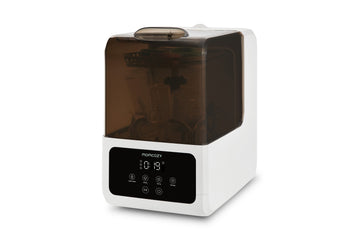
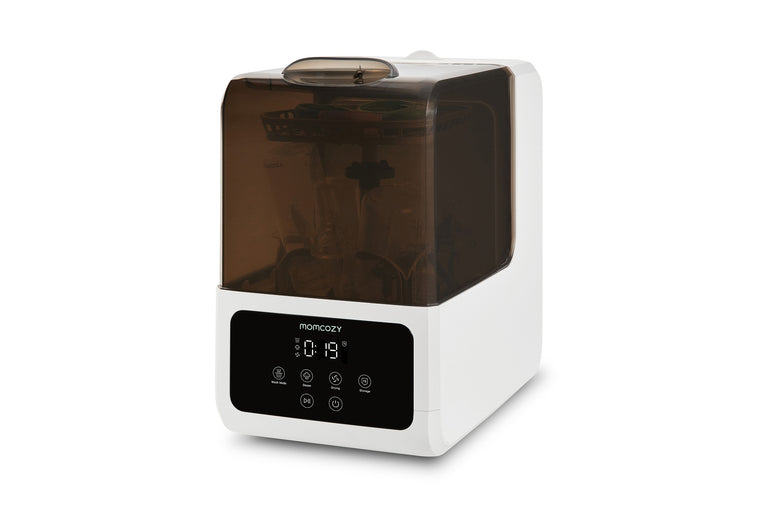
Milk storage and cleanup are worth getting familiar with, too. Learn how to clean your pump parts, label expressed milk, and keep it properly chilled. When you start working again, bottles and pumps can quickly become just another chore that’s waiting for you at home. The Momcozy DeepClean Lite Baby Bottle Washer handles washing, sterilizing, drying, and storing in one cycle, taking some of the work out of the bottle-cleaning routine. Its four-layer spray system and 212°F steam help clean and sterilize, while the Pump360 rotary jet reaches bottle corners and smaller pump parts that can be tricky to wash by hand. It also holds up to four bottles and is designed to fit neatly under low cabinets, making it a practical addition to a busy feeding setup. You can also browse the Momcozy bottle washer collection for more options.
Introducing a Bottle to a Breastfed Baby
Some infants take a bottle immediately. Others require a little more time. If your infant will be in the care of a caregiver as you return to work, introducing a bottle while you're still on maternity leave will give you both a little breathing space to figure out a feeding rhythm that suits you best. Just start with small batches and have someone else handle it every now and then, especially if your baby seems to expect nursing when you are close.
The goal is simply to make the bottle familiar before you return to work. It does not have to replace breastfeeding at home.
Practice the Routine Before You Need It
Prior to your return, run through the routine once or twice all the way through. Pack your pump, express milk, label it, store it, clean the parts and put everything away.
And that applies to your baby's bottles too if it's not you who's feeding them. These are minor issues, like a pump with missing parts, insufficient storage space or a cooler that won't fit everything, but you can resolve them while you still have time.
It’s also worth considering what happens when you get home. If washing bottles and pumps becomes a nightly chore, a fast cleanup routine may make the thought of the end of the workday a little more bearable.
Breastfeeding for Working Moms, What You Need to Know
The first couple of days back at work can be odd. You're watching the clock, thinking about your baby, sneaking out to pump, and trying to make it through the rest of your workday.Once you get back into the routine, it usually feels more manageable, and the whole day starts to feel less overwhelming.
How Often Should I Pump at Work?
In general, your pumping schedule should be the same as your baby's feeding schedule when you are apart. The frequency of pumping will depend on your infant's age, your milk supply, and the length of time you will be separated. It is useful to think of pumping as similar to milk extraction that would have happened if you were with them. Going longer than you are used to can cause you to be uncomfortable and even affect your supply.
Your workday won't always want to get along. There could be a meeting that runs long, a shift that gets busy, or a commute that gets extended. When it comes to breastfeeding for busy moms, the routine has to incorporate a little flexibility, instead of sticking to a strict schedule.
How Will My Baby Be Fed While I'm at Work?
When you’re not together, your baby can take expressed breast milk from a bottle and come back to the breast when you are together. Some babies nurse right before you leave and when you come home; others want to nurse more frequently in the evening.
Talk to your baby’s caregiver before you go back to work. Let them know how you want your milk to be stored, how the bottles are to be prepared, and what to do with any milk your baby doesn’t finish.
For families dealing with night feedings, a bottle warmer can also save a few steps when the whole household is running on empty. The Momcozy Night Pro Baby Bottle Warmer is made with those half-asleep feedings in mind. Its visible water chamber makes it easy to check the water level, while the soft night light lets you warm a bottle without turning on bright lights and fully waking everyone up. One-touch operation and smart memory also make those middle-of-the-night feeds a little easier, while the water-bath warming is designed to heat milk evenly.
You can also browse the Momcozy baby bottle warmer collection for other options that may fit your feeding routine.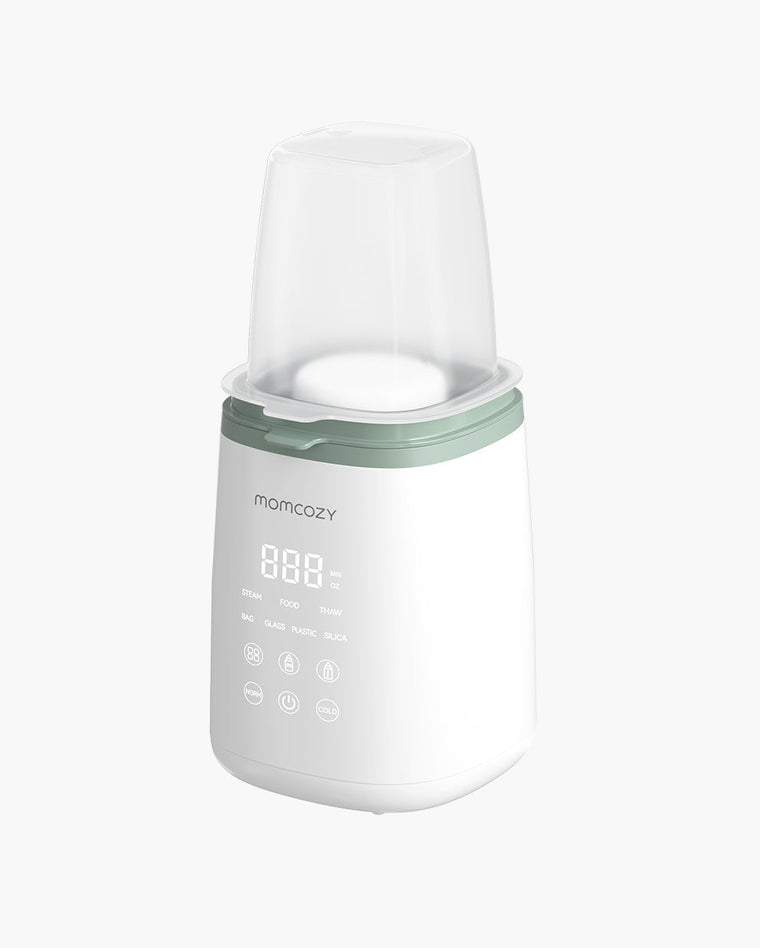
How Much Breastmilk Should I Send with My Baby During the Day?
There is no right amount for all babies. Begin with your baby’s normal feeding schedule and the length of time you’ll be apart, then modify according to how much your caregiver sees your baby drinking.
Sending smaller portions can also help limit waste. Your baby's needs will change with age, so the amount that works now may not be the amount you need a few months from now.
Break Time for Nursing Mothers Under the Fair Labor Standards Act
Federal law can take some of the uncertainty out of pumping at work. Under the Fair Labor Standards Act, most nursing employees have the right to reasonable break time to express breast milk each time they need to pump during the first year after their child's birth. They are also generally entitled to a private space that is shielded from view, free from intrusion, and not a bathroom. Employees who telework are covered on the same basis.
There is no standard number of minutes for each pumping break. Time requirements may vary by employee and baby, as well as logistical considerations such as travel time to the space and time to set up the pump.
For breastfeeding mothers at work,having this information in advance may help facilitate discussions about pumping at work with a supervisor or human resources. Local and state laws may afford additional protections.
Where Should I Store My Breastmilk?
Pumped breast milk may be stored in a work refrigerator with other food. CDC recommends storing the milk at the back of the refrigerator, where the temperature is most constant. Freshly expressed milk can generally be kept in a refrigerator for up to 4 days. An insulated cooler with frozen ice packs will keep freshly expressed milk for up to 24 hours without the benefit of a refrigerator.
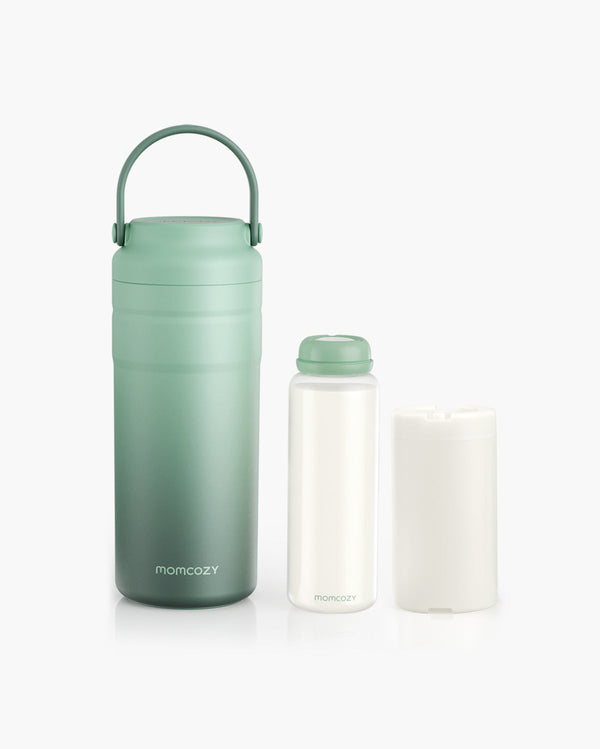
Dedicated coolers can make the trip home after pumping a little easier, especially when you don't have immediate access to a refrigerator. The Momcozy Portable Breast Milk Cooler holds up to 22 oz across two storage bottles and uses 360° surround cooling to keep breast milk chilled for more than 24 hours when the cooling tube is fully frozen and the cooler stays closed. Its tall, portable design can fit into a work bag or pump bag, while the leak-proof storage bottles help keep everything secure on the way home.
For moms comparing different setups for work, travel, or days out, you can also browse the Momcozy baby bottle cooler range for more options.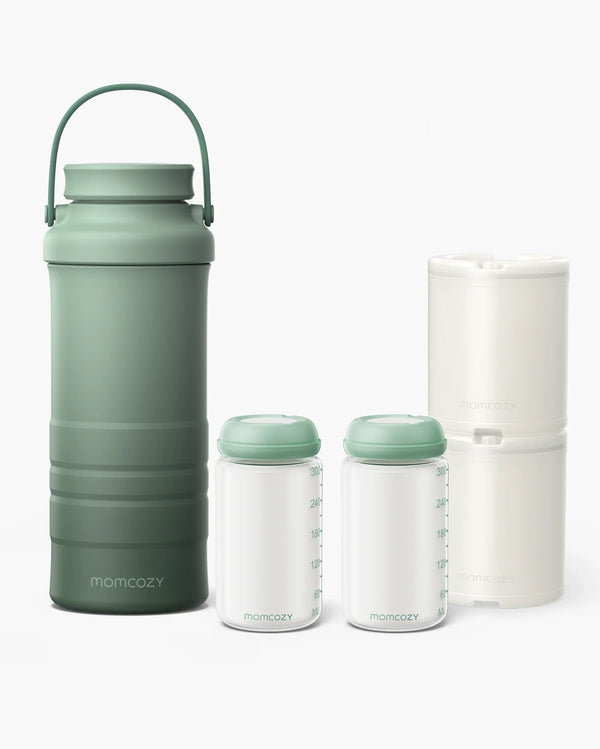 Member price
$109.99Code Save 20%
Member price
$109.99Code Save 20%
Label your milk with your name and the date and time you pumped the milk. This is particularly important if you are storing your milk in a community fridge at the office.
FAQs
What is the 3 month breastfeeding crisis?
The “three-month breastfeeding crisis” is not a medical diagnosis. By this stage, some babies are more easily distracted or nurse more quickly, and your breasts may feel softer as supply evens out. These changes can make you think your milk supply is dropping when it actually isn’t.
Why do I feel like a failure when I can't breastfeed?
Nursing is almost always a pressured experience for most moms, so experiencing difficulties with it can feel personal. However, there may be feeding difficulties due to reasons like problems with latch, low quantity of milk, pain, or illness. Needing support or modifying your feeding plan doesn't mean you've failed.
How long does a breastfeeding session typically last for a newborn?
There’s no time limit. Certain infants seem to do it in a flash, and some even take a while, especially during the first few weeks. What’s more important is that the baby is feeding well, getting enough milk and gaining weight adequately.
Should you breastfeed while sick?
More often than not, the response is yes. For the most part, there’s no need to stop breastfeeding for a routine illness, although you may need special instructions if you have particular infections or are on particular medications. When in doubt, check with your doctor.
What is the hardest month of breastfeeding?
Every mom has a different hardest month. The first few weeks of nursing might be challenging as you and your baby learn the ropes, but returning to work, teething, or changing meal schedules could cause more issues in the future.
Will I lose weight after I stop breastfeeding?
Not really. Post‐weaning weight changes are individually varied responses and are influenced by diet, activity, sleep, hormones, and metabolism. Stopping breastfeeding doesn't mean you'll lose or gain weight.
Are breast-fed babies happier?
Not really. Breast milk is a valuable source of nutrition and may also be a soothing part of your baby's routine, but how often a baby feeds is not the only thing that determines his or her contentment. Babies have needs and personalities of their own.
What makes a woman not able to breastfeed?
A number of factors, including hormonal disorders, certain diseases, breast surgery, medication, and baby's latching problems, can affect a woman's milk production. Some problems can be solved with assistance, and some might lead to choosing an alternate feeding method.
Does kissing baby change breast milk?
There is no evidence that kissing your baby alters your breast milk directly or immediately. Your milk changes naturally over the course of breastfeeding for the same reasons that your baby grows and your feed demands change.
Is a 10 minute breastfeeding long enough?
It can be. Some babies make nursing very efficient and can get their milk in a short feed, while others take longer. How long a feed lasts is less important than whether your baby is feeding well and putting on weight.
At what age is it recommended to stop breastfeeding?
There is no required age to stop breastfeeding. The American Academy of Pediatrics recommends exclusive breastfeeding for approximately the first 6 months, followed by continued breastfeeding with complementary foods for at least 2 years and beyond, as mutually desired by mother and child.
Do babies become more efficient at breastfeeding?
Yes, many do. As infants develop and their sucking skills improve, they are able to consume more milk in less time. A short nursing session doesn’t necessarily signify that your baby is underfeeding.
What illnesses should you not breastfeed?
Most medical conditions are not a reason to stop breastfeeding. Certain infections, drugs, and treatments may cause temporary interruptions—so be sure to consult your health care provider about your specific situation.
Do breastfed babies nurse more when sick?
Yes, they can. Some babies want to nurse more frequently when they’re sick because breast milk is comforting and hydrating, while others may nurse less because they just feel off. Monitor feeding and hydration, particularly if your baby is struggling to nurse.
Can I combine breastfeeding and formula when working?
Yes. Lots of working moms do a combination of breast milk and formula depending on their schedule, their milk supply or their care provider. It is possible to have exclusive breastfeeding and working mothers, but it can be exhausting for some, and utilizing feeding methods is a way to keep breastfeeding as part of your feeding routine.
Conclusion
When it comes to breastfeeding for working mothers, the aim isn’t to try and make every feeding or pumping session like clockwork. It's about taking the daily routines—pumping, storing milk, childcare, getting home with everything still intact—and making them manageable enough to allow you to keep going.
It could be some combination of sending more or less milk, pumping at different times, or using a few tools that save you from doing work. Working moms breast milk can stay as part of a baby’s routine after maternity leave, but it shouldn’t make your whole day more difficult than it has to be. The routine that counts is the one you can live with day in and day out—not the one that looks perfect on paper.








