


One of the best-kept secrets of new and expecting parents is to get free baby stuff through insurance. Most health insurance plans provide coverage on essential baby products such as breast pumps, postpartum recovery materials and even lactation support- sometimes with no additional fees. It may be an overwhelming experience, but with some guidance, a lot of valuable products are available to help you through the process and make parenting a lot easier and less expensive. Beyond financial support, many parents also look for daily peace of mind. Tools like a reliable baby monitor can help you keep an eye on your little one while managing everything else that comes with new parenthood. And if you are wondering which type of breast pump to request, keep reading — the best setup for many moms actually involves two different kinds of pumps that work together.
We will take you through what is on offer, how to qualify and how easy it is to claim your free baby essentials in this guide.
How to Get Free Baby Stuff?
The first step in getting free baby stuff using insurance is to know what your health insurance covers and a few simple steps that you can easily follow in order to obtain what you are owed. The majority of health plans (particularly the ones that meet the Affordable Care Act (ACA) requirements) cover such maternity and postpartum benefits as breast pumps, lactation services, and even postpartum items. It is how to get the best out of it:
1. Review Your Insurance Coverage
The initial thing to do is to call your insurance company or sign in to your member portal. Inquire about your maternity and postpartum benefits. Among the main questions to ask there are:
- What are the baby or maternity items in my plan?
- Do I need a prescription to get some benefits?
- How early can I apply- before my due date or after?
- Which vendors or suppliers do you work with?
Be prepared to provide your due date or your baby’s birthdate, as coverage may vary based on timing.
2. Work with a Covered Medical Supplier
Many insurance companies partner with Durable Medical Equipment (DME) providers who specialize in maternity needs. These third-party suppliers help streamline the process by:
- Verifying your insurance eligibility
- Showing you what products you qualify for
- Submitting paperwork and prescriptions on your behalf
- Shipping items directly to your home
Some popular insurance-authorized providers include Aeroflow Breastpumps, Edgepark, and Byram Healthcare.
3. Have Your Information Ready
To speed up the process, gather the following:
- Your full insurance information (policy number, provider name)
- Your OB-GYN or midwife’s contact info
- Your due date or baby's birth date
- A prescription, if required (for certain breast pumps or postpartum gear)
4. Apply as Early as Possible
There are a lot of insurance programs you can enrol in the third trimester. The sooner you apply, the better the chances of getting your stuff even before your baby comes in, enabling you to learn how to use them and be fully equipped.
5. Follow Up & Confirm Shipping
After submitting your application, make a follow-up to check the approval and the shipping details. The majority of goods come in 1-2 weeks, and the supplier often offers tracking.
6. Explore Additional Free Resources
Baby freebies can also be obtained in the following ways besides what is available under insurance:
- WIC (Women, Infants, and Children) Nutrition support and free formula to the eligible families
- Hospital Welcome Kits – Given at delivery, often include samples and coupons
- Diaper Banks and Local Charities – Offer free diapers and wipes
- Brand Freebies – Many baby brands (Pampers, Enfamil, Huggies) offer welcome boxes or sample bundles

What Baby Items Can I Get with My Insurance?
A lot of parents would not know that insurance covers more than the doctor visits during pregnancy. The majority of health plans, including the ones that are Affordable Care Act (ACA) compliant, provide a wide range of free baby essentials and maternity supplies to help you before and after birth.
1. Free Breast Pump
A breast pump is one of the most popular baby products. The majority of insurance programs will cover one pump per pregnancy, and you may frequently have a choice of using an electric, manual, or wearable one.
When picking your pump, it helps to understand the two main types insurance typically covers:
- Traditional plug-in electric breast pumps — These use a motor unit that plugs into a wall outlet and connects to bottles via tubing. They are known for strong, consistent suction and are great for building or maintaining milk supply, especially during the early weeks postpartum. Most moms use these at home, often in a dedicated pumping spot like the nursery or bedside.
- Wearable (hands-free) breast pumps — These fit directly inside your bra with no external tubes or cords. They are lightweight, portable, and let you pump while moving around — whether you are working at your desk, chasing a toddler, or traveling.
Both types are FSA/HSA eligible and count as qualified medical expenses under the IRS guidelines. Many DME suppliers let you choose between them when you order through insurance. If you want to see what a complete list of eligible products looks like, the FSA Store breast pump eligibility page breaks it all down. For a side-by-side look at how traditional and wearable pumps compare in real-world use, Corporate Lactation's comparison of wearable vs. traditional pumps is worth a read.
Momcozy breast pumps have become the favourite of many moms due to their ease of use, efficiency, and modern design. Their wearable pumps are especially popular for on-the-go pumping, while their traditional plug-in models provide the reliable power many moms count on for their primary at-home sessions.
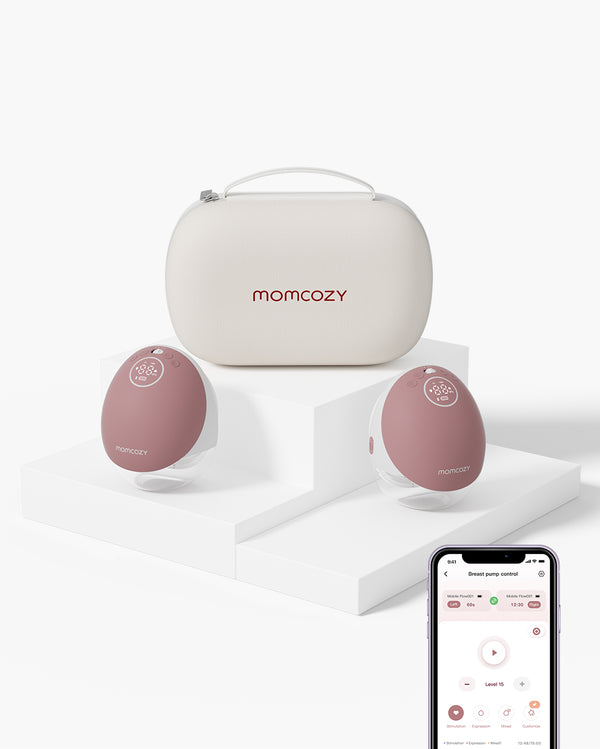
The Momcozy M5 Smart Wearable Breast Pump is a top choice for moms who want painless, hands-free pumping without cords or external bottles. It's fully functional, well-priced, and designed to meet the needs of most breastfeeding mothers. Don’t miss out on Momcozy’s Prime Day deals! Check out exclusive savings here.
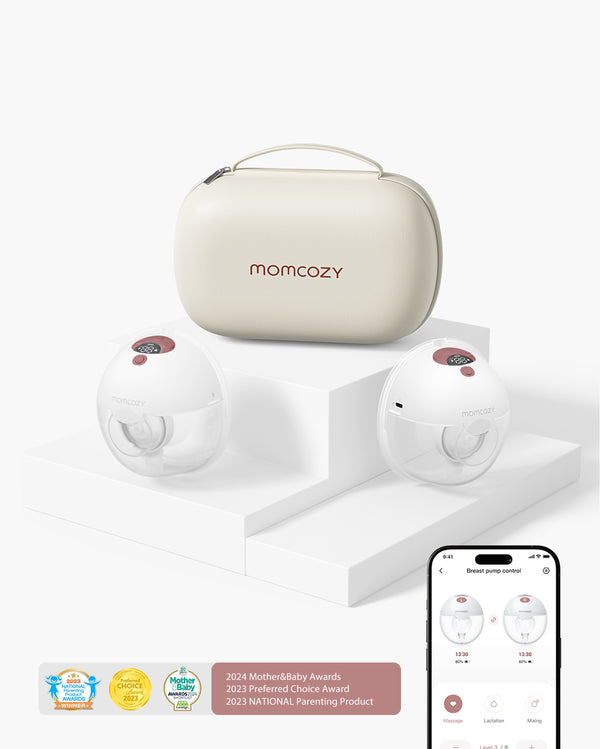
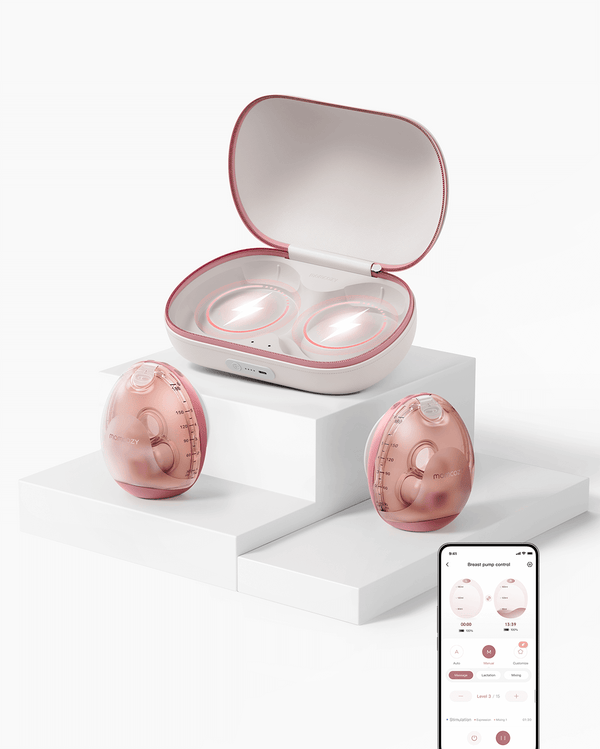
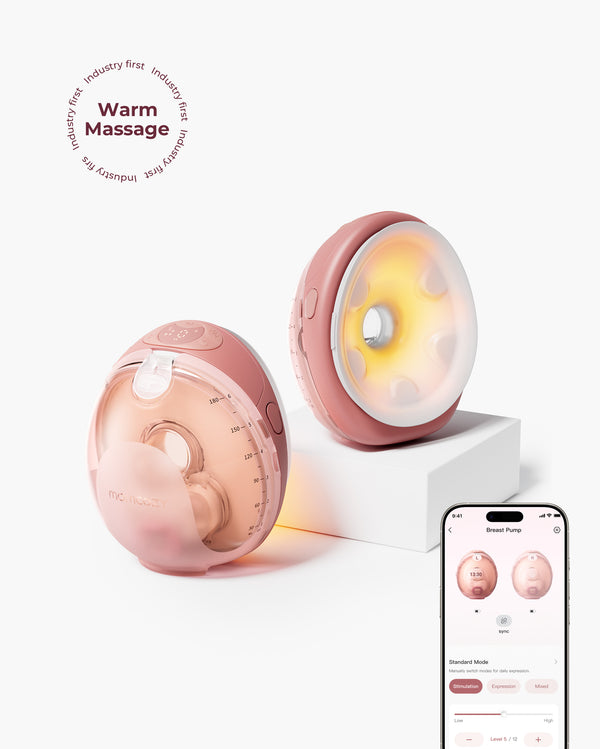
For moms who want more tech-driven convenience, the Momcozy Mobile Flow™ M9 Hands-Free Breast Pump offers powerful suction in a sleek, travel-ready design—and it supports mobile app control for real-time tracking and customized settings. This smart functionality makes it especially appealing for busy moms.
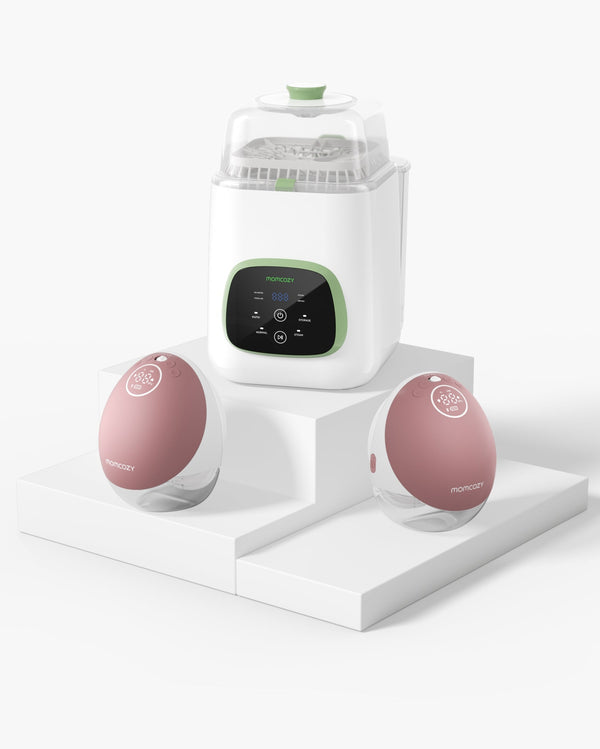

Why Many Moms Choose to Have Both Types
You do not have to pick just one. A growing number of moms use a traditional plug-in pump alongside a wearable — and here is why the two complement each other so well:
- Morning and evening sessions at home — A traditional plug-in pump steady, hospital-strength suction helps drain the breast more completely, which is especially important first thing in the morning when milk supply peaks and before bed to signal your body to keep producing overnight.
- Workday and on-the-go sessions — A wearable pump slips into your bra and runs quietly, so you can keep working, commute, or manage errands without pausing your routine. Perfect for the midday pump when sitting in one spot is not an option.
- Travel and weekends — A wearable pump frees you from the wall outlet. Whether you are on a road trip, at a family gathering, or just moving around the house, you can pump without being tethered.
- Backup and flexibility — If one pump needs cleaning or a part replacement, the other is ready to go. This kind of redundancy can be a lifesaver during those early, sleep-deprived weeks.
Think of it this way: a traditional plug-in pump is your workhorse at home, while a wearable pump is your freedom when you are out in the world. Together they cover every pumping scenario your day throws at you.
Many insurance plans allow you to get a traditional pump as your covered device and purchase a wearable with FSA or HSA funds. Check with your DME supplier about what your plan allows. For a deeper dive into which pumps are eligible for reimbursement, GoodRx guide to using FSA funds for breast pumps walks through the details step by step, and What to Expect has a helpful roundup of FSA-eligible baby products worth bookmarking. If you are still deciding which pump setup makes sense for your situation, La Leche League pump information page offers excellent guidance from certified lactation consultants.
Providers like Aeroflow Breastpumps work directly with your insurance to:
- Verify your eligibility
- Show you the covered Momcozy models
- Submit all paperwork
- Ship the pump to your door—for free
Some insurance plans may even allow you to upgrade to a hospital-grade or wearable pump for a small fee. It’s an easy, hassle-free way to get an essential item you’ll use daily.
2. Free Infant Formula
Although insurance doesn’t typically cover formula unless medically necessary, there are several free sources available:
- WIC (Women, Infants, and Children Program):If you qualify, WIC provides monthly infant formula benefits, making it one of the most valuable resources for families.
- Hospital Freebies:Many hospitals give out infant formula samples and bottles when you’re discharged after delivery.
-
Brand Programs
- Enfamil Family Beginnings
- Similac StrongMoms
- Gerber BabyNes
These programs offer free formula samples, coupons, and baby care packages when you register online—perfect for trying out different brands without the cost.
3. Postpartum Recovery Supplies
Your insurance may also cover items that support your recovery after childbirth, especially if recommended by your doctor. These might include:
Restorative sleep is key to getting through the challenges of babycare. A pregnancy pillow can help you settle down and get that much-needed downtime.
- Abdominal binders or postpartum wraps
- Perineal cold packs
- Disposable underwear or pads
- Sitz bath kits and nursing pillows
Often, these can be shipped alongside your breast pump if you request them through a qualified medical supplier.

4. Lactation Support Services
Struggling with breastfeeding? You are not alone, and your insurance can assist you. The majority of plans have free visits from lactation consultants, both on-site and online.
- The visits can assist in latching problems, milk production, and pumping skills, among others.
- Certain plans include several sessions, and this fact can be of great assistance during the early postpartum time.
5. Milk Storage and Pumping Accessories
Alongside your breast pump, you may also qualify for a range of accessories like:
- Milk storage bags
- Pump parts and flanges
- Extra bottles or caps
- Cooler bags for milk transport
Depending on your provider, these may come included with your pump or be requested separately. When ordering, ask whether replacement parts (like valves and membranes) are covered through regular resupply — these wear out over time and need swapping every few months to maintain suction strength, especially for traditional plug-in pumps. The Medela guide on when to replace pump parts offers a helpful timeline.
6. Hospital-Grade Pump Rental
Your provider can rent you a hospital-grade breast pump if your baby is premature or if you are in the NICU or experiencing milk supply problems. These are high-powered pumps that are particularly useful in introducing or augmenting milk production. Hospital-grade rentals are essentially the strongest version of a traditional plug-in pump — they use the same closed-system, wall-powered design but with an even more powerful motor built for extended daily use. If your insurance does not cover a rental, a standard traditional plug-in pump often provides enough suction for most moms needs.
7. In-Home and Virtual Postpartum Support
There are insurance plans with postpartum visits with a nursing professional or at-home newborn check-ups. This service can prove to be priceless during the initial stages, assuring and providing professional advice to new parents.
How to Get Free Diapers

One of the baby items that are highly necessary and also expensive is diapers, which parents need on a daily basis. Luckily, free diapers can be obtained in a number of ways, either publicly or privately. It is how to maintain your diaper supply without breaking the bank:
When building your registry, the diaper pail is one of those practical items experienced parents consistently say they can't live without after the baby arrives.
1. Sign Up for Diaper Brand Rewards & Freebies
Most major diaper brands offer welcome bundles, coupons, and samples when you join their rewards programs:
When you find a travel stroller that truly fits your lifestyle, outings stop feeling like a production and start feeling like the adventures they should be.
- Pampers Club– Earn points with each diaper purchase and redeem for gifts or coupons.
- Huggies Rewards– Get free samples, discounts, and gift cards through regular diaper purchases.
- The Honest Company– Offers trial diaper bundles for new subscribers (just pay shipping).
- Luvs & Hello Bello– Occasionally run free sample promotions via their websites and email lists.
Tip: Sign up before your due date to receive samples during pregnancy.
2. Request Samples from Your Hospital or Pediatrician
Hospitals and pediatricians often receive sample packs from diaper companies. Ask your OB-GYN or pediatrician if they have any samples on hand—they may even provide newborn-size diapers as part of a hospital discharge bag.
3. Apply Through Diaper Banks and Charities
Diaper banks are local nonprofits that provide free diapers to families in need. Some popular resources include:
- National Diaper Bank Network (NDBN)– Use their locator to find a participating diaper bank near you.
- Local churches, food pantries, and shelters– Many community programs distribute diapers along with food or clothing.
- United Way 2-1-1– Call 211 or visit 211.org to find local services offering baby supplies.
4. Check with Medicaid, WIC, or Local Support Programs
Although WIC and Medicaid do not usually reimburse diapers, certain state-based programs and collaborations with nonprofits do. They can also refer you to diaper banks or issue vouchers for baby supplies in case you qualify.
What Else Does Maternity Insurance Cover?

Although the majority of the population links maternity insurance to a visit to the doctor and childbirth, there is much more that is covered by maternity insurance-something that provides life-saving support before, during, and after pregnancy. By learning more about what all of your benefits include, you can make informed choices and avail of the services you already have the right to that may be totally free of cost as per the ACA-compliant health plans.
Prenatal Care
Cover routine OB-GYN visits, lab work (such as blood tests and STD screenings), ultrasounds (such as anatomy scans), gestational diabetes testing, genetic counselling, and even prescription prenatal vitamins in some instances- with the aim of making sure you and your baby remain healthy during pregnancy.
Labor & Delivery
Covers the cost of giving birth in a hospital with either a vaginal birth or a C-section, pain management including an epidural, anesthesia, and medication, and care in the NICU should your baby require additional support, but you have to make sure your hospital is in-network.
Postnatal Care
Assists the revival by 6 weeks postpartum check-up and initial screenings, wellness, check-ups, developmental and vaccines to both of you to start well.
Breastfeeding Support
Provides one free breast pump per pregnancy (both traditional plug-in pumps and wearable options like Momcozy may be included), plus access to lactation consultants and classes, either in-person or online, to help you feed with confidence.
Recovery Supplies
It can include necessities such as perineal spray bottles, cooling pads, after-birth compression garments (particularly following a C-section), prescription pain medication and other healing supplies.
Mental Health
Covers postpartum depression and anxiety screenings, therapy (individual or group), psychiatric care, and virtual counseling—crucial support for emotional well-being during the fourth trimester.
Home & Virtual Visits
Others offer home visits by nurses or midwives and telehealth visits with OBs, pediatricians, or lactation consultants, in particular, also after difficult births or with high-risk mothers.
Newborn Coverage
Once enrolled (typically within 30 days of birth), your baby’s insurance will cover well-child check-ups, immunizations, sick visits, and access to specialists if needed—for conditions like reflux, allergies, or hearing concerns.
FAQs
What free baby items can I get through my insurance?
The most common is a breast pump, which most U.S. health plans must provide at no cost under the Affordable Care Act. Depending on your plan you may also get lactation-consultant visits, breastfeeding supplies, a postpartum recovery belt, or compression socks. Anything beyond a pump varies by insurer, so check your specific maternity benefits.
Does insurance really cover a free breast pump?
Yes. Under the Affordable Care Act, most plans cover a breast pump with no copay, either shortly before or after birth. You typically order it through an in-network durable medical equipment (DME) supplier rather than a store. Standard models are fully covered — you only pay extra if you choose to upgrade to a premium pump.
What baby benefits can I get through Medicaid?
Beyond a covered breast pump, Medicaid includes breastfeeding support and a range of maternity and newborn benefits that vary by state, and pairing it with WIC adds free formula, food, and nutrition support. Check your state's Medicaid plan for the full list. For the breast pump specifically — eligibility, suppliers, and models — see our dedicated guide to getting a free pump through Medicaid.
How do I actually claim free baby items through insurance?
Call the member number on your insurance card or use an in-network supplier's online form, then provide your plan details and due date. The supplier verifies your benefits, may request a prescription from your provider, and ships the item to you. Keep the order confirmation in case you need to follow up.
When should I apply for insurance baby freebies during pregnancy?
Apply as early as your second trimester. Many insurers approve a breast pump around 27–30 weeks and ship it before your due date, but prescriptions and processing take time. Starting early helps you avoid back-orders and ensures the pump arrives before your baby does.
Is the free baby stuff genuinely free with no purchase necessary?
Yes — when an item is a covered benefit, you pay nothing out of pocket and no purchase is required. Costs only appear if you choose an upgrade, such as a higher-end wearable pump, or add accessories outside the standard benefit. Always confirm a specific model is fully covered before you order.
Does what I can get depend on my insurance company?
Yes. The Affordable Care Act sets a baseline — a breast pump plus lactation support — but extras differ by carrier and plan. UnitedHealthcare, Aetna, Cigna, and Blue Cross each maintain their own item lists and approved suppliers. Check your plan's maternity benefits or call member services to confirm exactly what you qualify for.
Can I get free bottles, formula, or diapers too?
Sometimes, but usually not through standard health insurance. Free formula, bottles, and similar supplies more often come from WIC, Medicaid add-on programs, hospital gift bags, or manufacturer sample offers. Insurance itself mainly covers the breast pump and lactation services, so combine it with these programs for more freebies.
Conclusion

Insurance is one of the most effortless ways to save money and relieve the stress of getting free baby items in your parenting journey. And if there is one takeaway for pumping moms, it is this: you do not need to choose between a traditional plug-in pump and a wearable. The two serve different roles — the traditional pump as your dependable at-home companion and the wearable as your on-the-go freedom — and together they make the pumping experience far more manageable. With insurance covering your primary pump and FSA/HSA funds available for accessories or a second device, building a complete setup that fits your real life has never been easier. For more breastfeeding and pumping resources, the CDC breastfeeding page is an excellent place to start. Whether it is breast pumps or postpartum essentials, these essentials will help you and your baby. You can get access to great resources, with no expenses, to help you better manage and afford new parenthood by knowing your benefits and applying early and using trusted suppliers. Adding a few practical tools to your routine, like a baby nasal aspirator, can also support your baby’s daily well-being, making those early months a little smoother for both of you.





