Accessing an Aetna free breast pump can make a world of difference for new moms, easing the journey of breastfeeding while saving money. With more families focusing on health, it’s important to know how to use your insurance benefits for a breast pump.
This guide will show you how to get your pump through Aetna, explain who qualifies, and share simple tips to make the process easy. Whether you’re getting ready for your baby or already have one, this article will give you the clear and helpful information you need to make the best choice without stress.
Key Takeaways
- Aetna covers one breast pump per pregnancy under most plans, with little to no out-of-pocket cost
- Both wearable and traditional electric breast pumps are eligible under Aetna coverage
- You can order your pump starting around week 28-30 of pregnancy or after delivery
- Replacement parts and lactation support are often covered alongside your pump
What is Aetna’s Breast Pump Coverage Policy?
Aetna’s breast pump policy usually covers a manual or standard electric breast pump (not hospital-grade) for pregnant women and during breastfeeding.
The details can vary depending on your specific plan, but most plans cover the cost of a breast pump with little to no out-of-pocket expense, thanks to the Affordable Care Act.
Here’s what you need to know about Aetna’s breast pump coverage:
-
Covered plans: Most Aetna health plans include breast pump coverage.
-
Pump type: Coverage usually includes standard electric or manual pumps, not hospital-grade ones.
-
Timing: Coverage is available during pregnancy and while breastfeeding.
-
Plan details: The exact coverage (like pump brands, supplies, or any costs) depends on your specific plan.
If you have questions about your breast pump coverage, Aetna suggests reaching out to Member Services or visiting their website. You can also learn more about relevant details on breast pumps and breastfeeding insurance coverage at their resource page.
Let's break down what most Aetna plans actually cover — because there's more to it than just the pump itself:
-
One electric breast pump per pregnancy — this is your core benefit. Aetna covers pumps that handle both sides at once, and that includes two main styles: wearable pumps (hands-free, sits inside your bra) and traditional electric pumps with a separate motor unit that stays in one spot at home. Both are covered — the key is knowing which style fits your daily routine. A traditional pump with a bigger motor gives you steady, reliable suction for your longer sessions at home, while a wearable lets you pump anywhere without being tied to a wall outlet.
-
Replacement parts on a recurring schedule — this is easy to overlook but makes a real difference. Things like valves, membranes, tubing, and breast milk storage bags wear out with daily use, and Aetna typically covers fresh supplies every 90 days. Worn-out parts can quietly lower your pump's suction without you realizing it, so staying on top of replacements keeps your output where it should be. Your DME supplier can often set these up on auto-delivery so you don't have to remember to reorder.
-
Lactation support and breastfeeding counseling — many Aetna plans include access to lactation consultants, which can be a lifesaver whether you're figuring out your latch, dealing with supply dips, or just want someone to check your flange fit. For more on what preventive services are included under the ACA, visit Healthcare.gov's breastfeeding coverage page.
One thing that surprises a lot of first-time moms: the pump you get through Aetna doesn't have to be your only pump. A wearable pump through insurance is fantastic for pumping at work, in the car, or while you're making breakfast. A traditional electric pump with a bigger motor at home anchors your routine — it's there for your most important sessions, like first thing in the morning when your supply is highest and last thing at night when you want a strong, complete emptying. These two styles aren't rivals. They're teammates. For a closer look at how the styles compare, read our guide on the differences between portable and hands-free electric pumps. For the official word straight from Aetna on what's covered, check their breast pump coverage and breastfeeding resources page.
How to Check Eligibility for a Free Breast Pump Through Aetna?
Finding out if you’re eligible for a free breast pump through Aetna is easy! Here are a few simple steps to follow:
- Log into your Aetna Member Portal
- Your member portal has all the details about your specific health plan, including breast pump coverage.
- Call Aetna Customer Service
- Prefer speaking with someone? Call Aetna’s customer service. A representative can explain your benefits and confirm if breast pumps are covered.
- Review Your Plan Documents
- Check your plan’s benefits online or in any paperwork you’ve received. Coverage details often vary by plan, so this step is important!
- Use Online Tools
By following these steps, you’ll know exactly what your plan offers, making it easier to access the benefits available to you!
A quick tip on timing: most moms find the sweet spot to start the process is around week 28 to 30 of pregnancy. Ordering then gives your DME supplier enough time to verify your coverage, hold your order, and ship as soon as your plan's shipping window opens. Some Aetna plans ship within 30 days of your due date — others wait until after your baby arrives. Either way, starting early means your pump is in the pipeline and you're not scrambling postpartum. When you call Aetna to confirm your benefits, have your member ID handy and ask two things: "Is an electric breast pump covered at 100% under my preventive benefits?" and "When is the earliest my plan allows shipment?" Getting clear answers to both saves guesswork. For a deeper look at how DME benefits work under the ACA, see Healthcare.gov's DME explanation.
Momcozy Breast Pumps Covered by Aetna
Momcozy offers several breast pumps that Aetna typically covers, including the S9 Pro, S12 Pro, M5 and M9 Wearable pumps.
These options provide modern features that benefit mothers during breastfeeding. Along with the pumps, Momcozy also provides a variety of accessories to enhance your experience.
Check the Momcozy DME Partners for details on how to claim yours through insurance.
1.M9 Wearable Breast Pump
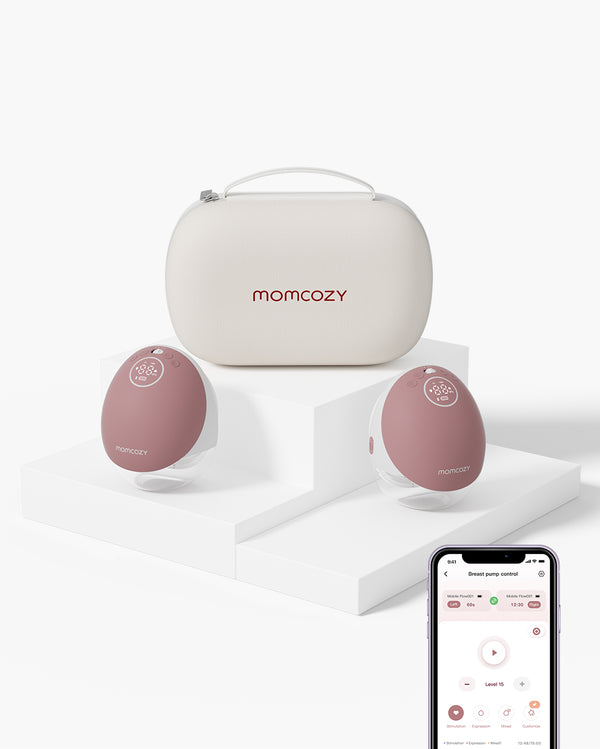
The Momcozy M9 is a hands-free breast pump that offers busy moms several advantages:
Hohe Effizienz
Von Experten abgestimmte Rhythmen
App-Steuerung
Lange Akkulaufzeit
-
Discreet & Portable: Its sleek design fits comfortably in a bra, letting moms pump discreetly anywhere, anytime, whether at work, during meetings, or while multitasking.
-
Powerful & Efficient: It features a 3rd-generation motor with strong suction (up to 300 mmHg) to maximize milk output in less time.
-
Customizable settings: The Momcozy app allows personalized control of pumping modes (Stimulation, Expression, Mixed, Milk Boost™, Milk Relief™) and 15 intensity levels for optimal comfort and milk production.
-
Convenient Pumping: Features like a long-lasting battery (up to 5 sessions per charge), quiet operation (under 45dB), stackable milk collectors, and easy cleaning make pumping hassle-free.
-
Hands-Free Freedom: This wearable pump frees up mom's hands, allowing her to stay active and multitask while pumping.
2.M5 Wearable Breast Pump
Momcozy's M5 Wearable Breast Pump stands out for its dual pumping capabilities. It allows simultaneous pumping from both breasts, saving you precious time. The intuitive touch controls let you adjust the settings easily.
It promises a quiet operation, making your pumping sessions comfortable and private. With Aetna covering this option, you can access this efficient pump without worrying about affordability.
3.S9 Pro Wearable Breast Pump
Lange Akkulaufzeit
Tragbar
Mehr Komfort
≤45 dB leise
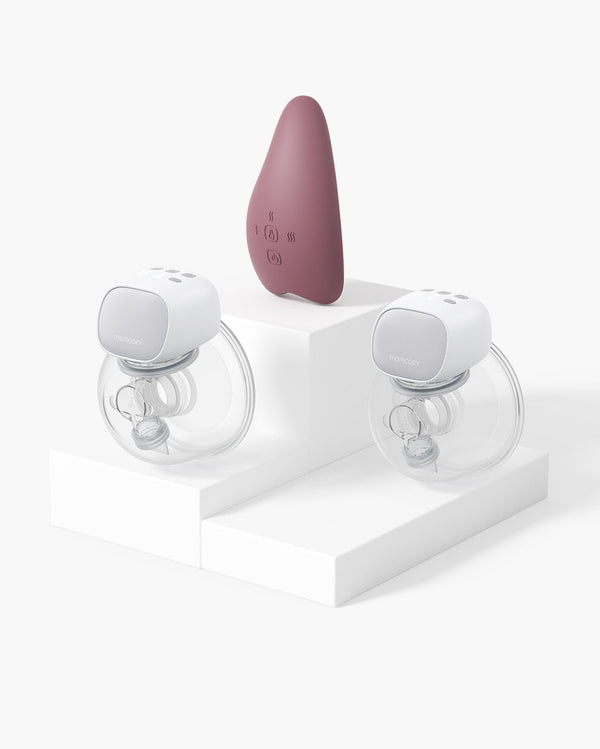
The S9 Pro Wearable Breast Pump is designed for convenience. It's lightweight and hands-free, making it easy for you to pump on the go. The strong suction and quiet operation make it suitable for use anywhere without drawing attention.
With multiple modes and levels, you can customize your pumping experience to fit your comfort. You can obtain this pump through Aetna's coverage, ensuring it meets your needs efficiently.
4.S12 Pro Quick Wearable Breast Pump
Zeitsparender Komfort
Sanft zur Brust
Optimierte Effizienz
Langanhaltende Leistung
Zeitsparender Komfort
Sanft zur Brust
Optimierte Effizienz
Langanhaltende Leistung
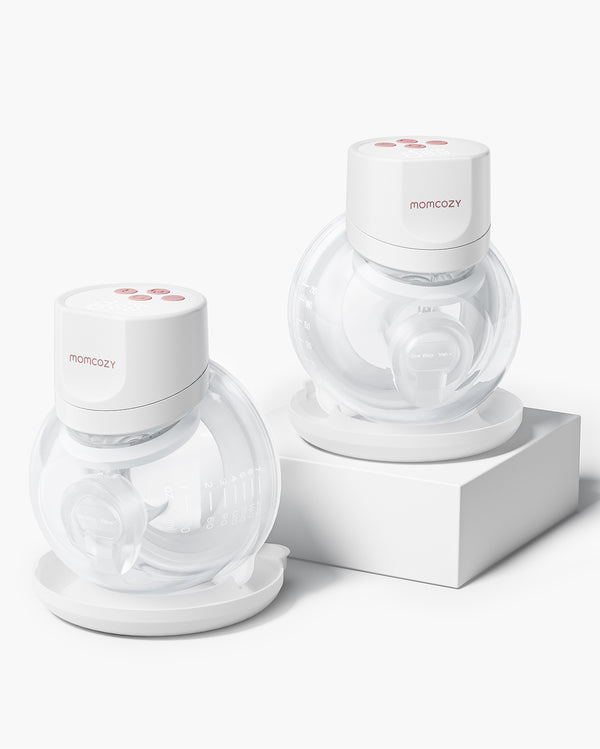
The S12 Pro Quick Wearable Breast Pump combines comfort with technology. Offering a compact design, it's perfect for busy mothers. This pump features adjustable settings that let you find the optimal suction level, providing a pain-free pumping session.
The quiet motor ensures discreetness. Compatibility with Aetna's insurance allows you to access this reliable pump at no extra cost.
5. Breast Pump Accessories
Enhance your pumping experience with various breast pump accessories provided by Momcozy. These include extra milk storage bottles, pump bags, and cleaning kits, all designed to simplify your daily routine.
These accessories help you manage expressed milk effectively while ensuring hygiene. Depending on the specifics of your insurance plan with Aetna, some accessories might also be available for coverage, making it easier to support your breastfeeding journey.
Here's a strategy worth considering as you pick your pump: Aetna covers one breast pump per pregnancy, which means you get one pump to carry you through your whole breastfeeding journey. Lots of moms use that benefit for a wearable pump — it slips into your bra, no cords, no tubes, total freedom to pump at work, in the car, or while making dinner. Then, if your budget allows, they add a traditional electric pump with a bigger motor for the house. Why? Because a home pump with a larger, more powerful motor handles those long morning and evening sessions beautifully — steady, consistent suction from the first minute to the last, session after session. Having both means you're covered for every part of your day: freedom when you need it, power when it counts. For a detailed comparison of pump styles and how to pick the right combination for your life, read our guide to choosing a pump for exclusive pumping. And if you want the full picture on how pump safety and quality are regulated, the FDA has a helpful overview on their breast pumps consumer information page.
How to Order Your Free Breast Pump with Aetna?
To get a free breast pump through Aetna, you need to follow some simple steps.
If you're finding it hard to get enough rest while dealing with breastfeeding, a quality pregnancy pillow can truly transform your sleep comfort.
Step 1: Choose an Aetna-approved Durable Medical Equipment (DME) Provider
Start by selecting a provider from Aetna's approved list. These providers offer various pump options at no cost to you. Check with providers like Aeroflow Breastpump.
Step 2: Submit a Prescription
You'll need a prescription from your healthcare provider. This is an easy step where your doctor writes a note for the breast pump. The prescription ensures you get the right pump for your needs.
Step 3: Place Your Order
Order the breast pump directly through the provider. You can also use third-party partners like Aeroflow, who work with Aetna to make the process easy.
Tips 📌:
- Make sure to verify what your Aetna plan covers, as some plans also include accessories or replacement parts.
- Always check the list of available pumps and choose one that fits your lifestyle.
A couple of things that can save you time and money during the ordering process:
-
Double-check your prescription wording. Make sure your doctor writes "electric breast pump" — vague language can trigger back-and-forth with your DME supplier and delay your order by days or even weeks.
-
Understand upgrade fees. Some premium pumps come with a small upgrade fee if they exceed Aetna's standard coverage amount. That fee is usually modest (often $30 to $75), and in many cases you can use your FSA or HSA to cover it — just confirm with your plan administrator first. Choosing a pump with a bigger motor and a few more features might be worth that one-time cost if it means you're happier with your pump for the long haul.
-
Keep an eye on your Explanation of Benefits (EOB). About a week after your pump ships, you should see an EOB in your Aetna member portal or mailbox. Review it to confirm everything was billed at $0. If you spot a charge you weren't expecting, call your DME supplier right away — they can usually resolve it quickly. For more on how DME benefits and insurance coverage work, the Office on Women's Health breastfeeding resources is a trustworthy place to start.
Why Breastfeeding Moms Should Take Advantage of This Benefit?
Breastfeeding has so many health benefits!
-
For Babies: It helps build a strong immune system and supports healthy growth and development.
-
For Moms: Breastfeeding reduces the risk of some cancers and helps with postpartum recovery.
A breast pump can make breastfeeding easier, especially when:
-
You’re Working: Pumping lets your baby still enjoy breast milk while you’re away.
-
Latching Issues Happen: A pump helps you maintain milk supply and reduce stress.
Many Aetna plans cover the cost of a breast pump, saving you money and encouraging breastfeeding. Plus, some plans even cover replacement parts!
Health experts, including the World Health Organization, recommend exclusive breastfeeding for the first six months. Having a pump that fits your life — rather than a pump that sits in a drawer — makes that goal feel a lot more doable. A wearable pump through Aetna keeps you going when life gets busy. A traditional pump with a bigger motor at home gives you the strong, steady sessions that protect your supply over the long term. Together, they turn pumping from a chore into something that works with your routine, not against it. For the latest guidance on breastfeeding and pumping safety, the FDA has a comprehensive resource on breastfeeding and breast pump safety.
Health experts, including the World Health Organization, recommend exclusive breastfeeding for the first six months. Having a pump that fits your life makes that goal feel a lot more doable. For the latest guidance on breastfeeding and pumping safety, the FDA has a comprehensive resource on breastfeeding and breast pump safety.
If you are thinking about building a complete pumping toolkit, having both a wearable pump through your Aetna benefit and a home pump with a larger motor can cover every part of your day. Momcozy is expanding its lineup with the upcoming V3 (plug-in hospital-grade) and V3 Pro (portable/cordless) options, designed for moms who want reliable, powerful suction at home or on the go alongside their wearable.
Final Thoughts: Simplify Your Breastfeeding Journey with Aetna
Getting a free breast pump through Aetna can make breastfeeding easier and less stressful. Many Aetna plans cover essential breastfeeding equipment, so you can save money while getting the support you need.
Coverage varies by plan, but some also include replacement parts, maternity compression garments, and even lactation consultant services.
This benefit helps you focus on bonding with your baby, making the transition into motherhood smoother.
Check your Aetna benefits today to claim your free breast pump—it’s a simple step that can make a big difference in your breastfeeding journey!
And here is one last thought: your Aetna benefit gives you a great foundation. Whether you choose a wearable pump, a traditional model, or both over time, the key is picking what fits your daily routine. For more tips on building a pumping routine that actually fits your real life, browse our complete breastfeeding guide collection. For more tips on building a pumping routine that actually fits your real life, browse our complete breastfeeding guide collection.
Read more About Breastfeeding 👁️🗨️:
When to Order Your Aetna Breast Pump
- During pregnancy (week 28-30): Most Aetna plans allow you to start the order process around 28-30 weeks. Starting early gives your DME supplier time to verify coverage and prepare your shipment.
- After delivery: You can also order postpartum. Some plans ship within 30 days of your due date; others wait until after birth.
- Within 1 year: Aetna coverage for a breast pump is valid for one year following delivery, so you have time even if things do not go exactly as planned.
Frequently Asked Questions
When it comes to obtaining a breast pump through Aetna insurance, you may have several questions in mind. Here are answers that might help you understand what is covered and how to proceed.
Does Aetna cover hospital-grade breast pumps?
Aetna typically covers personal-use breast pumps, but for a hospital-grade pump, you may need specific documentation or a doctor's recommendation. It's important to check your individual plan details to understand if these pumps are included.
What breast pumps are covered by Aetna?
Most Aetna insurance plans cover a variety of breast pumps, usually standard electric or manual ones. You can find out what specific models are covered by visiting authorized providers or checking with your insurance representative.
Does Aetna Cover Breast Pumps?
Yes, Aetna generally covers the cost of a breast pump for expecting and new parents. Thanks to the Affordable Care Act, many plans offer this benefit at no extra cost to you. Verify your particular coverage through your plan details or Aetna's customer service.
How do I order a breast pump using my Aetna insurance?
To order a breast pump with Aetna, you'll typically need to contact a medical supplier that is approved by Aetna. You might need to show proof of insurance and a prescription from your healthcare provider. Reach out to a supplier or visit The Breastfeeding Shop for assistance with the process.