


Pregnancy brings joy and excitement, but it also brings a lot of opinions and expectations from family members. Some of them are nice; some of them are not. You need healthy boundaries and here's what to do.
Why Boundaries Protect You and Your Baby
Your body is already working overtime to grow a baby. Adding family stress on top of that is just annoying and can put your health and your baby's health at risk.
Stress Hormones Affect Your Baby's Development
When you're stressed for weeks or months, your body produces more cortisol. This stress hormone crosses the placenta and reaches your baby. A little stress is normal and fine, but constant high cortisol levels can affect how your baby grows. Research links chronic stress during pregnancy to lower birth weights and changes in brain development. Keeping your stress down protects your baby.
Pregnancy Makes You More Likely to Get Sick
Your immune system naturally weakens during pregnancy. This prevents your body from rejecting the baby, but it also means you catch illnesses more easily. When you limit visitors or ask people not to touch you, you're not being paranoid—you're reducing your risk of getting infections that could complicate your pregnancy or harm your baby.
You Have Limited Energy for What Matters
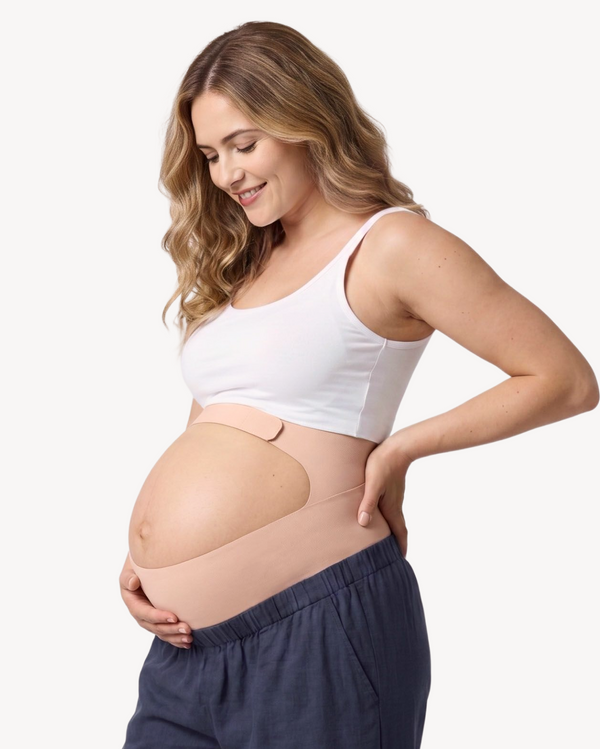
Growing a baby exhausts your body. You need that energy for labor, recovery, and caring for a newborn—not for dealing with judgmental comments or pushy relatives. Even physical discomfort drains you. When back pain or pelvic pressure adds to the stress, simple support like a Momcozy pregnancy belly band can help you get through the day with less strain.
Your health directly impacts your baby's health. Once you understand this, saying "no" to family demands gets easier.
$59.99 USD

Four Main Areas Where You Need Boundaries
Most problems with extended family fall into four categories. When you think about these ahead of time, you can decide what you want and communicate it clearly.
1. Who Can Be in the Delivery Room
Birth is a private medical event, not a family gathering. You decide who gets to be there.
The First Hour Is Important: The first hour after birth helps you bond with your baby and start breastfeeding if you choose to. Doctors recommend skin-to-skin contact right away because it helps regulate your baby's temperature and heart rate. Having too many people in the room interferes with this.
You're Going Through a Medical Event: During delivery, you'll be exposed, bleeding, and focused on pushing out a baby. Some women have surgery. You need to feel comfortable, not worried about who's watching. If having your mother-in-law there makes you tense, it could actually slow down your labor.
Pick Someone to Enforce This: Tell your partner or a nurse who your "gatekeeper" is. This person keeps unwanted visitors out so you can focus on giving birth.
2. Hospital and Home Visits After Birth
Everyone wants to meet the new baby, but they don't always think about how tired and sore you'll be. Without clear rules, you'll have a constant stream of visitors expecting you to entertain them.
You Might Need Time Alone First: Many new parents want at least a week or two with no visitors. This gives you time to heal, learn how to breastfeed if you're doing that, and get a little sleep. There's no rule that says family gets to visit right away.
Require Vaccines: Most pediatricians say anyone who wants to hold a newborn should have their whooping cough (Tdap) and flu shots up to date. Babies can't get these vaccines for weeks or months, so they rely on the adults around them being vaccinated.
Make Clear What Kind of Visit You Want: Some people come to help—they cook, clean, or hold the baby while you shower. Other people come to be entertained—they expect you to make them coffee and chat while they cuddle the baby. Tell people which kind of visit you're accepting.
3. Outdated Advice and Parenting Disagreements
Older family members grew up with different safety information. What they did thirty years ago might not be safe anymore.
Sleep Safety Has Changed: The rules about how babies should sleep have changed completely. Babies now sleep on their backs with nothing in the crib—no blankets, pillows, or stuffed animals. When someone argues with you about this, just say you're following what the American Academy of Pediatrics (the official group of children's doctors) recommends.
How You Feed Is Your Choice: Whether you breastfeed, use formula, or do both is your decision. Comments like "Are you sure you have enough milk?" or "Formula is better because then others can help feed" add stress you don't need.
Keep Baby Names Private: If you tell people the name before birth, some will criticize it. Once the baby is born and named, people rarely say negative things. Keep it a secret until the birth certificate is signed.
4. Touching Your Pregnant Belly
Some people think a pregnant belly is public property. They reach out and touch without asking.
You Control Your Body: Being pregnant doesn't mean you give up the right to personal space. If you don't want people touching your stomach, tell them to stop.
You're Teaching a Lesson: When you make people ask permission to touch you, you're showing them that consent matters. This same rule will apply when they want to hug or kiss your baby later.
When you think through these four areas and decide what you want, you can communicate it before problems happen.
If you're finding it hard to get enough rest while dealing with pregnancy, a quality maternity pillow can truly transform your sleep comfort.
How to Tell Family What You Need
Deciding on boundaries is the easy part. Actually saying them out loud to family members feels harder. But being direct and calm works better than hinting or hoping people will figure it out.
Be Direct, Not Subtle
Excited grandparents-to-be don't pick up on hints. You need to say exactly what you mean. Don't say "We might be pretty tired after the baby comes." Say "We won't have any visitors for the first two weeks."
Start Sentences with "I" or "We"
When you say "You always criticize my choices," people get defensive. When you say "We're following our doctor's advice on this," it's harder to argue with. Frame things as your needs or medical guidance, not as complaints about their behavior.
Use These Scripts
Having the exact words ready makes it easier when the situation actually happens. Here's what to say:
| Situation | What Doesn't Work | What to Say |
| Someone Touches Your Belly | Pulling away without saying anything | "Please ask before you touch my stomach. I'm not comfortable with it right now." |
| Delivery Room Questions | "We'll see how we feel that day." | "Only my partner and I will be in the delivery room. We'll call you as soon as we're ready for visitors." |
| Old Safety Advice | "Maybe, I'll think about it..." | "Our pediatrician said we have to follow this rule. Medical advice has changed a lot." |
| Surprise Drop-Ins | "Sure, come by whenever!" | "We're only accepting visitors on weekend afternoons between 2 and 4. Please text first to make sure it still works." |
| Posting Baby Photos Online | Hoping they won't do it | "We're not putting the baby on social media. Please don't post any photos of us or the baby." |
Practice saying these out loud before you need them. It helps you stay calm when the actual conversation happens.
What to Do When Family Pushes Back
Some family members won't like your new rules. They might get upset or try to make you feel guilty. Their feelings are their responsibility, not yours. Just because they're uncomfortable doesn't mean your boundaries are wrong.
When They Try Guilt Trips
Parents or in-laws might say things like "I guess we're not important to you" or "We're just trying to help—why are you shutting us out?" This is manipulation, even if they don't realize they're doing it.
What to Say: "I know you're excited and want to be involved. We want that too. But right now we need to do this for our health." Then don't change the rule.
Don't Give In: If you back down when someone guilts you, they learn that guilt works. Next time, they'll use it again. Stay consistent.
When They Think You're Insulting Their Parenting
Some relatives take your boundaries personally. They think that when you use modern safety guidelines, you're saying they were bad parents.
What to Say: "Medical information has changed since you had kids. Our doctor gave us strict instructions to follow." Make the doctor the authority, not yourself.
Give Them Something Else to Do: Ask them to help in ways that don't involve safety decisions—like cooking meals for your freezer, knitting something for the baby, or organizing baby clothes by size. They feel useful without overstepping.

When They Get Angry or Stop Talking to You
Sometimes family members will give you the silent treatment or get really angry. This hurts, but it shows you why boundaries were necessary.
Remember This: Healthy relationships can handle the word "no." If someone stops talking to you because you protected your baby's health and your own recovery, the relationship had problems already.
Your Partner Needs to Step Up: If the problem is with your in-laws, your partner should handle it. If it's your family, you handle it. This keeps you from becoming the villain in your partner's family, and vice versa.
A few awkward weeks are worth it if you get months of peace and a healthy start with your baby.
Start Setting Boundaries Today
Setting limits protects your physical and mental health during pregnancy and after birth. You get to decide how your pregnancy and postpartum period go. Trust yourself, work with your partner, and remember that taking care of yourself is taking care of your baby. Start with one or two boundaries, stick to them, and build from there. You're not being difficult—you're being a good parent.
FAQs
Q1: What do I do if family members show up at my house without calling first after the baby is born?
Don't open the door if you're not up for visitors. You can text them later and say, "We weren't expecting anyone and we're resting. Let's plan a time that works better." Keep your door locked and consider putting a note outside that says "Baby and mom are sleeping—please text instead of knocking." Your partner should be ready to turn people away, even if it feels uncomfortable. People who really care about you will understand that you need recovery time.
Q2: My mother-in-law wants to stay at our house for three weeks after I give birth. How do I say no?
Suggest other options before she makes final plans. You could say, "We'd love your help, but we need privacy while we adjust. Could you stay at a hotel nearby and come visit during set hours?" or "The first two weeks, we just want it to be the three of us. Could you come during week three instead?" If she's already booked her trip, you can still shorten it: "We talked it over and we need more alone time than we thought. Let's plan for four days instead of three weeks." Your home is your space during recovery—you make the final decision about overnight guests.
Q3: How do I stop people from kissing my newborn's face without making them feel bad?
Blame your pediatrician: "Our doctor was really clear about this—no one should kiss the baby's face or hands. Newborns can get really sick from germs that don't bother adults. You can kiss the baby's feet or the back of their head if you want!" Explain that viruses like RSV spread through kissing and can land babies in the hospital. When people understand it's about safety, not rejection, they usually cooperate. Keep hand sanitizer where everyone can see it and ask people to wash their hands before holding the baby.
Q4: A family member posted photos of my baby on Facebook after I told them not to. What now?
Message them right away: "I asked you not to post photos of the baby. Please delete that post now." If they argue, explain why this matters to you—maybe you're worried about privacy, safety, or you just want to control what photos of your child are online. If they still won't take it down, you might need to stop sharing photos with them or limit their time with the baby. Report the photos to Facebook if you need to. This isn't a small thing—you're protecting your child and making it clear that your rules matter.
Q5: The grandparents ignore our rules when they babysit. How do I handle this?
Talk to them after the first time it happens: "We noticed you gave the baby juice even though we said not to. You need to follow our instructions exactly, or we can't leave the baby with you." If they say "A little won't hurt" or "We raised you and you turned out fine," respond with: "We appreciate everything you did for us, but this is our baby and these are our rules. If you can't follow them, we'll find a different babysitter." Don't leave your baby with someone who won't respect your guidelines, even if they're family. Your baby's safety is more important than hurt feelings








