



Some nipple changes are easy to miss. Others are hard to ignore, especially when a familiar part of your body suddenly looks or feels different. Nipple changes during pregnancy can start as early as the first trimester and keep shifting all the way into the early days of breastfeeding — here's what to expect along the way.
Why Do Nipples Change During Pregnancy?
Nipple changes during pregnancy happen because your breasts are getting ready to nurse. The hormones driving this process — mainly estrogen and progesterone — are also what make your nipples more sensitive and change their color, size, and shape as pregnancy goes on.
Nipple Changes in First Trimester of Pregnancy (1-12 week)
Your nipples may change before those of your abdomen do. You may find that they're getting more tender earlier, or that they're growing or changing in appearance in a way that you're not used to.
How Do Nipples Look in Early Pregnancy?

Nipple changes in early pregnancy can be subtle. The areolas often darken and become more noticeable, and the nipples may look slightly larger or more pronounced.
You may also notice your Montgomery glands standing out more. These small bumps around the areola help keep the skin lubricated and protected, and according to the Cleveland Clinic, they can become more prominent during pregnancy for that reason. They're a completely normal part of how your breasts change.
As your breasts grow, your nipples can also look more prominent simply because they stand out more against the surrounding tissue — which is part of why these small changes suddenly feel more noticeable.
The Areola May Start Changing Too
The nipple may not always appear changed. But the areola may darken, widen, and protrude during the course of the pregnancy. Some women will observe this change early in their pregnancy, whereas others may not find that it becomes more noticeable until further along.
Tenderness and Hypersensitivity
Sometimes it is not visual changes that act as the first sign—it can be a sensation. A bra rubbing your nipples or your shirt hanging over your breast suddenly feeling uncomfortable can be an initial sign.
Tenderness and sensitivity of the breasts are usually early pregnancy symptoms. Mayo Clinic notes that hormonal changes can make your breasts sore and swollen, and the condition usually fades as your hormones level out.
The sensitivity is by no means permanent. You might have a few especially tender days, then barely notice your nipples for a while.
Nipples Stick Out More
Your nipples also may be more pronounced or erect. As the breast tissue around it develops, the nipple may be more visible beneath clothing or when looking in the mirror.
Nipple Changes in Second Trimester of Pregnancy (13-27 week)
By the second trimester, changes that may have been hard to notice in the first trimester may become more obvious. Your breasts may feel heavy, and your nipples and areolas may become more prominent as your breast tissue expands. The Mayo Clinic says that breast growth continues throughout the second trimester.
How Do Nipples Look in Second Trimester?

Your nipples may look noticeably larger or more raised compared to the first trimester, and the change is often easier to spot in the mirror than it was a few weeks earlier. The skin around your nipples may also look slightly stretched or shiny as your breasts continue to grow.
Changes That Become Easier to Notice
The nipples may become larger or more prominent, and the areolas may increase in size and darken in color. The Montgomery glands around them can also stand out more. Early tenderness may ease, although your breasts can still feel full or sensitive, especially as your usual bra becomes less comfortable.
You May Notice Colostrum
Some women may experience a trickle of clear fluid or yellowish fluid from the nipples, which is the colostrum, the liquid that is produced by the breasts during pregnancy. It may appear during the second trimester or later, while some women do not notice any leakage before birth. Not leaking does not mean your breasts are not preparing for breastfeeding.
Nipple Changes in Third Trimester of Pregnancy (28-40 week)
In the third trimester, most of the prominent changes seen in the first two trimesters begin to level off. According to University of Michigan Health, your breasts will likely continue to grow and feel heavier in the final weeks, even as the nipples and areolas hold the darker, more prominent appearance they developed earlier. Your nipples and their surrounding areas remain prominent and may stick out more as your due date nears.
How Do Nipples Look in Third Trimester?

By this stage, your nipples and areolas have usually settled into the size, shape, and color they'll likely hold through the rest of your pregnancy. Any last changes tend to be subtle — mostly your breasts continuing to feel fuller or heavier as your body finishes preparing for feeding, rather than new visible shifts in the nipple itself.
Your Breasts Are Getting Ready for the First Feed
This is because your breasts are producing colostrum; however, many women don't have any leakage during their pregnancy, and it is nothing to be concerned about — colostrum timing and amount vary widely from person to person, according to The Bump.
It's best to avoid routinely expressing fluid from your breasts, since frequent stimulation can encourage more discharge. If you're concerned about any discharge, speak to your doctor.
Nipple Changes After Birth
Your breasts do not immediately return to their pre-pregnancy appearance after delivery. Instead, they move into a new stage as colostrum gives way to increasing milk production.
The First Days of Breastfeeding
During the first few days, your breasts will produce colostrum. As the supply increases, your breasts could start to feel heavy. According to the Cleveland Clinic, it's normal for breasts to begin feeling full and heavy around day 3 to 5 after birth, though the exact timing can vary for each woman.
Your nipples may also be sensitive as you and your infant learn how to breastfeed. Some soreness is normal in the beginning, but if soreness continues or you see symptoms such as cracks or bleeding on your nipples, you should seek medical attention.
The dark areolas you may have developed during pregnancy will most likely stay for a few weeks as well. Your breasts may gradually return to their previous size throughout the duration of breastfeeding, instead of immediately.
Nipple Color Change During Pregnancy and Areola Changes
Your nipples may be one of the first areas where pregnancy-related pigmentation becomes apparent. They, along with the darker skin around the nipples, may gradually darken during pregnancy. The areola may also become larger during pregnancy.
Pregnant Nipple Color: Why Does It Happen?
The darker pregnant nipple color is mainly linked to the hormone-related changes that take place in a woman’s body. Namely, there is an increased risk of developing hyperpigmentation since pregnancy causes higher melanin production in the skin. According to OB-GYNs interviewed by The Bump, the nipples and surrounding skin often darken during pregnancy and can stay darker after childbirth.
Therefore, it is possible to see an obvious nipple color change in pregnancy photos before and after. However, sometimes the alteration can be so subtle that a woman may not notice it at all.
The same goes for areola changes during pregnancy. The areola may also become larger or darker, and your Montgomery glands—the small bumps on your areolas—may be more prominent. These glands produce an oily substance that moisturizes and protects the nipple, as reported by the Cleveland Clinic.
If you notice your areolas darkening during pregnancy, it is generally not a cause for concern. It is a typical sign that your breasts are preparing to nurse.
A sudden nipple color change during pregnancy, however, should be reported to your doctor during pregnancy. If one of your areolas stands out from the other, or the color change is accompanied by a lump, uneven skin texture, swelling, or a sharp pain, report it to your doctor.
Breast Tenderness and Discomfort During Pregnancy

Pregnancy causes some breast discomfort symptoms that appear suddenly. The breasts may be tender for a while and then subside only to become tender again as they start growing.
Breast tenderness is normal during pregnancy, especially in the first trimester , as breasts are responding to hormonal changes. According to Mayo Clinic, breast enlargement and tenderness may even persist throughout the pregnancy.
Is Breast Tenderness a Common Symptom During Pregnancy?
Yes. There are many other breast changes that are common during pregnancy, such as soreness, swelling, and feeling heavier. Sometimes one's breasts may feel sore more throughout their pregnancy, and other times they may feel almost normal. A change in the tenderness of one's breasts alone is not an indication that there is something wrong.
Why Are My Nipples Sore but Not My Breasts?
Nipple soreness can occur even when the rest of the breast tissue looks healthy. Nipples are more sensitive than the rest of the breast area; therefore, they are prone to irritation through hormonal changes or simply friction from clothing or a bra. Cleveland Clinic noted that the breast’s nerve endings in the nipple and areola explain this sensitivity.
If friction is making your breasts sore, switch to a soft, wire-free bra with a wide, adjustable band and stretchy cups, and avoid tight clothing for a few days. A cool compress for 10–15 minutes can also ease the ache.
How to Ease Nipple and Breast Discomfort
A few simple adjustments can take some of the irritation of nipple and breast discomfort out of your day. The key is to start from what is touching your skin. Softer fabrics reduce rubbing, and changing out of damp or sweaty clothes can also help prevent irritation. If your breasts are growing rapidly, give them room instead of trying to extend the period of use of a given bra.
IIf leaking occurs, breast pads can help by reducing moisture and friction against clothing. In case of dryness or irritation, a pregnancy- and breastfeeding-friendly nipple care product can also help — the Momcozy 100% Natural Nipple Cream is lanolin-free and gentle enough to use throughout pregnancy and nursing, and you can browse more options in Momcozy's nipple cream collection. As always, ask your healthcare provider if there are any products they recommend for cracked skin or sore nipples.

Bra Tips for Pregnancy Breast Changes
Your bra is frequently the first thing that lets you know your breasts have changed. A band that feels like it has gotten tighter or cups that press against your breasts can transform generally uncomfortable breast sensations into a distracting annoyance during the day.
Instead of concentrating on a specific cup size, pay attention to the fit. Your band should not constrict, the cups should not flatten your breasts, and the fabric should not irritate your delicate breast tissue. There is also value in having a little extra room as your breasts continue to grow.
For a bra that will grow with you throughout your pregnancy and breastfeeding journey, Momcozy's nursing bra collection offers a variety of styles to choose from, including their nursing bras for large breasts, which provide extra room for big busts
If you want something with more stretch and support as your breasts change, the Momcozy AirMesh Busty Nursing Bra is built for fuller busts, with wire-free support up to an I cup, a firm elastic underband, deep molded cups, and a crescent-shaped internal sling that helps carry the weight for you. Its breathable spacer fabric and mesh-lined side wings keep you cool, and at roughly 82g it feels noticeably lighter than a typical nursing bra — support that can adjust with you from pregnancy through breastfeeding.


If your nipples become dry, cracked, or itchy during breastfeeding, the Momcozy ComfortNip™ Multi-Care Breastfeeding Nipple Cream Pen is designed for quick, mess-free application. Its pen format makes it easy to use one-handed between feeds, and it's formulated to soothe and help protect sore or sensitive nipples.
 Member price
Ab$10.99
$29.99
Is It Normal to Have Warm Breasts During Pregnancy?
Your breasts may feel warm due to increased blood flow and breast tissue expansion during pregnancy. Warmth by itself is not usually a concern.
What matters is what comes with it. A breast that is swollen, hot, red, and more painful, associated with fever and feeling ill, should be evaluated by a healthcare provider rather than being attributed to normal pregnancy changes.
Is It Normal to Have a Sore Breast at 5 Months Pregnant?
It can be. Breast soreness may not be gone by the end of the first trimester, and your breasts continue to change at five months. According to the Mayo Clinic, breast enlargement is normal throughout the second trimester.
Seek further medical evaluation if the discomfort is persistent, severe, localized, or occurs with a lump, redness or swelling of the breasts, fever, or other breast abnormalities
Nipple Discharge and Pregnancy
Finding a damp spot on your bra can be an unpleasant surprise, especially when you were not even expecting your breasts to start leaking yet. Usually, it is just part of the breast preparing itself for breastfeeding, however.
Is Nipple Discharge Normal During Pregnancy?
Nipple discharge and pregnancy are two things that commonly occur together. A woman’s body produces hormones that cause the discharge of fluid from the nipples, and the fluid can be clear, white, yellowish, or similar to colostrum.
The discharge may come from one or both breasts and can happen whether or not the woman is touching her breasts. There is no need to constantly check or squeeze the nipples to induce discharge, as touching or stimulating the breasts may cause more discharge.
Women should see a doctor if the fluid is bloody, coming from only one breast, persisting on its own, or coming with a lump in the breast, redness, swelling, or severe pain. Cleveland Clinic also recommends consulting a medical professional for any new or bothersome discharge from the nipples.
When Does Colostrum Leak?
There is no set week when colostrum starts leaking. Your breasts can begin producing it before birth, but some women never see it during pregnancy.
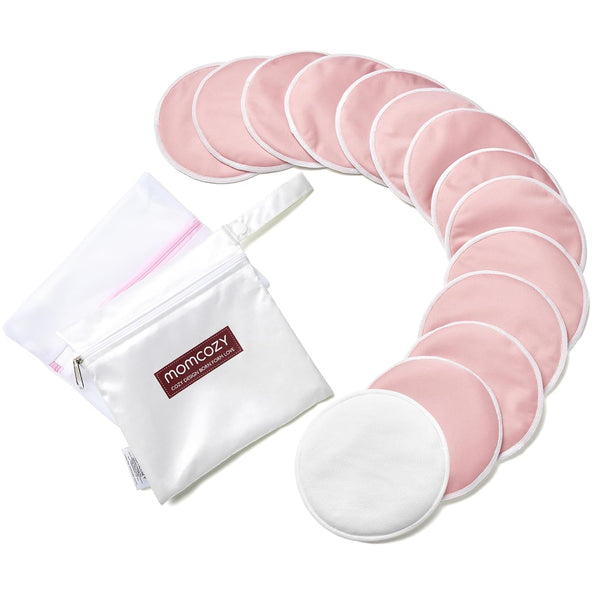
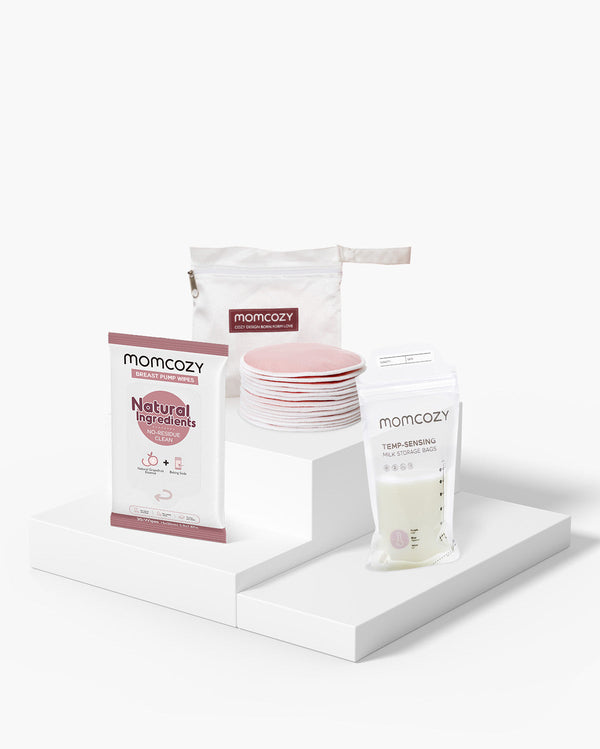
According to The Bump, some women start producing colostrum weeks or even months before birth, while others don't notice any until after delivery. So a dry bra throughout pregnancy isn't a sign that anything is wrong with your milk supply or your ability to breastfeed. If leaking becomes noticeable, the Momcozy Ultra-Thin Reusable Breast Pads can help absorb moisture discreetly under clothing — browse more styles in Momcozy's breast pads collection.
When to Contact a Doctor About Breast Changes
Not all breast changes during pregnancy are cause for concern. However, you should speak to your healthcare provider about any new lump or thickening in the breast, sudden nipple inversion, bloody discharge, and changes such as dimpling or puckering of the skin, or scaling or sores on the nipple. Report persistent redness, warmth, swelling, or discomfort that worsens. The NCI advises pregnant women to report to their health care provider any breast changes that are not expected, or that worry them.
Breast Lumps During Pregnancy
Pregnancy can cause your breasts to swell, become firmer, and develop lumps. While many lumps are benign, you should have any new lump checked out instead of assuming it to be pregnancy-related.
The Cleveland Clinic notes that changing hormones can cause benign breast lumps and other breast changes during pregnancy. The NCI notes that pregnancy can change breasts in other ways, making it harder to identify abnormal changes. You don't need to guess what to do. Your healthcare provider can evaluate the lump and recommend testing if needed.
FAQ
Can I Still Be Pregnant If My Breasts Aren't Sore Anymore?
Yes. Breast pain will often subside as pregnancy progresses; therefore, it typically becomes less severe after the first trimester. That being said, symptoms often change throughout pregnancy, so lesser breast tenderness does not necessarily indicate that the pregnancy is proceeding normally.
Do All Women Get Darker Nipples During Pregnancy?
No. Some women observe an obvious nipple color change during pregnancy, while others hardly notice any difference. Your areolas may also darken and widen, varying in degree during pregnancy.
When Should I Worry About Nipple Discharge During Pregnancy?
A little clear, white, or yellow fluid is normal during pregnancy. Nipple discharge should be checked if it is bloody, persistent and comes out of one breast even when the other isn't stimulated, or if a lump, redness, swelling, or soreness occurs at the same time.
Do Nipple Changes Go Back to Normal After Pregnancy?
Some do, while others might continue. Your nipple and areola color, size, or shape can remain different after pregnancy and breastfeeding. Your breasts may settle into a new appearance rather than return exactly to how they looked before.
Conclusion
Nipple changes during pregnancy can be surprisingly noticeable, from increased sensitivity and darker areolas to changes in how your nipples look and feel. Nipple growth in pregnancy may also happen along the way, while colostrum can show up later as your breasts get closer to breastfeeding.
Most of these changes are simply part of your breasts adjusting throughout pregnancy. Give them the support and comfort they need, and mention anything unusual or persistent to your healthcare provider.









