


The boobs of a pregnant woman can undergo changes during the gestation period to prepare for breastfeeding and growth of breast tissue. Tenderness and enlargement can occur during the first trimester. Some women notice these changes early, while for others, they develop more gradually over the following months. Knowing what these changes can look and feel like can help you understand your body, especially when your breasts suddenly don’t feel quite like your own anymore.

What Will Pregnant Woman Breast Change
For many pregnant women, breast changes can be among the first signs of pregnancy. They may become larger, heavier, or more tender, while the nipples can feel more sensitive. The areolas may also darken or grow, veins can become more visible, and the small bumps around the areolas may become more pronounced.
These pregnant woman breast changes don’t follow one exact timeline. You may notice several of them, or only a few at first. Every pregnancy can bring a different mix of changes.
Why Do Your Breasts Change During Pregnancy?
Most of the changes are hormonal and happen as your body prepares for breastfeeding. The breast tissue and milk ducts grow, and the blood flow to the area increases, which makes your breasts feel fuller and can make them look more swollen. Your nipples and areolas also change in response to these hormones.
And that’s also why a bra that was comfortable and fit well can all of a sudden feel too tight or start to rub. As your breasts change, a bra that once fit well may suddenly feel too tight or start rubbing against your skin.
When Do Pregnancy Breasts Start?
Tender breasts can be one of the first signs of pregnancy and may appear early in the first trimester. As pregnancy progresses, your breasts may become heavier or fuller, while your nipples may feel more sensitive and your areolas may gradually darken. ACOG notes that breasts may become larger and more tender during the first trimester.
It’s also completely possible not to notice much at first. Breast changes vary from person to person
Boobs of a Pregnant Woman by Trimester
Breast development is typically gradual during pregnancy. What you experience is different in the first few weeks than when you are near the end, and not all women are the same.
First-Trimester Breast Changes
Breast tenderness can be one of the early changes of pregnancy. Your breasts may feel sore, fuller, heavier, or more sensitive than usual, and a bra that once felt comfortable may suddenly feel too tight. Your nipples may also become more sensitive, while the areolas may gradually darken or become larger.
In a few cases, these changes might even take place before you ever show, so breast tenderness is one of the first signs of pregnancy that some women get.
Second-Trimester Breast Changes
Breast tenderness may decrease during the second trimester, but your breasts are likely to continue growing and feeling fuller.
The areolas and nipples may darken, veins may become more prominent, and the tiny bumps around the areolas called Montgomery glands may become more pronounced. A few women have reported seeing small traces of colostrum, the first milk their breasts produce. There is no need to express colostrum if it is leaking, just because you have seen some of it.
Third-Trimester Breast Changes
By the third trimester, your breasts may feel heavier and fuller as your body continues preparing for breastfeeding. Your nipples and areolas may remain darker, and some women may notice occasional colostrum leakage.
Comfort can become more important at this stage. If your bra is pressing into your ribs or the cups feel too snug, it may be time to reassess the fit. You can also switch to a nursing bra before delivery if you prefer one with more flexibility and easier access.
Pregnant Woman Breasts: Common Changes and What They Look Like
Not all women experience the same breast changes during pregnancy. The appearance and sensations of breasts vary between women even at the same stage of pregnancy.
How Big Do Pregnant Women's Breasts Get?
Breast growth during pregnancy is different for everyone. Some women go up a cup size or more, while others notice only a small change. Your breast shape may also look different from one pregnancy to the next. Instead of focusing on a specific size, pay attention to how your bra actually feels. Deep marks from the band or cups, spilling, or breast pain can all be signs that it’s time for a better fit.
For a fuller bust, you’ll want enough room and support without feeling boxed in. The Momcozy AirMesh Busty Nursing Bra is made with that in mind, combining deep molded cups and a supportive underband with wide padded straps for a more comfortable fit. The lightweight, breathable fabric helps keep things cooler, while the six-hook back closure and extender give you some flexibility as your body changes. You can also browse Momcozy’s nursing bras for large breasts for more fuller-bust options.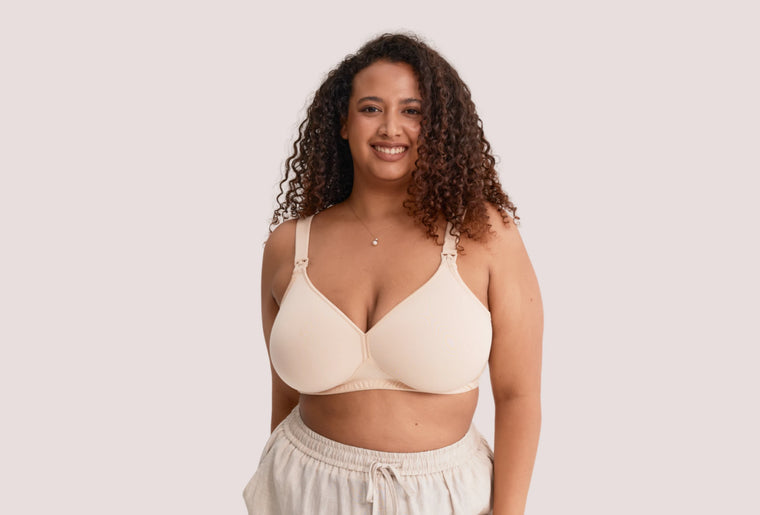
When choosing a bra for pregnant woman support, look for one that fits comfortably and has enough flexibility to accommodate changes in your breast size throughout pregnancy.
How Do Nipples Look in Early Pregnancy?
Nipples and areolas are probably the first things you will have noticed that are different. They may become more sensitive, while the areolas can gradually become darker or larger. The small bumps around them may also become more noticeable.
However, no single type of nipple appearance is diagnostic of pregnancy. Hormonal changes that occur during the menstrual cycle and other conditions can produce similar changes.
Do Breasts Get Hard When Pregnant?
As the breast tissue grows with pregnancy, they can be firmer, more rounded, and more solid. That sensation can be on and off, too, as your breasts may be tender one day and feel completely normal the next.
The firmness of a breast does not by itself indicate that a woman is pregnant. More attention should be paid to a sudden change in breast consistency along with severe pain, redness, heat or swelling. You should talk to your doctor about these symptoms, instead of assuming that they are only symptoms of a normal pregnancy.
How to Know a Pregnant Woman's Breast Is Changing
Some breast changes are easy to notice, like a tighter bra or fuller breasts, while others are more subtle. You may notice tenderness, sensitivity, changes in your nipples or areolas, or simply that your breasts feel different from usual. What matters most is paying attention to changes from your normal baseline.
Pregnant Lady Breast: Are Nipples Hard or Soft in Early Pregnancy?
Either is possible. With a pregnant lady breast, the nipples may feel more sensitive or firmer than usual, especially with cold or touch. The areolas may also gradually become darker or larger. Nipple firmness alone isn’t a reliable sign of pregnancy, since similar changes can happen during the menstrual cycle.
A pregnancy test is a much more reliable way to find out whether you’re pregnant than trying to interpret changes in your nipples.
How to Tell Pregnancy by Nipples?
Changes in your nipples can be one early sign of pregnancy, but they can’t confirm it on their own. You may notice darker areolas, increased sensitivity, or larger-looking nipples, while someone else may notice very little change. If you think you may be pregnant, consider your missed period and other symptoms, then take a pregnancy test.
Your nipples can change for many reasons, so they can’t tell the whole story by themselves.
Finding the Right Size Bra During Pregnancy
Your bra size could fluctuate multiple times throughout your pregnancy, so don't stress about investing in only one bra to last you for the entire nine months. Comfort and flexibility matter more than sticking to your usual size. Your breasts may grow or become more sensitive during pregnancy, so don’t worry about moving up a size when your current bra no longer feels comfortable.
Look for:
- Cups that fully cover your breasts without spilling over
- A band that feels secure but doesn't dig into your ribs
- Straps that are adjustable so you can fit your body as it changes
- Stretchy and breathable material that moves with you
- Soft fabrics that don’t irritate delicate skin
- Nursing access if you want to keep wearing the bra after delivery
You also don't need to stock up on several bras in the same size early in pregnancy. Your size can change before you realize it, so there’s no need to buy several bras in the same size early in pregnancy.
If you want a bra that can work through pregnancy and nursing, explore Momcozy’s nursing bra selection for flexible styles. For a fuller bust, look for features such as wider straps, more cup coverage, and a supportive band. The fit should feel secure without pressing into your ribs or making it hard to breathe
How to Care for Your Breasts During Pregnancy
Pregnancy can leave your breasts swollen, tender, or more sensitive than usual. A few simple changes can help keep them comfortable.
Choose a bra that fits well without feeling tight around your ribs or rubbing sensitive areas. Wash your breasts as you normally would with a mild cleanser, especially if your skin has become more sensitive. There’s no need to scrub, rub, or “toughen” your nipples to prepare for breastfeeding.
Breast pads can help keep your clothes dry if you start leaking colostrum. If you notice a breast change that is unusual for you or doesn’t go away, have it checked by your healthcare provider rather than trying to figure it out on your own.
Ways to Ease Breast Discomfort During Pregnancy
Tender breasts can cause discomfort during the most ordinary activities of daily life, such as sleeping and walking, or simply wearing a bra, seemingly out of nowhere. A few small changes can make everyday discomfort easier to manage.
- Get supportive, well-fitting bras. Select a bra that provides good support for the breasts without flattening them. A soft, pliable shape might also be easier to wear at night.
- Use breathable materials. Soft materials may also reduce rubbing and irritation if your nipples are very sensitive.
- Use a cool compress. A cool compress may help soothe breast tenderness when your breasts feel sore or swollen.
- Recheck your bra fit. If the band is digging in or the cups feel tight, don’t force yourself to keep wearing the same size. Your breasts may simply need more room.
If you want medium support with a more breathable feel, the Momcozy AirMesh Busty Nursing Bra offers full-coverage, seamless cups and a wireless design for everyday wear. Its moisture-wicking fabric helps keep you comfortable, while the easy nursing access makes it practical for both pregnancy and breastfeeding.
Should you observe any of these symptoms, have a new lump, experience nipple discharge, or if your pain is severe or persists for more than a couple of days, call your doctor. When you’re pregnant, better to be safe and overcautious than the other way around.

How Will Your Breasts Change After Giving Birth?
Your breasts may look and feel different after birth, especially once your milk comes in. They may feel fuller or firmer, and their size can change throughout the day as you nurse or pump.
Some changes are temporary, while others may last longer. A comfortable nursing bra can make this stage easier as your breast size and fullness continue to shift.
Do Breasts Ever Stay Bigger After Pregnancy?
Yes, they can, but there’s no way to predict exactly how your breasts will look afterward. Some women return to their pre-pregnancy size, while others notice that their breasts are somewhat larger or have a different shape. Changes may become more noticeable after breastfeeding ends.
There’s no single “after pregnancy” breast size or shape. Pregnant woman breasts can look different from one person to another before pregnancy, and those differences can continue after pregnancy, too.
Do Nipples Go Back to Normal After Pregnancy?
They may gradually become lighter and return closer to their original color, although they may not look exactly the same as before pregnancy. The size of the areola and nipple, as well as the shape of the breast, can also change after pregnancy or breastfeeding.
These changes vary from woman to woman and may fade over time, while some may remain. Your breasts don’t have to look exactly as they did before to be normal.
FAQs
Are Breast Lumps During Pregnancy Normal?
Pregnancy can change the texture and firmness of your breasts, so you may notice areas that feel different. However, don’t assume that a new lump is simply a pregnancy change. Talk with your healthcare provider if a lump persists or you notice other unusual symptoms.
Is It Okay to Squeeze Nipples While Pregnant?
You don't need to squeeze or rub your nipples to try and find colostrum. If you wish to express colostrum before birth, please discuss this with your healthcare provider first, as nipple stimulation can induce labor.
Why Are My Breasts So Sore in Early Pregnancy?
Hormonal fluctuations and the development of breast tissue can cause tenderness, swelling, heaviness, or sensitivity in the breasts. A properly fitted, supportive bra can also help reduce pain.
When Should I Worry About Breast Changes During Pregnancy?
Consult your doctor if you have a new or persistent lump, experience significant pain, observe dimpled skin, notice a recent change in the size or shape of your breast, have an inverted nipple or have nipple discharge. If you develop redness, warmth, swelling, or tenderness—especially along with a fever—contact your healthcare provider promptly.
Conclusion
The boobs of a pregnant woman can change in plenty of ways as the body prepares for breastfeeding. Tenderness, fullness, darker areolas, nipple changes, and even a changing bra fit can all be part of that process.
You don’t have to keep track of every single change, or compare your breasts to those of other women. Focus on what is safe and normal for you, give your breasts the support and comfort they need, and don’t ignore any changes that seem unusual or that hang around.









