


When our daughter was born, I’ll never forget the experience of rapidly losing myself in the constant and urgent demands of our high-needs daughter. Because she was our first child, I didn’t know any different, but looking back it makes complete sense why I found myself on a fast-track to burnout.
If you’re caring for a high-need baby, burnout isn’t an indication that you’re doing something wrong or not cut out to be a mom, it’s a predictable psychological response to prolonged demand with very little relief.
High-need babies often struggle with sleep, transitions, and self-soothing. They need more contact, more feeding support, more regulation. And while that level of care can be deeply bonding, it can also quietly erode a mother’s sense of self, freedom, and rest.
Many moms tell me, “I love my baby, but I feel like I’m losing myself.”
The Psychological Impact of Caring for a High-Need Baby
When a baby requires near-constant attention, a mother’s nervous system rarely gets a chance to reset. Sleep deprivation increases emotional sensitivity. Your emotional load increases, because you’re probably in the depths of the internet searching out reasons why your baby has such high demands and what you can do to get a break. And because their needs are immediate and non-negotiable, moms often push their own signals, hunger, exhaustion, and pain far past healthy limits.
Over time, this can show up as:
- Emotional numbness or irritability
- Guilt for wanting space
- Resentment paired with shame
- A feeling that rest is “earned” rather than absolutely essential
This is why traditional self-care advice often falls flat. You don’t need more bubble baths, you need meaningful shifts that work inside the real constraints of a high-need baby.
For moms of high-need babies, self-care isn’t about indulgence or getting away. It’s about being aware of and managing, protecting, conserving, and restoring energy in small, realistic ways.
That often means using supports that lower the overall energy cost of your day, either by helping your baby settle more easily or by reducing the physical strain on your body.
These tools don’t replace connection. They make connection sustainable.
Soothing & Sleep: Conserving Energy Through Support
When a baby struggles with sleep or soothing, the energy drain can be enormous, especially overnight. Each night you don’t get enough sleep, you’re starting the next day with less energy reserves to pull from. Supporting your baby’s sleep can dramatically reduce your own depletion. Sometimes the most practical way to care for yourself is to have the tools that enable you to operate with more freedom and autonomy while supporting your high-need baby.
Many moms find relief with:
- Swaddles or Easy Swaddle Wraps to help babies feel secure
- Baby Wrap Carriers for contact naps while freeing your hands
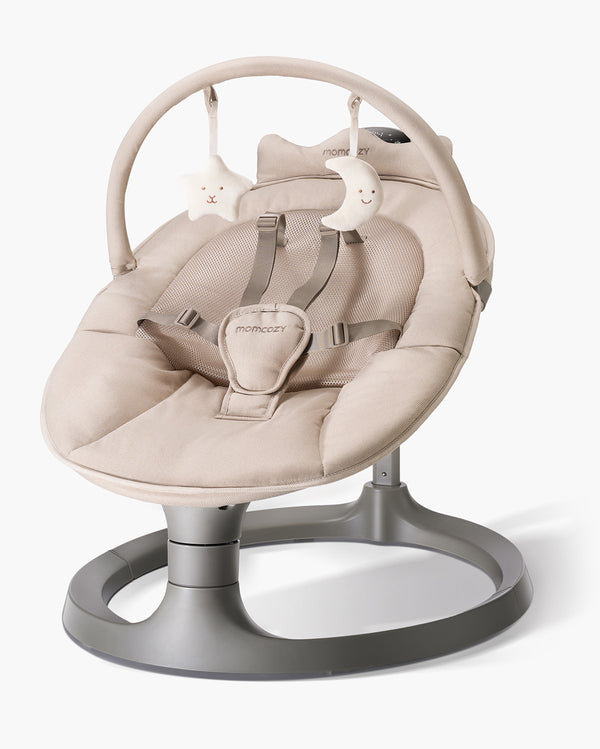
- Baby Swings for gentle motion when you need a pause
- White Noise Machines to reduce overstimulation
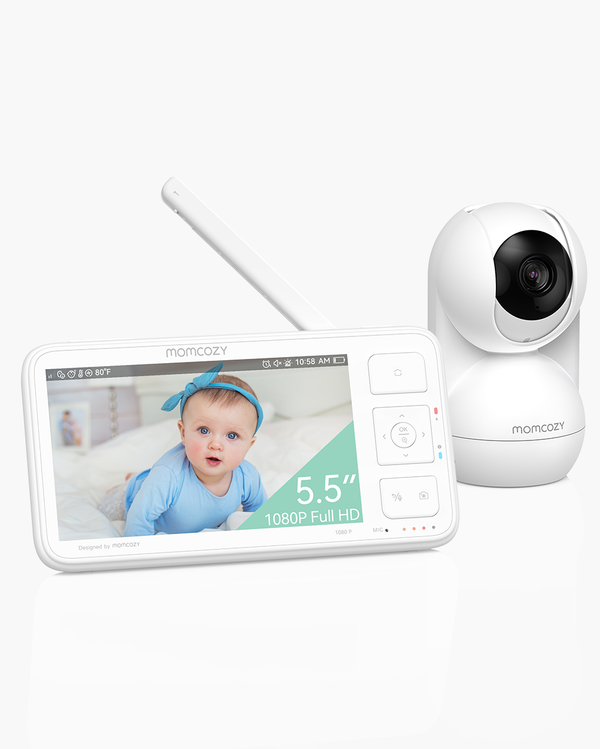
- Baby Monitors so you’re not constantly checking or hovering



Feeding & Nursing: Lowering the Energy Cost
Feeding a high-need baby can take up a significant portion of the day and night. Reducing friction here can make a big difference in protecting your energy.
Helpful tools include:
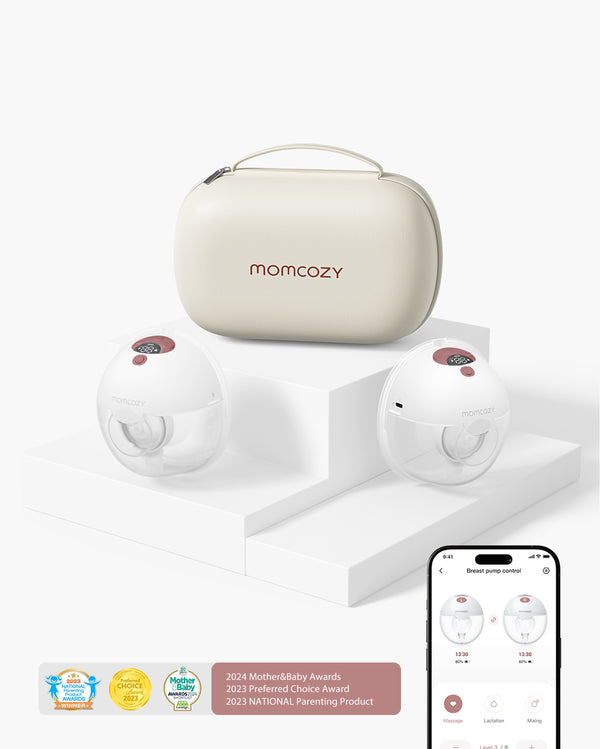
- Wearable breast pumps that allow movement and multitasking
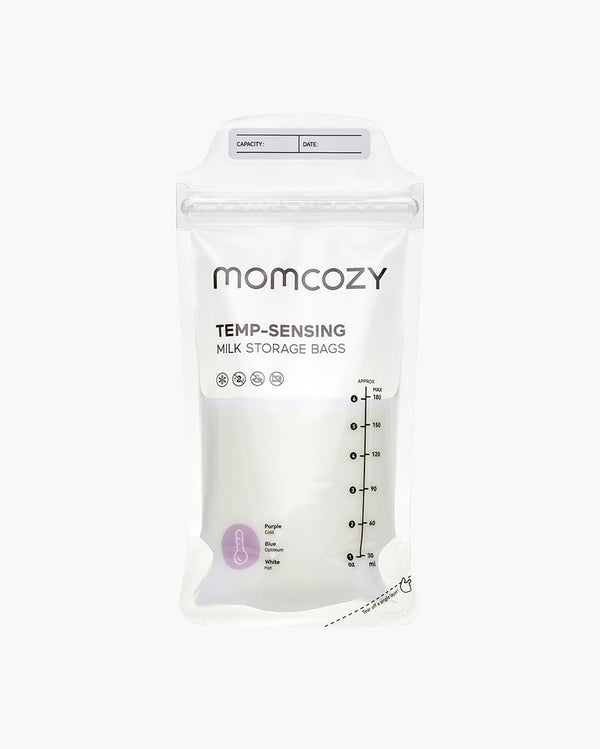
- Breastmilk storage bags to simplify planning
- Nursing pillows to support posture and prevent strain
- Bottle warmers to make night feeds faster and easier
When feeding requires less physical and mental effort, you preserve energy for everything else.


Mom Care Is Energy Care
Physical discomfort quietly drains emotional reserves. When pain goes unaddressed, exhaustion compounds, it depletes your energy, and eventually can lead to more significant physical symptoms. Your body is regularly speaking to you, but when you ignore it, it eventually will get louder and louder.
Supportive tools that help:
- Breast massagers to ease clogged ducts and discomfort
- Nipple cream to protect and heal sensitive skin
Caring for your body isn’t a luxury, it’s basic maintenance for a season of high demand.
Outings: Restoring Energy Through Movement and Change
Staying home can feel easier, but isolation often worsens burnout. Gentle outings can actually restore energy by shifting stimulation and perspective.
And it’s easy to count out taking a walk or moving your body as cliché self-help advice, but the benefits to just getting outside and moving are enormous. A gentle walk with your baby in a carrier or a stroller can be life-giving during a season of such high demands.
Helpful supports:
- Baby carriers that keep babies settled while allowing mobility
- Portable white noise machines for naps on the go
- lightweight stroller that feel smooth, stable, and easy to manage
Hear this loud and clear
Burnout doesn’t mean that you’re doing motherhood wrong, or that anything is wrong with your baby. It’s just a sign that your energy output has exceeded the support available to you.
You don’t need to push harder.
You need systems, tools, and permission to conserve what you have.
Managing your energy isn’t selfish, it’s how you stay present, patient, and whole in one of the most demanding seasons of life.
If you’re here right now, please hear me loud and clear: you’re not weak, you’re not doing it wrong, you’re a wonderful mom who is probably tired and in need of care. And with the right support, this season can become more livable.








