


MEDICALLY REVIEWED BY

Shelly Umstot, BSN, RN
Shelly Umstot is a BSN and has been a registered nurse for over 35 years. She lives in North East Ohio and is a freelance health content writer. Her passion is bringing understanding to those with questions and concerns regarding health issues and helping them obtain and maintain their optimal health. She loves being with her family and has two lovely granddaughters who have stolen her heart. Assisting new parents in finding the information they need to face the joys and challenges of caring for their children is a gratifying experience for her as a professional, parent, and grandparent herself.
If you've ever felt a painful lump in your breast while nursing, you might have run into a clogged milk duct. Don't worry, it's pretty common and usually not too serious. This guide covers blocked milk duct pumping: the signs, whether the session caused it, and what to do without making swelling worse.
Key Takeaways
- A blocked duct is usually swelling that narrows the ducts, not a plug you can force out.
- Blocked milk duct pumping care means your normal schedule, not extra sessions to empty harder.
- Ice, rest, and clinician-approved anti-inflammatory pain relief beat heat plus deep massage for most people.
- Fever, spreading redness, or flu-like chills are mastitis warning signs. Call a clinician the same day.
- Most lumps ease within 24 to 48 hours. A lump that lasts longer still needs a medical check.
What Is a Blocked Milk Duct When You’re Pumping?
A blocked milk duct is a tender, localized lump from swelling around the ducts, not a cork you can squeeze out. Academy of Breastfeeding Medicine Protocol #36 describes this as ductal narrowing on the mastitis spectrum.
Clogged milk ducts usually occur in instances when the milk within the breast flows out and begins to back up. That backup is often inflammation making the path narrower, not a wad of milk sitting in one pipe. Clogged, plugged, and blocked mean the same lump. Output on that side can drop even when the other side is fine.
Symptoms: Clog vs Engorgement vs Mastitis
If it doesn't feel good to breastfeed, it might be due to a blocked duct—a common problem for most breastfeeding moms dealing with plugged ducts. Knowing what symptoms to look for can help you address the problem quickly and find relief for clogged ducts:
- Presence of a lump: You may feel a small, hard lump in your breast. The lump may be sore or tender to the touch.
- Soreness during feedings: The tenderness may be exaggerated before feeding or expressing when breasts are fuller; using a nursing pillow can help position your baby to reduce strain and improve drainage during these sessions.
- Redness: The skin surrounding the lump might appear red.
- Swelling: It may appear as if one breast is swollen while the other is not, or it may even just feel full.
- Warmth: The tissue around the plug may feel warm or even hot, in contrast to the rest of the breast tissues. These symptoms can indicate the presence of plugged ducts or potential mastitis.
- Slower milk flow: You may notice a decrease during breastfeeding in the pace and volume of milk, which can include changes caused by plugged ducts, in comparison to your normal patterns.
- Milk blister: Sometimes you may notice a little white dot on the nipple, indicating where the milk is blocked.
If you recognize these signs, start with ice, your usual feeds or pumps, and a clinician if you feel flu-like.

How a clog differs from engorgement or mastitis
A clog is usually one-sided and stays local. Engorgement is both sides feeling heavy after missed sessions. Mastitis adds fever, chills, or spreading redness.
- Clog: one tender lump, redness that stays nearby, some relief after a usual feed or pump.
- Engorgement: both sides full and tight, often after a long gap.
- Mastitis: flu-like aches plus spreading heat or redness. Do not wait this out.
A white dot on the nipple can be a bleb. It is related, not identical. WIC breastfeeding guidance covers plugged ducts, mastitis, and thrush in one place.
Can Pumping Cause a Blocked Milk Duct?
Pumping does not automatically cause a block. Skipped sessions, a poor seal, and extra stimulation can.
- Tight clothing or bras: Putting on a bra that is too small or tight to fit your breast or puts pressure on some areas of your breast can squeeze your milk ducts so hard that hardly any milk can flow.
- Skipping feedings or pumping sessions: If you fail to empty your breasts regularly, the milk will get clogged and cause a blockage.
- Poor latch: If the baby doesn't attach to your breast properly during feeding, they might not be able to pull out the milk properly and therefore create a blockage.
- Being overly tired or stressed: If you are overtired or stressed, it will not allow your body to let down milk properly, which may eventually cause blockages over time.
- Sudden oversupply: If your body is making more milk than your baby needs, it is difficult for your breasts to keep up, especially if this change happens quite suddenly.
- Infrequent position changes during feedings: Always using one breastfeeding position may result in the milk not draining evenly from all parts of the breast.
- Flange or suction issues: A shield that is too small or too large, plus max suction, can irritate tissue. Check the right flange fit before you blame the pump itself.
- Wearable cups and tight straps: Hands-free wearable pumps do not guarantee a clog. Compression, a bad seal, and long gaps are the usual villains. A slimmer cup such as Air 1 can sit with less bulk when the flange is sized correctly. It is not a clog-prevention gadget.
- Will nipple-style pumps block milk ducts? Not by default. A cup that pinches, a bra that carves a groove, or hours without a session can.
How to Pump With a Blocked Milk Duct (Without Overdoing It)
You do not need to pump more than usual to clear a blocked duct. Cleveland Clinic frames first-line care as rest, ice, and clinician-guided pain relief, plus your normal milk removal.
Stay on your normal schedule
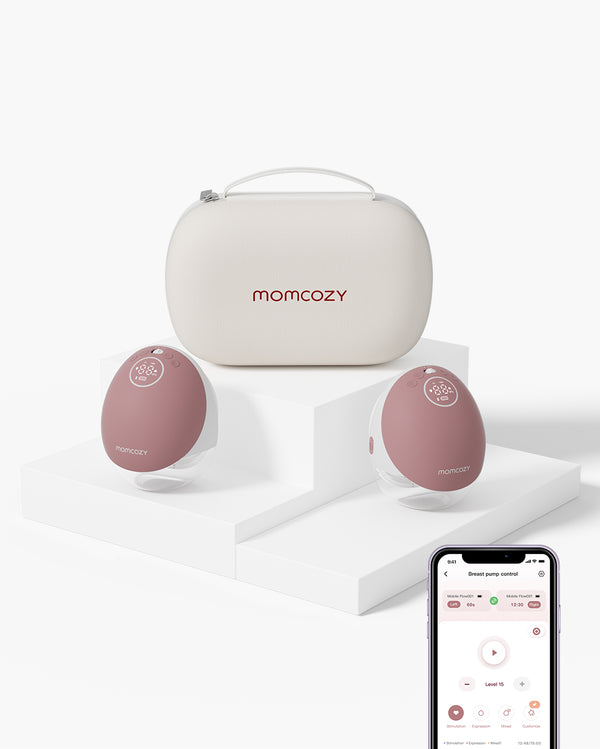
- Keep the same number of sessions you already do. Children’s Hospital of Philadelphia still stresses keeping milk moving. An app-connected wearable such as M5 Smart can remind you not to skip. It is not a reason to add extra pumps or jump to max suction.

- Pump only what you need: You must avoid pumping more than your baby needs. This would create extra work for your breast ducts and swell them.
- Balance your supply: Try to match the amount you pump with how much your baby drinks. If you always pump too much, the breasts may overproduce, becoming very full and uncomfortable.
During the session
- Start where it hurts less: If let-down on the sore side stings, start on the other side, then switch at your usual suction.
- A good latch is necessary to get the milk out: Your baby has a good latch when their mouth touches both the nipple and part of the areola. This can help the breast empty more quickly.
- Adjust the pump: Fit the flange of your breast pump properly. If the flange is too small or large, this will be hard to pump with, or may even be the culprit behind your clogged ducts.
- Change positions: Changing positions while pumping with clogged duct can better drain the breast. You may want to lean slightly forward, sit straight up, or even recline—some positions stimulate different areas and may facilitate improved milk release with the aid of gravity.
Ice first, warmth only if it comforts
Ice the sore area between sessions. Brief warmth is optional comfort, not a ritual to melt a plug. If you use Wellness 1, skip warm-massage on a hot, tender lump. Ice first. Warmth is for a usual session after the area is less angry.
Gentle hands-on compression toward the chest wall and armpit is not deep lump massage. Do not dig, comb, or vibrate the knot.
Dangle pumping is optional and the evidence is anecdotal. Skip it if leaning forward hurts. Hand expression after a usual pump is enough if milk still feels stuck. More on dangle pumping.
How to tell if the duct is easing
You can usually tell that a milk duct is unclogged by a few signs:
- The soreness in your breast eases
- Your breast feels less lumpy and more supple
- Milk comes out smoothly during feeding or pumping
- The hard spot in your breast disappears
- Redness on the breast skin near the clogged area fades away

If these tips don't help clear out the clog in 24 to 48 hours or if you start to feel like you have the flu, you should call your doctor or an IBCLC. That could mean you have mastitis and should see a doctor.
What to Skip: Old Unclog Advice That Can Backfire
Advice that treats the breast like a clogged pipe can increase swelling. You did not fail if you already tried these. Just stop them now.
- Deep massage, vibration, or “digging out” a plug. That includes electric toothbrushes on the lump.
- Power-pumping or adding sessions to force drainage. Extra removal can add inflammation.
- Long, hot compresses as the main treatment. Heat can feel nice. It is not first-line care for a swollen duct.
- Haakaa plus Epsom salt as routine care. There is no strong clinical basis to make this standard.
- Warm-massage modes on a wearable while the area is hot. Wellness 1 is for comfortable usual sessions, not for working a knot.
How to Prevent Blocked Ducts If You Pump
Prevention is boring on purpose: regular removal, a bra that does not dig, and a flange that does not pinch.
- Breastfeed about 8-12 times daily to keep milk flowing: Try to feed your baby whenever they want, which means they should get about 8–12 feeds in a 24-hour time. One of the best ways to keep the drain from getting clogged is to remove the milk on a daily basis.
- Change positions while nursing to let the breasts drain completely: There are different ways to nurse that can work on different milk ducts. For example, if you normally hold your baby across your body (in a "cradle" position), try lying down or moving to a "football" hold every so often. This can help empty the breasts more thoroughly and keep them from getting clogged.
- Avoid putting steady pressure on your breasts: Tight clothes and bras can make it hard for milk to flow and can lead to clogged ducts. Wear a bra that feels good and doesn't make you feel squished. Stay away from bras that leave marks or are painful. If you sleep or carry bags that might press on your breasts, be careful. Loose clothes help if a band is cutting in.
- Do not miss feedings or pumping sessions: Try to stick to a regular feeding and pumping routine even if your schedule gets busy. Breastfeeding should remain consistent to ensure milk ducts remain unclogged. Skipping sessions can make your breasts swell up, which makes clogs more likely. If you leave your baby or your baby skips a feed, you can use a pump to feed your baby when you're not around.
- Watch early signs, then stay on your usual plan: New lumps or sore spots need ice, rest, and your normal schedule, not extra pumps or deep massage. Tight bras matter too. Recheck nursing bra fit if straps leave marks.
- Drop sessions slowly if you are stopping: Wean or skip one pump at a time. Express only to comfort, not down to empty. A rushed stop is a common clog trigger.
-
Recurring clogs: Ask an IBCLC about oversupply and fit. Lecithin or probiotics are a clinician conversation, not a DIY dose. how to lower mastitis risk if infections keep returning.

FAQ: Quick Answers to Common Questions
Can I unclog a milk duct with a pump?
A pump can keep milk moving on your usual schedule. It is not a tool for extra suction to force a clog out. Stay at your normal settings.
Can pumping cause a blocked milk duct?
It can contribute when sessions are skipped, the flange pinches, or a wearable compresses one quadrant. The machine is rarely the only cause.
How to pump out a blocked milk duct?
Do your usual session. Ice between pumps. Use gentle compression, not digging. Call a clinician if it is not easing in 24 to 48 hours or you feel flu-like.
Should I pump more often with a clogged duct?
No. Extra sessions can worsen swelling. Match the rhythm you already use, including overnight.
Will nipple pumps block milk ducts?
In-bra or nipple-style pumps do not block ducts by design. A tight cup, a poor seal, or long gaps can. Fit and timing matter more than the shape of the cup.
When should I see a doctor for a clogged milk duct?
You must consult a doctor in case of the following situations:
- The lump is not easing after 24–48 hours of ice, rest, and your usual feeds or pumps.
- You have started running a fever or showing signs of flu, which can be due to infection. This type of infection is called mastitis.
- You observe unusual discharge or blood from your nipple. In rare cases, mastitis may lead to a breast abscess, requiring antibiotics and potentially surgical intervention.
- When the pain is unbearable and too intense.
- You feel a hard, persistent lump in your breast that does not change with feeding or pumping.
Should I massage a clogged milk duct?
Skip deep massage toward the nipple. Light stroking that does not hurt is optional. If it hurts, stop.
Can a baby still nurse from that side?
Yes. Nursing can help. If the first suck stings, start on the other side, then offer the sore side. A comfortable latch still matters.
What happens if a clogged milk duct is left untreated?
If the clogged milk duct is left untreated, it may cause such complications as (La Leche League covers the infection end of this spectrum):
- Further discomfort and pain in the breast.
- Mastitis-infection of breast tissue that causes fever, chills, and flulike symptoms.
- An abscess—develops from a more serious infection that may involve a collection of pus in the breast and must be drained surgically. Always try to treat a clogged milk duct promptly to avoid these possible complications.
Conclusion
Keep the milk moving on the schedule you already have. Ice, rest, and a clinician if you spike a fever or the lump is not easing. You do not have to empty harder to get relief.
Dealing with clogged milk ducts isn't fun, but now you've got some solid tips to tackle them. The big things to remember are usual removal, ice, and asking for help early. CDC has general feeding basics if you want a public-health overview. And if you try all of this and it isn't improving or you begin to feel unwell, don't tough it out - give your doctor or a breastfeeding expert a call.








