


Body pain while breastfeeding can be one of the challenges that mothers will face. Holding the baby for longer periods in awkward or repetitive positions can strain the neck, shoulders, back, and arms. Moms might also experience hormonal changes, lack of sleep, and stress that will make the discomfort worse.
Knowing the usual causes, and which aches are not “just posture,” can make feeds more manageable. This page is general US parent education, not a personal diagnosis. See an IBCLC, your OB-GYN, pediatrician, or a physical therapist for your own pain.

Key Takeaways
- Early-week aches are often musculoskeletal: rounded shoulders, a heavy baby, and long holds.
- Body aches while breastfeeding that come with fever, chills, or a hot red breast are a different fork. Call a clinician the same day.
- Change the hold, bring the baby to you, and support wrists before you add gadgets.
- A wearable pump can let you sit more upright in a usual session. It does not treat back pain or mastitis.
- Do not take a blog dose of any pain medicine. Ask your pharmacist or OB-GYN.
Is Body Pain While Breastfeeding Normal?
Often, yes, in the early weeks: neck, shoulder, and wrist strain after long holds is common. Normal does not mean ignore a fever or a breast that looks angry.
Leftover pregnancy hormones, including relaxin, may leave ligaments looser for a while. That is a possible contributor, not a lab result from this page. A hunched chase for the nipple adds extra strain.
Body Aches vs Flu-Like Aches
This is the split most “aches” articles skip. Muscle strain from holding a baby is one pattern. Flu-like aches with a hot breast sit on the mastitis spectrum described by Academy of Breastfeeding Medicine Protocol #36. Weaning or a sudden drop in sessions can add a third, heavier fullness. Cleveland Clinic is a clear mastitis overview.
| Pattern | What it often feels like | First move |
|---|---|---|
| Posture / holding | Neck, shoulders, mid-back, wrists. Eases when you change holds or put the baby down. | Bring baby to breast. Support arms. Stretch after the feed. |
| Flu-like / mastitis spectrum | Chills, fever, body aches plus a hot, red, or wedge-shaped area of breast. | Same-day clinician. Not extra pumping, not deep massage, not wearable heat. |
| Weaning or missed sessions | Both sides heavy, tight, throbbing after a long gap. | Usual milk removal, then see engorgement vs mastitis vs clog notes with your clinician if it worsens. |
If you are sorting engorgement, mastitis, and a clogged duct on a tender side, or following clogged-duct care, treat fever and spreading redness as medical, not a stretching problem. Wellness 1 warm-massage is not a tool for body aches, knots, flu-like chills, or a suspected clog.

Why Body Aches Happen During Feeds
Body pain during breastfeeding is too common and often linked to some factors. Knowing these possible causes can help mothers make adjustments for more comfortable feeding. No hold is pain-free for everyone.
- Poor Posture: Incorrect positioning while nursing can lead to back, neck, and shoulder pain. Slouching or hunching over while breastfeeding can strain the muscles.
- Repetitive Movements: Doing the same movements over and over again, like holding the baby, combined with frequent breastfeeding sessions, can cause overuse injuries, musculoskeletal strain, and pain.
- Hormonal Changes: During pregnancy and breastfeeding, hormonal changes can impact the ligaments and muscles, causing increased looseness and instability in the musculoskeletal system.
- Tension: Tension in the body due to the tension in one's muscles or the pressure of new life situations may cause pain in the whole body.
- Latch Position while Breastfeeding: Inability to latch the baby would further strain the body. A shallow latch often makes you lean and chase. Work on a good latch and latch and positioning rather than assuming your body is weak.
Australian Breastfeeding Association and Hinge Health both put holding posture near the top of the list. A small published case series also describes musculoskeletal pain tied to feeding positions. None of those sources say breastfeeding itself is supposed to wreck your joints.
Where It Hurts: Neck, Shoulders, Back, Wrists
Breastfeeding can sometimes lead to different types of body pain due to prolonged holding, poor posture, or muscle strain. Many first-time-moms experience discomfort from different parts of the body, and here are the usual places it shows up during feeds:
- Back pain: Motherhood is laborious. You care for your husband, your home, and the baby. So, sometimes, having back pain is inevitable. Back pain is usually felt in the upper, mid, or lower back.
- Neck Pain: One of the most common issues while breastfeeding is neck pain. The strain of supporting the baby's weight while breastfeeding can lead to stiffness, soreness, or discomfort in the neck.
- Headaches: Poor posture, muscle tension, and stress can create tightness in the neck muscles and joints, which may lead to tension-type or cervicogenic headaches—conditions that can be triggered or worsened during breastfeeding.
- Mommy Thumb: Pain and inflammation in the thumb caused by repetitive gripping and lifting motions during breastfeeding is called “ Mommy Thumb.” Mommy Thumb is common among new moms. Pain, swelling, and tenderness from mommy thumb can make grabbing, holding, and pinching things hard.
- Shoulders and wrists: Shrugged shoulders and a dangling wrist under a heavy head are the usual partners of neck strain. They belong in the same map, even if older copy skipped them.
Neck and shoulders
If you look down at the latch for twenty minutes, the back of the neck works overtime. Raise the baby, not your shoulders. A rolled towel behind you is often enough.
Back
Upper, mid, or lower back strain from feeding is common. For a deeper back-only walkthrough, see back pain while nursing. Use that page for back-only detail; this one stays on whole-body aches.
Wrists and “mommy thumb”
“Mommy thumb” is an informal name for overuse around the thumb from gripping and lifting. Numbness that does not settle, or a wrist that gives way, still needs a clinician.
How to Ease Body Pain While Breastfeeding
Breastfeeding can sometimes lead to aches and pains in the back, neck, shoulders, and arms due to prolonged holding and repetitive positions. However, with a few simple adjustments, you can minimize discomfort and make breastfeeding more comfortable. These tips focus on posture, positioning, and small self-care practices that may ease strain. They are not a cure for mastitis or a promise of a painless journey.
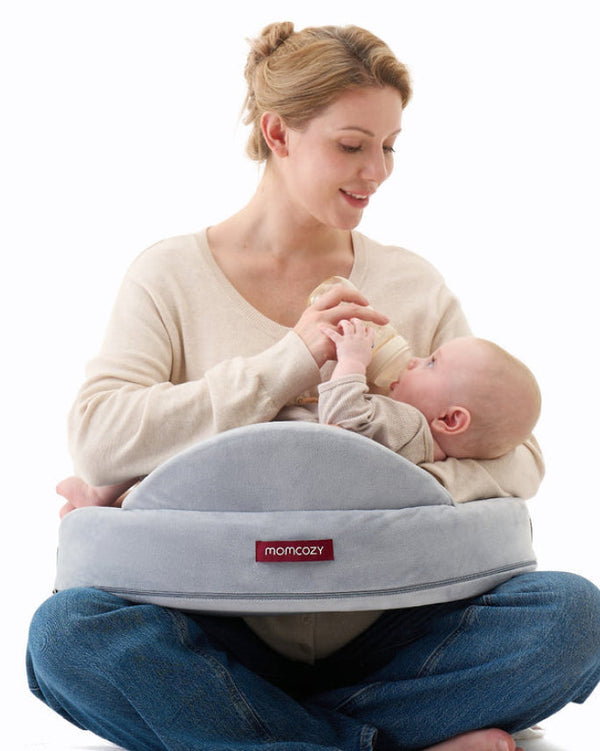
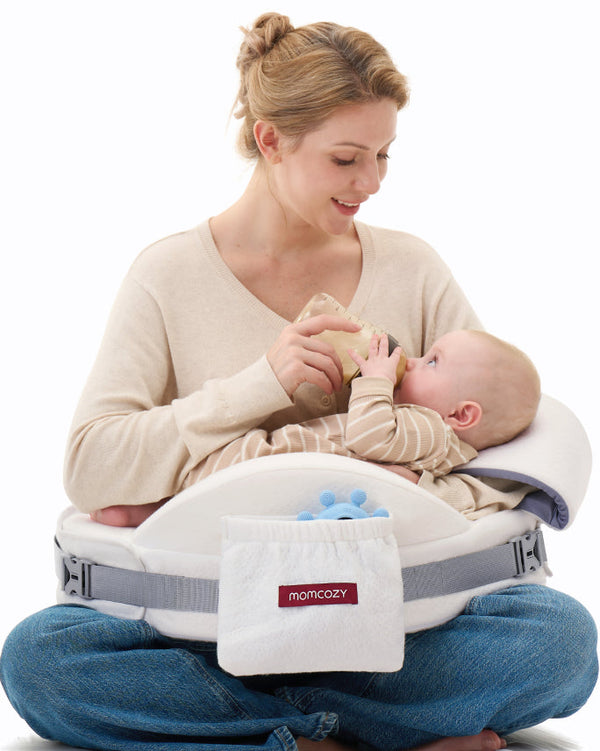
- Maintaining Proper Posture.Ensure you’re sitting with your back relaxed. As much as possible, avoid slouching or hunching over while feeding. You can also use pillows behind your back for support or use a nursing pillow to help elevate the baby to the breast height, minimizing strain.
- Switch Positions. When breastfeeding, try to change positions to avoid putting so much pressure in one place that could cause muscle fatigue and prevent pain in different areas. The football hold is one option when a cradle hold makes you twist.
-
Support Your Arms and Wrists. When holding your baby, use nursing pillows or armrests to support your arm and wrist. Some parents get enough lift from Momcozy Nursing Pillow. A cushion can support mom and baby so you are not hovering. It does not treat an injury. See how to use a nursing pillow if you are still guessing height.
- Take Breaks: Do not hold one position the whole time you are feeding. Relax and stretch or reposition if you start feeling pain. Take short breaks between feeds. What you can do during that brief interval is crucial to another technique suggested in this information.
- Practice Relaxation Techniques: Practice deep breathing or some form of relaxation to diminish tension and stress in muscles. Stress can be a trigger, so having mindfulness or stretch work will help alleviate discomfort.
- Drink Well and Eat Well: Eating enough food and drinking when thirsty supports how you feel. Do not start calcium, magnesium, or vitamin D from a blog; ask your clinician.
- Massage and Stretching: Gentle massage of the shoulders, neck, and back may ease tightness. Skip deep work if a breast is hot or you feel flu-like. Try to include simple stretches in your activities, especially your upper back, shoulders, and arms, in order to ease muscle tension.
- Check Baby's Latch and Position: It will be very annoying when your latch is not just giving discomfort to your nipples and breasts but also to your posture. Therefore, ensure your baby has a good latch so you are not hovering. An IBCLC is the right person if every hold still hurts.
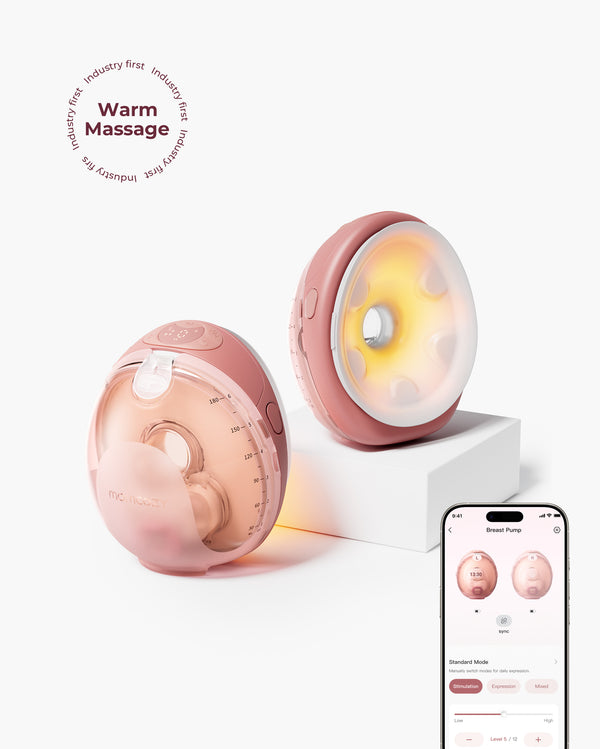
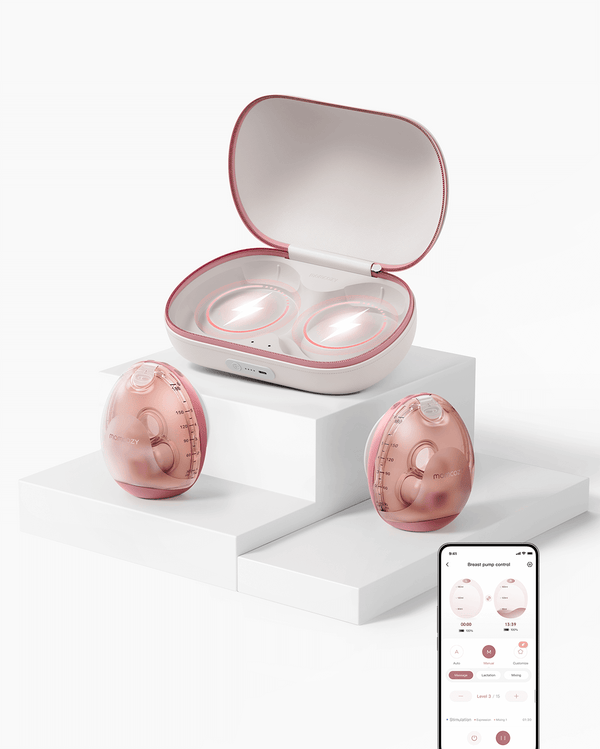
If you also pump, sit upright instead of folding over a table. Hands-free wearable pumps can make that setup easier. They do not treat back pain. Momcozy sells a slim in-bra cup such as Air 1 (about 61 mm / 2.4 in thick) when bulk in the bra is the annoying part, not as a pain gadget.
M5 Smart can log a usual session in the app so you are less likely to skip and then overdo the next one. It is not a reason to add extra pumps. Wellness 1 is a usual-session comfort option. Do not put warm-massage on body aches, muscle knots, flu-like chills, or a suspected clog.

Member price
From$119.99
What You Can Take, and When to Get Help
Medicine is a clinician-and-label decision. ACOG discusses postpartum pain care in general terms. This blog will not name milligrams, schedules, or “take Tylenol every…” instructions.
- Ask first: Your OB-GYN, midwife, or pharmacist can tell you what is appropriate while you breastfeed. Bring the baby’s age and any other medicines.
- Non-drug first for muscle strain: Change holds, ice a tired muscle, rest the wrist between lifts. Stop any stretch that increases sharp pain.
- Same-day medical care: Fever, chills, spreading redness, a hot wedge of breast, or feeling suddenly ill. That is not a posture day.
- Urgent care / ER: Sudden severe headache, chest pain, one-sided calf swelling, shortness of breath, or thoughts of harming yourself or the baby. Call local emergency services.
- Who else helps: IBCLC for latch and position. Physical therapist for weeks of neck/back/wrist strain. Pediatrician if feeding pain is paired with poor infant weight gain.

FAQ
Is it normal to have body aches while breastfeeding?
Often, yes, in the early weeks. Leaning forward, long holds, and leftover pregnancy ligament laxity can leave the neck, back, arms, and wrists sore. Flu-like chills with a hot, red breast are a different pattern and need same-day clinical care, not another stretch.
Is breastfeeding hard on your body?
It can be. Early weeks often bring sore nipples, supply questions, exhaustion, and muscle strain in the wrists, back, and neck. Making milk uses extra calories; eat enough for your hunger. Sip fluids when thirsty. CDC summarizes breastfeeding benefits, and exclusive feeding for about six months is common AAP guidance when it works for that family. Fed is best if it does not.
Can breastfeeding cause achy joints?
Breastfeeding can go with achy joints when posture, repetitive lifting, leftover pregnancy ligament laxity, and fatigue stack up. That is not a diagnosis of arthritis. Pillows, looking up when you can, and gentle stretch after feeds may help. Persistent, one-sided, or swollen-joint pain still belongs with your doctor, OB-GYN, or a physical therapist.
Does breastfeeding cause body pain?
It can. Muscle strain from a rounded posture, repeating the same arm pattern, and postpartum fatigue is the usual story. That does not mean feeding itself is injuring you. Flu-like aches with fever or a red wedge of breast are not posture pain.
What can I take for body aches while breastfeeding?
Do not start, stop, or dose a pain medicine from a blog. Ask your OB-GYN, midwife, or pharmacist what is appropriate while you are breastfeeding. Ice, rest, and a better hold often come first for muscle strain. Fever, spreading redness, or feeling acutely unwell needs same-day medical care, not another stretch.
How do I tell body aches from mastitis?
Posture aches usually sit in the neck, shoulders, back, or wrists and ease when you change holds. Mastitis-spectrum illness can add flu-like chills, fever, and a hot, red, or wedge-shaped area of breast. Only a clinician can tell those apart. Do not use a warm-massage wearable as treatment for suspected mastitis.
When should I see a doctor for body pain while breastfeeding?
Call your doctor or OB-GYN the same day for fever, chills, spreading breast redness, a breast that feels hot and angry, or pain that is getting worse instead of better. Seek urgent care for a sudden severe headache, chest pain, calf swelling, or trouble breathing. An IBCLC can help if pain is mostly from latch and position. A physical therapist can help if strain lasts for weeks.
Conclusion

While body pain during breastfeeding is a common and often temporary challenge, many people can reduce strain with posture changes and support. Results vary. Understanding the causes of discomfort—such as poor posture, repetitive movements, hormonal changes, and muscle fatigue—helps you pick a first step. It does not replace a clinician.
If pain persists or worsens, see a healthcare provider. That visit is for diagnosis. This article is not. CDC has general breastfeeding basics.








