


Breast size is a common concern for many new mothers as they prepare to breastfeed. You may wonder, “How is breastfeeding with small boobs?” Will there be problems? Can you even breastfeed?
This article clears up these questions by revealing the facts about breast size and milk supply. Discover what really influences milk production and debunk common myths surrounding breastfeeding and breast size.
Key Takeaways
- Breast size does not determine milk supply. Glandular tissue and how often milk is removed do.
- A smaller storage capacity can mean more frequent nursing or pumping. That is not the same as low supply.
- Diapers, weight gain, and a comfortable latch tell you more than cup size.
- Insufficient glandular tissue is uncommon. It is about breast development and shape, not cup size alone. See an IBCLC instead of self-diagnosing.
- Most parents with small breasts can breastfeed successfully with support. Any amount of milk still counts.
Does Small Breast Size Affect Milk Supply?
No, breast size does not affect milk supply. Milk production is determined by the number of milk-producing glands in the breasts, not their size. Larger breasts typically have more fatty tissue, which doesn't influence the amount of milk produced.
Small-breasted individuals have the same potential to produce sufficient milk as those with larger breasts, as milk supply primarily depends on factors like breastfeeding frequency, hormone levels, and overall health rather than breast size.
Do bigger breasts produce more milk?
The short answer is no. While your breasts may increase in size before and during breastfeeding, breast size doesn’t impact milk production. A mother with smaller breasts can have just as much milk as a mother with larger breasts. Typically, milk production depends on your baby’s feeding frequency—the more they nurse, the more milk your body will naturally produce.
A clearer clue than your starting bra size is whether your breasts changed in pregnancy. Needing a bigger band or cup as you go is a typical sign that milk-making tissue is developing. Little or no change is a reason to talk with an IBCLC before birth — not a verdict that you cannot feed your baby.
Breast Storage Capacity: Why You May Nurse More Often
Storage capacity is how much milk the breast can hold at its fullest. It is not the same as cup size, and it is not your 24-hour supply.
Smaller breasts may hold less milk at a time, leading to more frequent feedings to meet the baby’s nutritional needs.
Think of a small cup versus a pitcher under the same tap. The daily total can match. The smaller cup just needs emptying more often. That pattern can look like cluster feeding, and it is often normal. Some small chests still hold a lot. Some larger chests do not.
Pumping output may appear lower initially, which can cause concern, even if milk supply is adequate.
A smaller bottle at one session often means the tank just emptied. It does not prove your daily total is low.
How to Tell If Your Baby Is Getting Enough Milk
The most reliable signs are diapers, weight gain, and how your baby looks after feeds — not how your breasts look.
Watch for sufficient diaper output and regular weight gain as indicators of adequate milk intake.
Many newborns feed about 8 to 12 times in 24 hours. The CDC also lists swallowing at the breast, a content baby after feeds, and a return toward birth weight by about two weeks.
Some mothers might mistakenly associate fussiness or frequent feeding with inadequate supply when it’s often normal newborn behavior.
Early hunger cues — rooting, hands to mouth, stirring — are a better “feed now” signal than the clock.
Mothers with small breasts may worry about producing enough milk, although breast size doesn’t affect milk production.
Societal myths and misconceptions about breast size can impact a mother’s confidence in her breastfeeding abilities.
Call your pediatrician or an IBCLC the same day if weight is not moving in the right direction, wet diapers are scarce, your baby is hard to wake, or every latch hurts. If supply needs a boost after that check, see how to increase your milk supply.
When It’s Not About Size: IGT, Breast Surgery, and Getting Help
Small breasts are not IGT. Insufficient glandular tissue — also called hypoplasia — means the breast did not develop enough milk-making tissue. It can occur in larger breasts too. La Leche League USA stresses that shape, spacing, and growth matter more than cup size. Do not self-diagnose.
Small storage vs true low supply vs IGT
- Small storage: Baby feeds often, diapers and weight look fine, and you may see a smaller per-session pump bottle. Keep emptying on cue.
- True low supply: Weight or diapers are off, or transfer is poor. Latch, frequency, and medical causes need a workup — size is rarely the cause. See what to do when supply is actually low.
- Possible IGT: Widely spaced or tubular breasts, marked asymmetry, little pregnancy growth, and little fullness after birth. Get an IBCLC plan. Many parents still make some milk.
How Breast Surgery Can Affect Breastfeeding?

Most mothers who have had breast or nipple surgery can produce some milk, but they may not produce a full milk supply. Women without a full milk supply can still breastfeed. However, they may need to supplement their breast milk with infant formula or pasteurized human donor milk.
For instance, breast augmentation or reduction may have completely detached the areolae and nipples. It can affect your milk production. But over time, it could heal, returning your supply to normal. In general, it depends on how many milk ducts have been disconnected by the surgery.
On the other hand, if you had a total mastectomy, you can breastfeed with your other breast. It can produce enough milk to support your baby’s growth. Meanwhile, if it’s only partial mastectomy and radiation therapy, you can still breastfeed with both breasts. However, expect a significant decrease in milk supply.
Risk depends on remaining ducts and nerves, not on having had surgery in general. Ask for a weighted feed and a plan that can include donor milk or formula at the breast if needed. Any amount you make still counts.
How To Breastfeed With Small Breasts?
Breastfeeding with small breasts is natural and effective, as size doesn’t affect milk production. Here’s how to do it successfully:
Experiment With Breastfeeding Positions
Try positions like the football hold or cross-cradle hold, which give you more control and help position your baby comfortably.
It may take extra effort to find a comfortable breastfeeding position that supports proper latch and milk flow.
Laid-back feeding lets baby use gravity and find the nipple with less holding. A V-hold (index and middle finger at the sides) often feels less bulky than a C-hold on a smaller chest. Keep fingers behind the areola. Bring baby to you. For latch depth, see how to get a good latch.
Feed or Pump Regularly
Smaller breasts may store less milk, so frequent nursing ensures your baby gets enough and helps maintain milk supply.
In times when you can’t breastfeed, use a pump instead.
A wearable makes those extra empties easier to fit in. On a smaller chest, a slimmer cup and the right flange insert often matter more than raw suction. Use a flange-fit check if sessions feel pinched or yield drops.
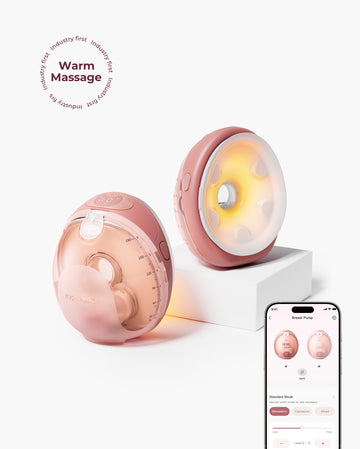
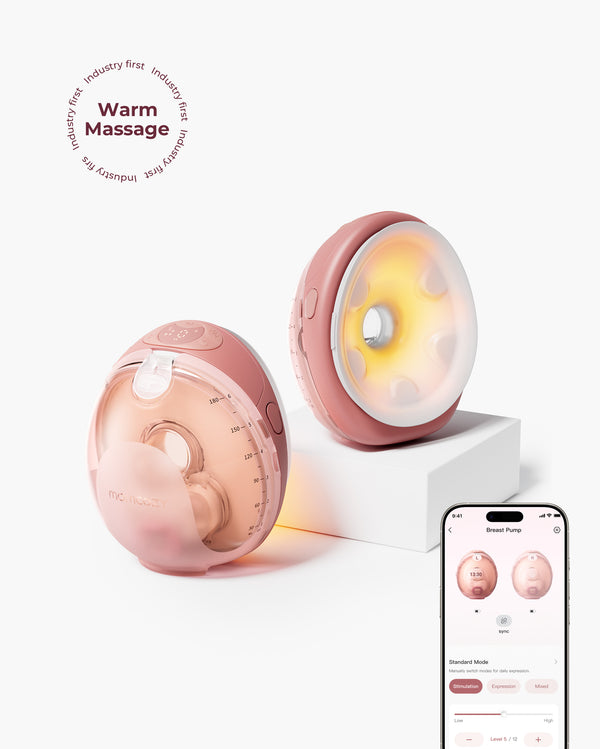
- The Momcozy Wellness 1 adds warm massage (HugWave™ / SoftPulse™) while you pump, which can help let-down and more complete emptying. It includes 17, 19, and 21 mm inserts.
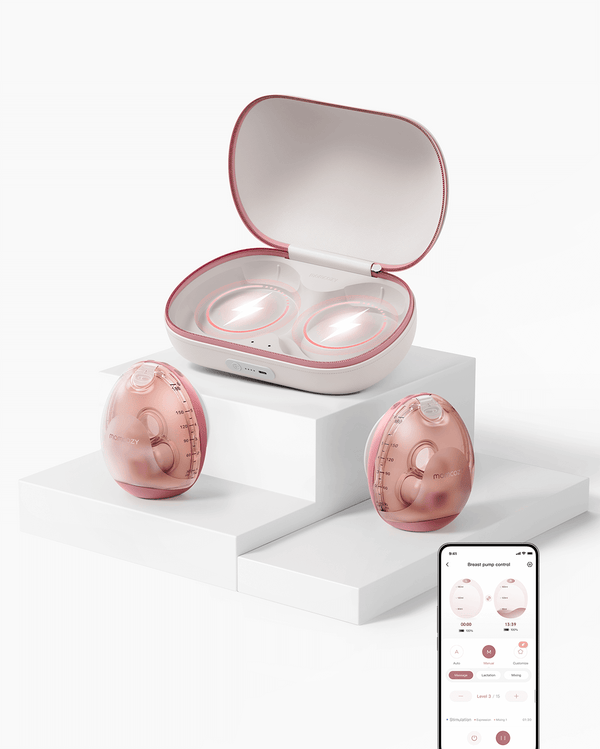
- The Momcozy Air 1 is 61 mm thin, so it sits closer under clothes. The same 17–21 mm inserts come in the box, plus a wireless charging case for grab-and-go sessions.
- The Momcozy M5 Smart is an app-controlled wearable for logging frequent sessions. A 21 mm insert is in the box; 17 and 19 mm are optional if you need a smaller seal.

Member price
From$119.99
Use Supportive Tools
Use nursing pillows or rolled-up towels to bring your baby closer and reduce strain on your arms.
Bring baby to the breast, not the other way around. How you place a nursing pillow matters more than owning one.
Fit the bra you need today, with stretch and easy drop-cup access — not a size up “to grow into.” A seamless style such as the Momcozy Ultra-Soft Seamless Nursing Bra is one small-cup-friendly option. If you are still shopping sizes, start with how to choose a nursing bra.


Practice Skin-to-Skin Contact
Holding your baby skin-to-skin can encourage feeding cues and boost milk supply.
Monitor Baby’s Growth
Watch for sufficient diaper output and regular weight gain as indicators of adequate milk intake.
Consult a Lactation Expert
Seek help from a lactation consultant if you face challenges or need guidance.
How Can I Increase My Milk Supply with Small Breasts?
Increasing milk supply with small breasts is completely possible, as breast size doesn’t directly determine milk production. Here are some effective ways to boost your milk supply:
- Breastfeed Frequently - The more often you breastfeed or pump, the more milk your body will produce. Aim for 8-12 feedings a day, especially in the early weeks.
- Ensure Proper Latch - A deep latch is key to effective milk transfer. Ensure your baby is latched on correctly to get the most milk with each feeding.
- Switch Sides Often - Offer both breasts during each feeding, switching sides if your baby is still hungry after finishing one breast.
- Practice Skin-to-Skin Contact - Skin-to-skin contact helps stimulate milk production by triggering the release of oxytocin, which is vital for milk letdown.
-
Night empties often help because prolactin is higher then. Do not skip a session because one bottle looks small.
-
Breast compressions can help a smaller tank empty more completely. Hold the breast in a C-shape. When sucking slows, apply a firm, steady hug — not a hard squeeze — until swallowing picks up. Repeat around the breast.
Your “magic number” is how many empties in 24 hours keep supply steady. A smaller tank may need more sessions than a friend’s larger tank. That number often settles after supply regulates in the first weeks.
What Happens to Small Breasts After Breastfeeding?
Pregnancy hormones prepare the breast at every cup size. With less fatty padding, the first week of fullness can feel intense. If swelling is painful, read what engorgement feels like and how to ease it. Warmth before a feed and cold after can take the edge off. Ask your clinician before using any remedy.
Breastfeeding can change breasts of all sizes, including small ones, due to hormonal shifts and milk production. These changes vary widely based on genetics, age, lifestyle, and the number of children breastfed.
- Size and Fullness Fluctuations
During breastfeeding, breasts may enlarge due to milk production. After weaning, they often return to pre-pregnancy size or may shrink slightly if glandular tissue decreases.
- Loss of Firmness
Breasts might appear less firm after breastfeeding due to changes in the skin and ligaments that supported the milk-filled tissue during lactation.
- Stretch Marks or Skin Texture Changes
The stretching of the skin during breastfeeding can lead to stretch marks or minor changes in skin texture, though these may fade over time.
- Change in Shape
Some women notice a change in breast shape, such as appearing more "deflated" or flatter, especially if they had a significant increase in breast size during pregnancy.
- Areola and Nipple Changes
The areola may remain slightly darker or larger than before, though this often lightens and reduces in size over time. Nipples may also change shape temporarily.
- Reduction in Glandular Tissue
After breastfeeding, the milk-producing glandular tissue may decrease, leading to a change in breast volume.
FAQ: Quick Answers to Common Questions
Can you breastfeed with small breasts?
Yes. Cup size is mostly fatty tissue. Milk comes from glandular tissue. Rare exceptions include IGT and some surgeries. Those need clinical support, not a cup-size rule.
Does cup size affect breastfeeding?
Not as a measure of daily milk. It may change which hold feels easiest and how often baby wants to eat if storage is smaller.
Do small breasts produce less milk?
Not over 24 hours, for most parents. A smaller per-feed or per-pump amount can still add up when empties are frequent and effective.
Why does my baby want to eat again so soon?
Frequent feeds are common, especially with a smaller storage capacity or evening cluster feeding. Check diapers and weight before assuming supply is low.
Can you exclusively breastfeed with small boobs?
Many parents do. Exclusive feeding depends on transfer, frequency, and health — not bra size. If weight gain is off, get help early rather than waiting.
What is insufficient glandular tissue (IGT)?
IGT means there may not be enough milk-making tissue. Markers can include wide spacing, a tubular shape, and little growth in pregnancy. Only a clinician or IBCLC should assess this.
Will small breasts sag after breastfeeding?
Feeding itself is not the main driver of sagging. Age, genetics, weight change, and pregnancy play larger roles. Size changes after weaning vary.
Conclusion
Breastfeeding with small breasts is just as effective as with larger breasts, as breast size does not impact milk production. Factors like proper latch, frequent breastfeeding, and maintaining skin-to-skin contact are more crucial for milk supply than breast size.
It's important to remember that challenges like smaller milk storage capacity or perceived pumping volume can be overcome with the right techniques and tools. Using hands-free pumps like the Momcozy Mobile Flow™ Hands-Free Breast Pump | M9 and seeking support from a lactation consultant can further ensure a successful breastfeeding journey.
Ultimately, regardless of breast size, with dedication and the right resources, you can meet your baby’s nutritional needs and enjoy a fulfilling breastfeeding experience.








