


Breastfeeding while sick is a common concern of many new mothers, raising questions if it is safe to continue nursing during an illness. Whether dealing with a cold, flu, or more serious infection, mothers often wonder if their illness could be passed on or affect the baby’s health or if they should stop breastfeeding altogether. For most ordinary illnesses, breastfeeding while sick is still considered appropriate when you use hygiene precautions. Close contact can still spread germs. Milk is not how most colds and flu travel.
This page is general education for U.S. families, compiled against CDC influenza and COVID-19 breastfeeding pages, KellyMom’s mother-illness guidance, and NIH LactMed. It is not a diagnosis, it is not individually signed by a named clinician, and it does not replace care from your OB-GYN, pediatrician, pharmacist, or an IBCLC. Full sources: CDC flu and breastfeeding, CDC COVID-19 and breastfeeding, KellyMom: breastfeeding when mom is sick, and NIH LactMed.
Key Takeaways
- Breastfeeding while sick is usually appropriate for a cold, flu, stomach bug, or COVID-19 when you wash your hands and, for a cough or sneeze, wear a mask if you can.
- Most everyday respiratory viruses spread by droplets and surfaces, not by milk. Milk often carries antibodies to a germ you were already fighting before you felt sick.
- A short supply dip from fever, dehydration, or missed sessions is common and often rebounds as you recover.
- If you are too weak to latch, express on your usual rhythm and let someone else offer a bottle if you have that help. Formula is acceptable if you cannot express enough.
- Do not guess at cold medicine. Ask a pharmacist or clinician and check LactMed. Some oral decongestants can lower supply.

Is It Safe to Breastfeed While Sick?
Short answer: for a typical cold, flu, fever, or stomach bug, yes — keep nursing if you can, and add hygiene so droplets and hands are less likely to pass the germ. Breast milk is made for babies and contains antibodies and other immune factors that may help your little one handle the same household bug. That is not a promise your baby will stay well. You may already have been contagious before the first sneeze.
You don’t have to stop nursing solely because you have a stuffy nose or a fever. KellyMom notes that for ordinary maternal illness, continuing to breastfeed is the usual recommendation. The CDC states that flu is not transmitted through breast milk, and that mothers with flu can keep providing milk while taking precautions. Current CDC language on COVID-19 is similar: milk is not considered a likely source of SARS-CoV-2, and nursing can continue with hand hygiene and a mask when possible.
Breastfeeding while sick with a cold, flu, fever, or stomach flu
A cold or flu is the search most U.S. moms mean by breastfeeding while sick. Keep sessions going unless a clinician has told you otherwise. Fever itself is not a reason to wean. For vomiting or diarrhea, keep nursing if you can keep fluids down; antibodies in milk may offer the baby some protection even when you have a stomach virus. If you cannot keep fluids down, that is a reason to call your own clinician — for you, not because milk has “gone bad.”
Breastfeeding while sick with COVID
If you have COVID-19, the CDC still supports continuing to breastfeed or offer expressed milk, with handwashing and a mask during close contact. Vaccination status does not change that feeding recommendation. If you are too sick to latch, express on a regular schedule so supply does not crash while you recover.
Does illness pass through breast milk?
For the illnesses that fill this search — colds, flu, most stomach bugs, and COVID-19 — the usual path to the baby is droplets, hands, and shared surfaces, not a sip of milk. That is why handwashing and a mask matter more than stopping nursing. It is not accurate to say “no virus ever appears in milk.” A few infections and a few medicines need a clinician’s call. If you have been told you have HIV, HTLV, active sores on the breast, or another condition listed on the CDC contraindications page, do not take a blog’s word. Ask the clinician who knows your labs. This page cannot make that decision.
Can I get my baby sick while breastfeeding?
Yes, a baby can catch what you have through the same close contact any caregiver has — kisses, coughs, unwashed hands — whether you nurse or bottle-feed. Continuing to breastfeed does not mean you are “injecting” the cold through milk. It means you keep calories coming and pass along immune factors while you cut droplet spread with the hygiene steps in the next section. There is no vaccine for the common cold. Ask your pediatrician about flu and RSV timing for your baby and household: the CDC notes flu vaccination is considered appropriate for most breastfeeding parents, and antibodies after vaccination can appear in milk. Infants under 6 months cannot receive a flu shot. This page does not schedule your shots.
Does Being Sick Affect My Milk Supply?
Yes, illness can affect milk supply. The impact depends on the kind of illness, how severe it is, and how well milk keeps moving while you are down. A dip is usually about fluids, rest, and missed removals — not because milk “spoils” when you have a fever.
- Dehydration. Fever, vomiting, or diarrhea can dry you out. Milk is mostly water, so drink to thirst and keep a bottle within reach. You do not need to force gallons.
- Eating less. If appetite is gone, eat what stays down — soup, toast, yogurt — without treating food as medicine. A long stretch of barely eating can sag supply.
- Fatigue and stress. Weakness and poor sleep make sessions feel impossible; stress can slow let-down. Rest, and ask for help with diapers and dishes.
- Missed removals. Skipping many feeds or pumps tells the body to make less. A cold or flu usually does not crash production unless dehydration or missed sessions stack up.
- Mastitis vs. a head cold. Mastitis can temporarily interrupt flow from the affected breast. That is a different problem. See does mastitis decrease milk supply rather than power-pumping a hot, red breast. With COVID-19, a lull is usually fever and fatigue; CDC still supports continuing milk feeds, and you do not dump milk because of droplets.
If ounces stay low after you feel better, signs your milk supply is dropping can help you tell a true dip from a fussy day. An IBCLC can look at latch and flange fit.

How to Safely Breastfeed When You Are Sick
Do this first: keep nursing if you can, wash your hands, mask for coughs, drink, rest, and ask before you swallow a cold tablet. Breastfeeding while you are unwell is usually still appropriate for you and your baby. Milk keeps offering nutrients and antibodies. It does not make you a bad parent if the baby still catches the household cold.
- Continue breastfeeding. The vast majority of everyday infections are not a reason to stop. Milk will continue to provide nutrients and antibodies that may help safeguard the baby.
- Hygiene to cut germ transfer. Wash your hands with soap and water, or use an alcohol-based rub of at least 60% alcohol, before touching your baby, your breast, or pump parts. If you have a respiratory infection like the flu or a cold, wear a mask to reduce droplets while you nurse. Limit extra sick visitors when you can.
- Hydration and rest. Staying hydrated matters for supply, especially with fever, vomiting, or diarrhea. Water and oral rehydration drinks are the practical options. When you feel weak, nap when the baby naps, and ask for help so you can focus on getting through the worst days.
- Fever or pain — ask, do not dose from a blog. Acetaminophen and ibuprofen are often discussed as compatible options while breastfeeding, but this page does not give a milligram dose and does not tell you to start, stop, or change a prescription. Ask your pharmacist, OB-GYN, or pediatrician which product is appropriate for you.
- Keep milk moving. Continue breastfeeding or pumping even when you are tired. A nursing pillow can take strain off your arms. If you are too exhausted to nurse, pump and let someone else feed the baby if that help exists. Missing many sessions can lead to a drop in supply and a painful fullness that raises the chance of a plugged, angry breast. Latch, gaps, and bra pressure also show up in how to prevent mastitis.
What Should I Do If I Am Too Sick to Breastfeed?
If you cannot latch — because you are too exhausted, in too much pain, or too dizzy to hold a baby safely — you can still feed milk another way. The CDC flu page encourages regular expression so the infant continues to receive milk, with handwashing before you pump and cleaning of pump parts. If a healthy caregiver can offer the bottle, that is helpful. It is not a rule that shames a solo parent who has no extra adult in the house.
- Pump or hand-express on your usual schedule if you cannot nurse directly.
- Ask someone to offer expressed milk or formula if that person is available. Formula is acceptable. Fed is best for this stretch.
- Hydrate, eat what you can keep down, and rest.
- Watch wet diapers, alert periods, and the pediatrician’s weight checks.
Those steps are the care path. A pump is only a way to keep the clock if you already remove milk that way. Wash your hands first. Follow the CDC guidance on cleaning a pump kit. None of the devices below treat, cure, or prevent a cold, flu, COVID-19, stomach flu, or any other illness.
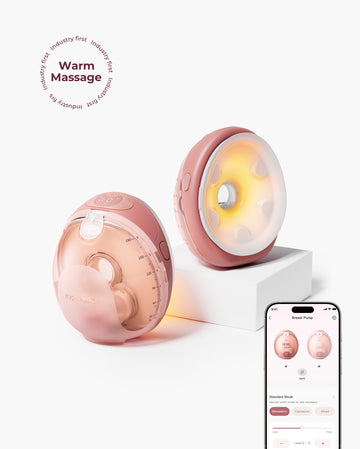
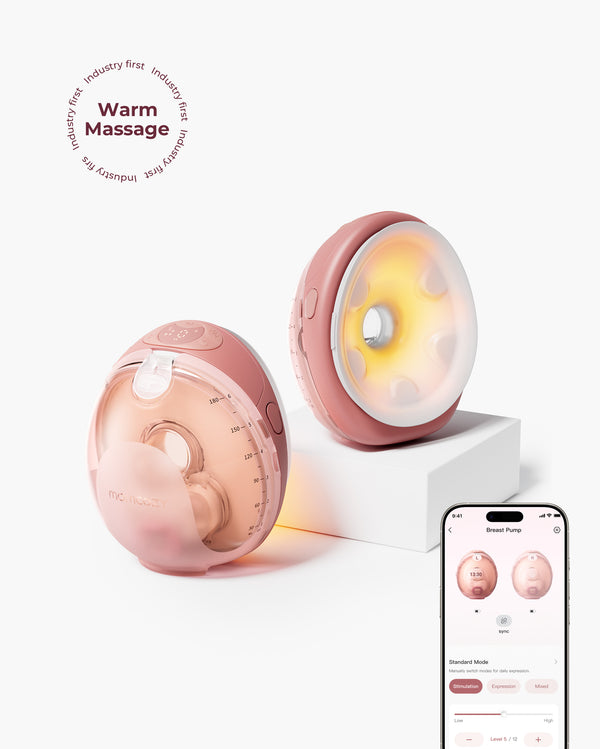
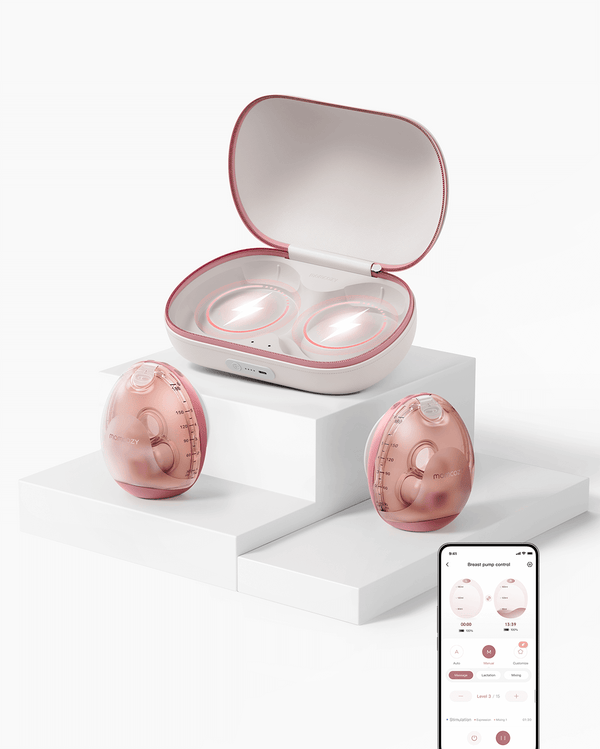
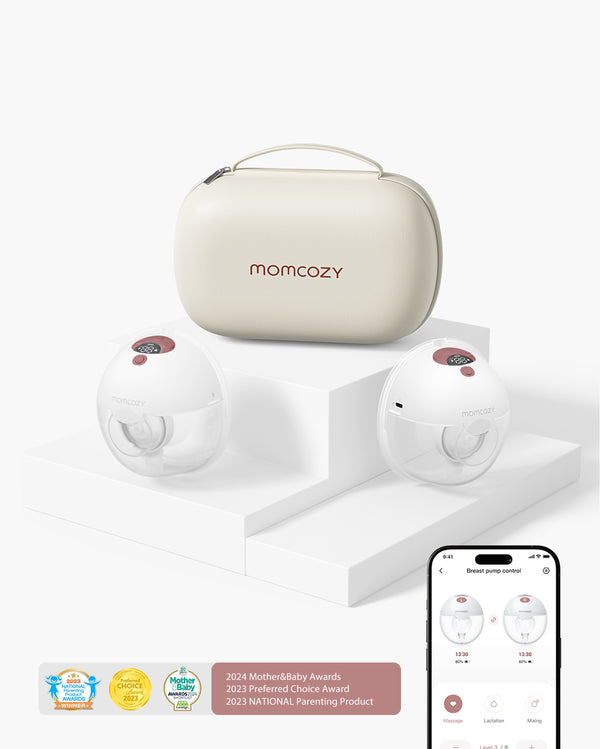
If you want to stay lying down and still hit the same sessions, Momcozy sells wearable breast pumps as optional scheduling tools. The Momcozy M5 Smart Wearable Breast Pump can run a usual-schedule session in bed and log ounces in the app if you like a record for later — logging is optional, not treatment. The Momcozy Air 1 Ultra-slim Breast Pump is a slim, no-heat cup, which some moms prefer when sitting up for a long pump feels impossible. After the fever is not making warmth miserable, the Momcozy Wellness 1 Warm-Massage Wearable Breast Pump can use warmth and a gentle rhythm as a comfort aid for let-down. Skip heat and massage modes if you are burning up or heat makes you feel worse. Use a comfortable suction and a flange that does not rub.
Member price
From$119.99
What Medicine Can You Take When Sick While Breastfeeding?
Short answer: many common medicines have a breastfeeding-compatible option, but you check the specific product — you do not follow a blog’s “absolutely safe” and “unsafe” catalogs. An earlier version of this page listed drugs that way. Those lists conflicted (the same antihistamine appeared in both camps) and overclaimed. Your pharmacist, OB-GYN, or pediatrician plus a database is the process.
Start with LactMed (U.S. National Library of Medicine) and, if you want a second consult line, InfantRisk. The Mayo Clinic overview of breastfeeding and medications is a readable companion, not a substitute for the label in your hand. This article does not prescribe, does not give milligrams, and does not tell you to stop a medicine your clinician started.
- Pain and fever: Acetaminophen and ibuprofen are frequently reviewed as compatible for many nursing parents. Still ask which one fits your history (stomach ulcers, kidney issues, other prescriptions).
- Cold and flu mixes: Prefer a single-ingredient product so you are not swallowing three drugs you did not need. Oral pseudoephedrine can lower milk supply in some people — that is a supply issue to raise with a pharmacist, not a DIY “never” or “always fine.”
- Antihistamines: Some cause drowsiness in you or, less often, in a baby. Older “Benadryl-type” products are a common example to ask about. Do not treat a brand name as banned because a blog said so.
- Prescription antivirals, antibiotics, or other drugs: CDC notes limited breastfeeding data for some flu antivirals and still discusses treatment because postpartum flu can be serious. That call belongs to the clinician treating you. Finish prescribed courses unless they tell you to stop.
- Herbals and “immune teas”: Evidence is often thin. Do not assume natural means compatible.

Should I Breastfeed If My Baby Is Sick?
Continue breastfeeding if the child is sick, unless your pediatrician has given a different plan. Antibodies in milk may help, and milk is still fluids and calories when a stuffed-up baby is working harder to feed. That may support recovery. It is not a guarantee of a shorter illness.
Does breast milk change when my baby is sick?
Milk is living food. Some research describes shifts in immune components when a baby is ill, including responses that involve the baby’s saliva at the breast. Treat that as a possible extra, not a magic upgrade you can measure at home. Comfort and hydration still count even if the science headline is oversold on social media.
How to breastfeed a sick baby
Keep offering the breast if latch still works — antibodies, calories, and comfort all still count. Use shorter, more frequent sessions if a stuffy nose makes long feeds exhausting, and sit more upright if that helps air move. If latching is too hard, expressed milk from a bottle, cup, or syringe still counts. Call the pediatrician — do not wait on a blog — if the baby is under 3 months with a fever, has fewer wet diapers, is lethargic, or cannot keep fluids down.
Are You More Likely to Get Sick While Breastfeeding?
Nursing does not, by itself, make you catch extra colds. Sleep loss, a newborn in close contact, and daycare germs do. If you keep getting sick while breastfeeding, think exposure and exhaustion first, not “milk is draining my immune system.” Persistent fatigue, extra bruising, or feeling unwell between every virus is a reason to ask your own clinician about iron, thyroid, or another issue — this page will not diagnose that. Milk also does not make you immune to every cold that walks through the door.
When to Call Your Doctor or the Pediatrician
Call your OB-GYN, family doctor, or urgent care if you cannot keep fluids down, you feel severely ill, breathing is hard, or you are not improving when you expected to. Call the pediatrician if the baby is under 3 months with a fever, has fewer wet diapers, is hard to wake, or will not feed. If a clinician told you to stop nursing for a specific infection or drug, get a lactation-aware second look before you wean overnight — some pauses are temporary, and pumping can protect supply in the meantime.
FAQ: Quick Answers to Common Questions
Is breastfeeding while sick safe?
Usually yes for a cold, flu, stomach bug, or COVID-19, with handwashing and a mask for respiratory illness. Milk is not how most of those germs travel. Rare exceptions belong with your clinician, not a generic blog list.
Can my baby get sick from me while breastfeeding?
A baby can catch your germ through close contact whether you nurse or not. Continuing to breastfeed is still the usual plan for ordinary illness because of antibodies and calories. Hygiene lowers droplet spread; it does not make you a guarantee.
Is it good to pump while sick?
Yes, it’s generally okay to pump while you're sick, and it can help you maintain milk supply if you are not breastfeeding directly. Stay hydrated, rest as much as you can, wash your hands before pumping, and clean pump parts. Hygiene also helps you avoid a painful, poorly drained breast while you are already miserable.
If a mom has an upset stomach, is it safe to breastfeed her baby?
Yes, it's generally appropriate for a mom with an upset stomach to breastfeed. Most mild indigestion, nausea, or diarrhea does not mean milk is unsafe. If you have a stomach virus, nursing is still commonly continued because antibodies in milk may offer the baby some protection. If you cannot keep fluids down, call your clinician for you.
What to take when sick while breastfeeding?
Ask a pharmacist or your clinician, then check the exact product in LactMed. Acetaminophen and ibuprofen are often discussed as options for pain and fever. Skip guessing at combo cold packs. This page does not name a dose.
Does breast milk change when my baby is sick?
It may shift in immune components, and it still offers comfort and fluids. It is not a guaranteed faster recovery.
Can I keep breastfeeding with COVID or the flu?
CDC guidance supports continuing milk feeds for both, with hand hygiene and a mask. If you are too sick to latch, express on your usual rhythm.
Is this page about pregnancy nausea or motion-sickness pills?
No. This article is for a breastfeeding parent who is ill (cold, flu, stomach bug, COVID). Pregnancy, weaning nausea, and motion-sickness medicines are different questions — ask your clinician and a pregnancy-safe drug reference.
Conclusion
Breastfeeding while sick is generally considered appropriate and can still be useful for both mother and baby. Antibodies in milk may help babies handle infections, and supply can often be maintained if milk keeps moving. Proper precautions — washing hands, wearing a mask if you can, and staying hydrated — let many moms keep nursing while they recover.
If you are too weak to breastfeed directly, expression and having someone else feed the baby is a solid alternative. Formula is acceptable if that is what gets calories in. Wearable pumps are optional tools for the clock, not treatments. Prioritize your health, and seek medical advice when red flags show up so you and your baby are both looked after.








