Starting a life as a new mom is both amazing and stressful for the body and mind. How do you deal if you come down with a cold, flu or virus when you have just welcomed your new baby? Mom sick with a newborn can make you think things can't get worse, especially since sleep deprivation and worry about giving germs to your baby are big problems. There is a positive side to all this. Many mothers recover within a short time and continue caring for their babies with some added support.
Should I Stay Away From My Newborn If I Have a Cold?
Completely staying away from your newborn is rarely necessary or practical, especially if you are breastfeeding. By the time your symptoms appear, your baby has likely already been exposed. More importantly, continuing to breastfeed actually helps protect your baby, as your body produces antibodies that pass through your milk.
That said, simple precautions go a long way. Wear a mask when holding or feeding your baby, wash your hands frequently, and avoid kissing your baby's face until you feel better. With the right hygiene habits in place, you can continue caring for your newborn safely while you recover.
Will My Newborn Catch a Cold from Me?
Although it may occur, there are no guarantees. Since their immune systems are not fully developed, breastfeeding is particularly beneficial. Washing your hands, covering your face, and avoiding close contact can lower the risk of spreading the virus.
How to Keep an Infant Healthy When Mom is Sick
Protecting your newborn is crucial when you are feeling unwell. Using some basic strategies and healthy habits can lower the risk of spreading disease and let you keep caring for those you look after.
It’s usually not possible to stay very far from your baby if you’re breastfeeding, but you can always be careful:
- If you have a cough or runny nose, make sure to put a mask on during times you are close to your newborn.
- Always wash your hands thoroughly before interacting with your baby's bottle or the parts of the breast pump.
- Do not kiss your baby’s face when you have symptoms.
- Cough or sneeze into a tissue and throw it away right away.
- Put a separate blanket on your chest if you are holding your baby to stop passing germs through your skin.
Always Sterilize or Clean Feeding Tools
Being sick means you should pay extra attention to cleaning your baby's things. Save yourself time and keep things tidy with the Momcozy KleanPal Pro Baby Bottle Washer, which uses heated steam to clean bottles, nipples, pacifiers, and pump pieces without requiring scrubbing.
Once the feeding is done, maintaining a germ-free environment is critical to stop the virus from spreading. The Momcozy DeepClean Baby Bottle Washer (D8) takes over the most exhausting chore by washing, sterilizing, and drying up to 8 bottles and pump parts in one automated cycle. Its high-pressure HydroJet technology and medical-grade sterilization eliminate 99.99% of bacteria and viruses, providing a level of hygiene that manual scrubbing can't reach. By automating these tasks, the D8 ensures your home stays safe and your recovery remains the top priority.
Breast Milk & Water
Large Capacity
Portable
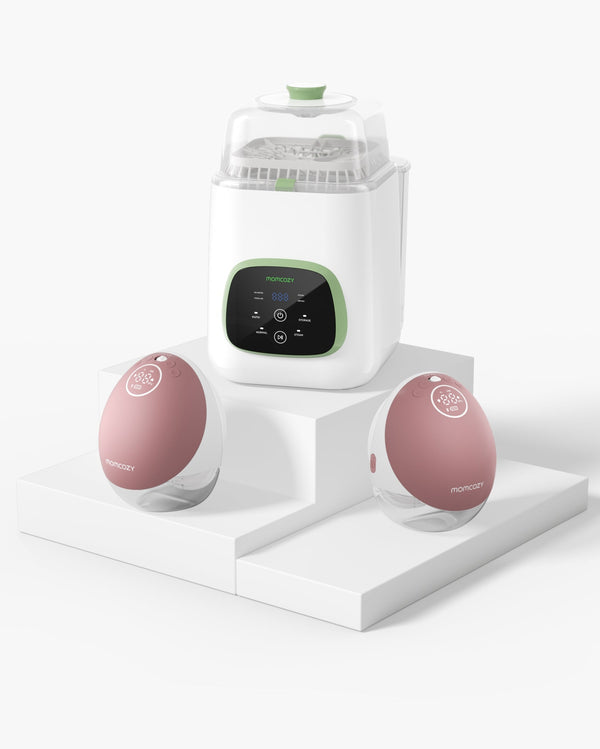
To further lighten your load while recovering, the Momcozy Night Pro Baby Bottle Warmer - Night Feeding is a must-have for your bedside. When you're feeling weak or feverish, the last thing you want is a complicated setup; the MW06 features the industry's first transparent water chamber for effortless filling and a soft nightlight that guides you through late-night feeds without straining your eyes. It warms milk in just 3 minutes while preserving 100% of the vital antibodies your sick body is producing, ensuring your baby stays nourished while you stay rested.
From $59.99 USD $79.99 USD
Fast Night & Day
One-Touch Ease
Smart & Safe
Easy Clean
Breast Milk & Water
Fast Heating
Long Battery
Don't forget about your baby's comfort during meal times. A baby high chair can make feeding easier and safer for both you and your little one.
5 Modes
Safety Design
Lifelong Use
Ease of Cleaning
Taking care of hygiene and having the right essentials can enable you to care for your baby, focus on yourself, and protect others from illness.
Can I Still Breastfeed When Sick?
Breast milk is safe to give, so it is usually fine to continue feeding while sick. Should you have a cold, stomach bug or very light flu, breastfeeding defends your baby against infection. That happens as your body creates antibodies to resist the illness, and these antibodies go to your baby by way of your milk. This boosts your baby's immune system and may stop them from getting ill.
In rare cases, a mother developing a serious condition (like HIV, tuberculosis or active herpes lesions on the breast) might also need to stop breastfeeding. If you are unsure, consult a healthcare expert.
Breastfeeding While Sick: What You Need to Know
Being sick as a breastfeeding mom brings up a lot of questions — and rightfully so. Beyond whether it's safe to nurse, many mothers wonder about medication, long-term health conditions, and when it might be necessary to pause breastfeeding altogether. Here's what you need to know.
Is it OK to take medicines while breastfeeding?
Yes, but not all medications are safe to take while breastfeeding, which is why checking with your doctor or pharmacist first is always the right move. Many common over-the-counter and prescription drugs are considered safe for breastfeeding mothers, but some can pass into breast milk in amounts that may affect your baby.
As a general rule, always use the lowest effective dose for the shortest time possible. Timing also matters — taking medication right after a feeding or before your baby's longest sleep stretch can help minimize the amount that reaches your milk. Never stop breastfeeding without consulting your healthcare provider first, as the benefits of breast milk often outweigh the risks of many commonly used medicines.
Following your healthcare provider's lead, here is a list of commonly recommended medicines that are generally safe for breastfeeding:
Pain Relievers
- Acetaminophen (Tylenol and generics)
- Ibuprofen (Advil and Motrin IB)
- Naproxen sodium (Aleve, Anaprox DS) — should only be used for a short time.
Antimicrobial Medications
- Fluconazole (Diflucan) — for fungal infections, as prescribed by your doctor
- Miconazole (Monistat 3 and Monistat 7) — use only a very small amount on the affected area
- Clotrimazole (Mycelex, Lotrimin AF) — for topical treatment only
- Penicillins such as amoxicillin and ampicillin
- Cephalexin (a cephalosporin antibiotic)
Antihistamines
- Loratadine (Claritin, Alavert)
- Fexofenadine (Allegra Allergy)
Decongestants
- Use pseudoephedrine (Sudafed, Zyrtec D) with caution, as it can reduce your milk supply.
- A saline nasal spray is a safe and effective medication-free option that helps clear congestion.
How about long-term medication?
If you're managing a chronic condition such as thyroid disease, high blood pressure, depression, or diabetes, breastfeeding is still often possible. Many long-term medications are compatible with nursing, though it depends on the specific drug, dose, and your baby's age and health.
Work closely with your doctor and your baby's pediatrician. They may be able to switch you to a breastfeeding-compatible alternative or adjust your dose. Never stop a prescribed medication on your own, as untreated conditions can also affect your ability to care for your baby.
Should I ever not breastfeed?
While breastfeeding is encouraged in most situations, there are specific circumstances where it may need to be paused or stopped entirely:
-
Certain infections: Mothers with HIV, active untreated tuberculosis, or active herpes lesions on the breast should not breastfeed until cleared by a doctor.
-
Certain medications: Some drugs, including certain chemotherapy agents, radioactive compounds, and a small number of psychiatric medications, are not safe while breastfeeding. Your doctor will advise on alternatives or whether a temporary pause is needed.
-
Substance use: Alcohol in large amounts, recreational drugs, and some herbal supplements can be harmful to a breastfeeding baby.
-
Serious illness: If you are too unwell to safely hold or feed your baby, pumping and storing milk can help maintain your supply while another caregiver feeds your baby.
If you are ever unsure, speak with your healthcare provider before stopping. In most cases, breastfeeding can safely continue.
Is It OK to Take Medicines While Breastfeeding?
Yes, but some drugs may not be safe to take when breastfeeding; that's why you should check with your doctor or pharmacist first. Besides looking for breastfeeding-friendly medicines, you can use many prescription and over-the-counter drugs
since they are safe for your baby.
Following your healthcare provider's lead, look over this list of commonly recommended medicines that are generally safe for breastfeeding. Although it may not cover everything, it shares several popular choices.
Pain Relievers
Acetaminophen (Tylenol and generics)
Ibuprofen (which includes the brand names Advil and Motrin IB)
Naproxen sodium (Aleve, Anaprox DS) — should only be used for a short time.
Antimicrobial Medications
- When you have a fungal infection, your doctor may prescribe fluconazole (Diflucan)
- Miconazole (in Monistat 3 and Monistat 7) — only use a very small amount on the affected area.
- Clotrimazole (Mycelex, Lotrimin AF) belongs to this group because it is made for topical (applied outside) treatment, and the recommended dose is small.
- Penicillins are, for example, amoxicillin and ampicillin.
- Taking antibiotics like cephalexin (a cephalosporin)
Antihistamines
- Loratadine (uses Claritin, Alavert)
- Fexofenadine (Allegra Allergy)
Decongestants
- Be cautious when using pseudoephedrine (Sudafed, Zyrtec D), as it can reduce your milk supply.
- A saline nasal spray is a safe and effective option, as it involves no medications and helps clear congestion.
What if I Have to Go Into the Hospital?
Hospitals are able to support breastfeeding by assisting you with pumping and storing your milk, or they allow your baby to visit the hospital and feed if supervised.
Whenever a break from feeding is required, expressing milk every few hours helps maintain a healthy milk supply and reduces the risk of engorgement or mastitis. Consider seeking assistance from an experienced partner to help with caring for your baby and feeding them expressed milk whenever possible.
How to feed the baby while in the hospital?
When you’re ill and don’t want to touch your baby during feeding, or would like a safer way to feed while in the hospital, these products are very useful.
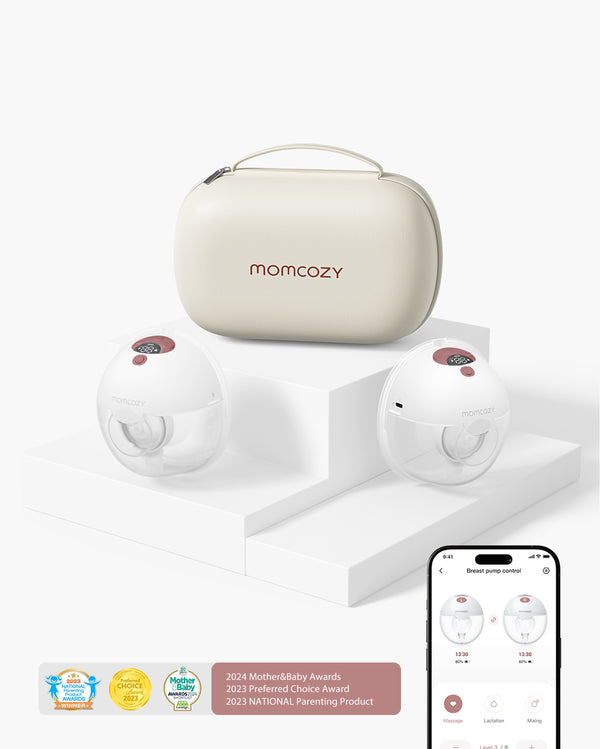
- The Momcozy M5 Smart Wearable Breast Pump is useful for moms because it is small, hands-free, fitting their recovery needs perfectly. Upgraded with a smart phone app, the best-selling Momcozy M5 Smart makes it easy to track your milk and manage your pumping session from anywhere.
Don’t forget to check M5 Smart’s exclusive deals during their Momcozy Prime Day event!
- While recovering in the hospital, moms can rely on the Momcozy M9 Mobile Flow for a light, comfortable, hands-free pumping experience that supports effortless milk expression.
Comfort Fit
Steady Output
Hands-Free Freedom
Easy App Control
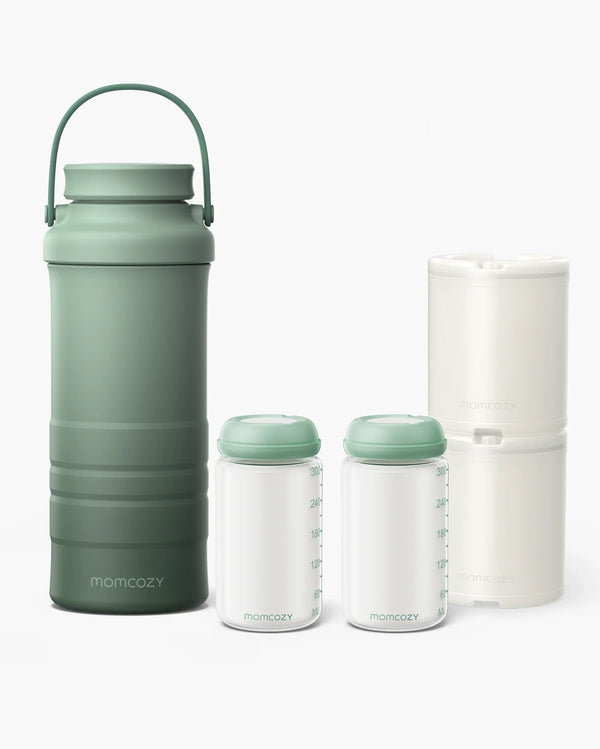
- A Portable Breast Milk Cooler for Outdoor Use: This helps you keep breast milk safely stored while you are separated from your little one outdoors. Whether it’s in your diaper bag or stroller, our leak-proof & safe design prevents messy spills. Beyond convenience, Momcozy breast milk cooler is made from safe, food-grade materials to protect your "liquid gold" .
Breast Milk & Water
Large Capacity
Portable
-
Superfast Portable Breast Milk & Water Warmer: Ensure your milk is at the right temperature without having to get up or wait for a kettle.
From $59.99 USD $79.99 USD
Fast Night & Day
One-Touch Ease
Smart & Safe
Easy Clean
Breast Milk & Water
Fast Heating
Long Battery
When to Call the Doctor
When you feel overly unwell, or your illness isn't going away, never hesitate to call your doctor as soon as possible. Visiting a doctor is common when people have:
- A temperature that rises above 101°F(38.3°C)
- Difficulty breathing
- (Dehydration may occur as a result of) vomiting or diarrhea
- After three or four days, the fever persists, or the symptoms worsen.
Likewise, arrange a call to your baby’s doctor if you believe your infant is sick, for example, if you note:
- Trouble feeding
- Babies under 3 months old should have their fever checked if it reaches 100.4°F (38°C).
- Sleeping or fidgeting much more than usual
- Vomiting, having diarrhea or difficulty breathing
Should I Breastfeed My Sick Infant?
Yes, it is OK and indeed encouraged to continue breastfeeding a child who is under the weather unless there is a particular feeding restriction. Hydration, nutrients and immune-boosting properties in breast milk assist your baby in getting better.
A gentle feeding session can be very calming for your baby if they have a mild cold or fever. Keep feeding your baby from the breast regularly, whether they seem eager for it or not. Opting for multiple small meals may be simpler than giving your baby one large meal.
What If My Infant Seems Too Unwell to Breastfeed
If your child is not able to breastfeed because of congestion, exhaustion or weakness, you can do the following:
- Before starting a feeding, use a nasal aspirator or saline solution to clear the nose.
- Give your baby formula through a bottle, syringe or cup if they can’t use the breast like a nurse feeds one.
- Place your baby skin-to-skin to help calm them and get them to suckle.
- Changes to your baby’s wet diapers and dehydration signs should prompt you to contact your pediatrician.
How to Care for Your Sick Infant
Having a sick baby is emotionally exhausting, and it can be much worse if you are ill. This is how you can handle both:
- Ensure the baby is drinking breast milk or formula on a regular schedule. If you are told to do so by your pediatrician, give your child a few sips of electrolyte solution for diarrhea.
- A simple way to open your airways is to use a cool-mist humidifier.
- Use a reliable digital thermometer to check the temperature inside the fridge.
- Keep the baby relaxed by ensuring their room is not too loud or busy.
- You should call the doctor if your symptoms persist or worsen.
Remember that your presence, touch and kind words help your child even if you don’t feel great. When you’re feeling under the weather and need to take care of your baby, a lightweight stroller can be incredibly helpful for giving you the flexibility to move around while keeping your baby secure. Whether it’s for a short walk to get fresh air or just to transport them comfortably around the house, having a reliable stroller can reduce the stress of managing multiple tasks
FAQ
Can I take care of my baby if I'm sick?
Yes, please ensure cleanliness. Put on a mask when you cough or sneeze, and feel free to request assistance with diapering, feeding, or soothing your baby. Pausing during the workout allows your muscles to rest.
What happens to a newborn baby if the mother has a fever?
If you have a fever but your condition is stable, take care of your baby with extra caution. If your body temperature is extremely high or you have serious symptoms (such as trouble breathing or fainting), you should get medical help right away. Your baby might not get affected by this, but keep an eye on them and tell their doctor if you observe anything unusual.
Can I hold my newborn if I'm sick?
Yes, you can still hold your newborn when you are sick. Just take basic precautions, wear a mask, wash your hands thoroughly before picking them up, and avoid touching your face. Physical closeness and skin-to-skin contact are still beneficial for your baby's comfort and development.
Can a newborn survive a common cold?
Yes, most newborns recover from a common cold without complications. However, because their immune systems are still developing, colds can sometimes feel more serious in young babies. Watch for warning signs like difficulty breathing, high fever, trouble feeding, or unusual lethargy, and contact your pediatrician if you are concerned.
Are newborns protected from getting sick?
Newborns have some natural protection passed from their mother during pregnancy through antibodies in the womb. Breastfeeding further strengthens this protection by delivering additional antibodies through breast milk. However, their immune systems are still immature, so they remain vulnerable, especially in the first few months of life.
Can a cold be passed through breast milk?
No, the cold virus itself cannot be passed through breast milk. In fact, the opposite is true: breastfeeding while sick helps protect your baby by transferring antibodies your body is producing to fight the illness.
When do newborns usually get their first cold?
Most babies get their first cold between 2 and 6 months of age, though it can happen earlier, particularly if they have older siblings or are exposed to groups of people. On average, babies and young children can experience up to 8 to 10 colds in their first year of life.
Conclusion
Even if you are sick, taking precautions and having support can help you care for your baby safely and recover. Know that you are not expected to face all of these things by yourself. Get advice when you're uncertain, speak to your health provider and rely on what your body tells you. Being sick in life is only temporary, but the care you give always makes a positive impression. It's most important to be lenient with yourself. You are still a great mother, whether the day is easy or not.