


A bulb syringe, sometimes called a snot bulb or suction bulb, can help remove nasal mucus when a baby is too young to blow their nose. Compared with other baby nasal aspirators, a traditional bulb depends on one hand sequence: squeeze before the tip touches the nostril, then let the bulb reopen slowly. A good session uses a shallow seal, a slow release, a short pause between attempts, and careful cleaning afterward. Thick mucus may need plain infant-safe saline first. If breathing, feeding, or color changes become concerning, stop home suction and contact your baby’s healthcare professional.
Key Takeaways
- Squeeze all air from the bulb before it touches the nostril, then release slowly so mucus moves into the bulb.
- Use suction when nasal mucus is affecting feeding, sleep, or comfort; unfamiliar newborn sounds alone may not mean removable congestion.
- Plain infant-safe saline may loosen thick mucus before suction, while thin mucus at the nostril opening may need only gentle wiping.
- Stop for bleeding, persistent distress, color change, or breathing difficulty, and seek medical help instead of repeating the procedure.
- Wash the inside of the bulb after each use, rinse it well, and let it drain and air-dry fully before storage.
What Is a Bulb Syringe, and When Is It Useful?
A bulb syringe is a small rubber suction tool with a narrow tip. Squeezing the bulb pushes air out; slowly releasing your grip lets the bulb expand and draw nearby mucus into the chamber. This squeeze-and-release action is what creates suction.
It is most useful when nasal mucus is affecting feeding, sleep, or comfort. A noisy newborn may still have clear nasal passages, so sound alone is a weak reason to suction. The broader decision about when and how often to use a nasal aspirator depends on symptoms and whether suction actually helps.

Before You Start: Choose the Right Moment and Prepare
Gather a clean bulb, tissues, handwashing supplies, and plain infant-safe saline if your baby’s clinician or product directions support it. Check for cracks, residue, trapped water, or trouble expanding after the bulb is squeezed.
Choose a stable, well-lit place and prepare everything before positioning your baby. When congestion is making feeding harder, Nationwide Children’s recommends suctioning before a feed while the nose is stuffy. CHKD also notes that suctioning too soon after eating or drinking may cause vomiting.
How to Use a Bulb Syringe on a Baby’s Nose: Step by Step
- Wash and dry your hands, then inspect the bulb and tip.
- Soften thick mucus if needed. Use plain infant-safe saline only as directed and allow time for the mucus to loosen.
- Squeeze the bulb fully before it touches the nostril. This pushes the air out first.
- Place only the tip at the nostril opening to create a gentle seal. Do not push it deep into the nasal passage.
- Release the bulb slowly so it reopens and draws reachable mucus into the chamber.
- Remove the bulb before emptying it, then squeeze the mucus onto a tissue away from your baby.
- Pause before trying again so your baby has time to breathe and settle.
- Repeat on the other nostril only if needed, then gently wipe away mucus around the nose.
If the bulb does not reinflate, remove it instead of pushing deeper. CHKD explains that a collapsed bulb may mean the tip is resting against nasal tissue or blocked by thick mucus. The same safety principle applies when learning how to suction your baby’s stuffy nose safely: keep placement shallow and stop when the attempt is no longer helping.
Using a Bulb Syringe on a Newborn: What Changes?
Newborns have small, sensitive nasal passages, and normal snorts or grunts can be mistaken for blockage. Follow the bulb’s age guidance and your pediatrician’s advice, especially for premature babies, babies recently discharged from care, or babies with feeding or breathing concerns.
Keep the tip at the nostril entrance and avoid repeated attempts when little mucus appears and your baby is comfortable. Clinical suction around birth does not create a routine home-care schedule; individualized discharge instructions take priority.

Saline Before Suction: When Mucus Is Thick or Dry
Plain saline can add moisture to thick or dry mucus and make it easier to remove. Cincinnati Children’s also notes that saline can loosen mucus before bulb suction. Thin mucus already sitting at the nostril opening may need only gentle wiping.
When you use saline drops before a newborn nasal aspirator, follow the product or pediatric directions for the exact solution and amount. Avoid medicated drops or homemade recipes unless your baby’s healthcare professional specifically recommends them.
Bulb Syringe Troubleshooting Table
| What Happens | Likely Explanation | Safer Next Step |
|---|---|---|
| The bulb does not reinflate | The tip may be against nasal tissue, or thick mucus may block the opening. | Remove the bulb, clean the tip, soften thick mucus if appropriate, and retry only if still needed. |
| No mucus comes out | The sound may not come from removable mucus, the seal may be weak, or mucus may be too thick. | Reassess visible blockage and comfort; do not push deeper or repeat forcefully. |
| Mucus moves back toward the tip | The bulb may have been squeezed before removal or emptied too late. | Remove it from the nostril before squeezing the contents onto a tissue. |
| Baby coughs, gags, or spits up | The session may be too close to a feed, or suction may trigger a protective reflex. | Stop, let your baby recover, and seek help if breathing or color looks abnormal. |
| The bulb smells, shows residue, or stays wet | The chamber may not have been rinsed or dried fully. | Clean and dry it completely before reuse; replace it if cleanliness cannot be confirmed. |
| Repeated attempts still do not help | Another care approach or medical assessment may be needed. | Stop increasing suction and contact a pediatric professional if feeding or breathing remains affected. |
Problems such as a bulb that stays collapsed or repeated attempts that produce little mucus can reflect blockage, tip position, mucus consistency, or congestion the bulb cannot reach. Increasing depth or force is not the next troubleshooting step.
When a Baby Resists the Bulb
A moving or upset baby makes shallow placement harder to control. Prepare first, keep the attempt brief, speak calmly, pause between nostrils, and ask another caregiver for gentle support when needed.
If every attempt becomes a struggle, stop and ask a clinician to demonstrate the technique. Do not increase force or push the tip farther inside.
Cleaning and Drying the Bulb After Use
Draw warm soapy water into the bulb and squeeze it out away from clean rinse water. Repeat with clean water according to the manufacturer’s directions, then let the bulb drain and air-dry fully before storage. Both Nationwide Children’s bulb-cleaning instructions and CHKD describe cleaning the inside of the bulb with soapy water and rinsing it thoroughly.
Boiling, bleach, alcohol, dishwasher use, and replacement timing vary by material and manufacturer. Follow the directions for your exact bulb, and replace it if the inside stays wet or cannot be cleaned as directed.
When a Bulb Is Not the Right Tool
A bulb is simple and portable. Another design may fit better when caregivers want powered suction, adjustable control, easier access to mucus-contact parts, or a collection area that is easier to inspect.
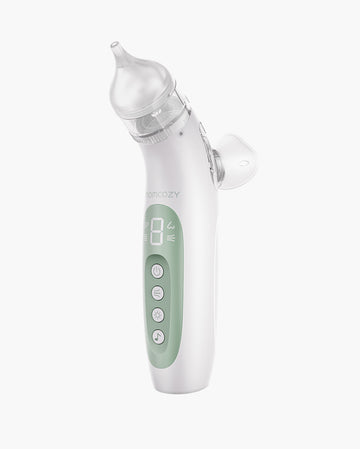
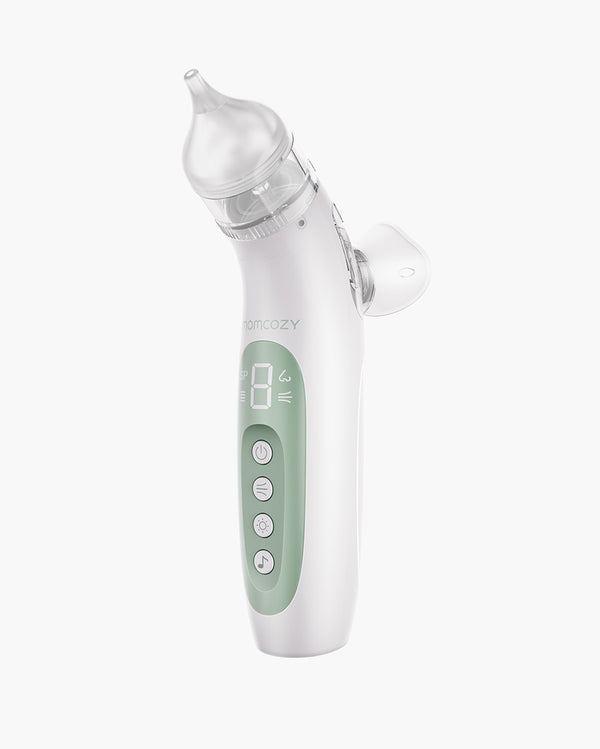
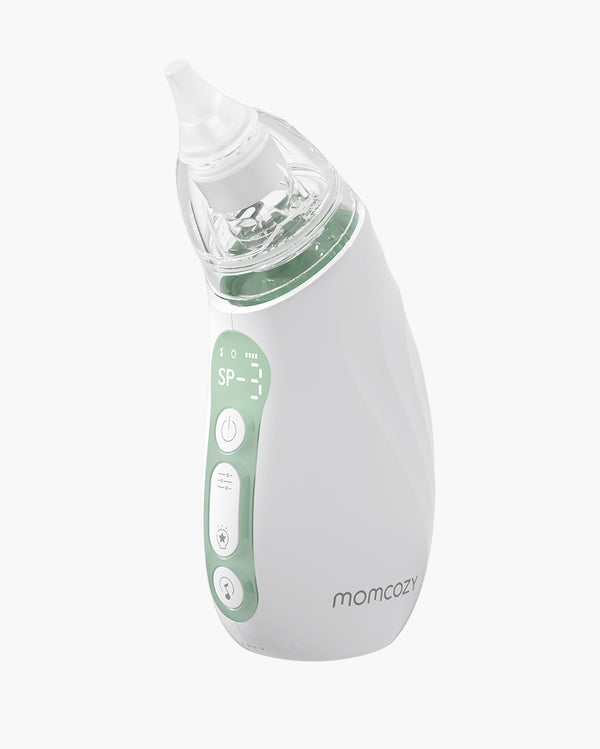
Electric and manual nasal aspirators create suction differently, while bulb, oral, and electric designs also differ in cleaning, control, and setup. For caregivers who decide a mist-first, adjustable electric option fits their routine, the Momcozy BreezyClear™ 2-in-1 Spray & Suction Electric Nasal Aspirator combines mist with four suction levels. Current product guidance says it is designed for ages 2–12; for children under 2, use gently under pediatric guidance.
Member price
$44.99$49.99
Mouth Suction, Choking, and Other Boundaries
Some hospital discharge plans include mouth suction for specific babies. Those instructions are separate from routine nose clearing and should be taught directly by the clinical team. CHKD, for example, discusses mouth suction within its own clinical instructions, including children whose care needs go beyond simple nasal congestion.
Do not improvise suction in the center or back of the mouth or throat. A bulb syringe is also not a choking-response tool. Blue or gray lips, face, or tongue and serious breathing difficulty are signs that need emergency assessment rather than another nasal suction attempt.
When to Stop and Call the Pediatrician
Stop suction for bleeding, increasing swelling, unusual distress, repeated unproductive attempts, or worsening breathing. Fast or labored breathing, chest retractions, blue or gray lips or face, a marked feeding decline, fewer wet diapers, unusual sleepiness, or fever in a young infant need prompt medical assessment. The American Academy of Pediatrics also lists breathing difficulty, color changes, reduced activity, and dehydration among important warning signs in infants with respiratory illness.
A bulb can remove reachable nasal mucus. It cannot diagnose or treat bronchiolitis, pneumonia, reflux, allergy, or another underlying cause. When symptoms extend beyond a stuffy nose, baby congestion and pediatrician-backed relief becomes part of a wider care decision.
FAQs About Using a Bulb Syringe on a Baby
Can I Use the Same Bulb for Siblings?
Follow the product and clinician instructions. CHKD specifically recommends a separate bulb for each child because the device contacts mucus and may be difficult to inspect inside.
How Do I Know the Bulb Created Suction?
The bulb should expand after you release it, and mucus or fluid may collect inside. If it stays collapsed, remove it and check whether the tip is touching tissue or blocked by mucus.
Can a Bulb Syringe Be Used in a Baby’s Ear?
Infant nasal bulbs should not be repurposed for ear irrigation unless a healthcare professional gives specific instructions. Ear care has different risks and techniques from clearing nasal mucus.
Should I Cut Open a Bulb to Check for Mold?
Do not alter a bulb you plan to reuse. If you cannot confirm that it is clean and dry according to the manufacturer’s directions, replacement is the safer choice.
Can I Use the Bulb While My Baby Is Asleep?
Choose a safely supported moment when you can see the nostril and control the tip. Sudden movement can change placement, so avoid forcing the procedure.
What if the Mucus Seems Too Deep for the Bulb?
Do not insert the tip deeper or try to suction the throat. CHKD notes that mucus too far back for a bulb may require assessment and different suction performed by trained clinical staff.
Conclusion: Gentle Technique Beats Repeated Attempts
A bulb syringe works best with a simple sequence: squeeze before placement, make a shallow seal, release slowly, remove before emptying, pause, then clean and dry the bulb. Judge success by whether your baby seems more comfortable or functions better, rather than by how much mucus comes out. Caregivers comparing bulb, manual, and electric formats can choose from baby nasal aspirator options based on control, cleaning, and everyday fit.








