mAfter that torturous new-born phase, you've finally built a bedtime routine for your baby at six months. It now sleeps for longer stretches. But then at this time, your baby seems to forget how to sleep all of a sudden. Your once-stellar sleeper now wakes every two hours, fights naps, and seems impossible to settle. That’s the 6-month sleep regression—a frustrating but completely normal phase driven by the baby’s rapid brain development.
But what triggers this sleep disruption? And as parents, what should we do? Here’s what you need to know.
Key Takeaways
| Topic |
Key Information |
| Duration |
2-6 weeks (most babies improve within 3-4 weeks) |
| Main Causes |
Brain development for new skills (rolling, sitting), longer sleep cycles, increased environmental awareness |
| Common Signs |
Waking every 2-3 hours, shorter naps (under 45 min), increased fussiness, practicing skills in crib |
| Best Strategies |
Consistent routines, 2-3 hour wake windows, dark/cool room with white noise, practice skills during daytime |
| When to Get Help |
Problems last 6+ weeks, signs of pain, breathing issues, excessive tiredness despite sleep |
What Is a Sleep Regression?
A sleep regression is a period when a baby or toddler, who used to sleep well, suddenly experiences frequent waking during the night, difficulty falling asleep, shorter naps, or changes in bedtime behavior.
While many parents may worry about this, it's actually common and normal, and definitely not a step backward.
Sleep regressions signify developmental leaps in your baby. Around six months, your baby’s brain is reorganized in a big way as new paths are formed to help with skills like rolling and sitting up during their first six months of life.
As pediatric sleep specialists at Children's Health explain, during the first year of life, your child's brain develops quickly, and those rapid changes directly affect their sleep patterns. This brain activity changes your baby's sleep for a short time, making things as chaotic as you're feeling.
It’s like your baby's brain is installing a major software update, but it needs several restarts to work properly.
How Much Sleep Does a 6-Month-Old Actually Need?
Total: 12-15 hours in each 24-hour period
This typically breaks down to:
- 10-11 hours at night
- 3-4 hours during the day (spread across 2-3 naps)
Every baby is different—some do well with 12 hours while others need closer to 15 hours to feel good.
Wake Windows Matter Too
Wake windows—how long your baby stays awake between naps—are just as important as total sleep hours. At six months, most babies handle 2-3 hours of awake time.
- Too short (under 2 hours) → Baby isn't tired enough and resists sleep
- Too long (over 3 hours) → Baby gets overtired, triggering stress hormones that make settling nearly impossible
Watch Your Baby, Not the Clock
Look for specific sleepy signs:
- Yawning
- Rubbing eyes
- Slowing down
- Getting fussy
These signals tell you when your baby is ready to sleep—sometimes before the clock says so.
How Does Infant Sleep Change Around 6 Months?
Sleep Cycles Get Longer
Newborns cycle between light and deep sleep every 50-60 minutes. By six months, these cycles stretch to 90 minutes and start looking more like adult sleep. Your baby spends more time in REM sleep—when the brain processes new information and stores memories of all those new skills they're learning.
More Wake-Up Opportunities
Longer sleep cycles mean more chances to briefly wake up between cycles. Babies who used to smoothly move from one cycle to the next now surface briefly and may need help connecting cycles. If your baby hasn't learned to self-soothe, each cycle change becomes a full wake-up that needs you.
They Notice Everything Now
Your six-month-old is more aware of their surroundings. They now notice sounds, lights, and movements that wouldn't have bothered them a month ago. This increased awareness makes sleep more fragile.
What Are the Signs of a 6-Month Sleep Regression?
Sleep regression looks different in every baby, but you'll often see these patterns:
- Waking up more at night—your baby who slept 6-8 hours now wakes every 2-3 hours
- Can't fall asleep even though they're clearly tired
- Shorter naps—45 minutes or less instead of 1-2 hours
- More fussiness and crying, especially at bedtime
-
Waking up too early—suddenly awake at 5:00 AM instead of 7:00 AM
- Practicing new skills in the crib (rolling, sitting) instead of sleeping
The key sign: These problems start suddenly. If your baby gradually becomes a worse sleeper over weeks or months, you're probably dealing with a habit or schedule issue, not developmental regression.
Do All Babies Have a 6-Month Sleep Regression?
No, not every baby, but the proportion can’t be ignored, either.
According to WILEY’s research in 2022, around 15% of 6-month-olds have sleep problems.
And according to a survey of nearly 15,000 families conducted by ParentData, fewer than 10% of babies of 4-6 months sleep through the night consistently.
In other words, if your baby is struggling with sleep right now, you're far from alone.
The Great Debate: Is It Regression, Teething, or Separation Anxiety?
All three commonly happen around six months, making it hard to tell them apart. Here's how to identify each:
Teething Signs
- Excessive drooling
- Swollen gums
- Chewing on hands
- Low-grade fever
If you see these symptoms alongside sleep problems, teething is likely part of the issue.
Separation Anxiety Signs
This emerges between 6-8 months as babies learn that people still exist even when out of sight. Look for:
- Clings during wake times
- Cries when you leave the room
- Gets upset specifically when you leave at bedtime
Sleep regression, by contrast, affects all sleep times whether you're there or not.
The Reality: Often All Three at Once
Your baby might be teething, developing separation anxiety, AND going through developmental changes simultaneously. Handle each issue differently:
- Teething → Pain relief
- Anxiety → Extra reassurance
- Regression → Consistent sleep routines
Don't expect just one cause—it's usually a combination.
What Causes a 6-Month Sleep Regression?
Physical Development
Babies are mastering rolling from back to front and front to back. Many practice these new skills enthusiastically in their cribs—even at night—waking themselves up in the process.
Brain Growth
Your baby's brain is working overtime. They're fascinated by cause and effect, object permanence, and how things relate in space. This mental activity continues during sleep, causing frequent wake-ups. The brain's motor planning areas also activate as your baby prepares to sit independently and start crawling, creating extra noise that disrupts rest.
Changing Food Needs
Some six-month-olds start eating solid foods, which temporarily affects hunger signals and digestion. Others stick with breast milk or formula but need different feeding schedules as their metabolism changes.
Stronger Sleep Associations
The specific conditions your baby connects with falling asleep—like rocking, feeding, or your presence—become more deeply rooted at this age. Any change to these routines becomes more disruptive than before.
How Long Does the 6-Month Sleep Regression Last?
Typically 2-6 weeks, with most babies improving within 3-4 weeks.
Some lucky parents see better sleep within days, while others deal with disruptions for two months. How long it lasts depends on your baby's temperament, how quickly they master new skills, and how you handle the situation.
Babies who quickly get the hang of rolling and sitting move through regression faster. Once these movements become automatic, brain activity settles and sleep improves. Your consistency helps too—babies adapt faster when routines stay stable despite the chaos.
If problems persist beyond six weeks, something else is likely going on. Overtiredness, wrong schedule, environmental issues, or newly formed bad habits might be keeping the problem alive even after the developmental leap finishes.
What Can I Do If My 6-Month-Old Won't Sleep?
6 Tips to Handle 6-Month-Old Sleep Issues and Regressions
| Tip |
Why It Helps |
What to Try |
| Follow an age-appropriate sleep schedule |
Prevents overtiredness and bedtime battles |
3 naps daily: two 60-minute naps plus one 30-45 minute power nap |
| Aim for 2-3 hour wake windows |
Helps baby fall asleep easily and stay asleep longer |
2 hours before first nap, 2.5-3 hours before bedtime |
| Focus on independent sleep skills |
Babies learn to connect sleep cycles alone |
Put baby down drowsy but awake; use gentle sleep training methods |
| Keep sleep space dark, cool, and quiet |
Calm environment supports deeper sleep |
Room at 68-72°F, blackout curtains, white noise machine
|
| Set a regular wakeup time |
Regulates body clock and improves overall sleep |
Same 30-minute window daily, even on weekends |
| Use breathable sleep clothing |
Prevents overheating and allows movement |
Bamboo sleep sacks with 1.5 TOG rating and hip-friendly design |
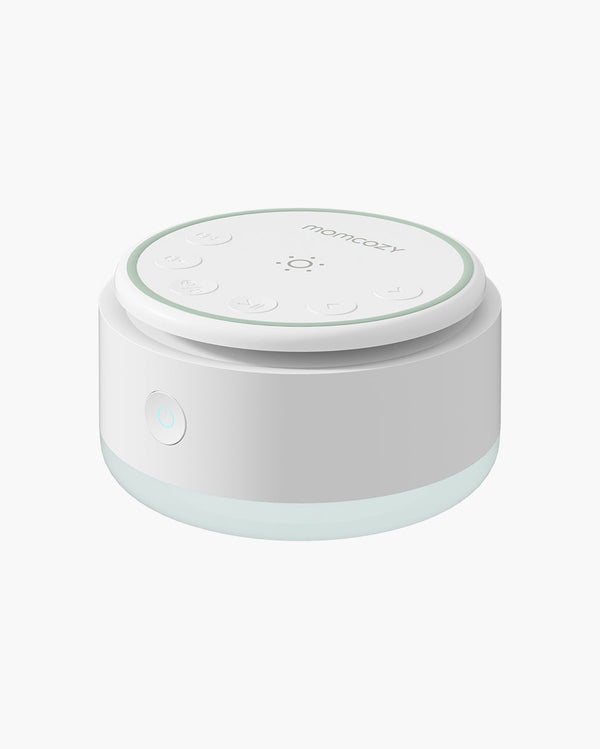
Long Battery
Portable
20 Hi-Fi Sounds
Child Lock
Tip #1: Follow an age-appropriate sleep schedule
It takes some experimenting to find the right nap schedule. If your baby takes more than four short naps, they might not be tired enough at bedtime. If your kids are only taking two naps and are grumpy all afternoon, they might not be ready for that change yet. Pay attention to your baby's individual signs of tiredness—some show it after an hour of activity, while others can go on for a while longer.
Tip #2: Aim for 2-3 hour wake windows
As the day goes on, wake windows get longer. Your baby's first wake window (after waking up in the morning) is usually the smallest, and the one before bedtime is the longest. If your baby resists going to bed, try adding 15 minutes to the time they are supposed to be awake before bed. On the other hand, if they're fussy before their nap, shorten the time they were awake before their nap.
Tip #3: Focus on independent sleep skills
This isn't about letting your baby cry by themselves. Begin slowly: put your baby in the crib after your bedtime routine when they are calm but not asleep. Stay close, gently pat them or shush them, and then slowly back away over the course of a few nights. Some kids take longer than others—this is about helping them gain confidence, not making them do it on their own.
Tip #4: Keep sleep space dark, cool, and quiet
Your baby's natural sleep hormone is melatonin, which is produced when it is dark. Even a little bit of light from the street or the doorway can mess things up. White noise should be steady and at a safe volume (about 50 decibels), not so loud that it damages hearing but loud enough to cover up sudden sounds like barking dogs or closing doors.
Tip #5: Set a regular wakeup time
This might seem like the wrong thing to do when you're tired, but it's the foundation of good sleep. If your baby wakes up at 7:00 AM on Monday but you let them sleep until 9:00 AM on Tuesday after a rough night, their whole schedule shifts two hours later. By Wednesday, bedtime becomes a battle. Being consistent is important; even an extra half hour of sleep in the morning can mess up the entire day.
Tip #6: Use breathable sleep clothing
Your baby needs clothes that won't restrict their movement now that they're rolling and getting around more. Avoid anything tight on the hips or legs. The Momcozy Sleep Sack is made so that your baby's legs can move naturally, which is important for healthy hip development. The snug upper part of the sack also makes sure that the fabric doesn't slide up over your baby's face. The bamboo fabric also wicks moisture, so if your baby sweats while they're practicing new skills during active sleep times, they'll stay comfortable.
Two-Step Easy
Quiet Velcro
Quick-Bottom-Zip Design
Quick Diaper Changes
Soft Bamboo Fabric
Snap-Fit Design for Growing Baby
Two-Way Zipper
Easy Diaper Changes
Soft Bamboo Fabric
Should You Sleep Train Your 6-Month-Old?
Yes, but wait until the regression passes first.
Six months is developmentally appropriate for sleep training—babies can sleep longer without feeding and have the brain capacity to learn self-soothing. However, starting during active regression is counterproductive.
Why wait?
Before bedtime routines begin, a few minutes of gentle rocking in a infant swing can help baby transition from active play to a calmer state—just remember to always move them to a firm, flat crib for actual sleep.
During regression, your baby's night wakings come from real brain development, not bad habits. Sleep training now creates confusion—you're asking them to ignore genuine developmental disruptions. This usually backfires.
The better approach:
Wait 2-3 weeks for the intense regression period to pass. If sleep problems persist beyond a month, then begin gentle sleep training. By then, you can tell the difference between developmental wake-ups (resolved) and habit-based wake-ups (trainable).
Choose your method:
-
Gradual: "Pick up, put down" or chair method (gentler, slower)
-
Structured: Graduated extinction with timed check-ins (faster, requires consistency)
Success depends on consistent implementation, not which method you pick.
Before you start:
Ensure your baby is healthy, well-fed, and sleeping in a safe environment. Transition from restrictive swaddles to sleep solutions that support mobility, like breathable sleep sacks that allow natural movement while keeping them secure.
Can I Let My 6-Month-Old 'Cry It Out' During a Sleep Regression?
No, avoid strict cry-it-out during active regression.
Your baby's increased wakings come from real brain development, not bad habits. Asking them to cry through genuine developmental disruptions creates unnecessary stress for everyone.
If you've already sleep trained and regression undoes your progress, use a modified approach. Check for real needs first, then let them resettle independently.
Most experts recommend waiting 2-3 weeks until regression stabilizes before starting new sleep training. If you must intervene now, gentler methods like graduated extinction work better. Your baby's brain is working overtime—once things settle, they'll be ready to learn.
Consistency Vs. Comfort: Should I Let My Baby Sleep in My Bed During a Regression?
It depends on your family, but know the tradeoffs.
Bed-sharing provides immediate relief—everyone sleeps more—but babies quickly adapt and may resist returning to their crib later. If you choose this route, follow safe sleep guidelines: firm mattress, no pillows or blankets near baby, back sleeping only, and no impaired adults in bed.
Better compromises include moving the crib into your room temporarily or sleeping on a mattress in their room. You stay close for quick responses without teaching them they can only sleep in your bed. Whatever you choose, stick with it consistently. Switching back and forth just confuses everyone.
When to Talk to a Doctor
Most 6-month sleep regressions resolve on their own, but contact your pediatrician when:
Your baby’s sleep problems last beyond six weeks. This shows that the issue goes beyond normal regression into potential sleep disorder territory.
Your baby shows signs of pain during sleep—arching back, screaming as if hurt, or refusing to lie flat. These could indicate reflux, ear infection, or other medical issues.
You notice your baby’s breathing difficulties. Like loud snoring, gasping, or long pauses between breaths. These require urgent evaluation for possible sleep apnea or airway blockage.
Your baby seems exhausted despite sleeping—constantly rubbing eyes, yawning excessively, or showing developmental delays. Underlying conditions like anemia can masquerade as normal sleep problems.
Also, trust your instincts. You know your baby best. If something feels wrong beyond typical regression, get professional guidance for peace of mind.
Self-Care Tips for Tired Parents
Sleep regression is exhausting. Protect your own wellbeing with these strategies:
-
Sleep when your baby sleeps. Thirty minutes of rest during naptime matters more than a clean kitchen. Ignore the housework—it can wait.
-
Share nighttime duties. Alternate nights or split shifts with your partner so each parent gets consolidated sleep. If breastfeeding, your partner handles diaper changes and settling while you rest.
-
Accept help. Let family and friends watch your baby so you can nap, shower, or simply breathe.
-
Eat and hydrate. Sleep-deprived parents skip meals and rely on coffee and sugar, which can crash your mood and energy. Keep healthy snacks nearby and drink water throughout the day.
-
Move your body. Even a short walk with your baby boosts mood and energy through endorphin release.
-
Lower your standards. This phase is temporary—most babies return to better sleep within weeks. Give yourself permission to let other things slide while you focus on survival.
You're not failing. You're navigating a normal but difficult developmental stage.
Restoring Peace to Your Nights
The 6-month sleep regression is hard but temporary. Your baby's brain is growing fast to support new skills like sitting and crawling—that's why sleep falls apart. Stick to consistent routines, create a good sleep space, and be patient. Most babies return to better sleep within a few weeks. You'll get through this. Give your baby the comfort they need with Momcozy's breathable sleep sacks designed to support their development while keeping them cozy all night.