Nosidełko dla Dziecka – Cozy Podróż

Znajdź Dopasowanie do Swoich Chwil

Delikatna Pielęgnacja Noworodka

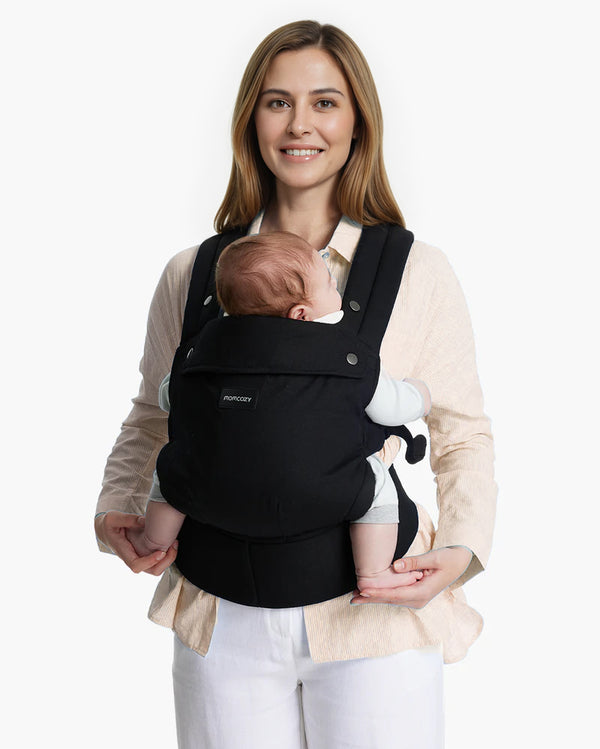
Łatwe w noszeniu nosidełko Momcozy otula Twojego noworodka delikatnym wsparciem, sprawiając, że wasze pierwsze chwile razem są proste i pełne czułości.

Łatwe w Codziennym Użytkowaniu

Momcozy zostało stworzone dla zapracowanych rodziców, takich jak Ty. Lekkie i łatwe w użyciu, pomaga uprościć codzienność i daje chwilę wytchnienia w intensywnych dniach rodzicielstwa.

Wszechstronna Eksploracja na Świeżym Powietrzu

Gdziekolwiek Twój mały odkrywca chce iść, Momcozy zapewnia mu komfort, radość i swobodę odkrywania świata wokół.

Znajdź swoje nosidełko dla dziecka

Momcozy Porównanie Nosidełek dla Dzieci

Filmy Instruktażowe

Rozwiązania Typowych Problemów w Opiece nad Dzieckiem

Zobacz Wszystkie
Odkrycie, kiedy korzystać z nosidełka z siedziskiem biodrowym, jest kluczowe dla zapewnienia komfortu dziecku i ulgi dla rodzica...
Czytaj Więcej
Jako pediatra i mama, dzielę się moimi 4 najlepszymi wskazówkami dotyczącymi bezpiecznego i bezbolesnego noszenia dziecka. Dowiedz się, jak prawidłowa ergonomia, zdrowe ustawienie bioder i odpowiedni nosidełko

The Complete Guide to Choosing a Baby Carrier

Choosing a baby carrier is about matching your baby’s stage with the way your family moves through the day. On this page, you’ll get a clear overview of the main carrier styles in the Momcozy range — from newborn-ready options to structured ergonomic baby carrier designs and lightweight baby carrier styles for everyday use — so you can quickly see where to start.

Once you have a general idea of what you need here, you can move into more focused pages for newborn carriers, hip-seat carriers, or wrap-style carriers to compare details and find the best fit for your routine.

01 How to Choose the Right Baby Carrier

Choosing the right baby carrier becomes much easier when you look at four simple questions: how old your baby is, what your days usually look like, how you want the carrier to feel on your body, and what kind of support style fits your routine. Instead of starting with product names, start with these bigger decisions — then let the details follow.

Choosing by Baby Stage

For newborn days, you need a carrier that keeps your baby high on your chest, facing inward, with full head-and-neck support and a gentle curve through the spine. At this stage, closeness and secure positioning matter more than having lots of carry options.

For older babies and toddlers, you can shift toward carriers that spread weight more efficiently and keep up with a more active child. Here, a more structured ergonomic baby carrier that supports a wider seat and longer wearing time will usually feel more comfortable for both of you.

Choosing by Daily Routine

If your main goal is daily hands-free errands — school runs, quick grocery trips, walking around the house — a simple, lightweight baby carrier that is quick to put on and not too bulky over your clothes will make the biggest difference.

On days filled with quick up-and-down moments, such as going in and out of the car or up and down stairs, it helps to use a setup that you can fasten and loosen in seconds. Easy buckles or a design that works well for short, frequent carries can keep these transitions smooth.

When you are planning long outings or travel, comfort over time becomes the priority. Look for designs that balance weight across your hips and shoulders, stay supportive as the hours go by, and keep your baby high and centered without slumping as you move.

Choosing by Wearing Feel

If you want something that feels easy to put on, focus on carriers with clear strap paths and intuitive closures. When the design is simple enough to use one-handed — even with a wriggly baby — you are more likely to reach for it every day instead of leaving it in the drawer.

In warmer weather or if you tend to run warm, a more breathable, lightweight setup can make carrying much more comfortable. Fabrics with mesh areas or airier construction help reduce overheating when your baby is held close against your chest.

For days when you expect all-day comfort to matter — long walks, events, or travel days — the right fit is everything. A carrier that lets you share weight between hips and shoulders, maintain an upright posture, and keep your baby snug but not tight will feel better hour after hour.

Choosing by Support Style

If you are drawn to soft wrap-style closeness, you may prefer a carrier that feels like a gentle fabric hug, wrapping around both of you and keeping your baby in a snug, inward-facing position that works especially well in the early months.

If you like a clearer structure, structured support might suit you better. These carriers hold their shape, give you defined support points, and help maintain an ergonomic position for your baby’s hips and spine during longer wear.

If you see yourself using a front facing baby carrier later on, choosing a more structured design makes sense, because these carriers are usually the ones that add outward-facing options once your baby has stronger neck and upper body control, while still focusing on safe support.

If your days include a lot of carrying an older baby on one side, hip-seat convenience can reduce strain on your arms and back. A built-in seat helps support your baby’s weight while still letting you quickly switch between holding them close and letting them stand or walk when they are ready.

02 Shop by Baby Stage & Carrying Style

Najczęściej zadawane pytania

01 Dla dzieci w jakim wieku przeznaczone są nosidełka dla niemowląt Momcozy?

Firma Momcozy zaprojektowała różne nosidełko dla niemowlaka dostosowane do potrzeb niemowląt w różnym wieku i na różnych etapach rozwoju. Nosidełko dla niemowląt PureHug jest przeznaczone dla dzieci w wieku od 3 do 24 miesięcy i przystosowane do noszenia dzieci o wadze od około 3 do 20 kg, zapewniając odpowiednie podparcie dla rosnących niemowląt, które opanowały już kontrolę nad głową i szyją. Dla noworodków i niemowląt poniżej 3. miesiąca życia firma Momcozy oferuje nosidełko WeeSnug Newborn Carrier, które jest przeznaczone dla dzieci o wadze od 3 do 11 kg i zapewnia dodatkowe podparcie głowy oraz szyi, którego potrzebują bardzo małe niemowlęta. Każde nosidełko dla niemowląt zostało specjalnie zaprojektowane tak, aby wspierać rozwój dziecka na różnych etapach, zapewniając jednocześnie komfort zarówno dziecku, jak i rodzicowi.

02 Jak długo zaleca się noszenie nosidełka dla niemowląt każdego dnia?

03 Kiedy niemowlęta mogą zacząć korzystać z nosidełka dla niemowląt?

04 Czy moje dziecko powinno leżeć twarzą do wewnątrz czy na zewnątrz w nosidełku dla niemowląt?

05 Czy mogę używać nosidełka dla niemowląt Momcozy w samochodzie?

06 Czy fotelik można stosować dla starszych niemowląt podróżujących przodem do kierunku jazdy?

07 Czy nosidełko dla niemowląt Momcozy jest bezpieczne dla bioder dziecka? Czy posiadacie certyfikat IHDI?

08 Jak długo można bezpiecznie nosić dziecko w nosidełku?

09 Jak należy nosić noworodka i na co należy zwrócić uwagę?

10 Jak sprawdzić, czy nosidełko dla niemowląt jest prawidłowo dopasowane?

11 Czy oboje rodzice mogą korzystać z tego samego nosidełka dla niemowląt?

12 Czym jest nosidełko dla niemowląt z przodu i czym różni się od innych rodzajów nosidełek dla niemowląt?

13 Jak prawidłowo założyć nosidełko z przodu?

14 Czy nosidełko z przodu jest bezpieczne dla moich pleców?

15 Jak zapewnić dziecku wygodę w nosidełku – co zrobić, jeśli wydaje się niespokojne?

16 Jak prać i dbać o nosidełko Momcozy?

Show More