


Some babies come into the world wide-awake and extra aware. They feel everything deeply —sounds, lights, changes, even small transitions. If this sounds like your baby, you might be dealing with longer crying spells, trouble settling, or a little one who startles easily.
The good news? With simple, gentle changes and supportive routines, these babies can absolutely thrive — and so can you.
When the World Feels Like Too Much
High-need babies experience stimulation more intensely. Bright lights, noise, or excessive activity can overwhelm their developing nervous systems. These sensitivities are often a key part of their infant fine motor sensory development guide, as they process every touch and sound more acutely than others. When that happens, you might notice things like:
- Crying that seems to come out of nowhere
- Turning away, arching their back, or stiffening
- Clenched fists or tense movements
- Difficulty feeding or calming down afterward

These are your baby’s way of saying, “I need a break.” When you see these signs, try slowing everything down. Dim the lights, lower your voice, hold them close, or step into a quieter space. Many parents also find steady background sounds calming — tools like white noise can help, but they’re just one of several ways parents support a calmer environment.



Daily Routines That Support Calm
High-need babies often do best when their days feel predictable. You don’t need a strict schedule — just a gentle rhythm they can count on. Parents may notice that fussiness increases during certain developmental periods, often referred to as what are baby leaps, where the brain is growing rapidly and the world feels even more overwhelming.
Swaddling
Being snug can help babies feel safe and less startled by their own movements. Swaddling paired with gentle rocking or movement often makes it easier for them to relax and settle.
Holding and Babywearing
Many sensitive babies want closeness — a lot of it. Holding them or wearing them allows them to stay connected to your warmth, heartbeat, and movement. This kind of contact often reduces fussiness and strengthens bonding, especially during feeding times. Because high-need babies thrive on proximity, it is common for them to show early signs of clinginess. Knowing how to handle separation anxiety in babies can help you maintain that connection while gradually helping them feel secure when you are out of sight.
Breastfeeding as Comfort
Breastfeeding can be incredibly soothing for high-need babies. Skin-to-skin contact, warmth, familiar smells, and rhythmic sucking all help calm an overstimulated nervous system. Breastmilk itself also contains natural elements that promote relaxation and sleep.
To make feeds feel calmer:
- Choose a quiet, dim space when possible
- Get comfortable with good positioning and support
- Try skin-to-skin before latching if your baby feels unsettled
- Offer feeds often — many high-need babies prefer smaller, more frequent nursing sessions
Some parents use supportive tools like nursing pillows, wearable pumps, or storage bags to make feeding feel more manageable. These tools can help reduce stress, but they work best alongside responsive care and flexibility, not as a replacement for them.
Gentle Play and Daytime Balance
High-need babies usually do better with short, intentional bursts of activity. Think:
- A few minutes of tummy time
- A brief stroller walk
- Simple visual play with high-contrast toys
Pay attention to early signs of overload — turning away, fussing, stiffening, or zoning out — and pause before things escalate. Alternating activity with quiet moments helps keep the day balanced. Many families find a loose flow like feed → cuddle → nap → short activity → rest works well.

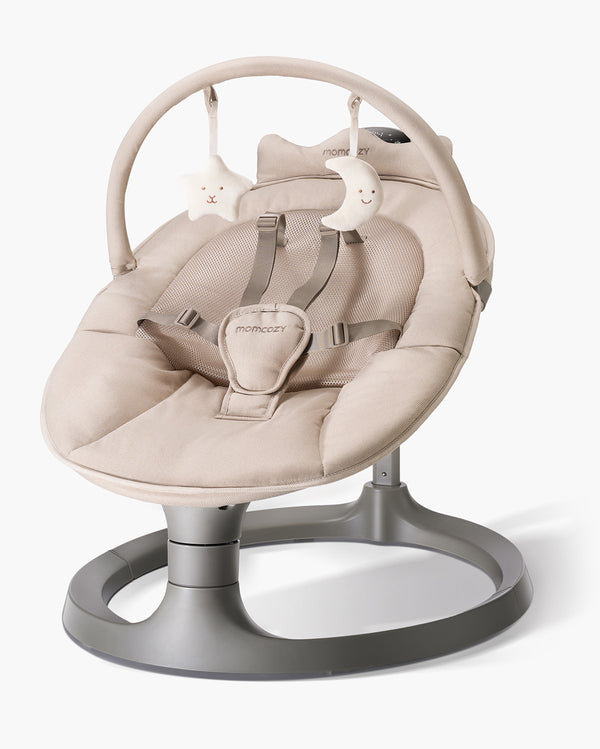
Movement can also help with transitions. Babywearing, gentle rocking, swings, or stroller walks often make changes feel smoother and more comforting.

Making Outings Less Stressful
Getting out of the house with a high-need baby can feel intimidating, but preparation goes a long way.
- Start small with short trips.
- Go after a good feed and rest.
- Pack comfort items — swaddles, nursing supplies, or anything that helps your baby feel safe.
- Use motion when needed — walking, rocking, or wearing your baby.
- Choose calm environments at first.
- Take breaks when your baby shows signs of overwhelm.
- Be kind to yourself — not every outing will be perfect, and that’s okay.
A Final Reassurance
High-need babies aren’t “too much.” They’re perceptive, expressive, and deeply connected to the world around them. With calm routines, responsive feeding, closeness, and patience, you’re helping your baby feel understood and secure.Every cuddle, feed, and moment of comfort is building trust and safety. That care becomes the foundation your baby carries forward, and that is no small thing.








