Pregnancy, childbirth, and the months after delivery change your body, especially your pelvic floor. These exercises—simple muscle squeezes you can do anywhere—strengthen the muscles that support your bladder, uterus, and bowels. Strong pelvic floor muscles help prevent leaks, support recovery after delivery, and can improve intimacy. This guide covers how to find the right muscles and avoid common mistakes.
Why Pelvic Floor Health Matters
Your pelvic floor holds up your bladder, uterus, and bowels. These muscles work every time you laugh, sneeze, or lift something.
Pregnancy changes everything. Hormones loosen these muscles to prepare for birth. Your baby's weight presses down for nine months. Delivery stretches them even more. When they get too weak, you might leak urine when you cough or sneeze. Some women struggle to control their bowels. In serious cases, organs can drop from their normal position.
Kegel exercises make a real difference. Studies show they reduce bladder leaks by about 30% during pregnancy. They also help you recover faster after delivery and keep you protected through menopause and beyond.
How to Find Your Pelvic Floor Muscles
Many women can't figure out which muscles to squeeze. The midstream stop method helps you locate them quickly, though you shouldn't do this regularly.
Try the Midstream Method Once
Sit on the toilet and start peeing normally. Halfway through, squeeze the muscles that stop the flow. You just found your pelvic floor muscles. You should feel a lift inside your vagina and tightening around where urine comes out and your anus. Release and let the rest come out. Do this once or twice to learn what it feels like, then practice Kegels at other times—stopping urine too often can weaken your bladder control.
Use a Mirror to Check
Get a hand mirror and sit where you can see the area between your vagina and anus. Squeeze your pelvic floor muscles. You should see slight movement inward and upward at your vaginal opening. The area should lift, not bulge out. This helps you know you're doing it right.
Test with Your Finger
Put a clean finger about one to two inches into your vagina. Squeeze your pelvic floor muscles around your finger. You should feel pressure from all sides with an upward pull. Your buttocks, thighs, and belly should stay relaxed.
Step-by-Step Guide: How to Perform a Perfect Kegel
The movement is simple once you get it. Follow these steps to do it right.
Step 1: Get Ready
Start in a comfortable position—sit, lie down, or stand. Empty your bladder first. Take a deep breath and relax your whole body, especially your buttocks, thighs, and stomach. Many women tense these areas by mistake, so check that they feel loose before you start.
Step 2: Squeeze and Lift
Squeeze your pelvic floor muscles and lift upward, like you're pulling something up through your vagina or stopping gas. You should feel the muscles move up and in, not push down and out. If you feel a bulging sensation, you're pushing the wrong way—refocus on lifting.
Step 3: Hold While Breathing
Hold this squeeze for 3-5 seconds while you breathe normally. Don't hold your breath—this is a common mistake that works against the lift you're trying to create. Keep your jaw, shoulders, and chest relaxed. If you notice you're holding your breath, release and start again with a focus on steady breathing.
Step 4: Release Slowly
Release the squeeze slowly and completely. Let your muscles relax fully. This release is just as important as the squeeze. Rest for 3-5 seconds between each repetition. Rushing into the next squeeze without resting can tire your muscles too quickly.
Step 5: Repeat and Track
Do this 10 times per session. Aim for three sessions each day for 30 squeezes total. As your muscles get stronger over several weeks, hold each squeeze a bit longer, up to 10 seconds. Track your progress in a notebook or phone app—write down how many squeezes you did, how long you held them, and how they felt.
Are You Doing It Wrong? 5 Common Mistakes to Avoid
Many women use incorrect techniques without realizing it. These mistakes limit results or cause problems.
❌ You Hold Your Breath
Many women hold their breath during squeezes. This pushes pressure down on your pelvic floor instead of lifting up. Breathe normally throughout—breathe in before you squeeze, breathe normally while you hold, and breathe out as you release.
❌ You Push Down Instead of Lift Up
Pushing down instead of lifting up is very common. This strains your pelvic floor instead of strengthening it. Think "lift and squeeze" not "push and strain." Check yourself sometimes with a mirror or finger to make sure you're moving the right way.
❌ You Squeeze Other Muscles
Your buttocks, thighs, and belly should stay relaxed. If you tense these areas, you're not working just your pelvic floor. Put a hand on your stomach—if it tightens when you squeeze, you're using the wrong muscles. Focus on the internal lift.
❌ You Do Too Many
More isn't better. If you exhaust these muscles, you can weaken them and cause pain. Stick to 30 good squeezes daily. Muscle tiredness, soreness, or more leaks mean you're doing too much.
❌ You Stop Urine Mid-Stream Often
This helps find the muscles once, but don't make it a habit. If you interrupt peeing often, you disrupt normal bladder emptying. This can cause incomplete emptying, urinary tract infections, and bladder problems.
When your body is working hard, sleep is the best recovery. A maternity pillow is often a great addition to your routine to help ease lingering pressure and get you the rest you deserve.
When You Should NOT Do Kegel Exercises
Tight doesn't mean strong. Some women have pelvic floor muscles that stay squeezed all the time. If you have any of these signs, skip Kegels and see a pelvic floor physical therapist:
- Pain during sex, tampon insertion, or gynecological exams
- Trouble starting to pee or not emptying your bladder fully
- Needing to pee frequently despite normal water intake
- Constipation, painful bowel movements, or feeling like you haven't finished
- Lower back pain, hip discomfort, or tailbone pain
Muscles that stay squeezed can't work right. They can't relax and squeeze on command, which affects bladder and bowel control. Treatment usually includes relaxation techniques, gentle stretching, and breathing exercises. Once your muscles reach normal tone, you can safely start strengthening exercises.
How Long Does It Take to See Results from Kegels
Most women notice changes within 4-6 weeks with consistent practice. Your timeline depends on your starting strength and how often you practice.
| Timeline |
What to Expect |
| Week 1-2 |
You can feel and control your pelvic floor muscles better |
| Week 3-4 |
Fewer small leaks when you cough or sneeze; you can hold squeezes longer |
| Week 6-8 |
Better bladder control during exercise; stronger squeezes; better core stability |
| Week 12+ |
Much fewer leak episodes; better sexual sensation; more confidence during activity |
Doing exercises daily produces faster results than doing them sometimes. Set phone reminders, link Kegels to existing habits (like brushing your teeth), or use tracking apps to stay on track.
Some women see quicker results, especially with milder weakness. Others need longer—particularly after difficult deliveries, multiple births, or long labor. Age, fitness level, and body weight also affect your timeline. Be patient and keep going.
What Benefits Can You Expect from Kegel Exercises
Regular Kegel exercises bring multiple benefits that improve your daily life and long-term health.
Better Bladder and Bowel Control
Strong pelvic floor muscles help you control when and where you pee and poop. You'll have fewer leaks when you cough, sneeze, laugh, or exercise. Many women stop wearing pads daily once their muscles get stronger.
Faster Postpartum Recovery
Your body recovers faster after giving birth when you have stronger pelvic floor muscles. These muscles bounce back more quickly, which means less pain and better healing. You regain normal function sooner.
Improved Sexual Experience
Strong muscles increase blood flow to your pelvic area, which improves natural lubrication and arousal. You can control vaginal tightness during sex. Research shows women who do Kegels regularly have stronger orgasms and reach climax more easily.
Better Core Stability
Your pelvic floor works with your deep abdominal muscles to stabilize your core. Stronger pelvic muscles mean better posture, less back pain, and more stability during physical activity.
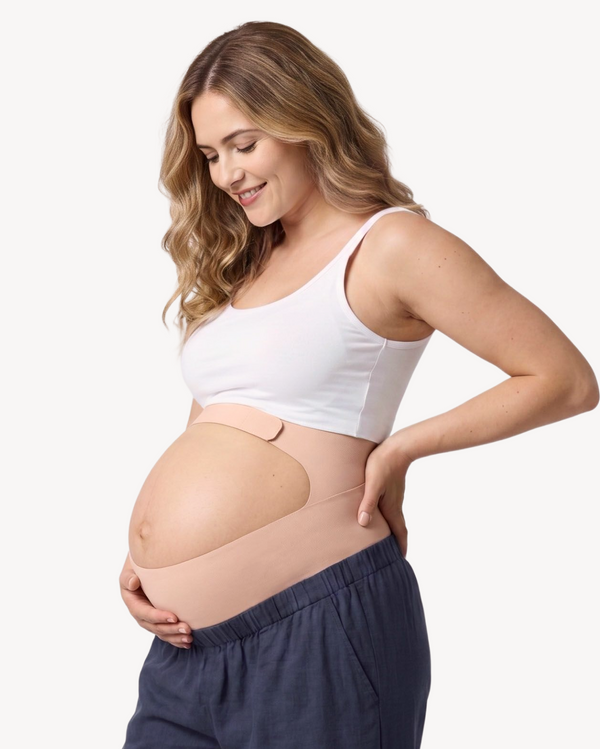
For additional support as your belly grows, many women combine Kegels with a Momcozy pregnant belly band that provides gentle lift and reduces lower back strain.
Back Support
Comfort
Effectiveness
Back Support
Comfort
Effectiveness
Long-Term Protection
Strong pelvic muscles protect you as you age. They lower your risk of pelvic organ prolapse (when organs drop down) and help you maintain control through menopause and beyond.
Start Strengthening Your Pelvic Floor Today
Your pelvic floor needs attention just like other muscles. Start with basic exercises, stay consistent, and adjust based on results. Whether you're pregnant, recovering after childbirth, or taking care of long-term health, these simple squeezes help a lot. Start today—your body will benefit for years to come.
FAQs
Q1: Can I do Kegels while pregnant, and when should I start?
It is safe to do Kegels while you are pregnant as long as your doctor doesn't tell you not to. You can start whenever you want, even in your first trimester. Kegel exercises during pregnancy get your muscles ready for labor and help your bladder stay dry after giving birth. Talk to your doctor first if you have placenta previa or are likely to go into labor early.
Q2: How soon after giving birth can I start doing Kegels again?
You can do light Kegels as soon as 24 hours after a vaginal delivery if you feel ready. Start with a few light squeezes and add more as you feel ready. After a C-section, don't do anything while the incision heals, which should take two to three weeks. Talk to your doctor about when you can start if you have stitches, tearing, or other complications. Stop and try again in a few days if it hurts.
Q3: Should I do Kegels during my period?
You can do Kegels even if you have your period. They work just as well during your period. Some women find it more comfortable to do them with a tampon or menstrual cup in. Still, you can do them either way. Just wait until your period is over if it causes discomfort.
Q4: Can men benefit from Kegel exercises too?
Men do have pelvic floor muscles, and Kegel exercises can help them. After prostate surgery, men do Kegels to get better control of their bladders. They also do them to treat erectile dysfunction and premature ejaculation. For men, it's the same technique: they squeeze the muscles that stop urine flow. A lot of couples find it helpful to work out their pelvic floor together.
Q5: What should I do if I've been doing Kegels for months but see no improvement?
If you've been doing Kegels correctly for three months and still haven't seen any progress, see a pelvic floor physical therapist. You may be working the wrong muscles, especially if you feel pain or have nerve damage after giving birth. If your pelvic floor is too tight or overactive, you may need different exercises. They can create a personalized plan based on evaluating your technique and muscle function. Sometimes more than just exercises is needed to address the problem.